
I know how discouraging it can be to see your garden wilt under scorching sun and relentless heat—especially when you’re craving vibrant blooms! Hot climate zones demand plants that not only endure high temperatures and intense light but also reward you with consistent color. These 16 heat‑tolerant flowers, hailing from diverse corners of the globe, will keep your borders, containers, and beds bursting with life even in the dog days of summer.
From drought‑loving succulents to sun‑chasing tropicals, each selection below includes its native habitat, notes on invasiveness, and the beneficial insects and birds it attracts or shelters. I’ve tested many in my own sun‑baked yard, and I’m excited to share the insights that will turn your hot‑weather gardening woes into successes!
Lantana (Lantana camara)

Native to Central and South America, Lantana camara zigs and zags through heat with clusters of vibrant tubular flowers in reds, oranges, purples, and yellows. Though considered invasive in some subtropical regions, well‑managed plantings in containers or pruned borders keep it in check. Its nectar‑rich blooms draw hummingbirds, butterflies, and native bees, while dense foliage offers tiny wasps and ladybugs sheltered rest spots!
I’ve watched ruby‑throated hummingbirds hover before lantana blossoms in my garden—what a thrill to see them dart among the flowers! Regular deadheading keeps the show going and prevents unwanted reseeding, delivering an endless summer of color.
Bougainvillea (Bougainvillea glabra)
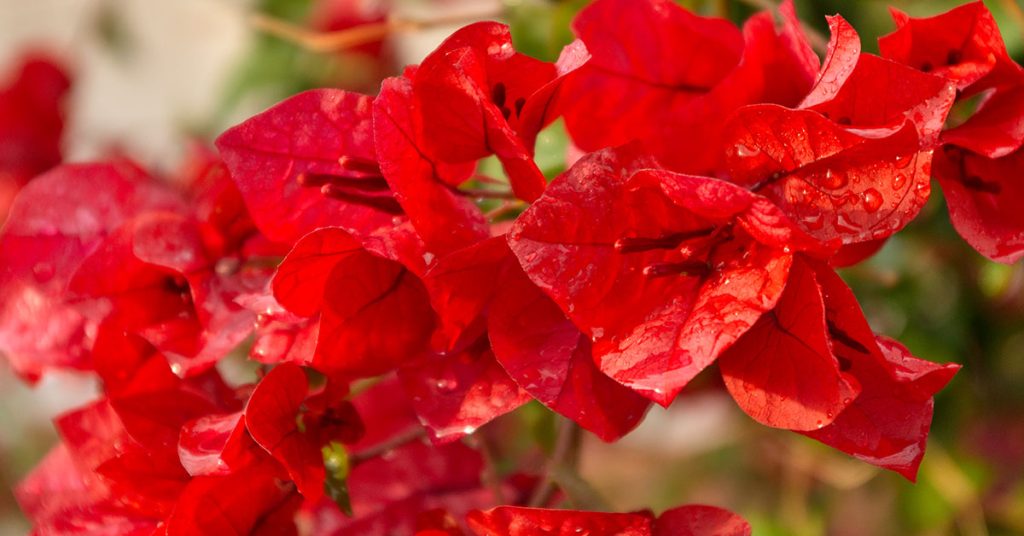
Hailing from Brazil, Bougainvillea glabra flourishes in blistering sun with papery bracts in magenta, orange, and white. This vigorous vine isn’t invasive in most home landscapes but needs pruning to prevent it from overtaking structures. Birds like orioles and warblers use its thorny tangle for secure nesting sites, appreciating both cover and the occasional insect snack among the bracts!
One of my favorite moments is spotting a small hummingbird nest tucked into a bougainvillea’s thicket—protected and hidden from view. The vine’s tolerance for drought and heat makes it a standout in the hottest gardens.
Portulaca (Portulaca grandiflora)

Native to South America, Portulaca grandiflora—or moss rose—thrives in sandy, well‑drained soils under full sun. It forms low mats of succulent foliage crowned with cup‑shaped blooms that close at night. Non‑invasive and fuss‑free, portulaca attracts solitary bees that nest in bare patches nearby, seeking pollen and small crevices for egg laying!
Planting a carpet of portulaca along walkways ensures bursts of red, pink, and yellow throughout summer. I’ve often paused at dawn to admire dew‑sparkled blossoms and the tiny sweat bees humming among them—a simple joy!
Mexican Sunflower (Tithonia rotundifolia)

Originating from Mexico and Central America, Tithonia rotundifolia lights up gardens with fiery orange daisies. It reseeds readily but seldom becomes invasive in temperate zones. Its large, nectar‑filled heads are magnets for monarchs and swallowtail butterflies, while the sturdy stems provide perches for predatory wasps hunting leaf‑chewing caterpillars!
I love how tithonia transforms a hot border into a fluttering haven of pollinators. Even in August’s heatwaves, its blooms stand tall, greeting every passing butterfly with a welcoming landing pad.
Blanket Flower (Gaillardia aristata)

Gaillardia aristata, native to prairies of North America, endures scorching conditions with daisy‑like flowers in red and gold. Clump‑forming and non‑invasive, it tolerates poor soils and draws bees, butterflies, and beneficial convergent ladybugs that feast on aphids hiding within petals!
One August, I counted over a dozen painted lady butterflies flitting among blanket flowers—each stop a nectar‑laden delight. Their longevity and resilience make them a gardener’s dream for hot, sunny sites.
Bottlebrush (Callistemon citrinus)

From Australia’s warm coastal regions, Callistemon citrinus, known as bottlebrush, bears red, brush‑like flowers that hummingbirds and native honeyeaters adore. It isn’t invasive but can naturalize in frost‑free climates. Its dense, linear foliage also serves as daytime resting and nesting sites for small birds like wrens!
Planting bottlebrush near seating areas guarantees a front‑row seat to nectar‑feeding activity, all while adding architectural interest to the hottest corners of the garden.
Desert Rose (Adenium obesum)
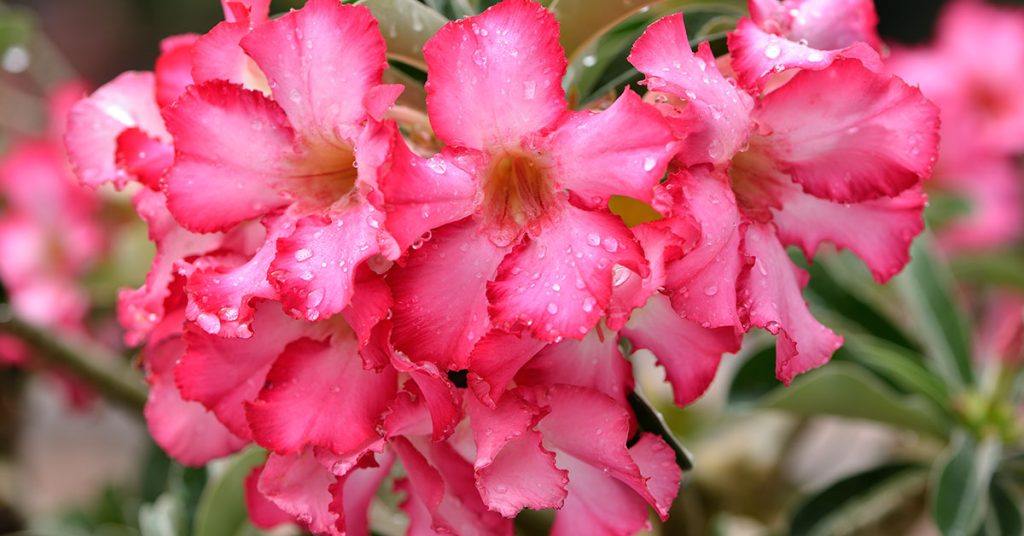
Adenium obesum, native to the arid regions of Africa and the Arabian Peninsula, thrives on neglect in full sun and well‑drained soil. Its swollen caudex stores water for drought periods, and showy pink to red flowers attract pollinating bees. The thick stems also offer sheltered crevices for bark‑dwelling insects seeking shade!
Grooming my desert roses each summer reveals their glossy blooms against sculptural branches—proof that even the harshest climates yield beauty with the right plants.
Tropical Hibiscus (Hibiscus rosa‑sinensis)

Hibiscus rosa‑sinensis, native to East Asia, flourishes in hot, humid environments with enormous trumpet‑shaped blooms in every shade of red, pink, orange, and yellow. Non‑invasive in container culture, its flowers entice hummingbirds and nectar‑loving butterflies, while the broad leaves hide caterpillars of native swallowtails before metamorphosis!
I always pinch back hibiscus shoots in early summer to promote branching—and come mid‑August, I’m rewarded with a jungle of blooms and hummingbird activity around every corner.
Plumbago (Plumbago auriculata)

Plumbago auriculata, hailing from South Africa, forms sprawling mounds of sky‑blue flowers that tolerate heat and coastal conditions. It self‑sows sparingly but stays controlled with regular trimming. Its blooms attract small skipper butterflies, and the tangle of stems offers nesting material for small native bees!
One of my favorite planter combinations pairs plumbago with silver‑leaved shrubs—the contrast is stunning, and the pollinator traffic never disappoints.
Salvia (Salvia greggii)
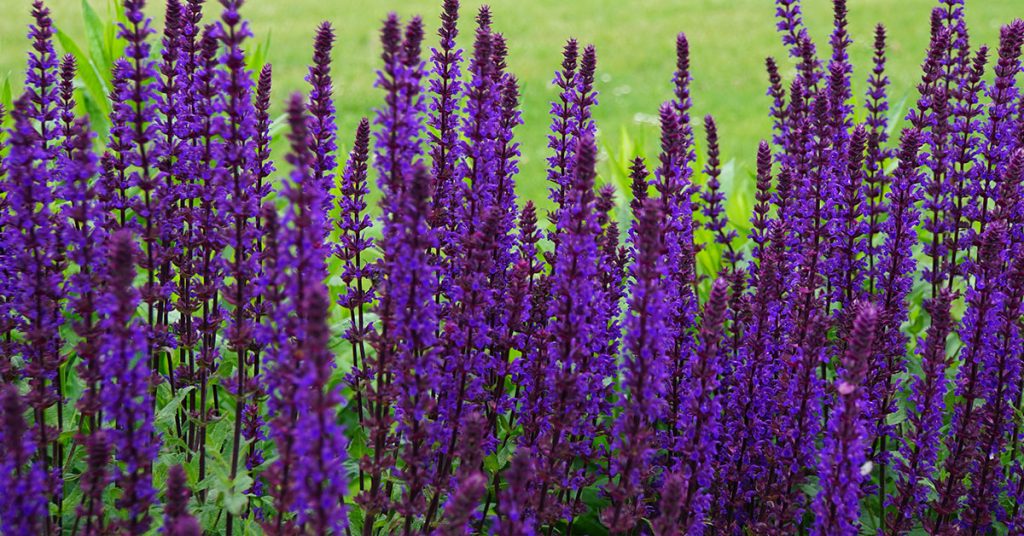
Native to Texas and Mexico, Salvia greggii—or hot sage—produces tubular flowers in reds and pinks that hum with hummingbirds. Clump‑forming and non‑invasive, it continues blooming in heat where many plants falter. The woody stems create secure roosts for predatory spiders that help manage thrips and aphids on hotter days!
Planting salvia near patios invites hummingbird visits at arm’s length—one of the simplest joys of hot‑climate gardening. Deadheading spent spikes keeps the nectar flowing nonstop.
Zinnia (Zinnia elegans)
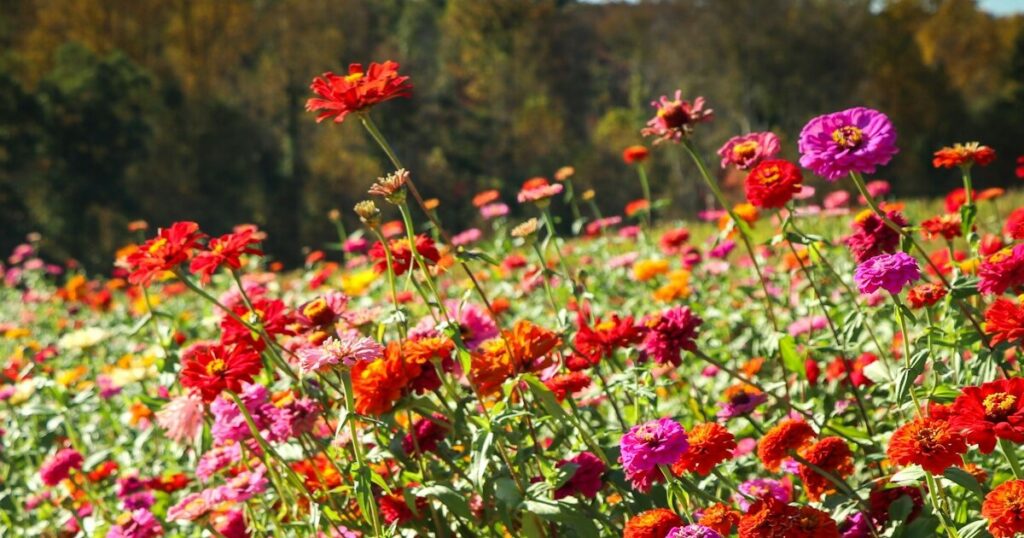
Originating in Mexico, Zinnia elegans shines in high heat with bold flowers in reds, oranges, pinks, and whites. Though it self‑sows, it rarely becomes invasive in well‑managed beds. Zinnias draw a diversity of pollinators—bees, butterflies, and even nectar‑feeding beetles—while tall varieties offer perches for tachinid flies that parasitize caterpillar pests!
I scatter a mix of zinnia seeds each July, and by September, my borders hum with winged visitors. Those vibrant blooms are like neon signs for every garden benefactor.
Gazania (Gazania rigens)
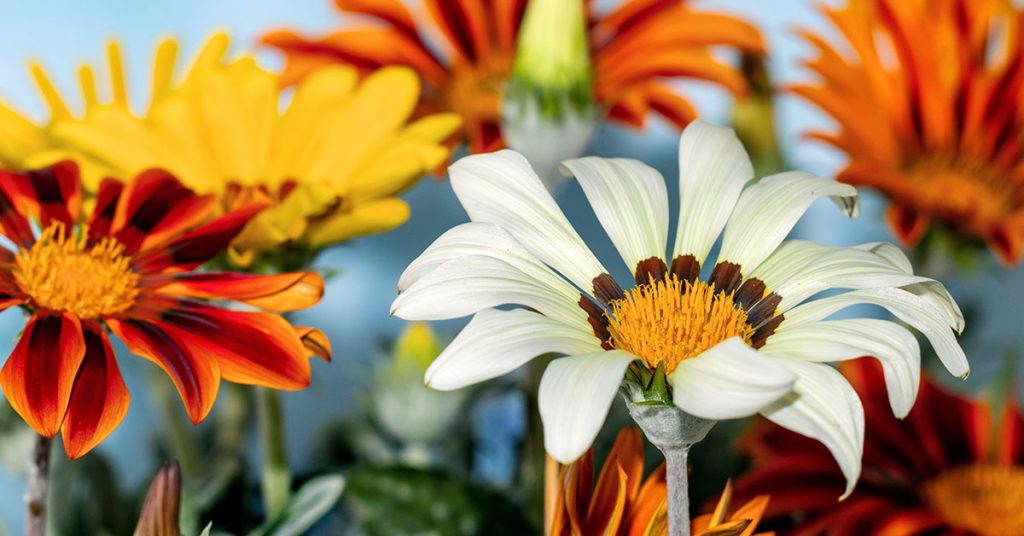
Gazania rigens, from South Africa, thrives on hot, dry soils with daisy‑like blooms that open in full sun and fold at dusk. Non‑invasive and low‑growing, it suppresses weeds and attracts native bees that nest in adjacent bare ground, seeking pollen and tiny tunnels!
I line my pathway edges with gazania, creating a golden border that responds to sunlight like solar panels—bright, open faces greet you all day, rewarding heat tolerance with nonstop color.
Pentas (Pentas lanceolata)
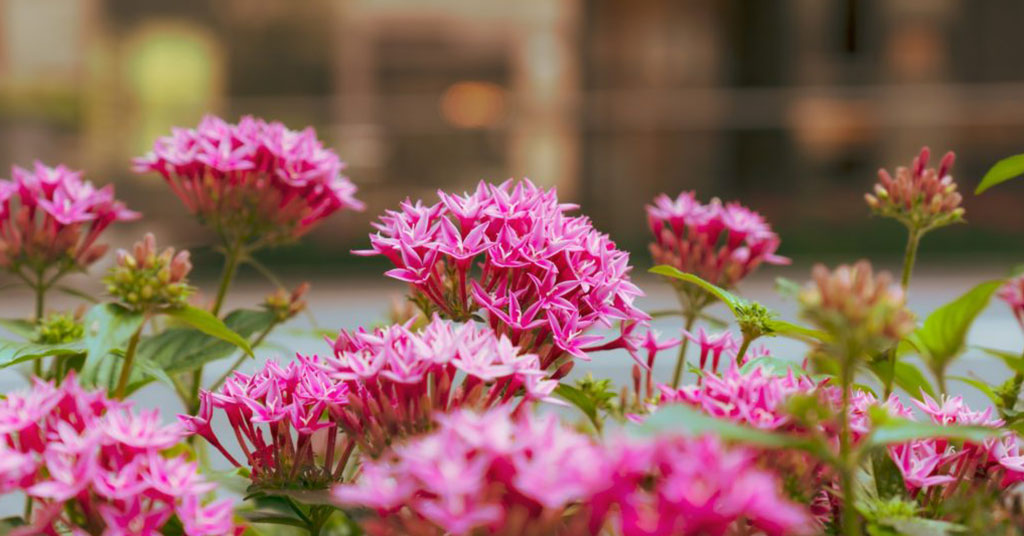
Hailing from tropical Africa, Pentas lanceolata bears star‑shaped clusters in pink, red, and purple, thriving under blazing sun. It seldom reseeds in temperate gardens and is a butterfly magnet—especially for swallowtails and monarchs. The upright stems also provide structural shelter for small predatory wasps!
I adore sinking pentas into hot, sandy beds— their constant bloom and traffic of dancing butterflies make every afternoon a lively show.
Aloe Vera (Aloe barbadensis miller)
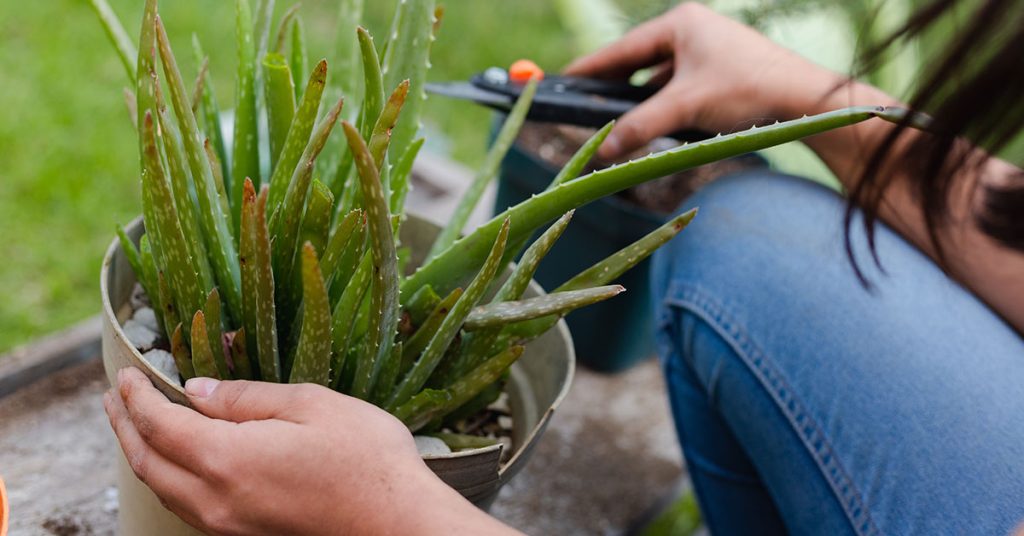
Originally from the Arabian Peninsula, Aloe vera is a succulent that endures both heat and drought, producing tall spikes of tubular yellow or orange flowers that attract hummingbirds and sunbirds. Its thick leaves offer nesting material for small insects seeking moisture, while deer and rabbits typically avoid it due to its bitter sap!
Having aloe at the edge of my herb garden means I get both medicinal gel for scrapes and mid‑summer hummingbird displays—a dual‑purpose superstar for hot climates.
Mexican Petunia (Ruellia brittoniana)
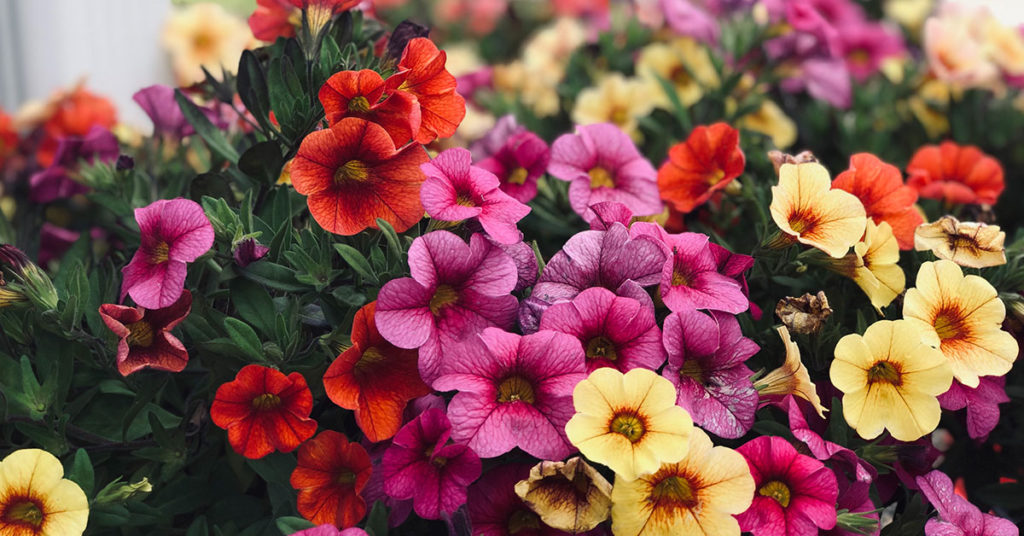
Ruellia brittoniana, native to Mexico and Brazil, erupts in purple or white blooms through the heat, naturalizing in moist spots but remaining manageable with occasional trimming. Its tubular flowers beckon hummingbirds and long‑tongued bees, and the dense foliage offers shade and nesting nooks for ground spiders!
I plant Mexican petunias along water features—the damp air and heat create an irresistible combo that keeps blooms unfurling and wildlife buzzing all season long.
Sunflower (Helianthus annuus)
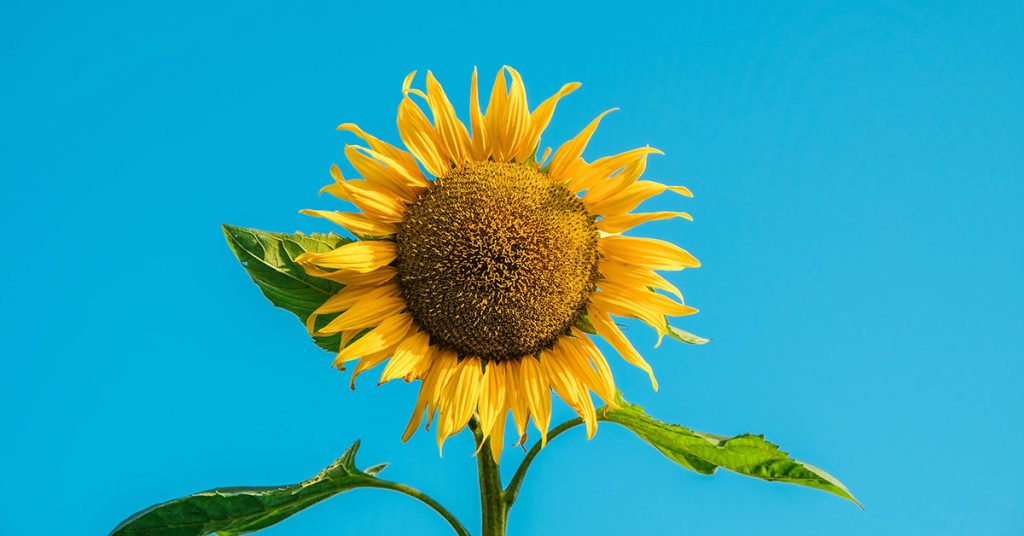
Sunflowers, native to the Americas, stand tall in blazing fields with giant flower heads that follow the sun. While self‑sowing readily, they seldom invade beyond their patch. Their seeds feed goldfinches and sparrows, and their sturdy stems and broad leaves offer daytime perches for insect‑eating birds!
Growing a dwarf sunflower variety in my hottest bed guarantees a happy sunflower patch that both brightens the landscape and sustains a parade of feathered visitors late into summer.