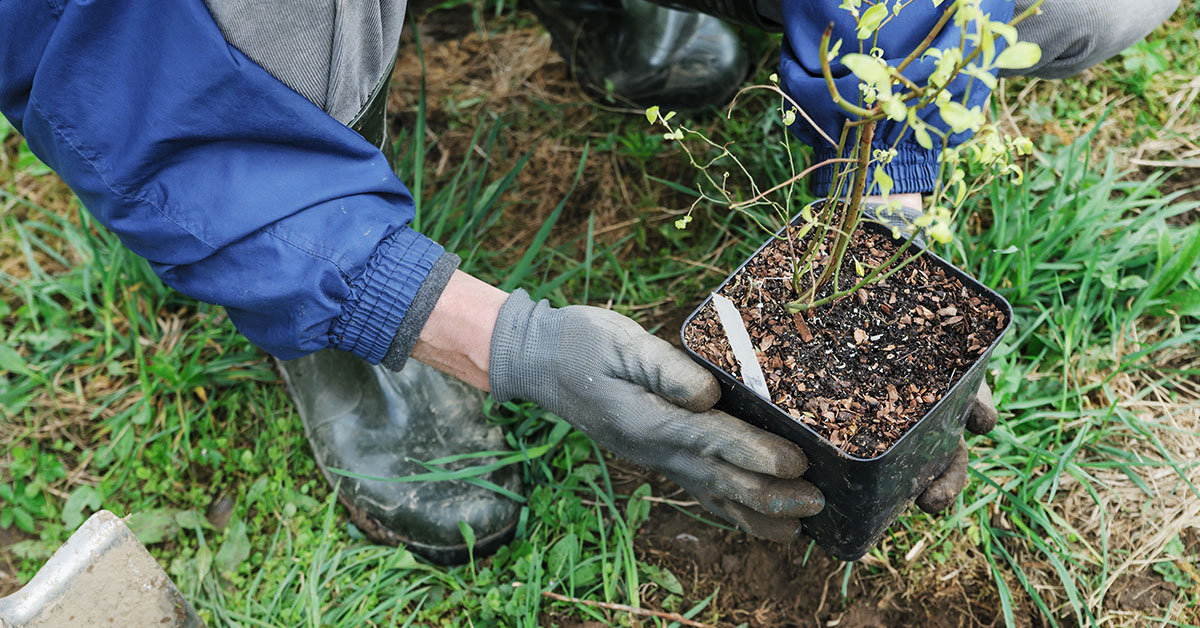

I know how disappointing it is to see your berry patch wind down after a summer of sweet harvests—especially when you’re already dreaming of next year’s jam! Many berry species, from raspberries (Rubus idaeus, native to Europe and Asia) to North American blueberries (Vaccinium spp.), demand extra care once the growing season winds to a close. By giving them the right prep now, you’ll protect roots, stems, and future bud sites, ensuring a bountiful spring return.
In this guide, I’m excited to share ten detailed tips—from soil amendments to wildlife considerations—that I’ve tested in my own garden. You’ll learn how to balance bird‑friendly practices (after all, cedar waxwings and thrushes flock to those late berries!) with protective measures against frost, rodents, and disease. Let’s dive in and give your berry plants the TLC they need to thrive through cold months!
Conduct a Late‑Season Soil Test and Amend Accordingly
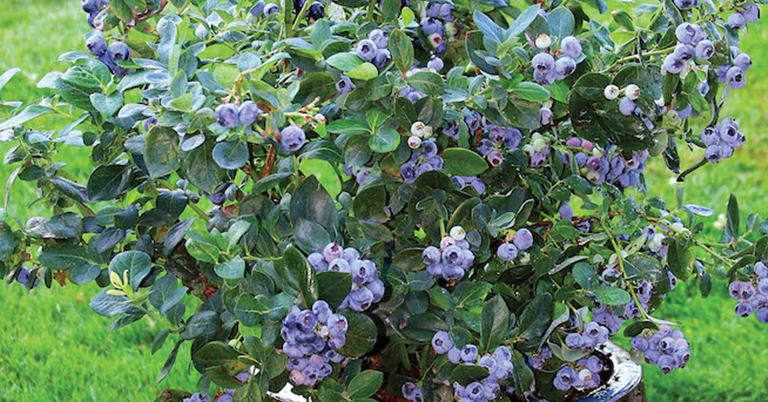
Before winter’s cold sets in, take a handful of soil from around your berry plants and test its pH and nutrient levels. Blueberries, for example, thrive in acidic soils (pH 4.5–5.5), while raspberries prefer slightly acidic to neutral ground (pH 6.0–7.0). Adjusting lime or sulfur application now gives amendments time to integrate over the winter!
One of my favorite soil tweaks is mixing in well‑rotted leaf mold for raspberries—it boosts organic matter and loosens compacted beds. For blueberries, I often blend in peat moss and pine needles to maintain that critical acidity. Come spring, your plants will reward you with healthy roots primed for new canes and flower buds.
Prune Canes and Remove Spent Wood
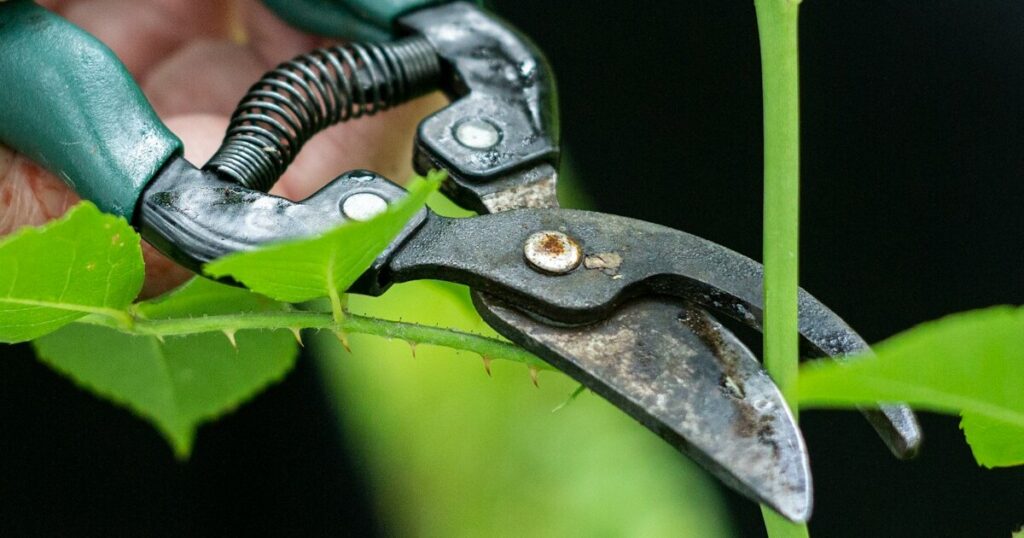
Hardy cane berries like blackberries and raspberries produce fruit on two‑year‑old wood. In late fall, cut those spent floricanes down to ground level, leaving healthy primocanes (current‑year shoots) intact. This focused pruning prevents disease and directs energy into next spring’s wood!
It’s such a relief to see an organized patch after pruning—clear rows where nesting ground‑beetles and beneficial predatory wasps can patrol the soil for overwintering slugs. Plus, a tidy framework reduces hiding spots for rodents that might gnaw on juicy canes during winter.
Clean Up Fallen Leaves and Debris

While some leaf litter is welcome, a thick layer of old fruit remnants and decaying leaves can harbor fungal spores and overwintering pests. Rake up and compost any diseased foliage or rotting berries, but reserve a thin mulch layer of clean leaves to insulate roots.
I always patrol after the first frost, gathering stray berries that birds like robins and waxwings can’t reach. Not only do feathered friends appreciate the extra snack, but you’ll also prevent leftover fruit from fueling mold outbreaks come spring.
Apply a Protective Winter Mulch

Once the ground has cooled, spread a 3–4‑inch layer of straw, shredded bark, or evergreen boughs around the base of your berry bushes. This mimics the natural forest floor where many berries—like the non‑invasive native Vaccinium angustifolium (lowbush blueberry)—grow amid leaf litter, keeping roots from heaving in freeze‑thaw cycles.
Mulch also creates sheltered crevices where solitary bees and ladybird beetles can overwinter, emerging in spring to pollinate and prey on pests. I love spotting the first ground‑dwelling bees zipping by when temperatures rise—their spring wake‑up call tells me my mulch worked!
Water Thoroughly Before the First Hard Freeze
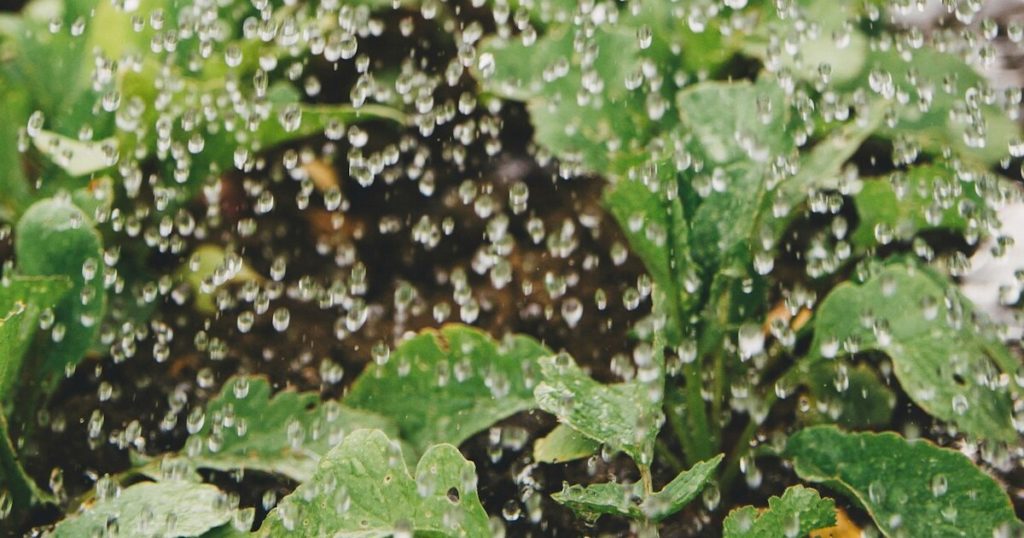
Even though growth slows in fall, berry roots need moisture to avoid desiccation during winter’s dry winds. Give plants a deep soak—about an inch of water—when soil temperatures stay above 40°F. Well‑hydrated roots tolerate cold much better than parched ones!
I set my soaker hose on a slow drip for a few hours after leaf drop, ensuring water reaches six inches deep. If winter arrives parched, I’ll repeat once or twice more until soil freezes—peace of mind that your bushes won’t shrivel before spring.
Install Wildlife‑Friendly Netting After Harvest
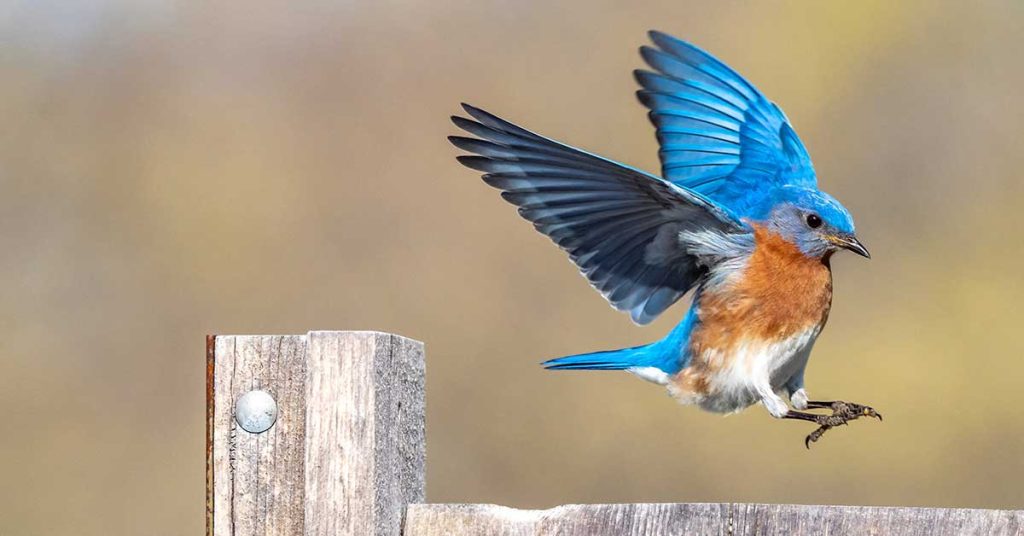
Birds like thrushes and waxwings love the last berries almost as much as you do, but you’ll want to protect enough fruit for the birds’ migration and for next year’s pruning markers. Drape lightweight netting over frames once harvest finishes, securing edges to prevent birds from slipping under.
While I mesh‑cover my berry rows, I leave small openings in the canopy for chickadees and sparrows to perch safely on stems. These small birds help control overwintering aphids and bud mites, striking a balance between wildlife support and crop protection!
Provide Structural Support and Ties
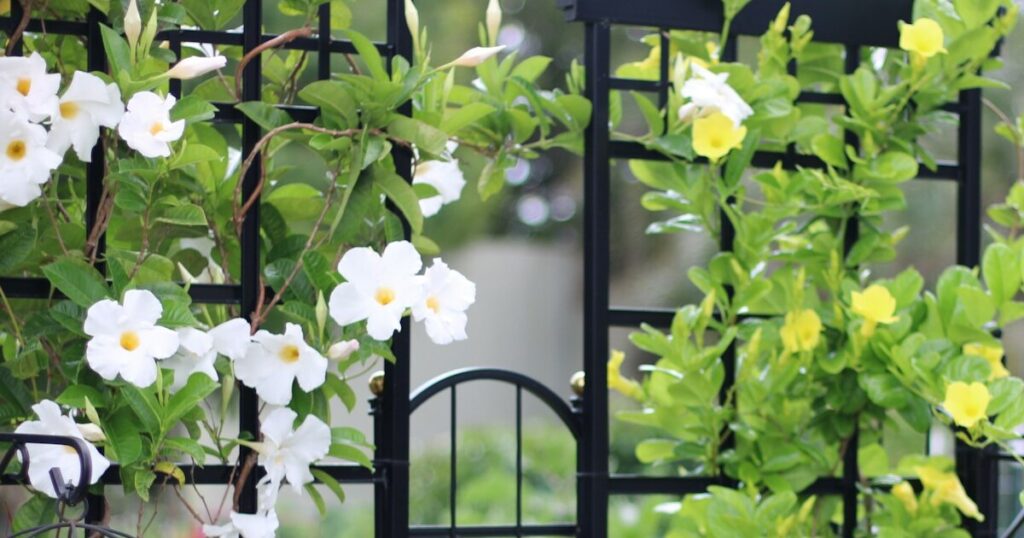
Tall, arching canes of raspberries and blackberries can flop under snow’s weight. Gently tie primocanes to sturdy trellises or stakes, keeping them upright and preventing cane breakage. Use soft garden twine or tube ties to avoid damaging bark.
Last December, a heavy snowfall snapped several of my unsupported canes—an entirely avoidable heartbreak! With proper tying, I watched snow slide off the framework, leaving branches intact and ready for the spring flush.
Feed with a Slow‑Release Fertilizer
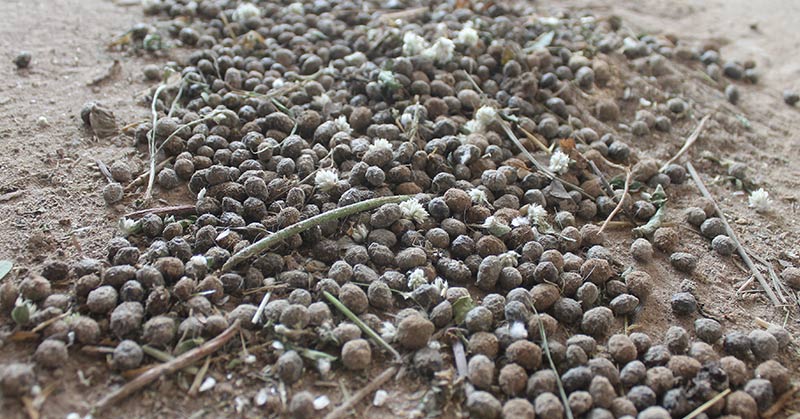
In early fall, apply a balanced, slow‑release granular fertilizer around the drip line of each plant. This supplies nutrients that leach slowly through winter, feeding roots as soon as they become active in spring. Choose an organic formula rated for berries to support soil life!
My go‑to is a berry‑specific mix high in potassium, which strengthens cell walls against cold damage. I broadcast it lightly over the mulch and let winter rains work it into the soil. By April, I see lush new growth—proof that autumn feeding pays off.
Monitor for Rodents and Use Protective Collars
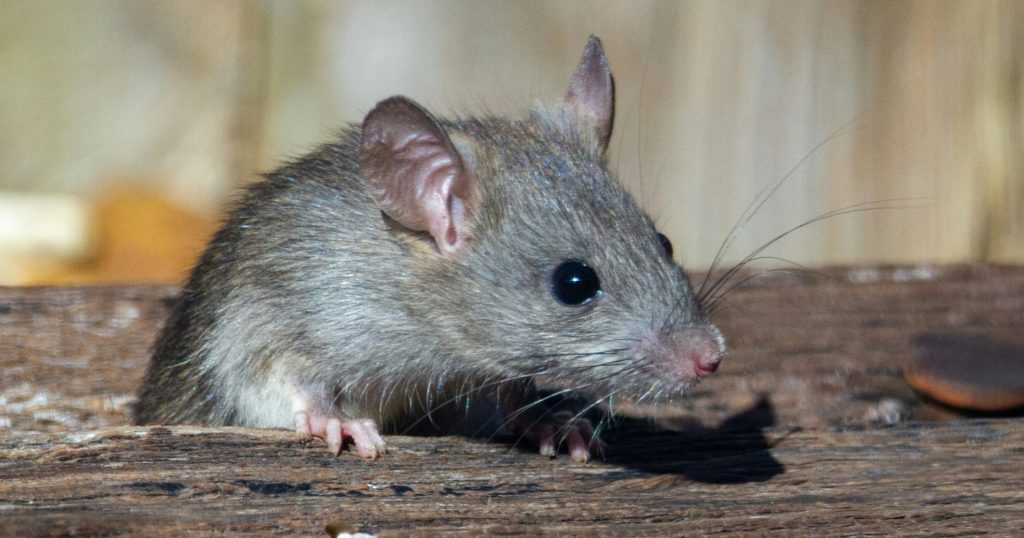
Mice and voles sometimes nibble on bark and roots under the mulch. Place hardware‑cloth collars (about 12 inches tall and buried a few inches deep) around each plant’s base to block burrowers. Then refill the mulch around the barrier, keeping roots insulated without granting rodents easy access.
It’s such a bummer to lose a whole cane to rodent damage! Since adding collars, I’ve seen fewer chew marks and more sturdy canes emerge in spring. A small investment that saves you from major replanting headaches later.
Plan Cover Crops to Improve Soil

After pruning and cleanup, consider sowing a winter rye or crimson clover cover crop between berry rows. These non‑invasive green manures suppress winter weeds, prevent soil erosion, and fix nitrogen for your berry patch. Come spring, simply mow and work the residue into the topsoil!
One of my favorite fall tasks is broadcasting crimson clover seed—its delicate blooms support late‑season pollinators, and come April, the residue sprouts into lush green that I turn over, enriching my beds naturally. Your berry plants will love the improved soil life and structure!