
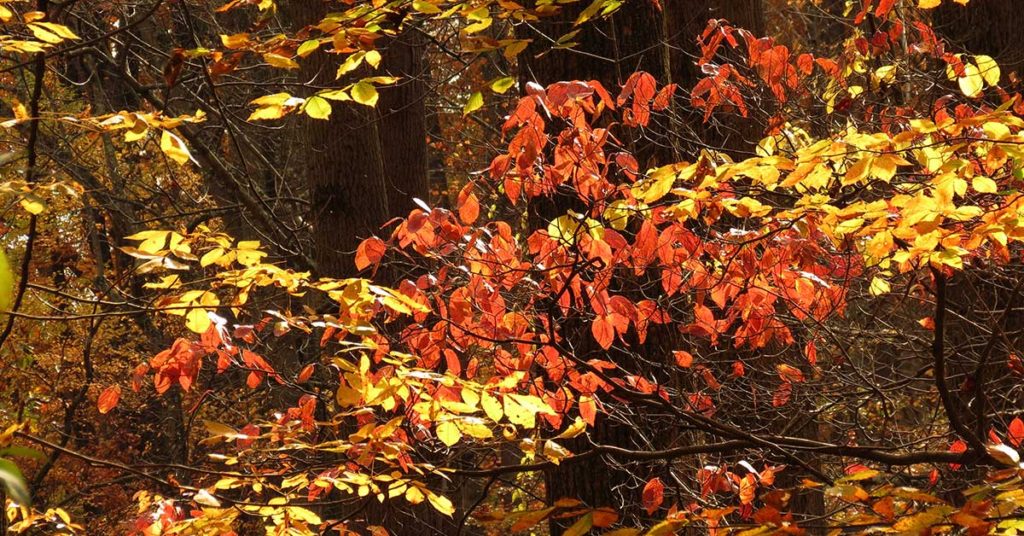
I know how disheartening it is when your summer blooms fade and your borders look dull just as the air turns crisp. Thankfully, a host of perennials—ranging from bold grasses to vibrant shrubs—transform your garden into a fiery canvas each autumn. These plants hail from diverse regions, from the woodlands of North America to the grasslands of Asia, and most behave themselves without becoming invasive in typical home landscapes.
In this guide, I’m thrilled to share sixteen standout perennials that pack the brightest fall colors—crimson, gold, bronze, and every shade in between! Each selection not only dazzles with its leaf tones but also provides shelter or nesting sites for beneficial insects and backyard birds. Let’s discover these autumnal showstoppers that will keep your garden glowing as temperatures drop!
Burning Bush (Euonymus alatus)

Native to northeastern Asia, Euonymus alatus earns its common name by igniting your landscape with blazing scarlet foliage in mid‑October. Although it can spread aggressively in some regions, well‑maintained specimens rarely escape garden beds. Its dense branching structure offers excellent cover for nesting birds like sparrows and provides a perch for ladybird beetles hunting aphids!
Year after year, I marvel at how this hardy shrub stands out against duller backdrops. Even as berries appear, robins and thrushes flock to snag them, adding delightful wildlife moments to your fall display. Regular pruning keeps it tidy and confines its fiery show to the space you’ve designated.
Coral Bells (Heuchera spp.)
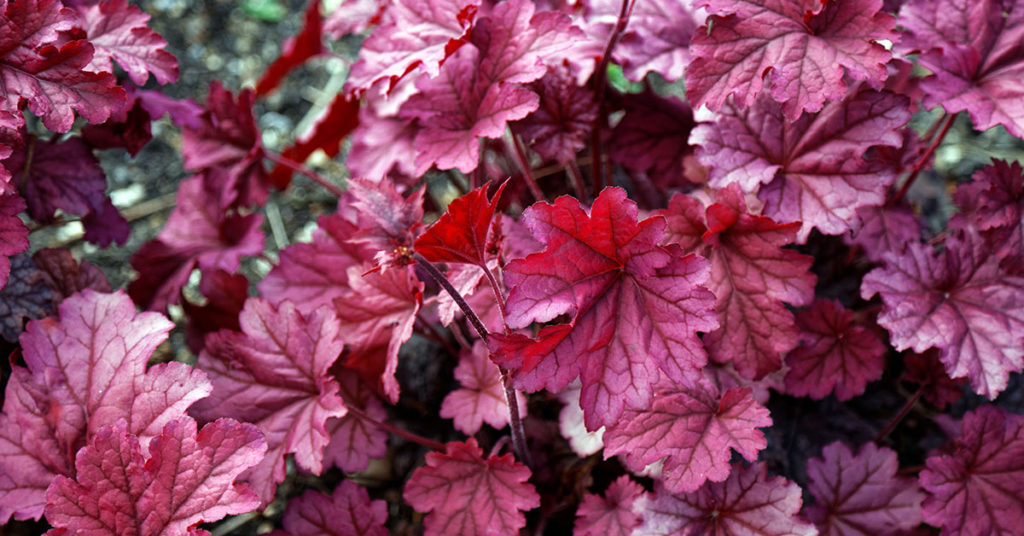
Heucheras, native to North America, surprise with foliage that transitions from lime green to deep bronze, plum, or fiery red as days cool. Non‑invasive and clump‑forming, their textured leaves hug the ground, creating a living mosaic. Tiny pollinators like hoverflies and solitary bees nest in soil crevices nearby, drawn by both shelter and late‑season blooms!
One autumn morning, I found a small hoverfly resting on a burgundy leaf, its wings glinting in the sun. That moment reminded me how Heuchera’s low‑growing habit supports beneficial insects’ lifecycles—even as the garden’s color palette warms.
Oakleaf Hydrangea (Hydrangea quercifolia)

Hailing from the woodlands of the southeastern United States, oakleaf hydrangea turns from green to shades of copper and burgundy by late fall. It isn’t invasive, but its exfoliating bark adds winter interest once foliage drops. Large flower heads also serve as daytime roosts for predatory lacewings, which hunt aphids throughout the growing season!
One of my favorite garden moments is hearing tiny rustles as birds slip beneath the drooping flower clusters. Even after frost, the sturdy stems provide perching spots—turning this shrub into both a visual and wildlife magnet.
Switchgrass (Panicum virgatum)

Native to North American prairies, switchgrass offers airy plumes and foliage that shifts from green to golden bronze and deep rust. Clump‑forming and non‑invasive, it thrives in various soils and provides nesting material for grassland sparrows and protective cover for overwintering ladybug adults!
I love planting switchgrass en masse along pathways—the way its seed heads catch morning light is simply magical. When you brush past, you might glimpse a tiny spider dart back into the feathery blades, reminding you of the small life your grasses sustain.
Japanese Forest Grass (Hakonechloa macra)
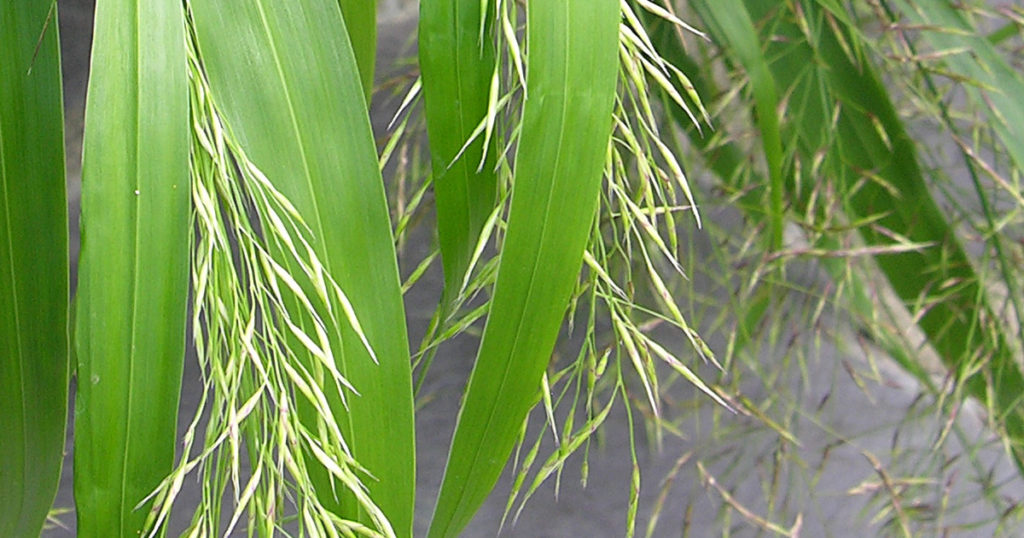
Originating from Japan’s mountain forests, Hakonechloa macra glows a warm amber and orange in the fall. Its graceful, arching blades aren’t invasive and form a soft groundcover that shelters springtails and predatory ground beetles in leaf litter. The low, billowy habit also offers cozy nesting spots for small insects!
One crisp autumn day, I noticed tiny beetles scuttling beneath the grass’s canopy, feeding on slugs and snails drawn to my nearby hostas. That ecosystem service, combined with the grass’s golden glow, makes it a two‑fer for both beauty and balance.
Sedum ‘Autumn Joy’ (Hylotelephium telephium)
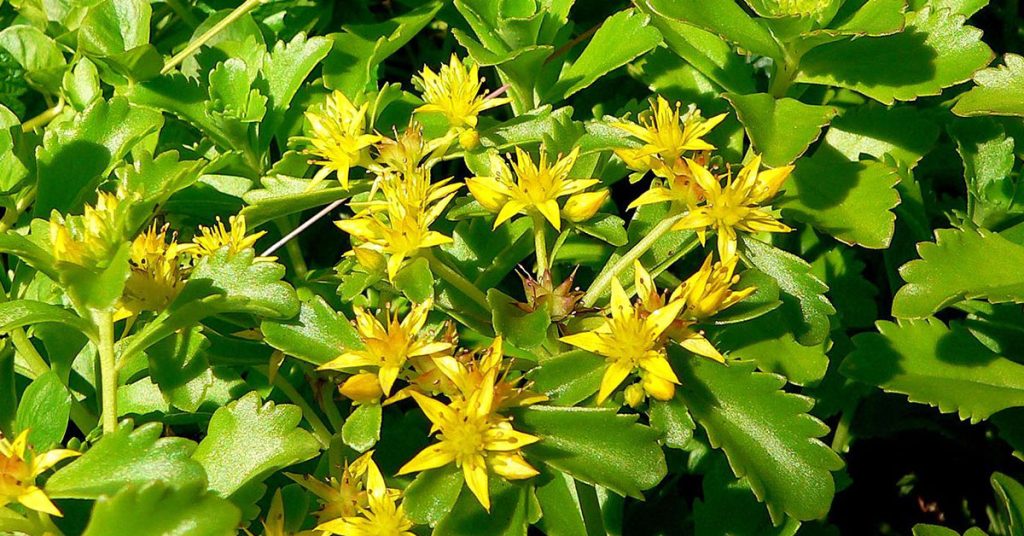
Sedums, native to Europe and Asia, boast succulent leaves that blush pink, bronze, and deep mahogany in autumn. These clump‑forming perennials are non‑invasive and attract late‑season pollinators like bumblebees and butterflies to their flat flower clusters. After blooming, seedheads provide food for finches and sparrows and shelter for beneficial lacewings!
In my garden, I leave a few seedheads standing as the weather cools. Watching goldfinches nibble the seeds amid the coppery foliage is one of my favorite fall rituals—proof that a single plant can feed both human eyes and wildlife appetites.
Fothergilla gardenii

Fothergilla, native to the southeastern United States, offers pristine white spring flowers followed by extraordinary fall foliage that shifts from yellow to orange to crimson. It stays well‑behaved in landscape beds, and its dense branches serve as nesting foundations for small songbirds like chickadees and warblers.
I remember spotting a tiny nest tucked in the compact branches one autumn—such a delightful surprise! The mix of flower and fall color makes Fothergilla a year‑round star in any garden setting.
Spirea japonica

Spiraea japonica, hailing from Japan and East Asia, features chartreuse leaves that morph into brilliant shades of orange and red. This mound‑forming shrub rarely becomes invasive if deadheaded regularly. Its dense branching forms ideal nesting thickets for hummingbirds and shelter for hoverfly larvae patrolling nearby blooms!
I planted a row of spirea along my driveway, and by late October, the glowing coral foliage felt like a warm welcome home. Butterflies often flit among the spent blooms, reminding me that even after its peak, this shrub supports local wildlife.
Ninebark (Physocarpus opulifolius)

Native to North America, ninebark earns its name from bark that peels in layers, plus leaves that turn copper and bronze in fall. It doesn’t spread aggressively, and its sturdy stems create perfect perches for garden spiders, which build their webs to catch harmful pests among the branches!
One afternoon, I spotted a web glistening between two branches, with the resident spider patiently waiting. That natural pest control adds another dimension of usefulness to ninebark’s ornamental appeal.
Aronia (Aronia melanocarpa)

Black chokeberry, native to northeastern North America, lights up in fall with red, purple, and bronze foliage before fruiting on deep purple berries. Non‑invasive and hardy, it’s a magnet for migrating cedar waxwings and robins that feast on the berries, aiding seed dispersal!
I delight in hearing soft peeps as waxwings descend on my aronia hedge. Their polite nibbling offers a charming wildlife spectacle—and I know I’ll have fresh ornamental hubs for next season, thanks to their seed‑spreading.
Cornus alba ‘Bailhalo’ (Siberian Dogwood)
Though technically a shrub, Siberian dogwood acts as a perennial in garden terms, native to Siberia and parts of Asia. Its foliage turns orange and red in fall, complementing stems that flash crimson year‑round. Birds like thrushes and waxwings nest within its thickets, and the bright stems guide pollinators to lingering late‑season blooms!
I planted ‘Bailhalo’ as a screen, but soon discovered its multifaceted wildlife value. Even when leaves drop, the vivid branches draw the eye—and the birds.
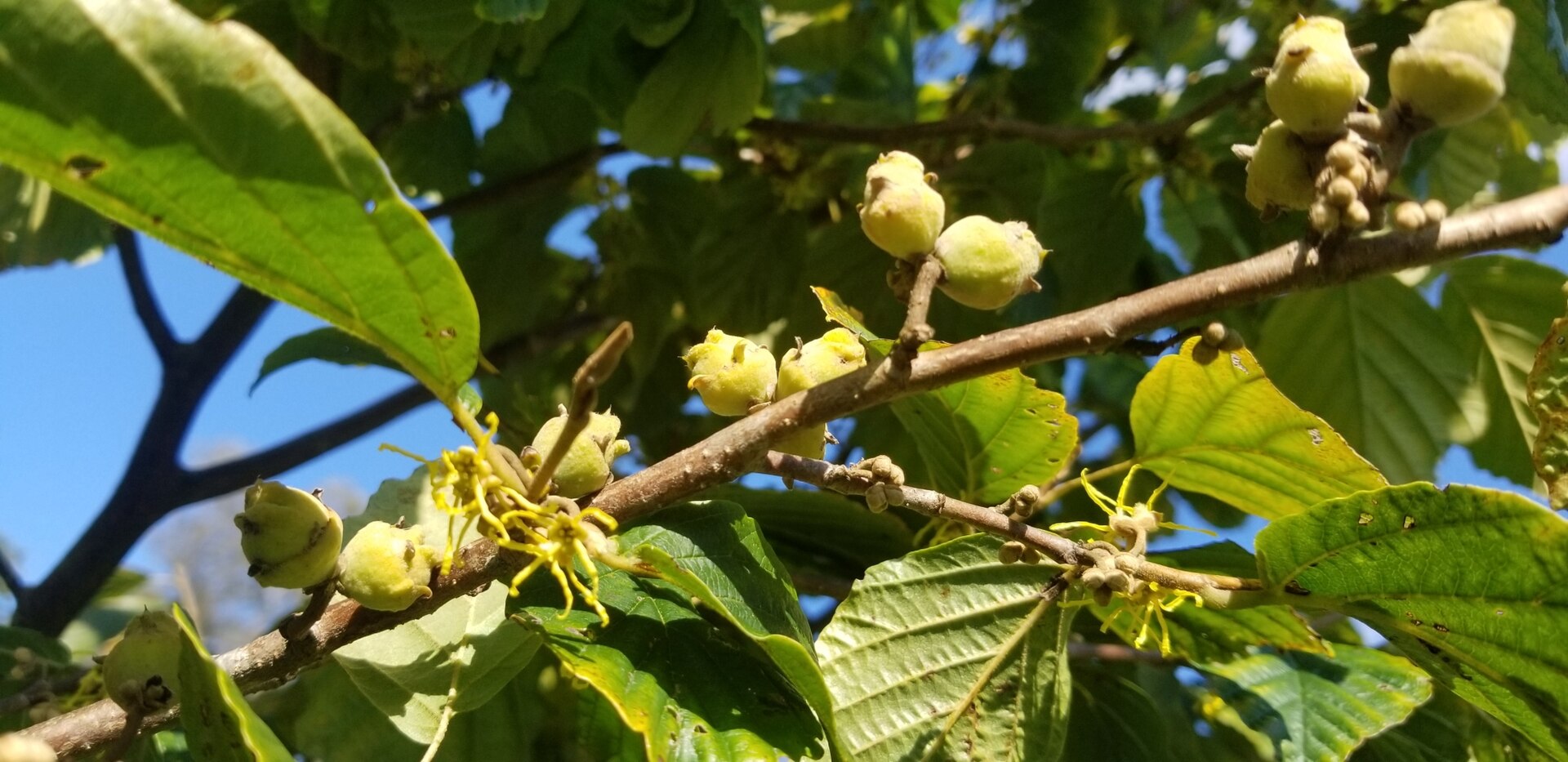
Witch Hazel (Hamamelis virginiana)

Witch hazel, native to eastern North America, wows with yellow, orange, and red leaves in autumn and blooms fragrant ribbon‑like flowers in winter. It’s well‑mannered in woodland gardens, and its dense branching provides roosting sites for small bats and overwintering ladybugs seeking crevices!
The winter flowers are a delightful bonus, but in fall, the foliage alone turns wooded corners into glowing retreats. I often catch a flicker of movement as a bat or insect emerges from its shelter at dusk—nature’s after‑party in my garden.
Viburnum nudum (Possumhaw)

Native to wetland edges of eastern North America, possumhaw viburnum sports burgundy and purple‑red leaves, followed by bright berries that persist into winter. It doesn’t escape cultivation readily, and the berry clusters supply winter foraging for cedar waxwings and mockers!
Watching those sleek birds flock together to pluck berries off the stems is a delightful autumn scene, and knowing the shrub’s foliage shifts through multiple hues only adds to its seasonal charm.
New England Aster (Symphyotrichum novae‑angliae)
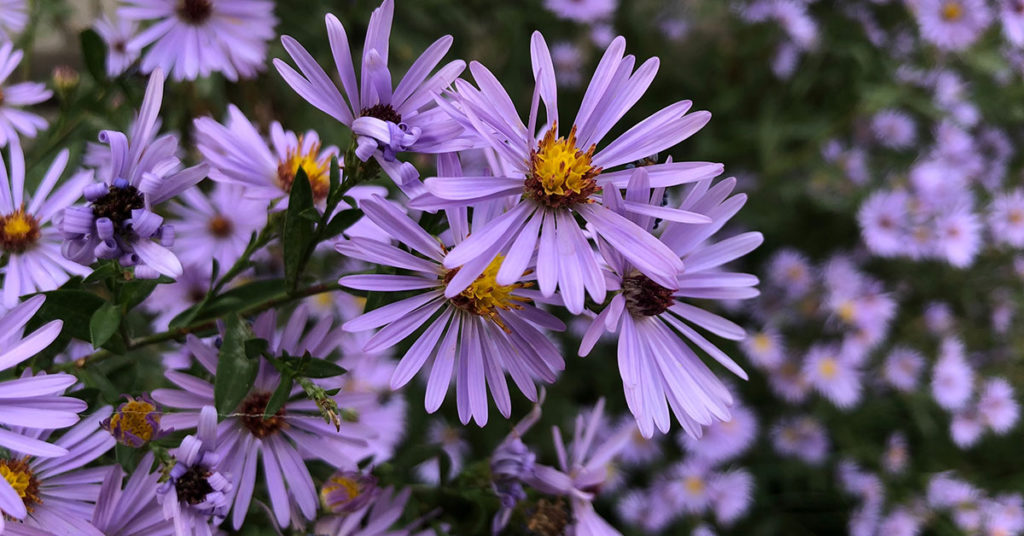
Though known for its late‑season lavender blooms, New England aster’s lance‑shaped leaves turn crimson along the stems in fall. This native wildflower isn’t invasive and provides both nectar for migrating monarchs and sheltered spots for native bees to nest underground in the leaf litter.
I cherish that moment when a migrating butterfly pauses on a bright purple flower, wings folding and unfolding, signaling that fall is in full swing. Those crimson‑tinged leaves add a subtle autumn tone beneath the blooms.
Toad Lily (Tricyrtis hirta)
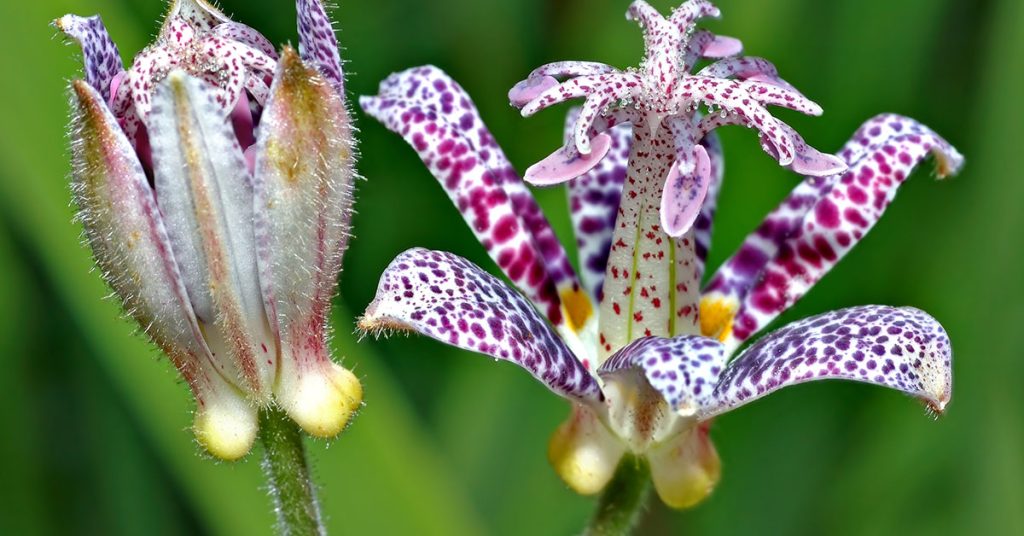
Tricyrtis hirta, native to East Asian woodlands, unfurls arching stems of spotted flowers in late season before its leaves blush warm ochre and bronze. Non‑invasive and shade‑loving, it offers discreet roosting nooks for small ladybird beetles and hoverflies among the foliage.
I tucked toad lilies under a maple tree, and come October, their exotic blooms contrasted gorgeously with turning leaves above. Even after bloom ends, the shifting leaf color maintains visual interest and wildlife habitat.