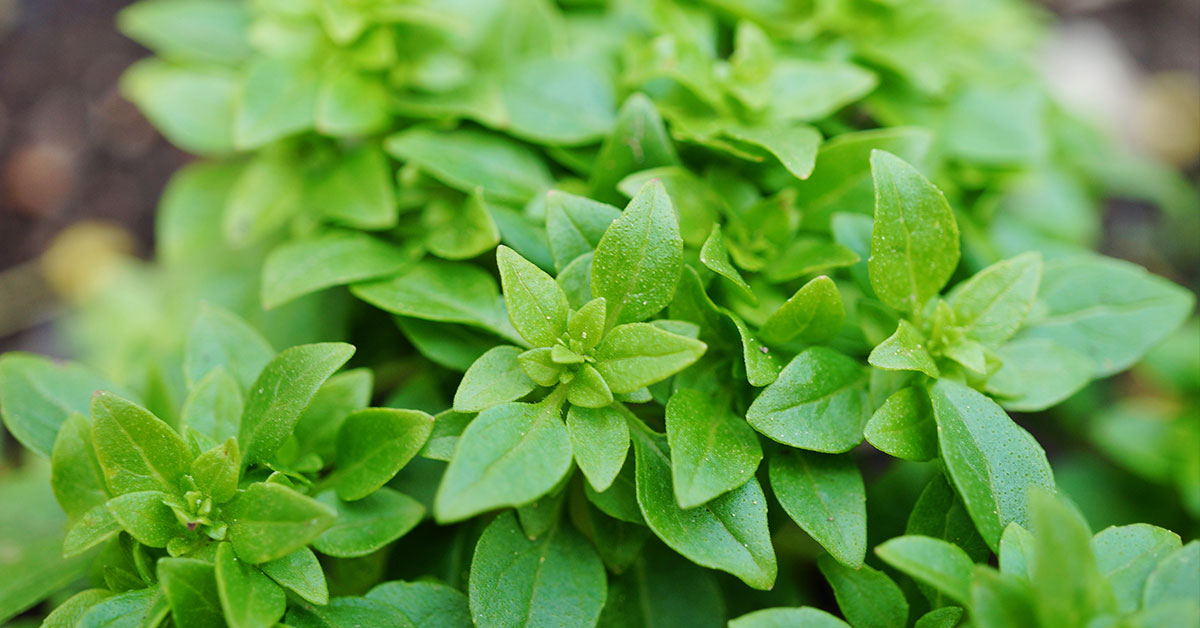

I know how heartbreaking it is to watch your lush basil patch slow down as summer wanes—especially when you’ve been dreaming of fresh pesto and Caprese salads all season long! Basil (Ocimum basilicum), native to tropical Asia (particularly India), thrives in warm weather and rarely becomes invasive in home gardens. As days shorten and temperatures dip, your basil needs a few extra nudges to keep producing those glossy, fragrant leaves you love.
By adopting a handful of targeted strategies—ranging from smart pruning to soil tweaks and even companion planting—you’ll maximize leaf growth, flavor, and harvests well into autumn. I’ve tested each of these eleven tips in my own kitchen garden, and I can’t wait to share the steps that will have you snipping handfuls of basil leaves even as the first frosts loom!
Pinch Off Flower Buds Immediately

When basil sets flower buds, it signals a shift from leaf production to seed creation—meaning fewer leaves on your stems. Scan your plants regularly and pinch off any emerging flower clusters at the stem joints. This redirect’s the plant’s energy back into leaf growth, giving you a bushier, more productive basil!
One of my favorite basil‑care rituals in late summer is that satisfying “pop” of removing a bud. Not only does it encourage fuller foliage, but it also delays bolting so you can harvest flavorful leaves for weeks longer. Plus, those nipped flower tips make tasty additions to salads if you ever crave that mild floral note!
Harvest in the Cool of Morning

Basil’s essential oils—the compounds responsible for its aroma and flavor—are most concentrated in the cooler hours before sunrise. By harvesting in early morning when leaves are firm and dew‑kissed, you capture maximum fragrance and taste. I know how frustrating it is to taste dull basil, so this small shift makes a big difference!
Carefully snip just above a set of leaves or leaf node to encourage two stems to sprout below the cut. This not only ensures continuous harvests but also creates a fuller plant structure. I love standing in my garden with scissors at dawn, breathing in that peppermint‑sweet aroma as I gather leaves for a fresh batch of pesto.
Succession Harvesting for Continuous Growth
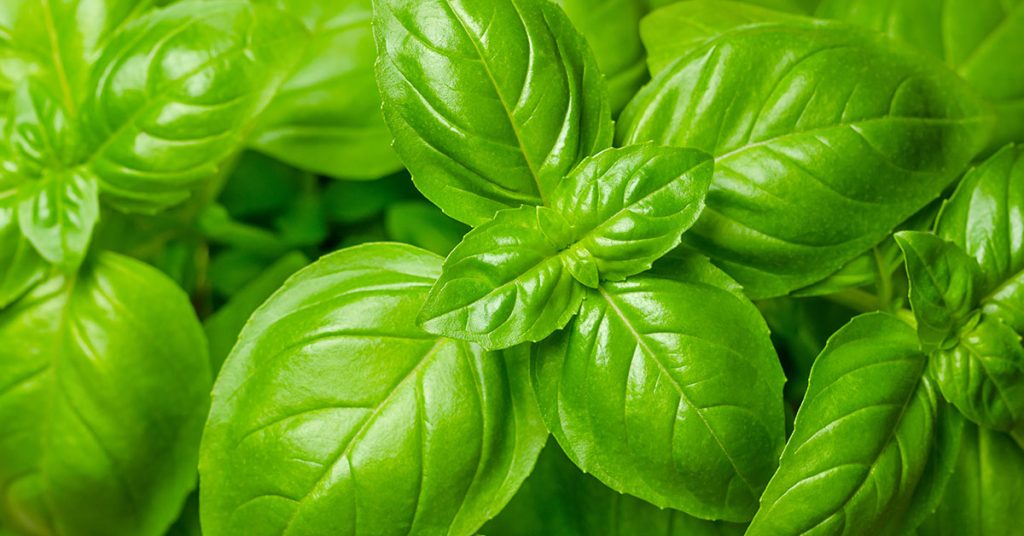
Instead of stripping every leaf off one plant at once, rotate your harvest across different stems or individual plants. Take only the top two-thirds of each stem, leaving lower leaves intact to continue photosynthesis and new growth. This approach keeps your basil patch looking vibrant all season!
It’s such a treat to watch neglected tips unfurl into fresh sprigs overnight—almost like magic! Succession harvesting also reduces stress on the plant, preventing shock that can lead to bolting or yellowing leaves.
Feed with Organic Nutrients
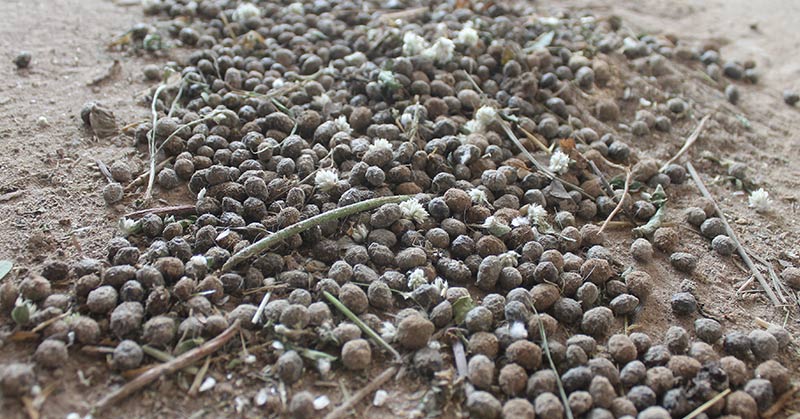
By August, soil nutrients can be depleted from continuous summer growth. Apply a side‑dressing of well‑aged compost or a balanced organic fertilizer (such as a 5‑5‑5 blend) every four weeks to replenish nitrogen, phosphorus, and potassium. Adequate nutrition is key for lush foliage and robust flavor!
One of my go‑to feeds is a compost tea made from worm castings and kelp meal—plants seem to soak it up instantly. I’ve noticed that well‑fed basil doesn’t wilt as quickly on hot afternoons and rewards me with larger, glossier leaves two weeks post‑feeding.
Provide Consistent Moisture
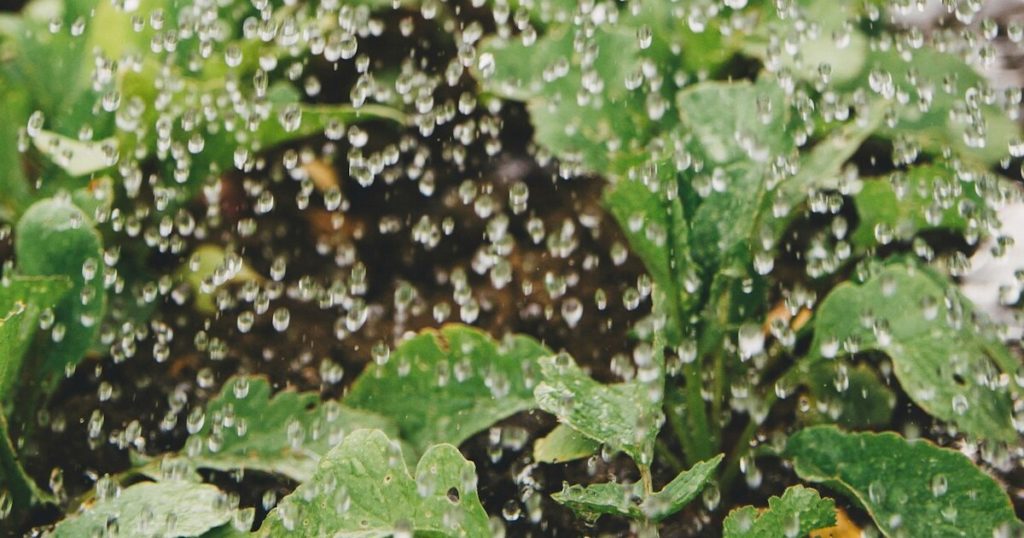
Basil thrives in evenly moist soil but dislikes waterlogging. In August’s heat, I install a soaker hose on a timer, delivering about an inch of water per week directly to the root zone. This prevents surface crusting and encourages deep root systems, so your basil weathers early fall chills more gracefully!
I know how frustrating it is when overhead watering splashes soil onto leaves and invites fungal issues. Drip irrigation keeps foliage dry, cutting down on leaf spot diseases. Plus, that steady moisture supports continuous leaf production rather than sporadic spurts.
Apply Mulch to Retain Soil Heat
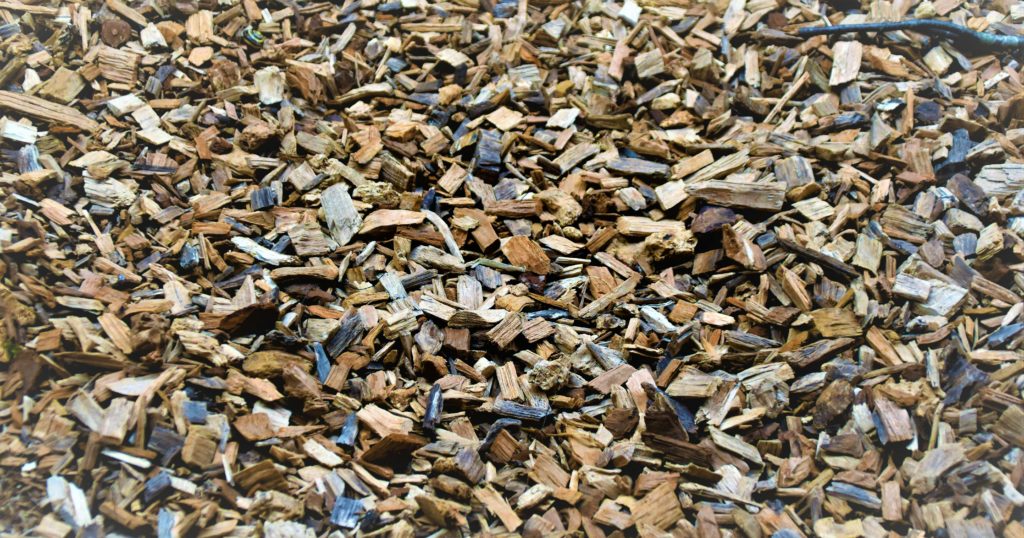
While basil loves warmth, soil can cool quickly at night as autumn approaches. A thin layer of organic mulch—such as straw or shredded leaves—around the base helps trap heat and suppress weeds. This creates a microclimate at the roots that mimics the tropical forest floor where basil’s wild relatives once thrived!
I often use chopped oak leaves from my yard; they slowly break down, feeding the soil and keeping it cozy. The mulch also deters soil‑borne pests from splashing onto leaves during watering, so you end up with cleaner, healthier plants.
Introduce Beneficial Insects
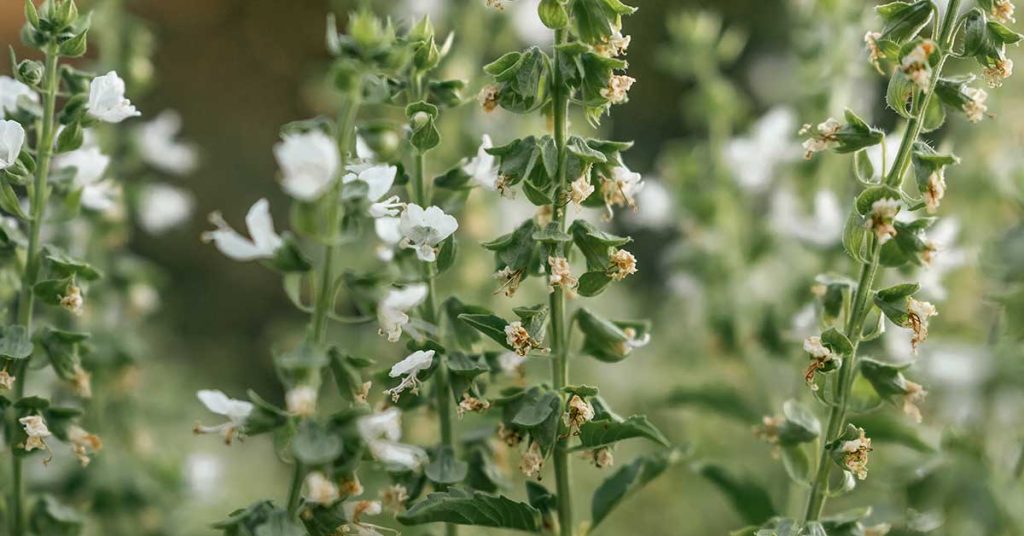
Basil flowers—if you allow a few to open—attract native bees and hoverflies that also prey on aphids, whiteflies, and other sap‑sucking pests. While too many blooms can reduce leaf yield, allowing a handful can foster a mini‑ecosystem of beneficial insects nesting nearby in ground crevices or hollow stems.
One season, I let a mere 10% of my basil plants flower, and soon little syrphid fly larvae were patrolling the foliage, gobbling up aphids. It’s such a thrill to see nature’s pest control at work—plus, the adult hoverflies pollinate any nearby late‑blooming flowers in my garden!
Start Cuttings for Indoor Overwintering
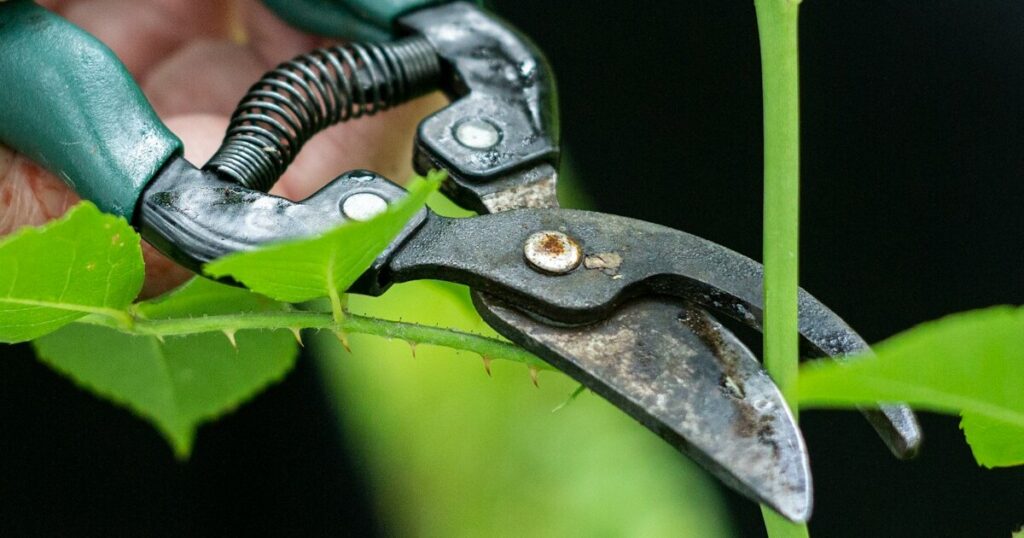
As cooler nights loom, take 4–6‑inch cuttings from healthy basil stems and root them in a glass of water indoors. Once roots appear, transplant into small pots and place near a sunny window. This ensures you’ll have herbaceous greens even when frost silences the outdoor patch!
I love labeling my basil babies by variety—Genovese, lemon, and Thai—and watching them grow on my kitchen sill. Their lush leaves and scent brighten dreary winter days, making January pesto a reality rather than a distant dream.
Practice Companion Planting

Basil repels pests like tomato hornworms and thrips, making it an ideal companion for tomatoes, peppers, and eggplants. Interplanting basil among these veggies in August can reduce pest pressure and boost yield for both. Just be careful to leave enough space—basil needs good airflow to prevent mildew!
I arranged basil between my late‑summer tomato rows, and not only did tomato fruit ripen beautifully, but I also spotted fewer hornworm casualties. Plus, the combination of red tomatoes and bright green basil is a feast for the eyes as much as it is for the table.
Plan for Fresh and Dried Storage
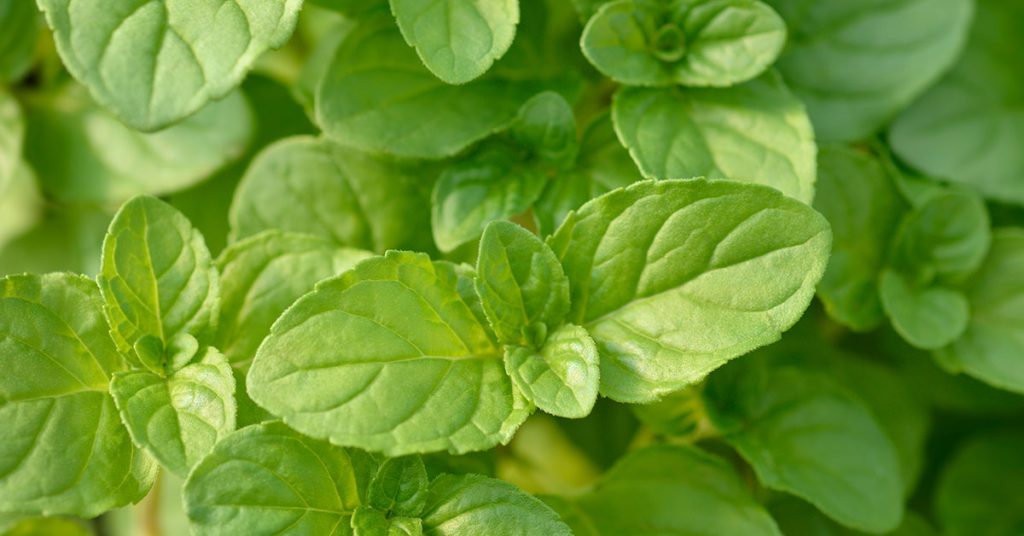
To get the most out of your late‑season bounty, think beyond immediate meals. Harvest extra basil and create pesto to freeze in ice‑cube trays—perfect single‑serve portions for winter cooking. Alternatively, bundle small bunches and hang them upside down in a cool, dark place to dry.
I keep glass jars of dried basil for soups and stews when fresh herbs are scarce. There’s something so satisfying about opening a jar in February and inhaling that sweet, peppery aroma—proof that your August efforts paid off all winter long!