
I know how tempting it is to wind down your summer garden, but late summer is actually prime time for sowing and transplanting annuals that shine in cooler weather. By adding resilient, bloom‑packed plants now, you’ll extend color into autumn and give pollinators and migrating birds fresh feeding grounds. These annuals come from all over the globe—some native to Europe, others hailing from South America or Africa—but none are notably invasive in typical garden settings, and each brings unique textures, hues, and wildlife benefits!
In this guide, I’m thrilled to share fifteen standout annuals that thrive when planted in August. I’ve tested them in my own beds, and they’ve rewarded me with riotous blooms, gentle nesting perches for small insects, and charmed visits from finches feasting on spent seedheads. Let’s explore these autumn‑loving beauties and transform your fall garden into a vibrant haven!
Sweet Alyssum (Lobularia maritima)
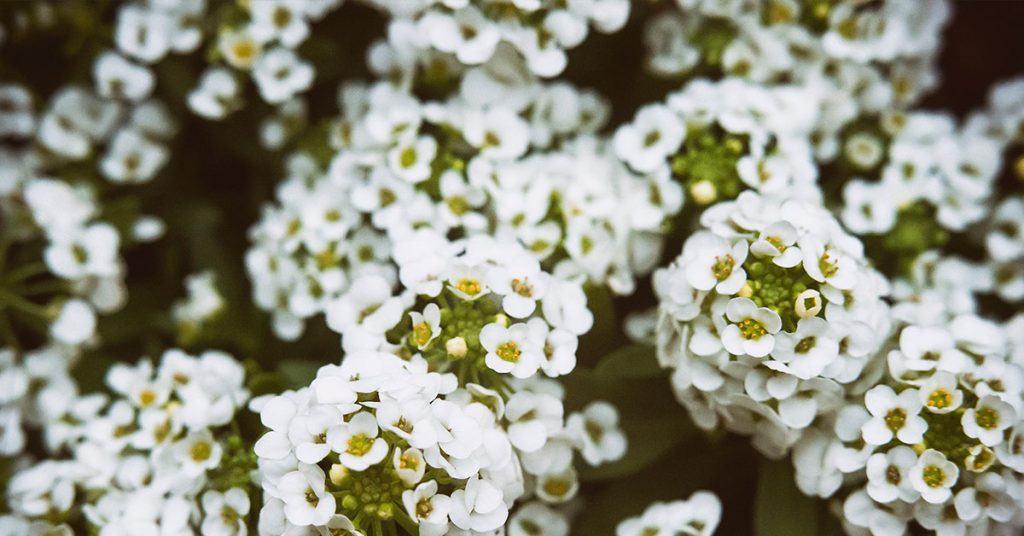
Sweet alyssum, native to the Mediterranean region, forms low mats of tiny white, pink, or purple flowers that perfume the air on crisp fall mornings. These non‑invasive annuals self‑sow sparingly, creating a delicate carpet that suppresses weeds while attracting beneficial insects. Their sweet fragrance not only delights you but also lures hoverflies and predatory wasps that patrol your garden for pests!
One of my favorite August tasks is sprinkling alyssum seeds around the edges of my borders. By September, I’m greeted by a soft, billowy bloom that bees adore. The dense clusters provide resting spots for small native bees and even occasional nesting sites in sheltered crevices. Plus, alyssum’s frost tolerance means it keeps blooming well into the first frosts.
Violas (Viola × wittrockiana)
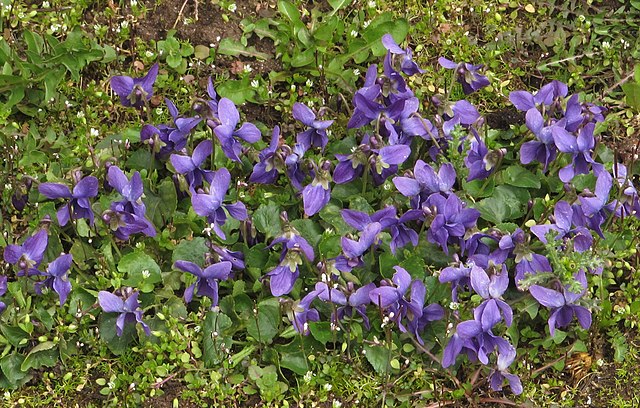
Violas, the smaller cousins of pansies, originate from Europe and have become garden staples worldwide. They aren’t considered invasive, yet they bloom profusely in cooler temperatures, offering cheerful faces in shades of violet, yellow, and white. These hardy annuals tolerate light frosts, making them perfect for autumn borders and containers!
I love tucking violas under taller perennials for a layered look that hummingbirds sometimes hover over, mistaking them for nectar sources. Though they don’t produce nectar, their low growth allows ground‑foraging insects like springtails and tiny beetles to shelter and feed on decaying blooms, supporting a balanced ecosystem.
Snapdragons (Antirrhinum majus)
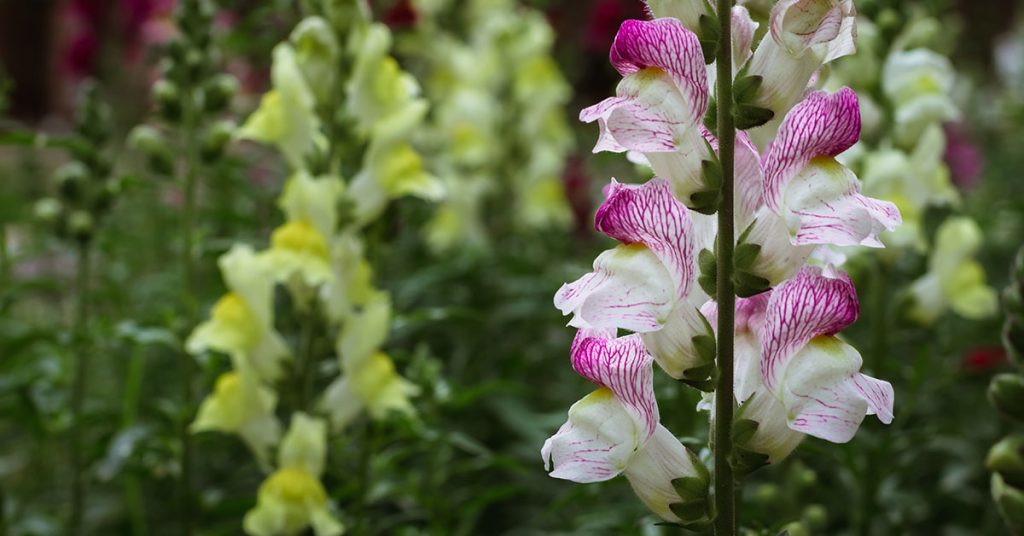
Native to the Mediterranean, snapdragons are beloved for their tall spikes of helmet‑shaped flowers in vibrant reds, pinks, and yellows. They’re non‑invasive but can self‑seed lightly in well‑drained soil, giving casual gardeners a bonus pop of spring color if seeds germinate. Their tubular blossoms are irresistible to bumblebees, which force open the “jaws” to access pollen and nectar!
Planting snapdragons in August sets the stage for fall blooming. I’ve watched bumblebees squeeze into each little bloom, their fuzzy bodies dusted with pollen. The sturdy flower spikes also double as perches for small butterflies, creating charming fluttering displays in cooler, crisper air.
Ornamental Kale (Brassica oleracea var. acephala)

Ornamental kale and cabbage, originally from coastal Europe, bring striking rosettes of purple, pink, and cream to fall beds. While they won’t take over your garden, they can self‑seed if you let them go to flower, so deadheading spent blooms helps maintain tidy displays. These cool‑weather lovers intensify their colors after a chill, making them autumn stars!
One August, I transplanted a mix of purple and white kale along my walkway, and by late October, their ruffled leaves looked like living bouquets. Small hoverflies often visit their blooms if left to flower briefly, and once petals fade, many tiny beetles shelter in the thick foliage, adding another layer of garden life.
Celosia (Celosia cristata)

Celosia, commonly called cockscomb, is native to tropical Africa and Asia, and its crested flower heads resemble velvety brain‑like structures in reds, oranges, and yellows. These annuals aren’t invasive, but they demand good drainage and full sun. Hummingbirds and butterflies are drawn to their plume‑like blooms, where they sip nectar tucked deep among the folds!
I love how celosia’s bold shapes create architectural interest when the light fades early in fall. Planting starts in August to ensure robust growth before cooler nights. As the season progresses, migrating monarchs pause for a last taste of nectar, while small wild bees nestle into the sturdy flower spikes.
Calendula (Calendula officinalis)

Calendula, native to southern Europe, is prized for its sunny blooms in shades of gold, orange, and cream. It self‑sows gently without overtaking beds, offering a cascade of petals from late summer through fall. Beyond its ornamental value, calendula petals attract hoverflies, lacewings, and ladybugs—heroes in natural pest control!
In my garden, I scatter calendula seeds in August, and by September, the borders glimmer with color. The broad petals provide easy landing platforms for solitary bees, and once the blooms fade, finches and sparrows flock to the seedheads, feasting on the tiny black seeds and giving you free bird‑friendly entertainment.
Lobelia (Lobelia erinus)
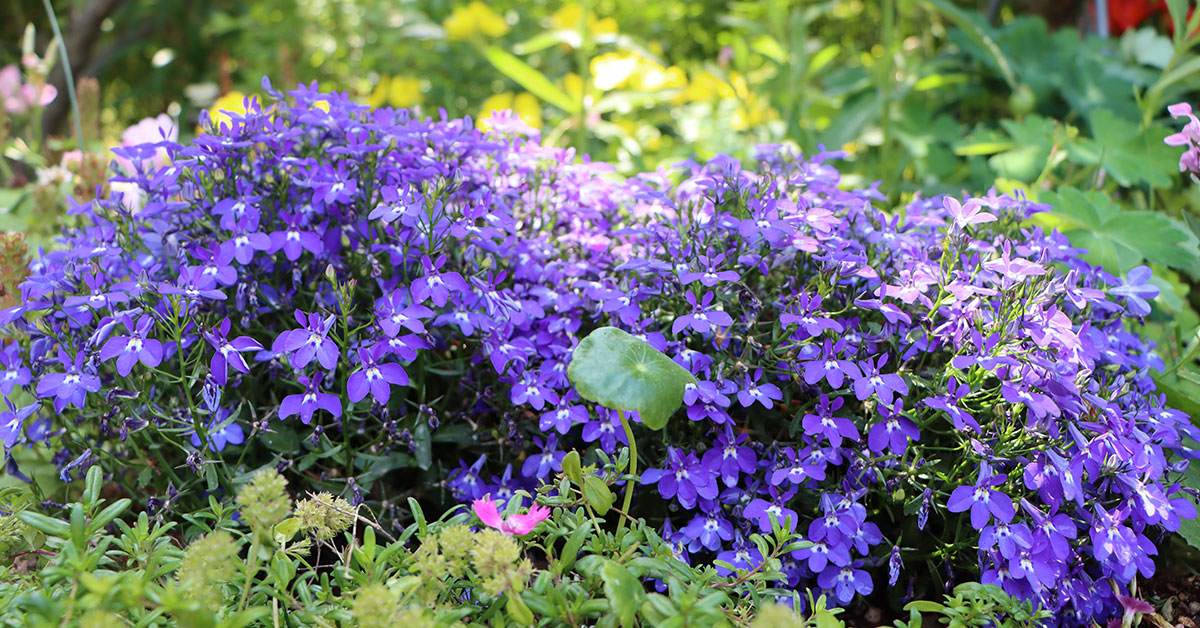
Lobelia erinus, native to southern Africa, thrives in cooler temperatures despite its tropical roots. Non‑invasive and perfect for edging, trailing, or containers, it produces masses of petite blue, white, or pink flowers that hummingbirds occasionally visit when other nectar sources dwindle. The dense growth also shelters tiny beneficial insects!
One of my favorite planter combos is trailing lobelia cascading over the edge of a window box. As fall sets in, the blossoms continue unfurling, and I often spot small native bees foraging for pollen among the clusters. Its tolerance for moderate frost makes it a standout annual for extending fall interest.
Marigolds (Tagetes spp.)

Marigolds, hailing from Mexico and Central America, are known for their golden and maroon blooms and pest‑deterring scent. They’re non‑invasive but spread easily by seed if you let pods dry on the plant. Their bright flowers attract hoverflies and butterflies, while the pungent foliage repels nematodes and some garden pests!
I always include French and African marigolds in my late summer planting, mixing colors to create lively drifts. Insects flock to their nectar, and I’ve seen small crab spiders ambush prey among the petals—nature’s own pest patrol at work in my fall garden.
Bacopa (Sutera cordata)
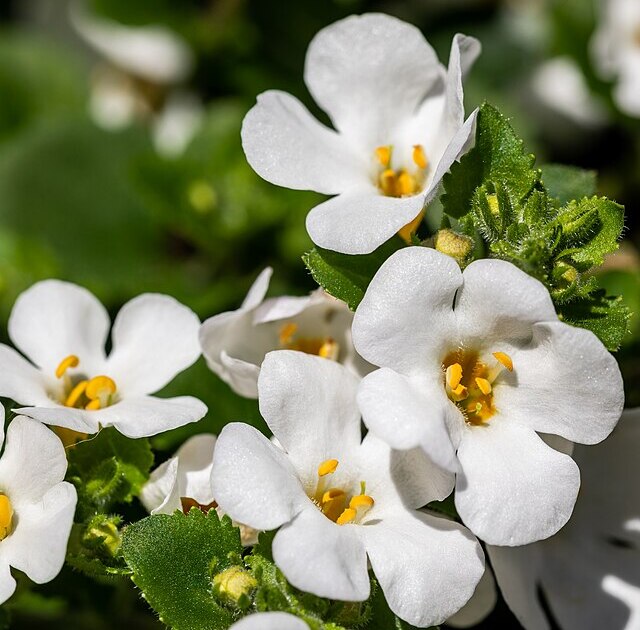
Native to South Africa, bacopa forms lush mats of green foliage dotted with delicate white, pink, or lavender flowers. It’s non‑invasive and thrives in shaded or partially shaded areas where many annuals falter in late summer heat. Pollinators like small bees and hoverflies frequent its blooms, which last until the first hard freeze!
I love filling hanging baskets with bacopa in August; the gentle cascade softens hard edges and stays lush as day lengths shorten. Its compact flowers provide frequent feeding stops for tiny syrphid flies, which patrol for aphids and keep my garden balanced.
Petunias (Petunia × atkinsiana)
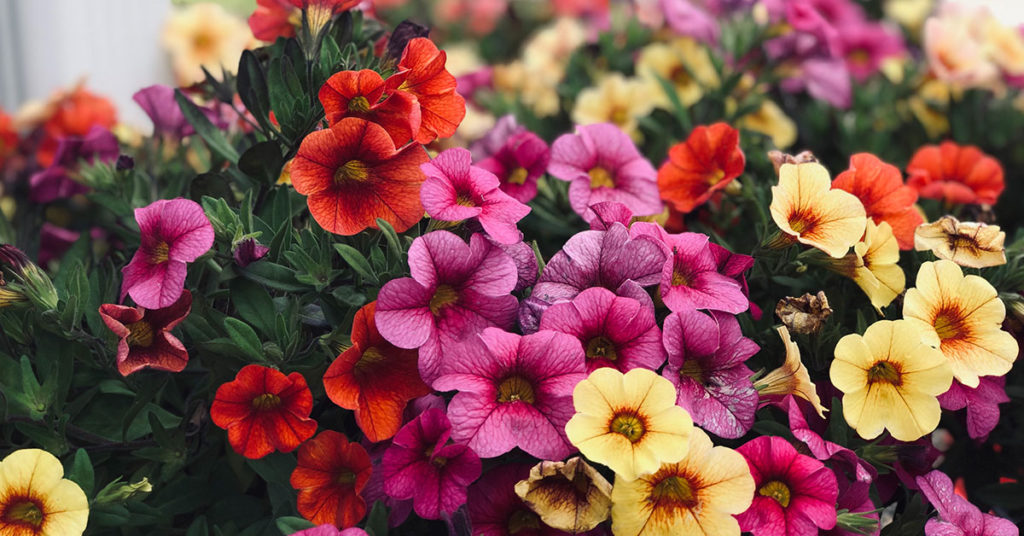
Petunias, native to South America, remain garden favorites for their trumpet‑shaped blooms in nearly every color imaginable. While they can reseed in mild climates, they’re generally easy to manage. Petunia flowers lure hummingbirds and butterflies when other feeders dwindle, and their long bloom period stretches into cool autumn days!
Planting seedlings in August keeps the petunia display vibrant when summer annuals fade. I’ve been thrilled to see hummingbirds hover over deep‑purple varieties, pausing in midair to sip sweet nectar. Deadheading spent blooms regularly encourages new blossoms, extending the show well into October.
Nemesia (Nemesia strumosa)

Nemesia, a South African native, lights up fall with fragrant two‑toned blooms in pink, purple, and yellow. It’s non‑invasive and thrives in cooler weather, making it an excellent choice for containers and garden edges. Bees and small butterflies flock to its nectar‑rich flowers, which perfume gardens with a subtle, sweet scent!
In my experience, sowing nemesia transplants in August leads to nonstop flowering through autumn. Watching bumblebees and tiny sweat bees work each blossom is a daily delight, and the soft pastel hues blend beautifully with ornamental grasses and autumn foliage.
Ornamental Peppers (Capsicum annuum)
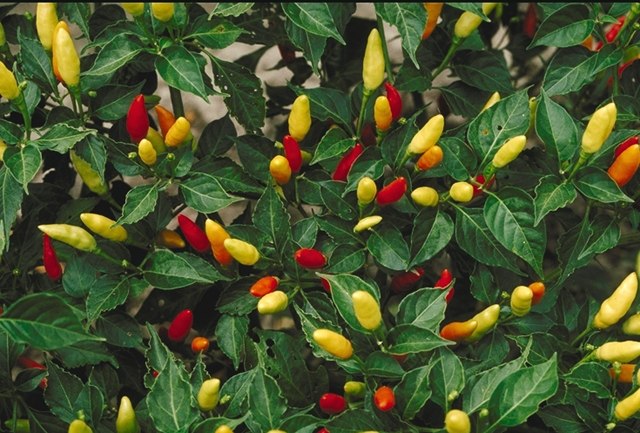
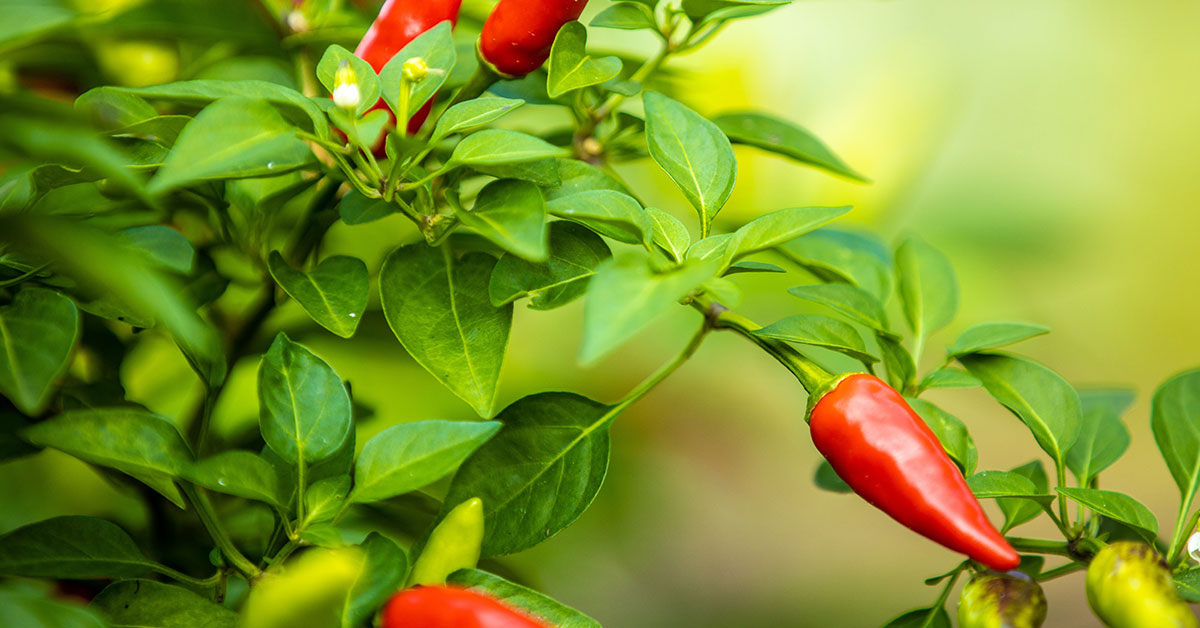
Ornamental peppers, native to Central and South America, offer pods in fiery reds, oranges, and purples that persist long after blooms fade. They’re non‑invasive but can self‑seed if you save and sow seeds. Though not a nectar source, their bright fruit attracts finches and sparrows that peck at the seeds—adding a splash of wildlife activity to your fall display!
I adore how ornamental peppers bring both color and texture to containers when planted with dusty miller or creeping sedum. As birds nibble the tiny seeds, they sometimes drop bits onto the soil surface, where ground beetles and ants find unexpected treats—another small layer of garden synergy!
Dusty Miller (Jacobaea maritima)

Dusty miller, native to the Mediterranean, boasts silvery foliage that offsets autumn blooms beautifully. While technically a tender perennial, it’s treated as an annual in cooler zones and doesn’t spread beyond its planting ring. Though it lacks showy flowers, its leaves reflect light and provide sheltered microclimates where small insects and spiders find refuge.
Pairing dusty miller with chrysanthemums or zinnias creates a high‑contrast palette that brightens gray days. I often tuck it into late August plantings to add structure; come October, I still find tiny ladybugs sheltering beneath its lace‑like leaves, ready to emerge and patrol for pests.