

I know how thrilling it is to watch the last of the summer warblers flit through your garden, but it’s such a bittersweet moment when you realize migration is just around the corner! Fall brings cooler temperatures, shorter days, and an urgent search for food and shelter. By giving backyard birds a helping hand now, you can turn your garden into a vital pit stop for both resident and migratory species.
In this article, I’m excited to share ten simple yet powerful strategies—rooted in native plants, wildlife‑friendly structures, and habitat care—that will provide birds with the resources they need to thrive through autumn and beyond. From offering tasty treats to creating cozy roosting spots, these practical steps will keep feathers fluffed and spirits high as the seasons change!
Provide Fresh, Accessible Water
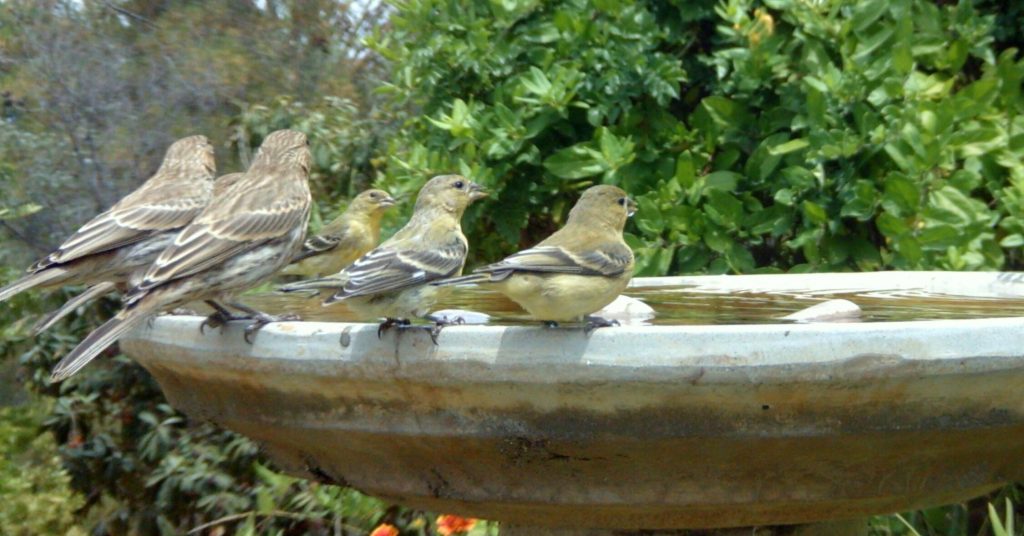
As temperatures dip, natural water sources can freeze or dry up overnight. A heated bird bath or shallow dish topped up daily ensures birds can drink and bathe, essential for preening and maintaining feather condition before migration. I’ve seen hummingbirds and orioles splash about even in September—watching their wings glisten in droplets is pure garden magic!
By placing water near perches and shrubs, you offer a safe landing zone and quick escape routes from predators. Choose a heated model rated for outdoor use, or simply float a ping‑pong ball in the basin to keep ice from forming. Your feathered friends will thank you with extra visits!
Clean and Maintain Feeders Regularly
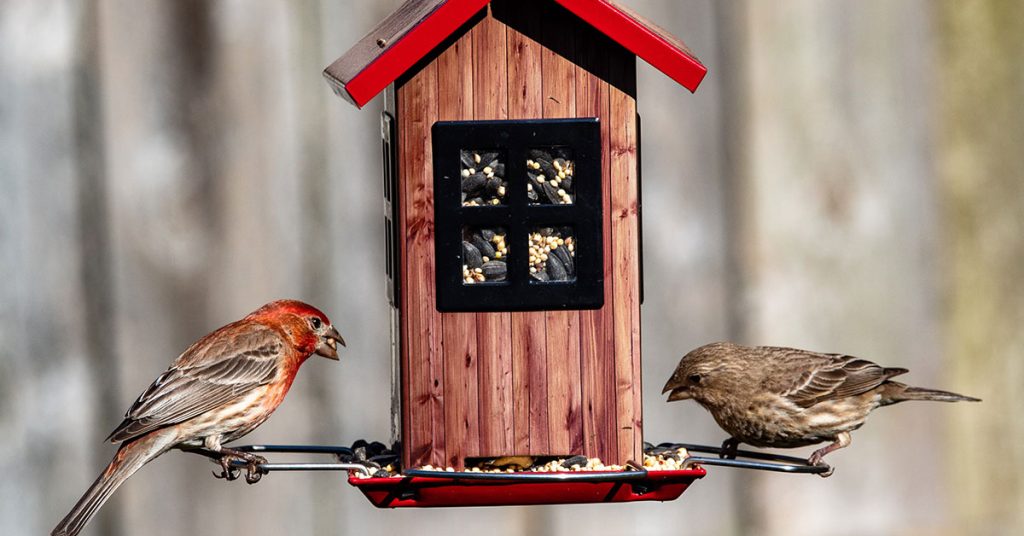
It’s such a bummer when birds flock to dirty feeders only to find moldy seeds or clogged ports. Come August, give all feeders a thorough scrub with a mild bleach solution, rinse well, and let them dry completely before refilling with fresh seed. This simple practice helps prevent the spread of diseases like salmonella and ensures high feeder traffic stays healthy!
I love watching chickadees and finches dart in for sunflower hearts—knowing they’re dining safely makes the experience ten times better. Rotate feeder styles (tube, hopper, platform) to cater to different species’ preferences, and be sure to replenish seed before emptying to avoid long waiting periods.
Leave Seed Heads on Native Flowers
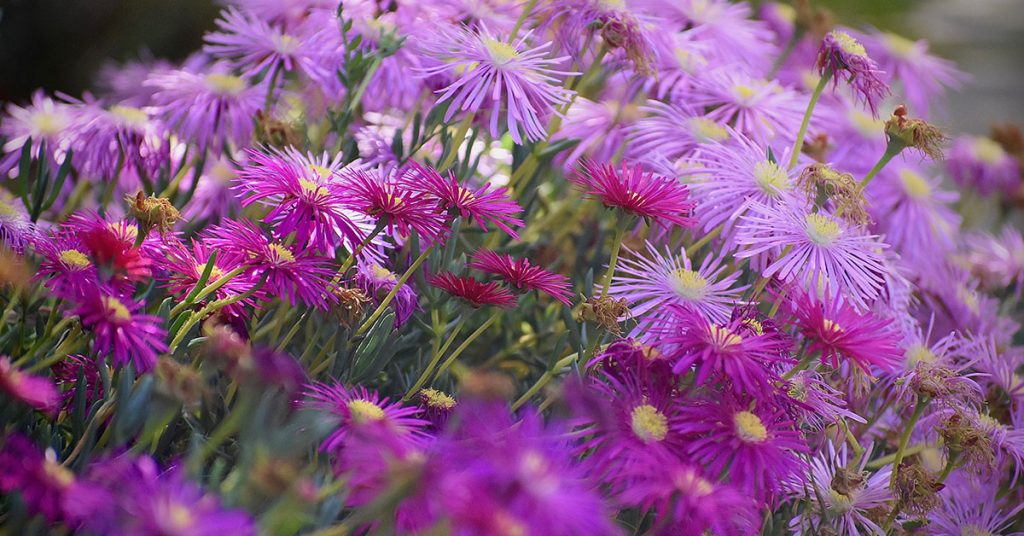
Flower heads from native asters (Aster spp.) and coneflowers (Echinacea purpurea) become natural bird feeders once their petals fade. These North American natives aren’t invasive and provide communities of seeds that sparrows, cardinals, and goldfinches adore. Instead of cutting everything back in late summer, leave stems standing to form vertical snack stations!
I always pause with my pruners when I see bright seed heads catching the afternoon sun—it’s like Mother Nature’s buffet. Birds cling and peck away, and you’ll get the added joy of spotting their acrobatic feeding behaviors right in your flowerbeds.
Plant Native Berry‑Producing Shrubs
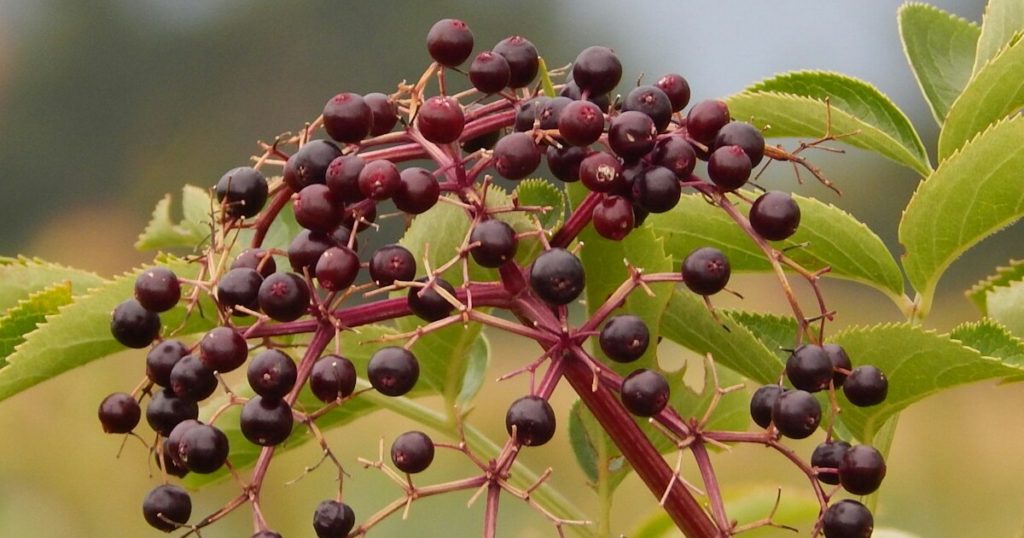
Shrubs like serviceberry (Amelanchier spp.) and elderberry (Sambucus canadensis) yield clusters of nutritious berries in late summer and early fall. Both are native to much of North America and non‑invasive when properly managed, offering food and shelter for thrushes, waxwings, and sparrows. One of my favorite garden design tricks is grouping these shrubs to create bustling berry stations!
As birds feast, they also help disperse seeds, fostering new growth around your yard. Prune sparingly after berry drop to maintain healthy structure and repeat bloom cycles. You’ll love hearing the chatter as flocks descend to sample the harvest!
Create Brush Piles and Leaf Litter

A neat garden might look pretty, but piles of branches, twigs, and fallen leaves are gold for foraging birds like wrens and juncos. These native insectivores scratch through leaf litter hunting spiders, beetles, and larvae—protein‑rich snacks they need for energy. Piling brush in a sheltered corner creates both food sources and daytime roosting spots.
I know how frustrating it is to keep leaves raked, but setting aside a small patch shows a wild‑at‑heart approach that birds love! It’s delightful to peek through shrubs and spot a brown creeper hopping amid the debris, searching for hidden morsels.
Offer High‑Energy Foods
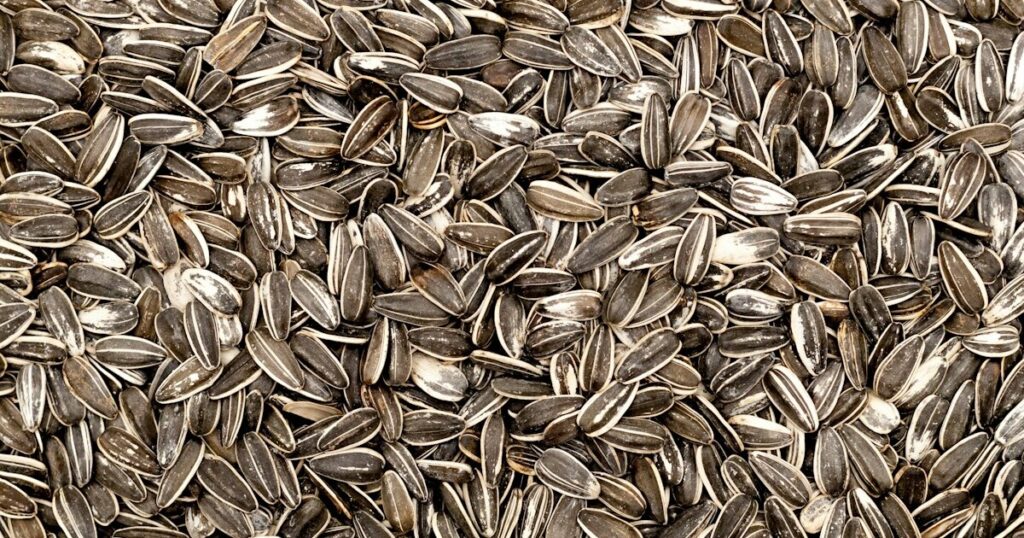
As days shorten, birds need extra calories to fuel migration and winter preparedness. Black oil sunflower seeds are a superstar choice—high in fat and easy for small beaks to crack. Suet cakes (bacon‑free, of course!) blended with peanuts and berries are another tasty option, attracting woodpeckers, nuthatches, and flickers.
Scatter some seed on platform feeders or tie suet in mesh bags from sturdy branches. One afternoon, I watched a mixed flock—titmice, chickadees, and even a curious woodpecker—all jostle for their share of suet. It’s pure backyard theatre!
Install Roosting Boxes and Shelters
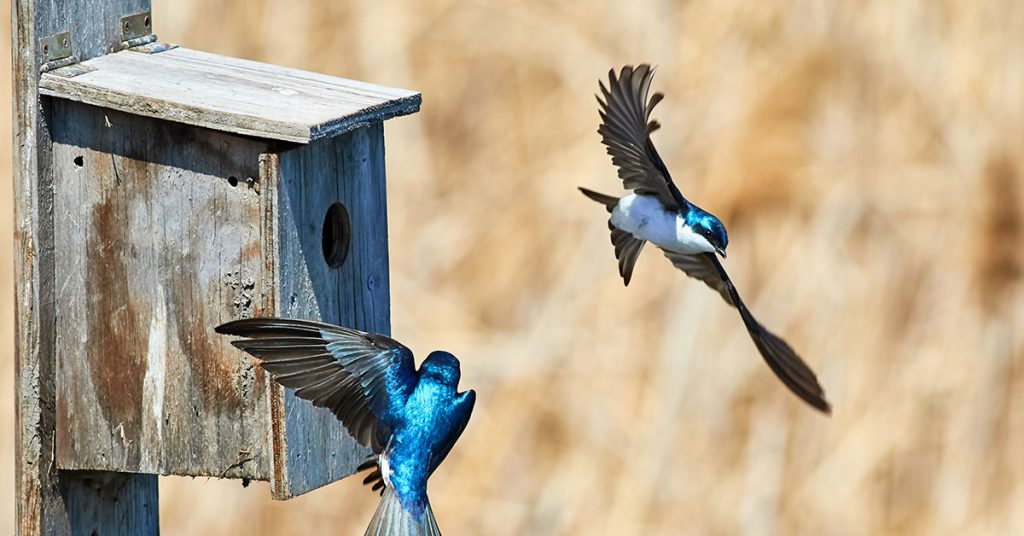
Beyond nesting, birds need snug spots to rest and conserve energy on crisp nights. Roost boxes—smaller than standard nest boxes—provide enclosed cavities with ventilation, perfect for chickadees and wrens. Alternatively, dense evergreen shrubs like juniper create natural shelter without invasive risk.
I once caught a bluebird slipping into a dedicated roost box as dusk fell—its puffed‑up feathers peeking from the entrance. These cozy retreats can mean the difference between a bird surviving a cold snap or losing precious warmth.
Grow Late‑Blooming Nectar Plants
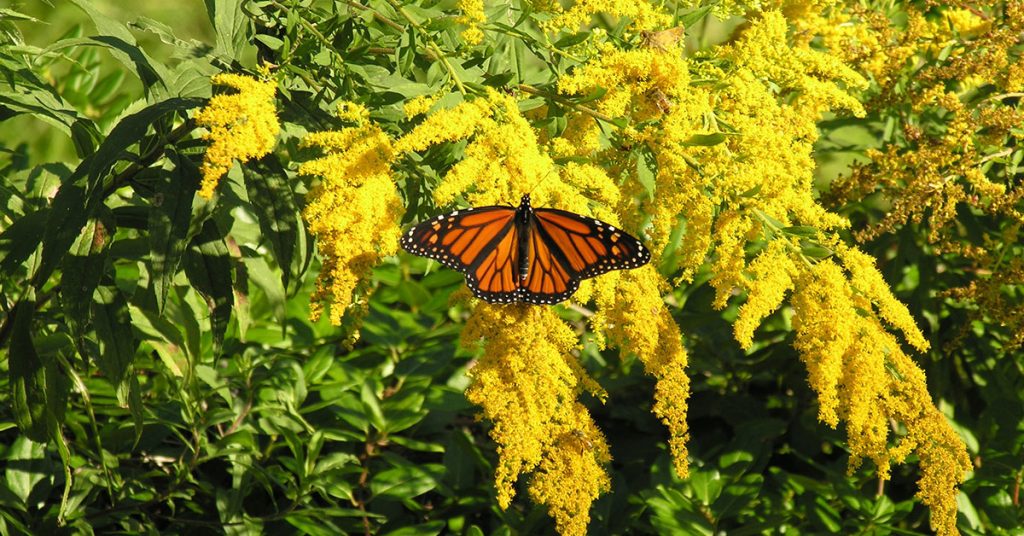
Even into September, native asters and goldenrod (Solidago spp.) from North America support insect populations like bees and butterflies—and those insects, in turn, feed insectivorous birds such as warblers and flycatchers. While not direct nectar sources for birds, these plants bolster the entire food web!
Plant them in sunny borders with good air circulation to prevent mildew. I love how these swaying plumes look in the breeze—and the flurry of feeding warblers that descend is a breathtaking reward for such simple plantings.
Leave Standing Snags for Cavity‑Nesters

Dead trees or “snags” may seem unsightly, but they’re crucial habitat for woodpeckers, chickadees, and nuthatches that excavate nesting and roosting holes. If you have a hazardous limb, hire a pro to leave a lower snag section intact. This gives cavity‑nesters safe real estate without endangering property.
Watching a pileated woodpecker carve fresh holes is one of my favorite wildlife experiences! The echoing drumming and eventual nesting inside those cavities create a dynamic, living landscape right outside your window.
Reduce Pesticide Use and Encourage Insects
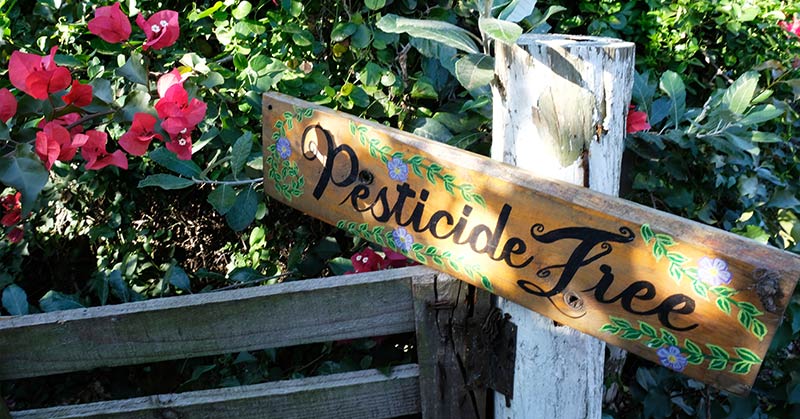
It’s such a bummer when chemical sprays wipe out not only pests but also beneficial caterpillars and beetles—key protein sources for fledglings. By adopting organic pest control (hand‑picking, neem oil, insecticidal soaps), you preserve insect populations that bright‑breasted birds will devour as they raise their young or fuel migration.
I’ve learned that a few holes in leaves are a small price to pay for a hummingbird chick thriving on caterpillars. Embracing a bit of natural mess fosters a balanced ecosystem that supports every layer of your backyard food web!