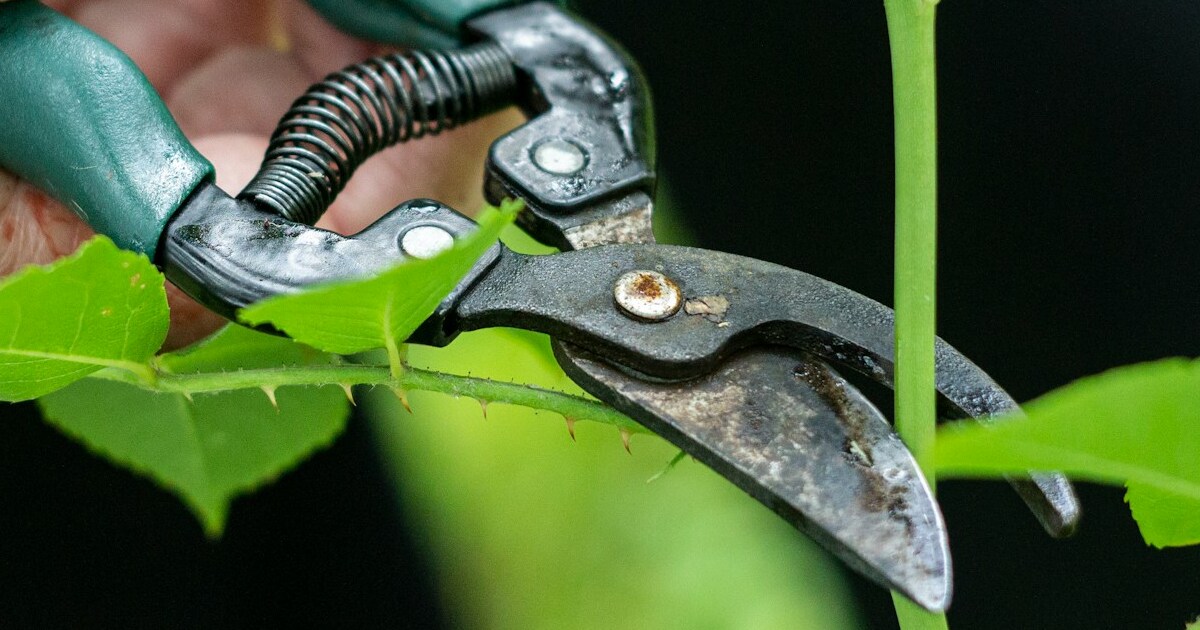

Late summer can feel like the grand finale of your garden’s show, but without timely deadheading, those vibrant petals fade into seed heads and your plants slow down. I know how frustrating it is to see wilting blossoms hang on, sucking energy that could fuel fresh blooms! Deadheading—removing spent flowers—gives your plants the signal to produce more buds, keeping your beds lush and colorful when you need them most.
Beyond just aesthetics, deadheading in August supports a healthier garden ecosystem. By cutting back spent blooms, you not only redirect nutrients to new growth but also create an environment that bees, butterflies, and beneficial insects love. Let’s explore nine compelling reasons to make deadheading a regular late‑summer ritual—and ensure your garden buzzes with life and color!
Encourages New Bud Formation

When you snip off faded flowers, your plant senses that it hasn’t set seed yet and throws energy into creating fresh blooms. This hormonal cue—common in species like Rudbeckia hirta (black‑eyed Susan), native to North America and not invasive—can double your flower count before fall. One of my favorite plants for a second flush after deadheading is your classic petunia!
Fresh clusters of blooms also continually attract pollinators. Honeybees and bumblebees buzzing among new blossoms may nest in nearby bare soil patches, so leave a small spot of undisturbed earth at the bed’s edge. This symbiosis ensures your garden stays both beautiful and teeming with life!
Prevents Energy Drain Toward Seed Production
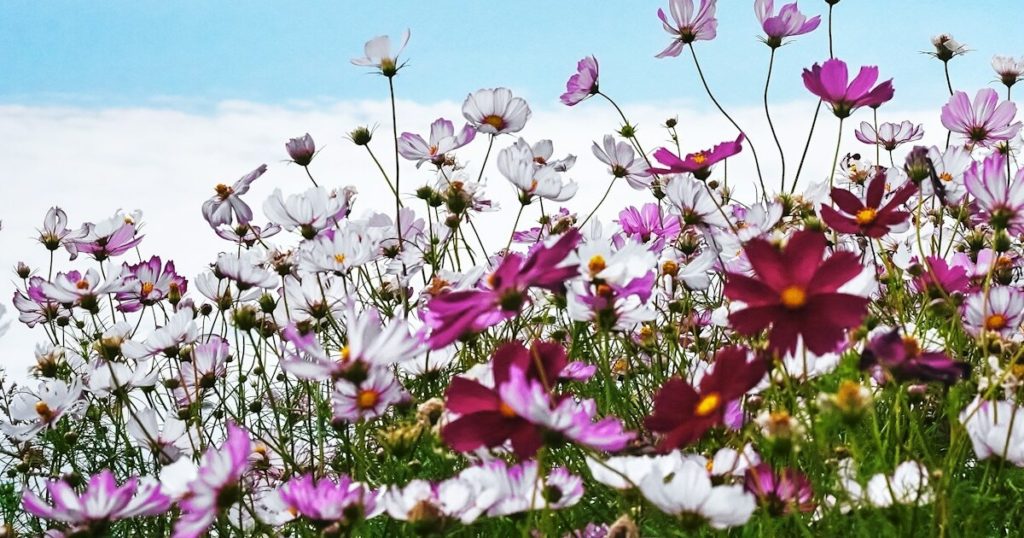
When flowers fade, plants shift resources to ripen seeds—energy that could go into petals instead. By removing spent blooms on annuals such as Cosmos bipinnatus (native to Mexico and non‑invasive), you keep the plant in “flower‑producing” mode rather than “seed‑filling” mode. I once let a zinnia patch go to seed and lost half its late‑summer show—don’t let that happen to you!
This energy redirection also benefits the root system, enhancing nutrient uptake and making plants more resilient to pests. Ground‑nesting bees, like miner bees, appreciate the lightly disturbed soil around freshly cut stems, where they dig their tunnels. Deadheading equals stronger plants and happier bees!
Prolongs the Overall Blooming Season
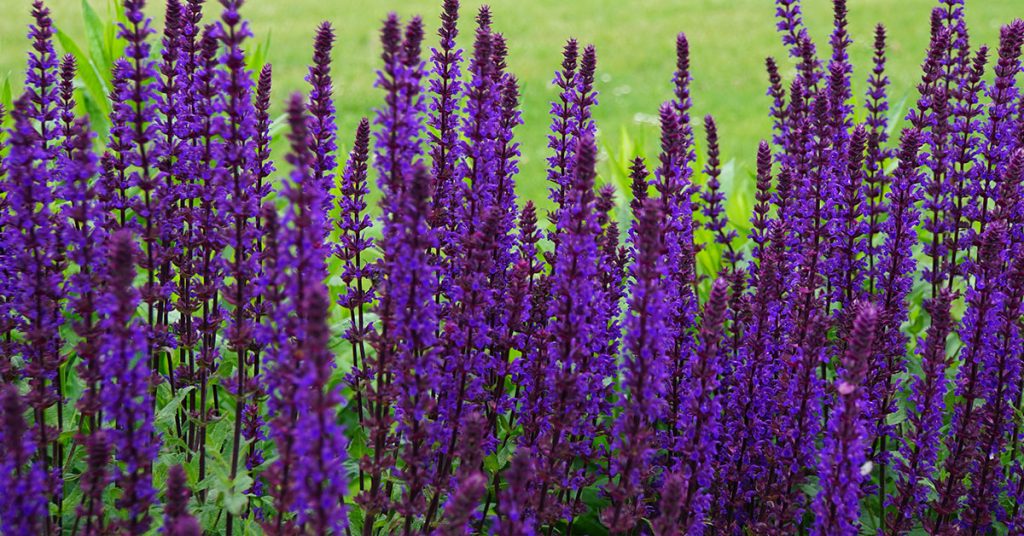
Regular deadheading can extend flowering by weeks, turning August into a mini‑September encore. For perennials like Salvia nemorosa (woodland sage), native to Europe but well‑behaved in gardens, snipping off faded spikes encourages side shoots laden with new buds. My garden’s salvia bed stayed lively until frost last year, thanks to this simple step!
Extended blooms mean a longer supply of nectar and pollen for beneficial insects. Hoverflies and parasitic wasps hunting aphids will flit from fresh flowers, nesting in hollow stems you leave nearby. It’s such a treat to see your garden buzzing well into fall!
Promotes a Compact, Bushier Habit

Removing spent blooms often stimulates lateral branching, resulting in denser, more compact plants. In plants like Lantana camara (native to tropical America and potentially invasive in some regions), regular deadheading curbs leggy growth and keeps mass plantings looking neat. I’ve watched my lantana transform from straggly to spectacular by mid‑August!
A bushier habit also offers more sheltered nesting sites for tiny solitary bees. They seek crevices under foliage to lay eggs, and the thicker your canopy, the more havens you create. Deadheading is a win for both form and function!
Reduces Disease Risk

Old flower heads can harbor fungal spores and pests that overwinter on plant debris. By removing them, you minimize the chance of gray mold or mildew invading species like Echinacea purpurea (purple coneflower), native to eastern North America and non‑invasive. I once battled powdery mildew simply because I neglected to clear spent blooms!
A cleaner plant encourages air circulation through the canopy, drying moisture quickly and preventing rot. Ladybugs and lacewings—whose larvae feast on aphids—prefer foliage free of damp debris. Keep your flowers trimmed, and beneficial predators will stick around!
Keeps Your Garden Looking Tidy and Attractive
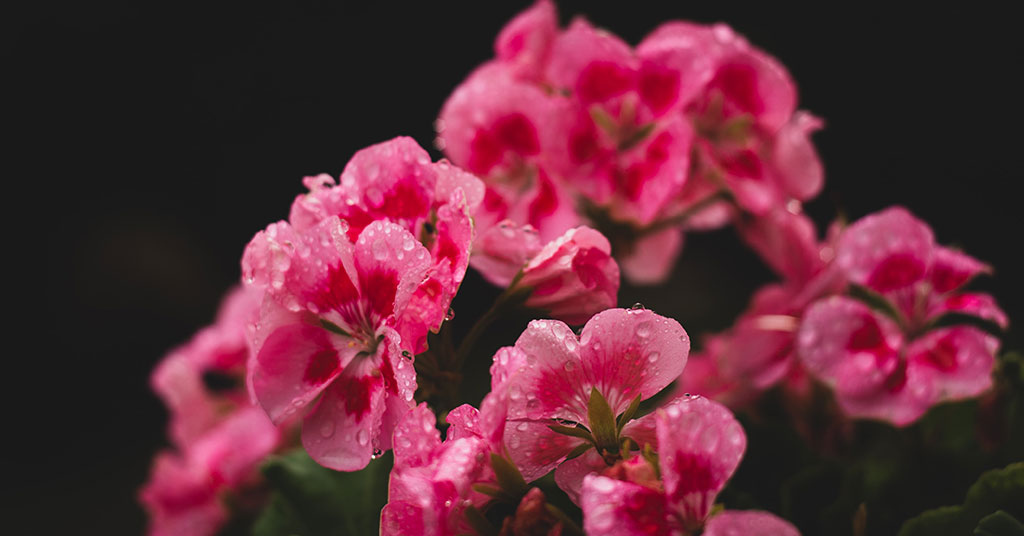
A neat display of vibrant blooms is deeply satisfying—and it motivates you to spend more time outside nurturing your plants. When I deadhead my geraniums (Pelargonium spp., native to South Africa and generally non‑invasive), their cheerful clusters shine without the distraction of shriveled blossoms!
A well‑groomed bed also draws in butterflies like monarchs and swallowtails, which often perch on fresh blooms to nectar before seeking nearby grasses or shrubs for their nests. Deadheading elevates both curb appeal and ecological value!
Conserves Nutrients for Future Growth

Rather than letting seed pods form—which lock up phosphorous and other key nutrients—deadheading returns those resources to the plant’s foliage and roots. Annuals such as Tagetes erecta (marigold), native to Mexico and non‑invasive, will reward you with continued vigor when you keep spent blooms at bay. I’ve noticed my marigolds flush with fresh color after a good deadheading session!
That nutrient conservation also fosters stronger root systems, which in turn support earthworms tunneling through the soil. Their activity boosts aeration and nutrient cycling, benefitting every plant in the bed. A healthier soil food web starts with deadheading!
Stimulates Better Pollinator Behavior

Fresh, pollen‑rich flowers are magnets for pollinators. By cutting back old blossoms, you ensure your garden is a dynamic buffet for bees, butterflies, and hummingbird moths. Plants like Buddleja davidii (butterfly bush), native to China and non‑invasive in many climates, will rebloom vigorously when regularly trimmed!
Those repeated flower flushes encourage pollinators to establish nesting territories close by. You might spot bumblebees tunneling under mulch or solitary bees using hollow stems as brood chambers. Your deadheaded flowers keep the local pollinator community thriving all season!
Enhances Overall Plant Health
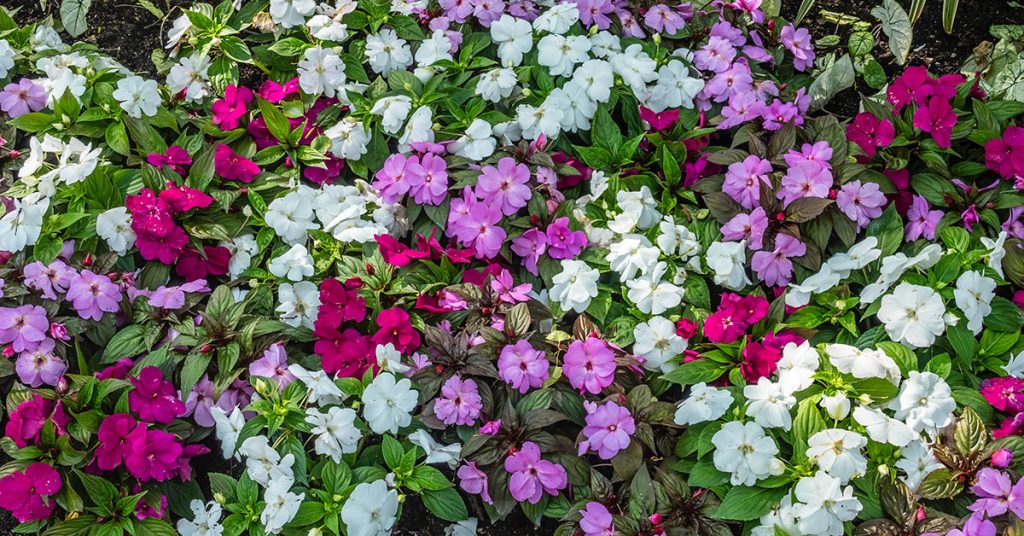
Deadheading isn’t just cosmetic; it’s a targeted way to remove potential stress points. Old flowers can become entry sites for pathogens, and by clipping them you promote clean, healthy growth. In non‑invasive annuals like Impatiens walleriana (native to East Africa), this practice helped me avoid crown rot during humid August days!
A vigorous, disease‑free plant is better equipped to withstand heat waves and pest pressure. Beneficial insects such as predatory wasps will remain in a garden where plants look vital and offer plentiful hunting grounds. Keep your blossoms fresh, and your ecosystem stays balanced!