
Late summer is prime time for tomato lovers—you’ve nurtured those seedlings since spring, and now your vines should be heavy with ripening fruit. It’s such a bummer when all that care unravels in August because of a few missteps! The intense heat, shifting pollinator activity, and changing nutrient needs mean your tomatoes require thoughtful tweaks to keep the harvest rolling in.
I’ve learned the hard way—one year my entire cherry tomato patch split after an ill‑timed watering, and another season I lost big beefsteaks to blossom end rot just as I was dreaming of BLTs! From irrigation snafus to pruning errors, these ten mistakes derail even seasoned gardeners. Read on to make sure you avoid them and keep your crop lush, juicy, and full of flavor through the dog days of summer.
Overwatering During Peak Heat

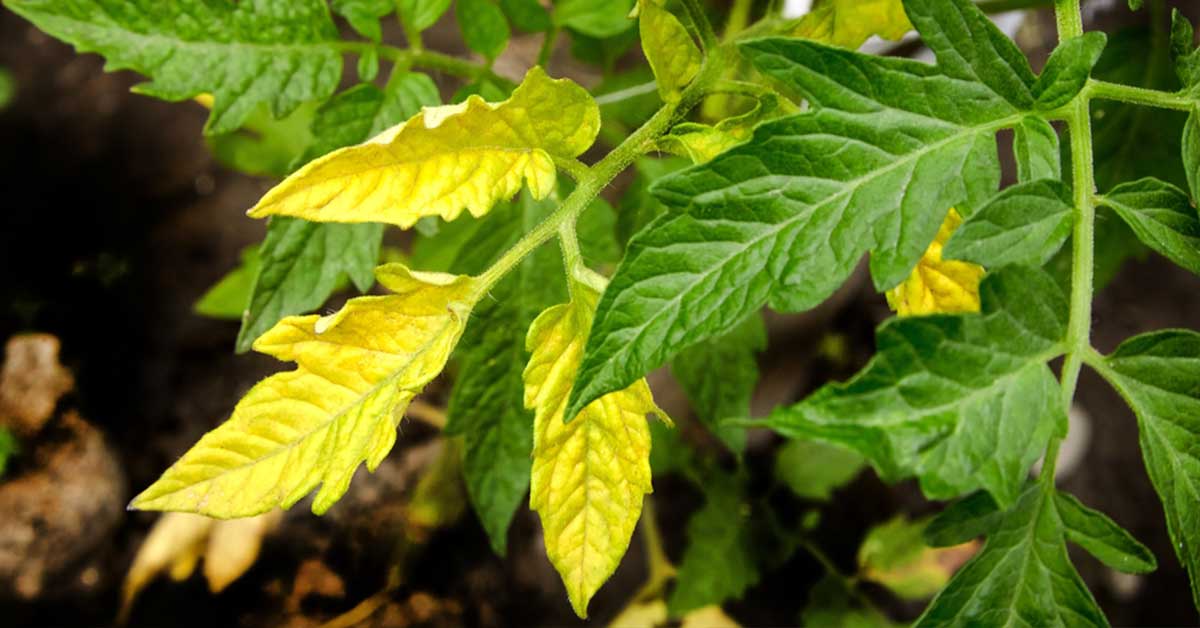
Tomatoes (Solanum lycopersicum), native to western South America and not invasive in home gardens, need consistent moisture—but drowning them in August’s high temperatures can suffocate roots. I once watered daily without checking soil moisture and ended up with yellowed leaves and root rot.
Instead, water deeply in the cool of morning, aiming for about an inch per week delivered directly at the base. This encourages roots to explore deeper, keeping plants resilient when afternoon sun hits hardest. Deep watering also prevents splashing disease spores onto foliage and flowers, protecting blossoms that attract honeybees and bumblebees for pollination and nesting in nearby bare soil patches!
Ignoring Blossom End Rot Alerts
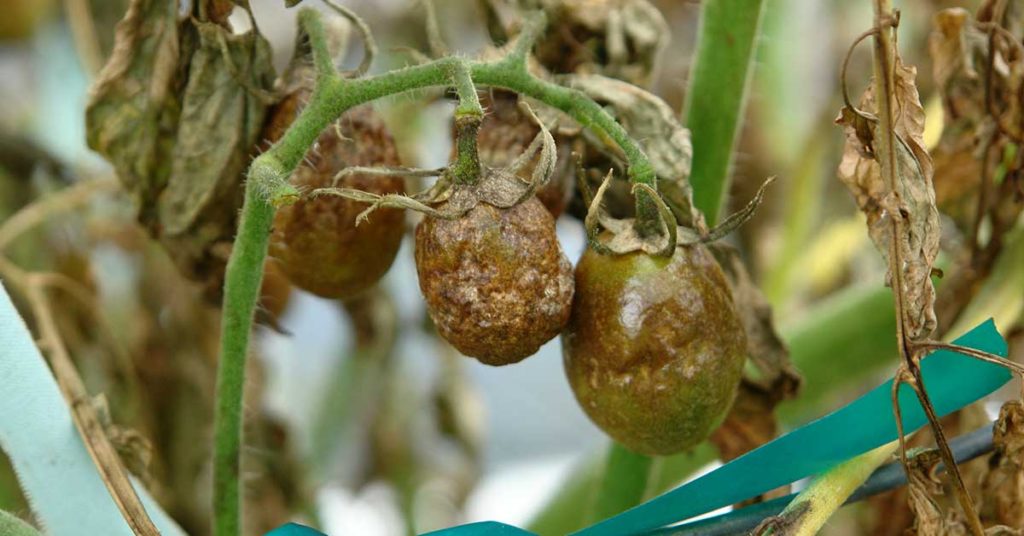
Blossom end rot isn’t a disease but a calcium deficiency triggered by erratic soil moisture. It shows as sunken black spots on the fruit’s bottom—such a heartbreak when ripe tomatoes spoil before you pick them! I’ve watched green tomatoes turn mushy overnight because I skipped a consistent watering regime.
To prevent it, keep soil moisture even, add crushed eggshells or garden lime, and mulch around plants to curb evaporation. These steps help maintain calcium uptake and offer stable conditions for ground‑nesting bees and other beneficial insects that shelter beneath the mulch until morning!
Pruning Too Aggressively
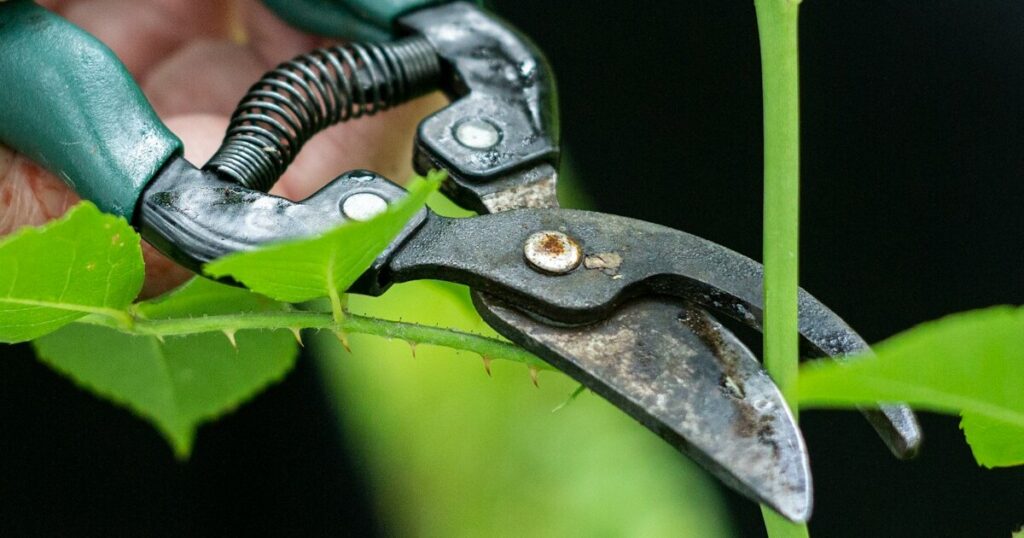
While trimming suckers can concentrate energy in fruiting branches, overpruning removes vital leaves that manufacture sugars. I once hacked back my vines in late summer and saw fruit stop setting entirely—lesson learned!
Aim to remove only the lowest leaves touching the soil and a few excess suckers to improve airflow. Good circulation reduces fungal pressure on flowers, ensuring pollinators like solitary mason bees still find safe landing spots on sturdy blooms. Balanced pruning means healthy foliage, thriving blooms, and an uninterrupted pollination party!
Failing to Shade Young Fruit

Scorching sun can cause sunscald—pale, papery patches on developing tomatoes. It’s such a bummer to lose perfectly shaped fruit to simple sunburn! I learned this when my prized heirlooms split under the August sun.
Use shade cloth or interplant tall basil (Ocimum basilicum) around your vines; basil is native to India and non‑invasive in most gardens. Its fragrant leaves attract hoverflies and small wasps that prey on tomato pests, and its canopy offers gentle protection for tender fruit. A little shade goes a long way toward perfect, unblemished tomatoes!
Overfertilizing with Nitrogen
At this stage, your plants need a shift from leafy growth to fruit development. Too much nitrogen keeps vines lush but fruit sparse—a disappointing tradeoff when your neighbors boast overflowing baskets. I fed mine heavy fish emulsion in August once and ended up with vines like jungle vines!
Switch to a fertilizer higher in phosphorus and potassium to support bloom and ripening. This balance signals flowers to set fruit and brightens color. Plus, those late‑season blossoms continue to feed hummingbird moths and bees that nest in hollow stems—ensuring your garden stays vibrant and productive!
Neglecting Pest Patrols
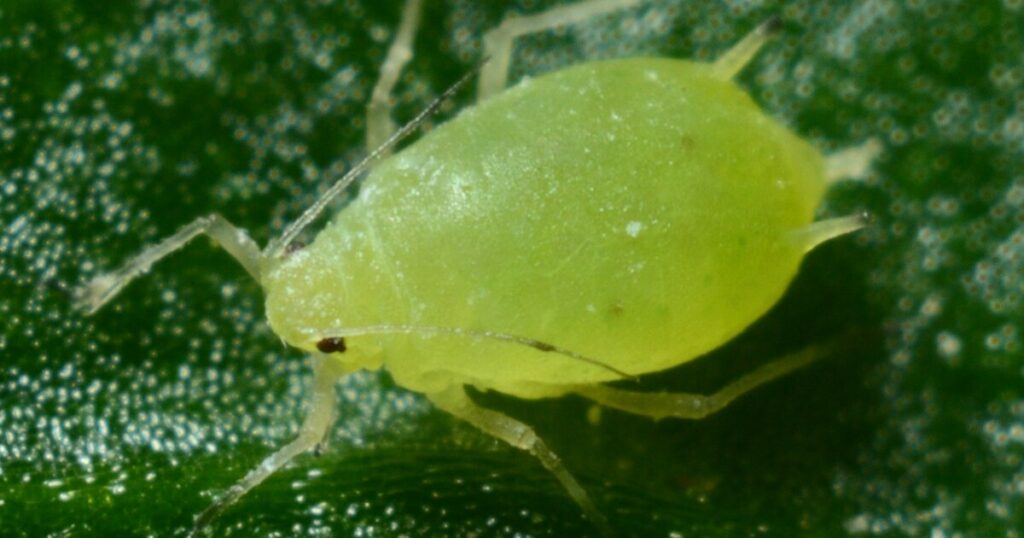
August brings tomato hornworms, aphids, and whiteflies in full force. Ignoring them until you see defoliation is a costly error. I found caterpillars on my cherry tomatoes so late that harvesting became impossible!
Scout daily under leaves and along stems, handpick larger pests, and introduce beneficials like ladybugs and lacewings, which nest in surrounding flower beds. Planting marigolds (Tagetes spp.)—native to the Americas and non‑invasive—repels nematodes while their blooms attract hoverflies. Early intervention keeps your vines lush and fruit intact!
Planting Too Densely

Crowded plants compete for light, water, and air, inviting fungal diseases that kill blossoms before they set fruit. I crammed six plants into a 4‑foot bed one year and watched mildew choke them out in August’s humidity—so frustrating!
Space determinate varieties about two feet apart and indeterminates three feet apart. Proper spacing creates room for air movement, reducing mildew risk and giving bees clear flight paths to flowers. That means more successful pollination and fuller fruit clusters!
Skipping Mulch Renewal
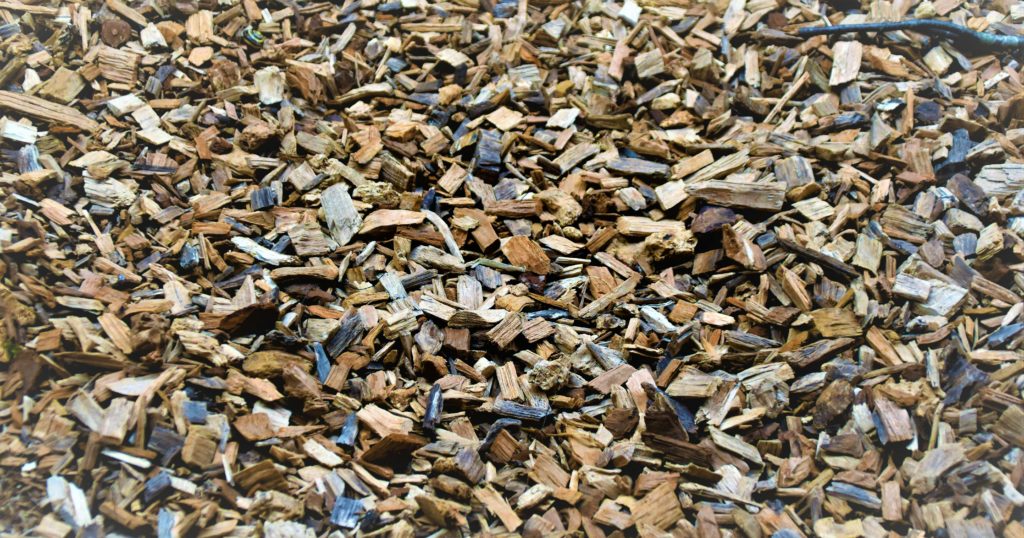
Organic mulch breaks down over time, losing its moisture‑retention power. I once forgot to top up my straw layer, and the soil dried into a crust—roots struggled, and flowers dropped. A quick mulch refresh in August locks in moisture for roots and protects beneficial earthworms, which aerate soil and feed on decaying material!
Fresh mulch also shelters ground‑nesting bees by providing a soft landing zone around plants. Spread a two‑inch layer of straw or wood chips sourced from untreated wood, leaving a small gap around stems to prevent rot. Your soil—and pollinators—will thrive!
Neglecting Even Ripening Through Harvest

Leaving ripe tomatoes on the vine too long can signal plants to stop producing new fruit. I’ve walked past golden clusters, only to turn around and find them cracked or worm‑infested!
Pick tomatoes as soon as they reach their peak color—morning is best. Frequent harvesting encourages new flower production and maintains airflow, keeping pollinators like bumblebees exploring blooms rather than rotting fruit. A steady harvest means a continuous showcase of sweet, sun‑warmed tomatoes!