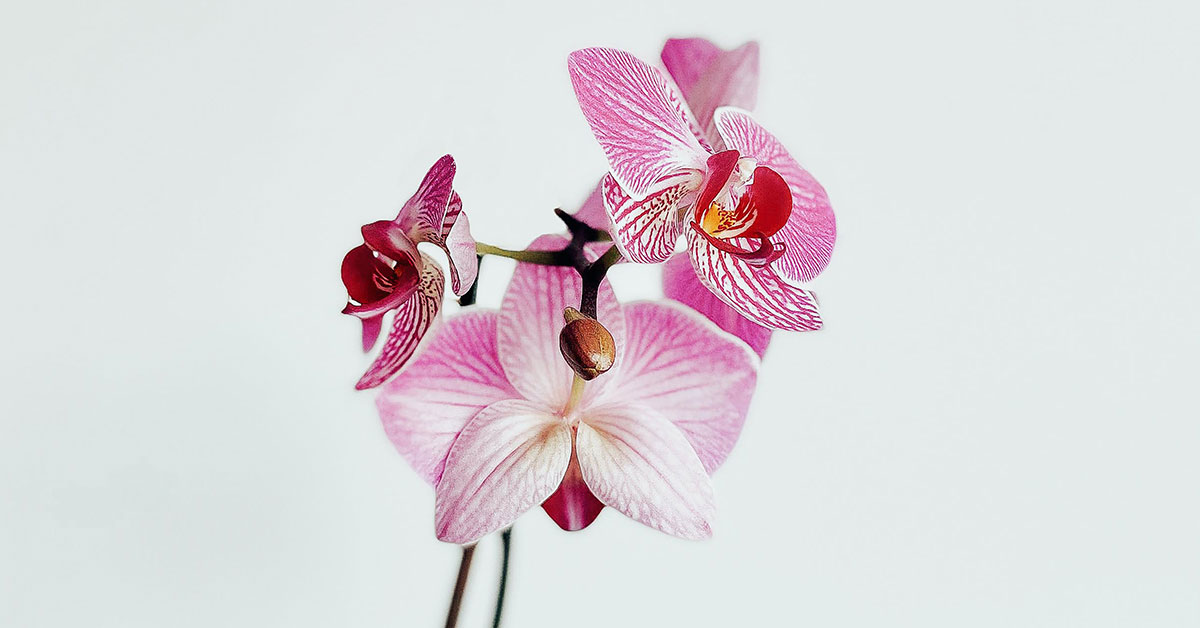

Orchids are the crown jewels of any indoor garden, but coaxing that second flush of flowers can feel as elusive as catching lightning in a bottle! It’s such a bummer when your Phalaenopsis or Cattleya drops its spent blooms and then sits quiet through the fall. August is the perfect time to set the stage for re‑blooming—your orchid needs a delicate balance of light, temperature, moisture, and nutrition to kickstart those flower spikes once more.
I’ve spent countless hours chatting with fellow orchid enthusiasts (and making my own share of mistakes!), and I know how frustrating it is to fuss over watering only to see stubborn green buds refuse to open. In this guide, you’ll discover eight essential steps—drawn from orchids’ native habitats in tropical Asia, Central and South America, and Africa—to recreate the seasonal cues that trigger re‑blooming. Let’s dive in and get those gorgeous blossoms back on your windowsill!
Adjust Light Levels to Mimic Understory Conditions

Most common orchids, like Phalaenopsis (native to Southeast Asia) and Oncidium (native to Central and South America), grow as epiphytes under the forest canopy, receiving bright but filtered light. In August, when indoor sun angles shift, it’s easy for leaves to burn or stretch toward a window. I once scorched a whole leaf on a sunny windowsill—ouch!
Aim for a bright east‑ or west‑facing spot where leaves glow a soft jade green rather than pale yellow. If light is too intense, hang a sheer curtain or move your orchid back a few feet. Proper light encourages the plant to produce the energy it needs for flower spike development without the stress that causes leaf burn!
Provide a Nighttime Temperature Drop

In their native ranges—mountainous regions of Papua New Guinea or cloud forests of Costa Rica—orchids experience a 10–15°F drop at night, which signals them to initiate flowering. Without this cue, your plant may maintain lush foliage but stall on bloom spikes. I remember one summer where my home never dipped below 75°F at night, and my orchids simply didn’t bud!
To mimic that natural rhythm in August, lower thermostat settings in the evening or place pots on a pebble tray with cooler water (just ensure roots don’t sit in soggy mix). Even a modest 55–60°F nighttime low can make a dramatic difference—your orchids will thank you by gearing up for those spectacular blooms!
Flush the Potting Medium to Remove Salt Buildup
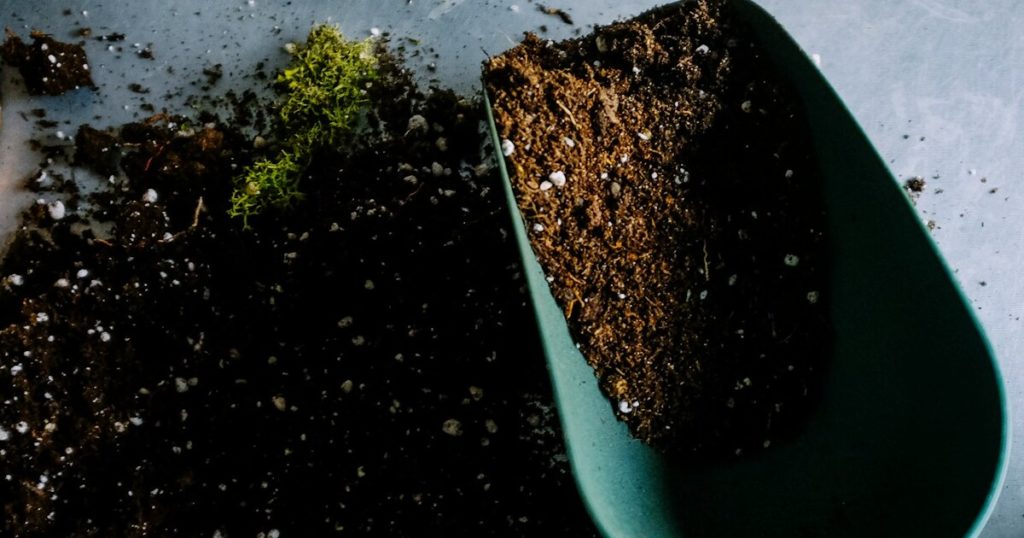
Over time, water and fertilizer salts accumulate in bark or sphagnum moss, which can burn delicate orchid roots and inhibit nutrient uptake. It’s such a bummer when roots brown and flowers never form because of unseen salt crusts! In August, give your plant a thorough flush—run tepid water through the pot until it drains clear.
Once flushed, let the medium drain completely to restore proper aeration. Healthy, white‑and‑green roots are the engine that drives re‑blooming, and removing salt buildup ensures your orchid can absorb the phosphorus and potassium it needs to generate flower spikes!
Feed with a Bloom‑Boost Fertilizer

During summer’s active growth, orchids benefit from a balanced fertilizer, but to trigger blooms, switch in August to a formula higher in phosphorus and potassium (look for an NPK around 10-20-20). One of my favorite tricks is a monthly “super bloom” feed to signal the plant it’s time to shine again!
Dilute to half strength and apply after your salt flush to ensure uptake. Non‑invasive by nature, orchids won’t escape into local ecosystems, so a targeted fertilizer won’t harm anything outside your pot. Regular, gentle feeding gives your orchid the energy reserves needed for that glorious flower spike!
Inspect and Trim Spent Flower Spikes
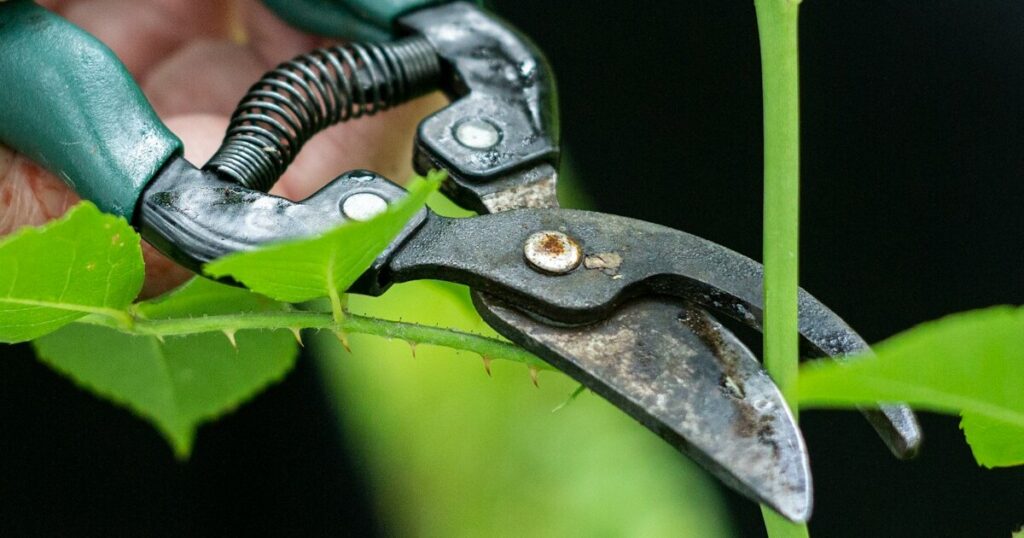
Sometimes re‑blooming starts on old spikes, especially in Phalaenopsis hybrids. If the spike has turned silvery or yellow, cut it back just above a healthy node about one‑third of the way down—you’ll encourage a new branch or “keiki” shoot. I’ve watched tired spikes come back to life this way, producing extra blooms!
Be sure your pruning tools are sterile to prevent disease entry. After trimming, provide consistent humidity and airflow—orchids in the wild enjoy gentle breezes under the canopy, which helps prevent fungal issues on fresh cuts. Healthy spikes mean more flowers!
Increase Humidity with a Humidifier or Pebble Tray

Orchids thrive in 50–70% humidity, mirroring their tropical origins. In August, indoor AC or fans can dry the air, stressing your plants and halting bloom formation. I once lost a budding spike when my home dipped to 30% humidity overnight—lesson learned!
Place a small humidifier nearby or set the pot on a tray of wet pebbles, ensuring the pot base is above water level. This simple step not only supports flower spike development but also attracts orchid bees (in the wild) by replicating the moist understory conditions they seek for nesting!
Repot if the Medium Has Broken Down

Bark and moss eventually decompose, compacting and suffocating roots. If your orchid hasn’t been repotted in two or three years, its media may be too dense to support new blooms. I delayed repotting once and ended up with a soggy, root‑bound mess—definitely slowed down flowering!
Choose a fresh mix of chunky fir bark, perlite, and charcoal to improve drainage and aeration. Do this repotting before your next bloom cycle—roots need room to expand before sending up a spike. A fresh home means a healthy root system ready to fuel re‑blooming!
Provide Good Airflow to Prevent Disease
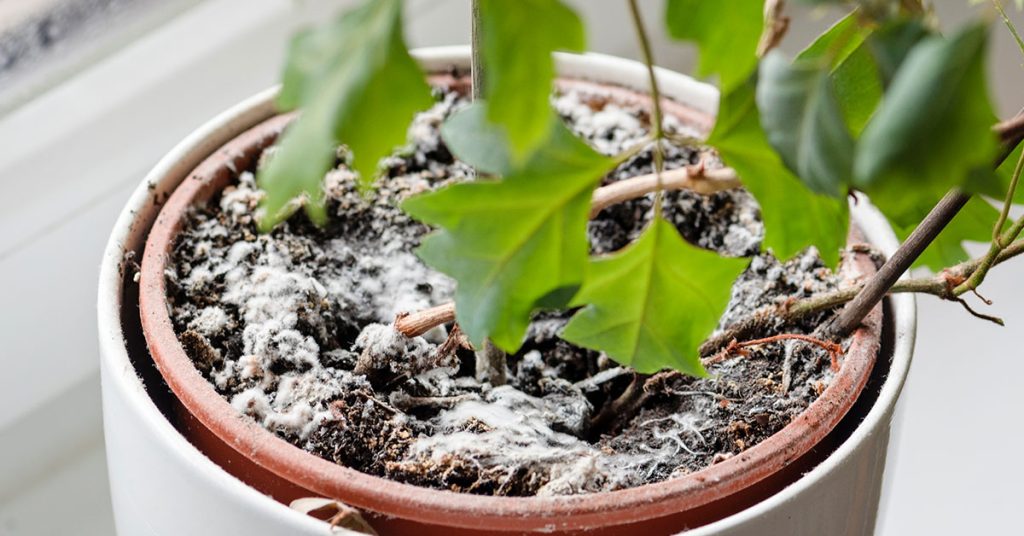
In August’s warmth, stagnant air invites fungal and bacterial rots that can stop flower spikes in their tracks. Orchids in nature grow on tree branches, where breezes sweep away excess moisture. It’s frustrating to nurture a bud only to have it collapse from rot—been there!
Use a small fan set on low to keep air moving around your plants, but avoid direct blasts that dry out foliage. Good airflow reduces the risk of rot on developing buds and mimics the gentle forest currents that orchids love—resulting in more robust re‑blooming!