
Late summer is the crescendo of the gardening season, when the warm days coax lush growth and vibrant fruit—but it’s also when timing and technique matter most. I know how heartbreaking it can be to walk out at dawn only to find overripe tomatoes split on the vine or zucchini that’s ballooned beyond tender. With these twelve harvesting tips, you’ll learn how to pick each vegetable at peak flavor, protect your plants, and even support the bees and beneficial insects that have worked so hard for your bounty!
From recognizing maturity cues to using the right tools, each tip covers a specific vegetable’s origins, whether it can naturalize or spread, and how its blooms or foliage attract and support nesting pollinators. Let’s dig in and make sure your late summer harvest is as rewarding as possible—it’s going to feel great to fill your basket without a single mishap!
Kohlrabi: Snap at the Right Size

Kohlrabi (Brassica oleracea var. gongylodes), native to Europe and non‑invasive in home gardens, develops a turnip‑like bulb above ground. One of my favorite harvest practices is checking the bulb’s diameter—when it’s about two inches across, you’ll get the crunchy, mild flavor that makes this vegetable shine! Leave it in the ground too long, and it becomes woody and fibrous.
The hollow stems and crisp leaves of kohlrabi attract hoverflies and small solitary bees, which nest in nearby bare soil patches. After harvesting, leave a ring of mulch at the bulb’s base to shelter ground‑nesters and preserve soil moisture for later plantings. You’ll enjoy tender slices raw or lightly sautéed, and you’ll help sustain beneficial insects for the next round!
Okra: Cut, Don’t Pull

Okra (Abelmoschus esculentus) hails from West Africa and thrives in the heat—yet it can spread if old pods are left to drop seed. When your pods reach two to three inches long, use clean pruning shears to snip them from the stem rather than yanking. This protects the plant’s growing tips and encourages more flowers and pods.
Those star‑shaped blossoms attract hummingbird moths and native bees like the cobalt blue mason bee, which nest in hollow stems. After cutting, scatter the spent blooms at the bed’s edge to provide nesting material for these pollinators. You’ll harvest tender pods and support your garden’s winged warriors!
Carrots: Lift Gently With a Fork

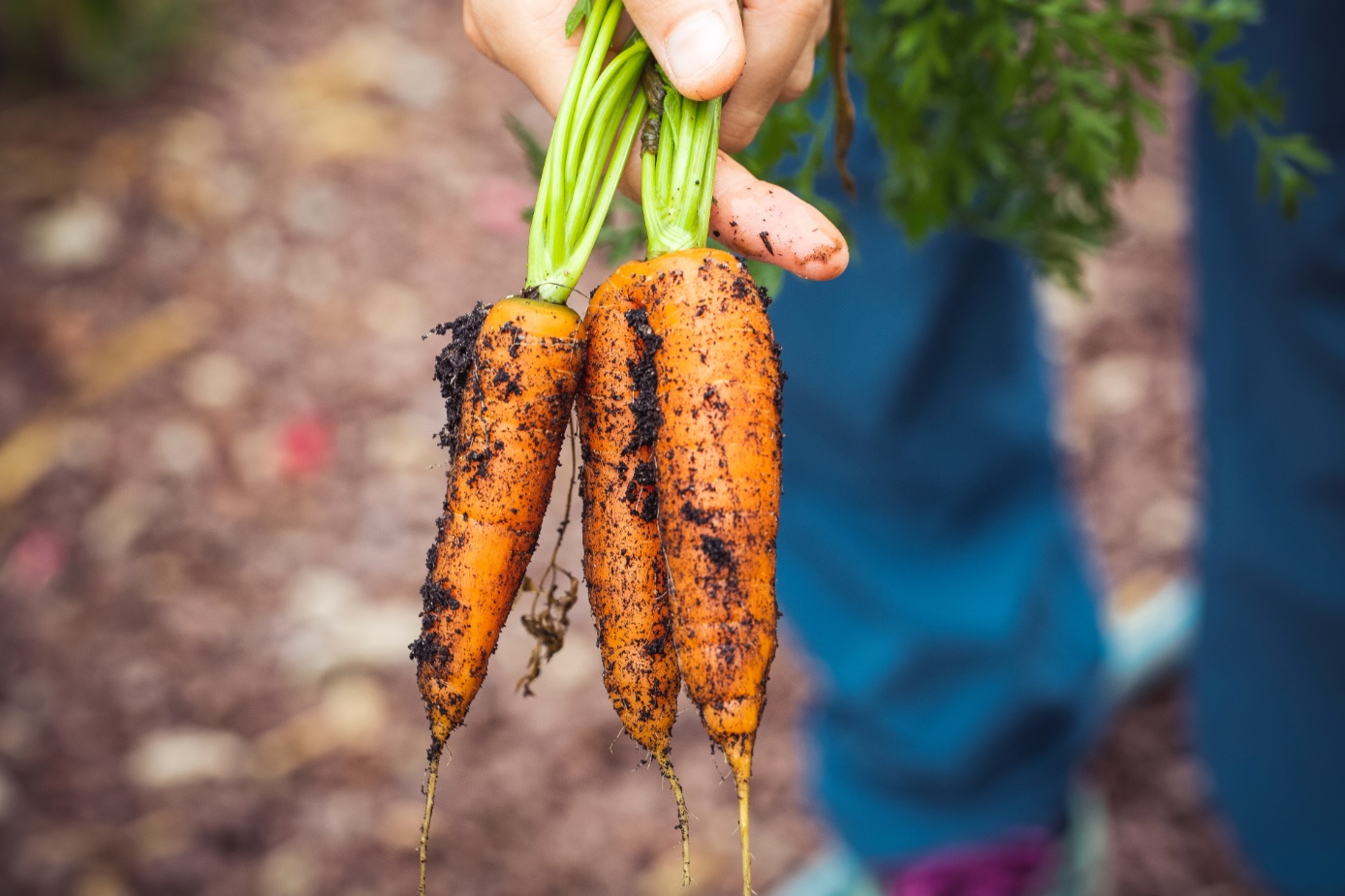
Carrots (Daucus carota), originally from Afghanistan and not invasive, store well in the ground—but when the soil bakes in August heat, roots can woody up. Loosen the soil an inch or two away from the top with a garden fork before pulling, so the taproot lifts smoothly without snapping off or bruising.
The fine carrot flowers that appear when bolting in cooler months attract parasitic wasps that control aphids; leaving a few flower stalks around the patch after harvest nourishes their lifecycle. After lifting, refill the holes with compost and mulch to maintain soil structure and invite ground‑nesting bees to return in early fall!
Cucumbers: Harvest at Full Green
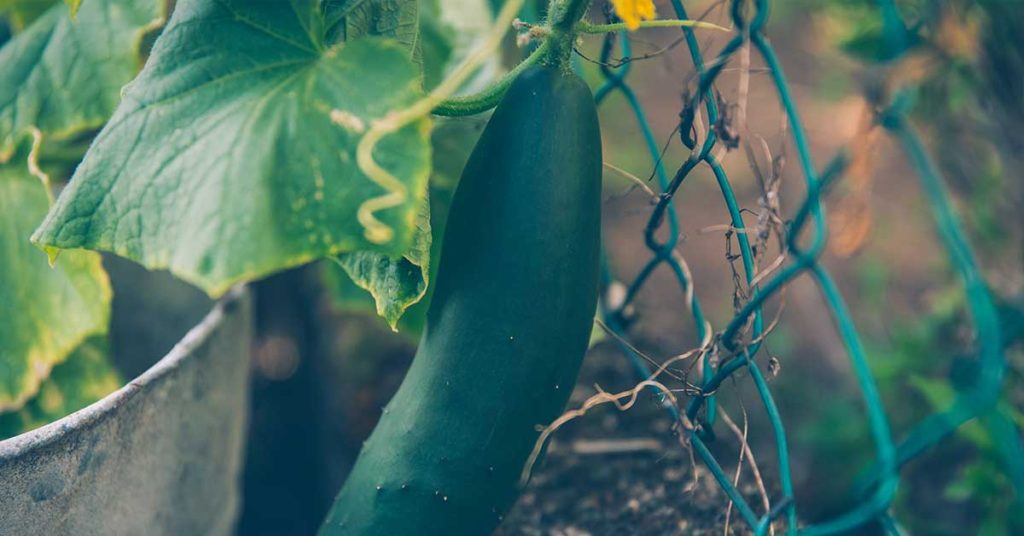
Cucumis sativus, native to India and non‑invasive in garden settings, produces best when you pick fruits every two days. Take them when they’ve reached full green color and about six to eight inches long (depending on variety)—waiting longer often means bitter, seedy cucumbers.
Those yellow blossoms are magnets for honeybees and bumblebees, which nest in undisturbed ground nearby. To encourage them, leave a few old stems cut at ground level for nesting cavities. Crisp, juicy cucumbers and happy pollinators—talk about a win‑win!
Swiss Chard: Snip Outer Leaves
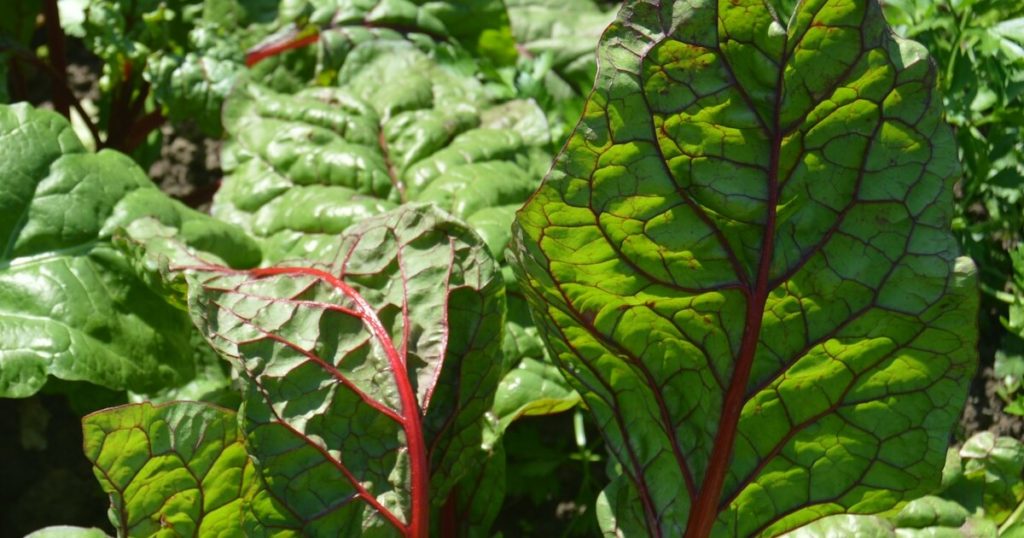
Swiss chard (Beta vulgaris subsp. vulgaris), descended from Mediterranean wild beets and non‑invasive, offers a continuous harvest if you snip the outer leaves at the base. Avoid cutting the crown—this lets the center continue producing tender leaves throughout late summer.
Chard flowers rarely appear, but the glossy leaves can shelter ladybugs and lacewings which prey on pests. After harvesting, scatter some straw mulch to keep soil cool and damp for ground‑nesting bees. You’ll enjoy sweet, tender greens all season long without sacrificing future growth!
Green Beans: Pick Every Other Day

Green beans (Phaseolus vulgaris), native to Central and South America and generally non‑invasive, develop best when pods are plucked at two‑ to three‑inch lengths. Check daily or every other day—waiting too long yields tough, fibrous beans that split when you snap them.
Early morning harvests ensure crisper beans, and those fresh flowers often draw tiny sweat bees towards your beds. Leave a few spent blossoms in place for nesting materials, but clear away turning pods to discourage Mexican bean beetles. Your basket will overflow with tender beans, and pollinators will thank you!
Tomatoes: Gentle Twist or Snip

Tomatoes (Solanum lycopersicum), native to western South America and not invasive, need picking as soon as they blush red (or yellow, pink, or purple, depending on variety). A gentle twist at the stem or a quick snip with pruners avoids cracking or bruising the fruit and prevents pathogen entry.
Those ripe fruits follow a flurry of pollinator activity—bumblebees and hoverflies love early‑morning blooms. After harvest, leave a few cut stems (with flowers intact) nearby to give cavity‑nesting bees spots to lay eggs. You’ll savor firm, glossy tomatoes and foster a healthy pollinator population!
Eggplant: Harvest Before Gloss Fades
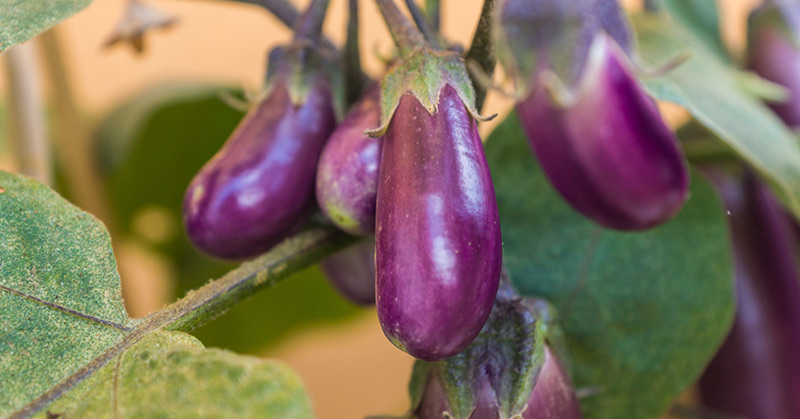
Eggplant (Solanum melongena), originating in India and seldom invasive, signals readiness when its skin shifts from glossy to slightly matte—usually six to eight inches long for standard varieties. Cut the fruit off with a sharp knife or pruners, preserving the short stem collar to reduce sap leakage.
Eggplant flowers attract carpenter bees and leafcutter bees that nest within hollow stems and old wood. After harvesting, leave a few old flower stalks as nesting posts. You’ll enjoy tender, creamy flesh and nurture vital pollinators for next season’s bounty!
Beets: Pull or Trim Tops
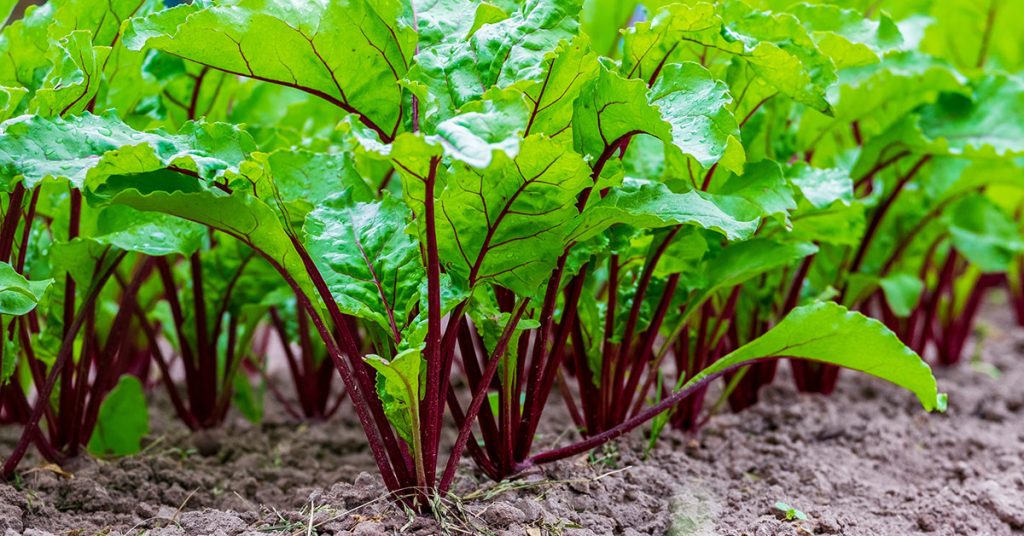
Beets (Beta vulgaris), also Mediterranean natives without invasive tendencies, are best lifted when roots reach two‑ to three‑inch diameter. Loosen soil gently with a fork and pull by the greens or trim leaves to within an inch of the bulb, leaving roots undisturbed until market size.
Those leafy tops, if left longer, attract adult soldier beetles and hoverflies that prey on aphids. Scatter trimmed greens around the base as habitat, then cover with mulch to conserve moisture for worms and ground bees. You’ll get sweet, tender roots and a mini‑ecosystem working in your favor!
Corn: Harvest When Tassels Brown
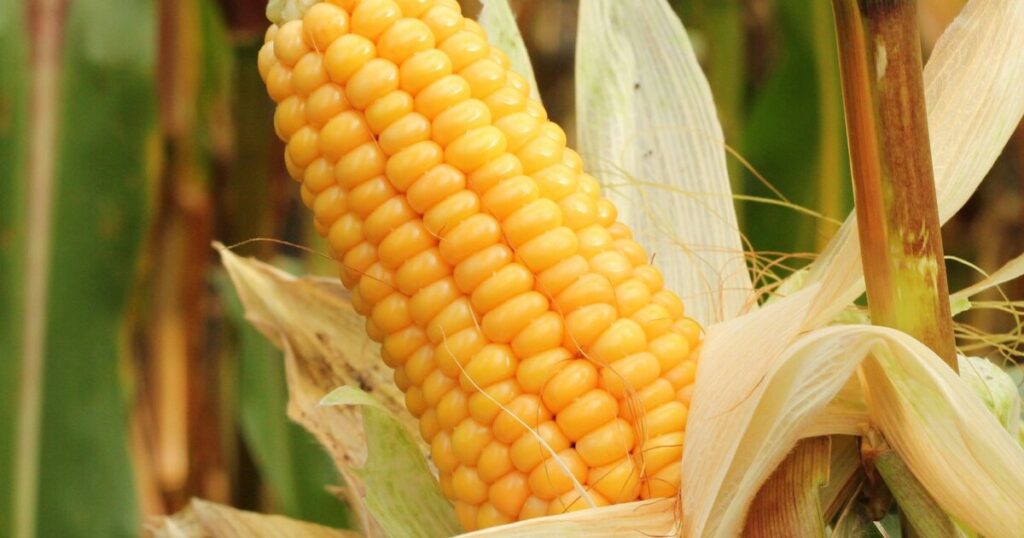
Sweet corn (Zea mays), first domesticated in Mesoamerica and non‑invasive in gardens, is ready when tassels turn brown and silks darken—usually 18–21 days after silking. Feel a kernel through the husk: if it exudes milky juice when pressed, it’s prime for picking!
Corn’s tall stalks and husks create perfect tunnels for paper wasps and parasitic flies that nest in cracks and crevices. After harvesting an ear, leave the stalk intact at ground level to offer overwintering spots. You’ll enjoy crisp, sweet ears, and your garden’s pest management team will have a head start next year!
Zucchini: Harvest Young and Firm
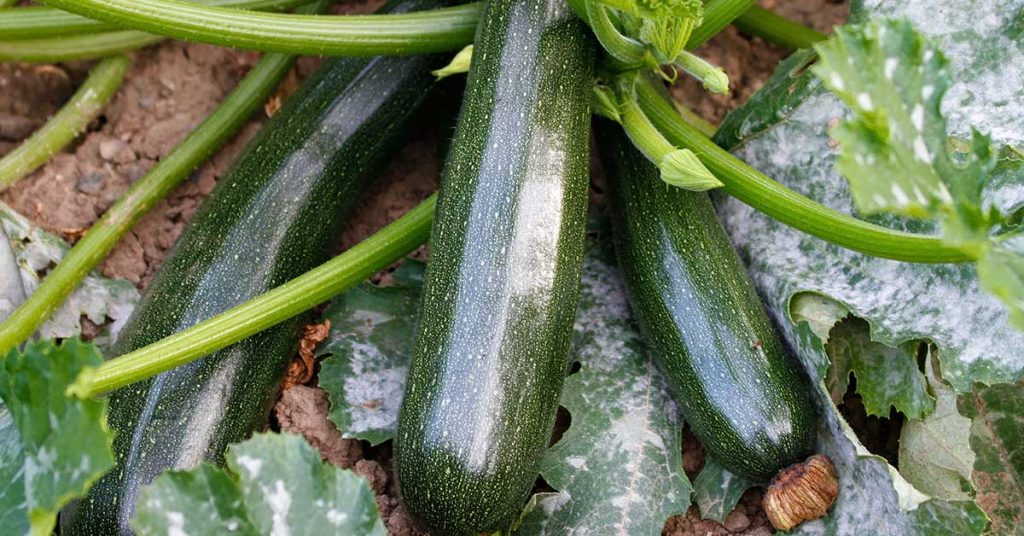
Zucchini (Cucurbita pepo), native to the Americas and capable of spreading if neglected, should be picked when fruits are six to eight inches long and still firm. Twist or cut the stem about half an inch from the fruit to avoid damaging the main vine.
Zucchini blossoms attract squash bees—specialized native bees that nest in the ground near squash patches. Leave a few flowers unharvested each morning for them, and after picking, clear only old or spotted leaves to maintain nesting habitat. You’ll get tender, flavorful zucchini and support these invaluable pollinators!