

August’s blazing sun can feel like a double‑edged sword: it ripens your tomatoes and peppers but can also stress roots, scorch leaves, and invite wilting. I know how frustrating it is to see your hard‑earned seedlings collapse under the mid‑afternoon sun—that sinking feeling when your cucumbers shrivel before harvest! With a few smart tweaks to your routine, you can keep your veggie patch thriving through the hottest days. Let’s dive into ten strategies that will help you maintain lush foliage, steady fruit set, and even encourage helpful pollinators and predators to stick around.
These techniques range from simple watering adjustments to planting companion herbs that attract beneficial insects. You’ll learn how to protect soil moisture, create cool microclimates, and give plants the nutrients they need when growth demands peak. I love slipping in pollinator‑friendly flowers among the rows, and I’m excited to share how these practices not only sustain productivity but also nurture a balanced garden ecosystem—even when the mercury soars!
Encouraging Beneficial Insects by Habitat Creation
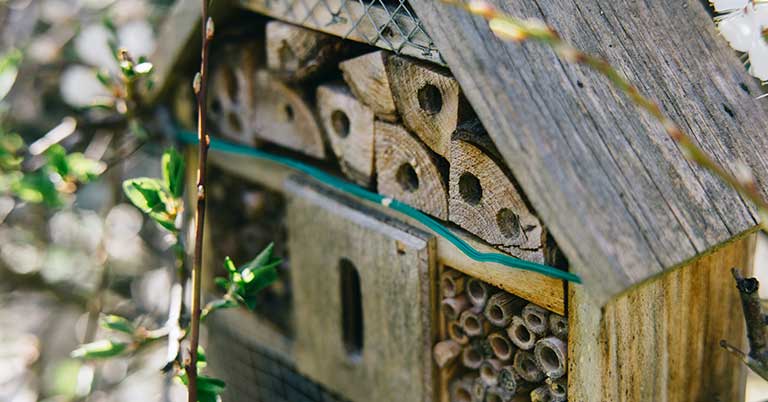
One of my favorite strategies is setting up little “hotels” and brush piles at the garden edge to invite predatory insects. Ladybugs, lacewings, and ground beetles love nesting in undisturbed corners or hollow stems, helping you keep aphids and caterpillars at bay without harsh chemicals. I once watched lacewings emerge en masse from a bundle of cut bamboo—such a thrill!
You can also sow patches of buckwheat or alyssum (native to the Mediterranean and non‑invasive in home gardens) between your veggies. These blooms provide nectar for hoverflies and parasitic wasps, whose larvae prey on common pests. Leaving some bare soil around these plots invites ground‑nesting mason bees, too—so your garden gains both pollinators and pest control all at once!
Installing Shade Cloth or Strategic Canopy

When afternoon sun is unforgiving, draping a lightweight shade cloth (30–50% density) over vulnerable crops like lettuce or young peppers makes all the difference. I installed mine last year over my raised beds, and the temperature under the cloth stayed a cool 10°F lower—what a relief for my seedlings!
An alternative is interplanting tall sunflowers (Helianthus annuus), native to North America, which aren’t invasive and provide natural shade for lettuce or spinach. Their sturdy stems also host small bees nesting in hollow stems, offering additional pollinator habitat. The dappled shade they cast keeps soil cooler and reduces evaporation, giving your shade‑tolerant veggies a fighting chance through August’s scorch!
Using Reflective or Light-Colored Mulch
I love how silver‑coated or white landscape fabric brightens up a bed while bouncing heat away from plant bases. Reflective mulch lowers soil temperature and deters aphids, which dislike landing on shiny surfaces! Your roots stay cooler, and you’ll notice less stress on tomato and squash plants.
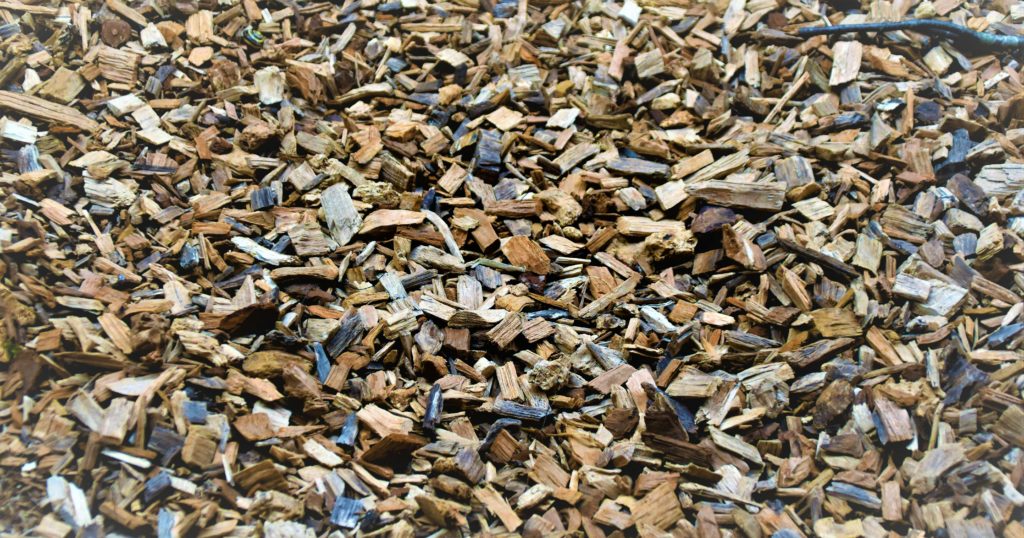
If fabric isn’t your style, try pale wood chips or straw mulch. These organic mulches help retain moisture and break down into rich humus over time. Neither wood chips nor straw are invasive, but always ensure wood chips come from untreated wood to avoid chemical leaching. The combination of reflectivity and moisture retention keeps your soil happy all month long!
Deep Morning Watering and Soil Moisture Retention
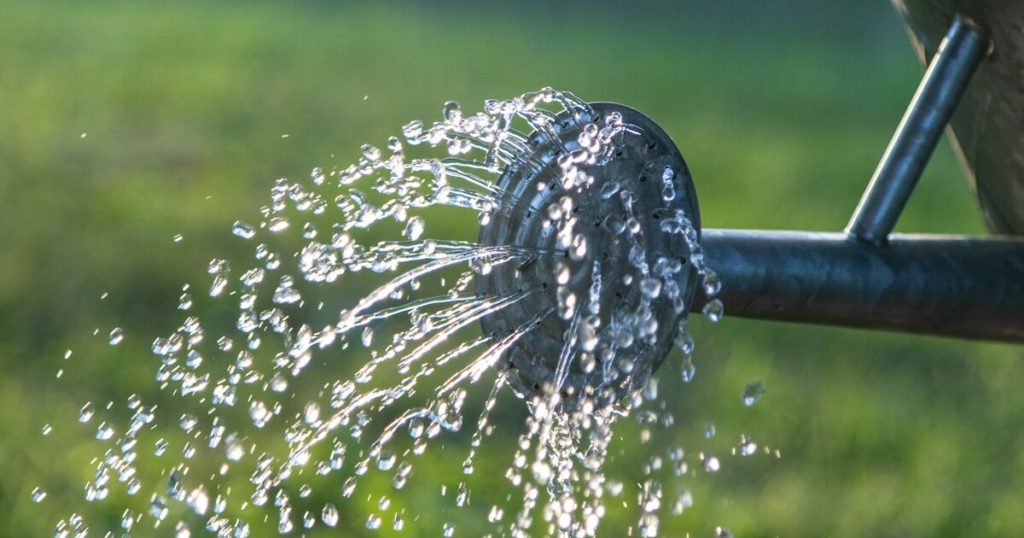
It’s tempting to water whenever you spot drooping leaves, but late‑day irrigation can promote fungal diseases. Instead, water deeply in the early morning so plants draw on moisture through the hottest hours. I once tried misting tomatoes in the afternoon—only to encourage a nasty case of late blight!
Aim for at least one inch of water per week, delivered directly to the base to avoid wet foliage. Pair this with a thick layer of organic mulch (shredded leaves or straw) to slow evaporation. That way, the soil stays evenly moist and your roots can access water even if you miss a day of watering. It’s such a bummer when roots dry out—this routine prevents that stress!
Succession Planting with Heat-Tolerant Crops

August isn’t just for maintenance—you can still sow quick‑maturing, heat‑loving veggies like bush beans, okra, or Malabar spinach. These tropical‑origin crops aren’t invasive here but thrive in warm soil. I’ve had second flushes of beans well into October by planting small batches every two weeks!
By alternating fast‑growing seeds with your summer harvest, you keep beds productive without gaps. Plus, okra’s tall flowers attract bumblebees (native across North America) for early‑morning pollination. You get fresh produce and a steady buzz of pollinator activity through the dog days of summer!
Pruning and Thinning Overcrowded Plants
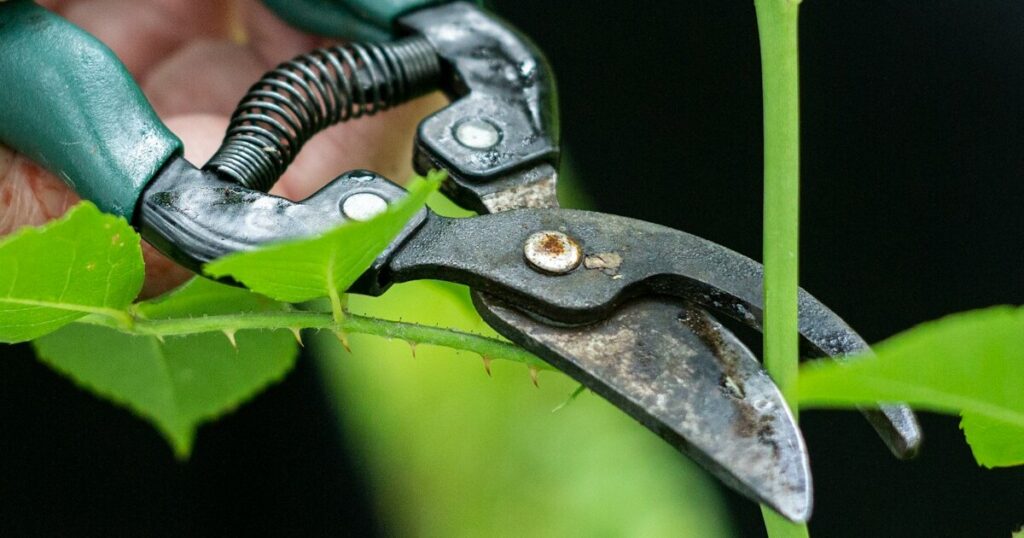
It’s such a bummer when dense foliage traps heat and moisture, inviting mildew. I learned this after my tomato jungle collapsed under powdery mildew—lesson learned! Snipping out lower leaves and thinning crowded shoots improves air circulation, reducing disease risk.
When you remove those extra suckers, you’re also opening space for beneficial insects to patrol and nest. For instance, lacewings and ladybugs will roam more freely through a well‑pruned canopy. Just be sure not to overtrim—leave enough leaves for photosynthesis, but thin enough to let sun and breeze reach every stem!
Applying Organic Mulch Around Roots

I love laying down a fresh layer of compost and straw around my cucumbers and peppers each August. This double mulch insulates the soil, locks in moisture, and slowly releases nutrients. The compost (from decomposed kitchen waste) is nutrient‑rich without burning roots, and the straw helps repel hungry slugs!
Straw and compost are both non‑invasive in your garden beds, but if you choose wood chips, stick to hardwoods to prevent allelopathic effects. A three‑inch layer around roots also fosters earthworms, whose tunnels improve drainage and aeration. It’s amazing to see those wriggly engineers at work after a good mulching session!
Timely Harvesting and Staggered Picking
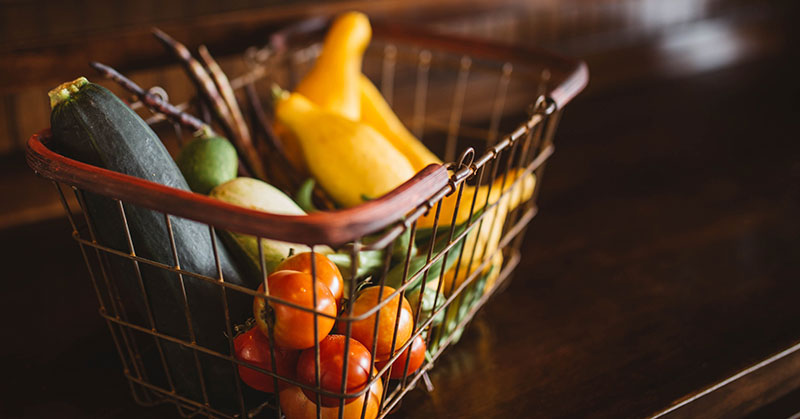
Overripe fruits left on the vine signal plants to slow production—a common mistake when you’re busy! I once let too many zucchinis go unnoticed, and the plants nearly stopped blooming. By harvesting every other day—especially in the morning when fruits are firm—you encourage new flower buds and fruit set.
Regular picking also prevents rotting produce from attracting squash bugs and slugs, which nest in decaying plant matter. Removing spent fruit quickly means fewer hiding spots for pests and a clearer invitation for pollinators to visit fresh flowers. You end up with more zucchini (or peppers) and fewer nibblers in your beds!
Intercropping with Pollinator-Friendly Herbs
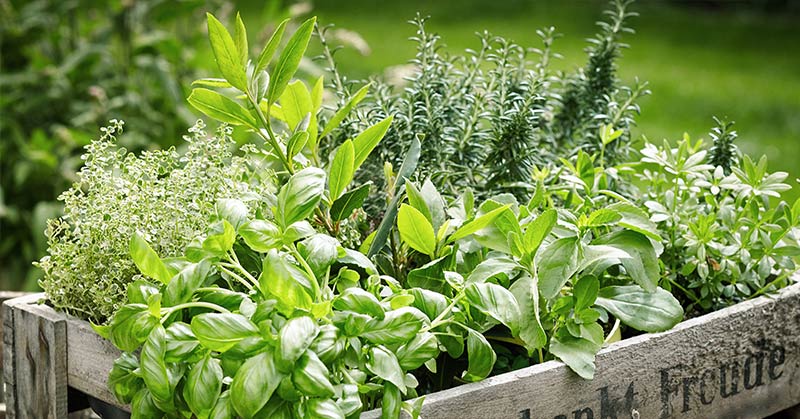
Sowing basil, cilantro, or dill among your tomatoes and beans isn’t just charming—it attracts hoverflies, parasitic wasps, and native bees that keep pests in check. Dill (native to the Mediterranean) self‑seeds freely but rarely becomes invasive, providing airy flowers that hoverflies adore.
Cilantro (native to southwestern Asia) sports flat umbels where lacewings and parasitic wasps lay eggs—turning your garden into a living pest control station. I love sneaking in these herbs; they freshen up salsa and provide a feast for beneficial insects all at once. Your veggies stay healthier, and you get a fragrant, edible understory!
Feeding with Balanced Fertilizer for Continued Fruit Set
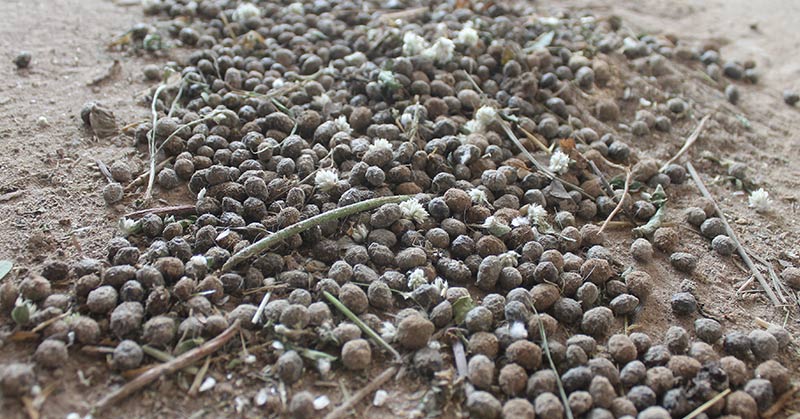
By August, heavy‑feeding crops like tomatoes and peppers have used up early soil nutrients. Applying a balanced, low‑nitrogen fertilizer rich in phosphorus and potassium helps sustain flowering and fruit ripening. I once overdid nitrogen and ended up with masses of leaves but no tomatoes—what a letdown!
Choose an organic granular formula or compost tea to avoid nutrient burn. Both options are non‑invasive to soil life and feed microbes that support root health. A mid‑month feeding ensures those late‑season blossoms develop into juicy fruits rather than dropping off in the heat. Your garden will reward you with a second wind of bounty!