
August can feel like the home stretch of the gardening marathon—hot days, lingering pests, and plants that either thrive or falter in the late‑summer sun. As a gardener who’s lost more than one crop to heat stress and overenthusiastic pruning, I get it: it’s such a bummer when a small misstep sends your garden into a tailspin. This month, your plants are still growing vigorously, pollinators are buzzing, and weeds are as determined as ever. A few well‑intentioned but misguided actions now can lead to wilted foliage, empty seed heads, or even an outbreak of invasive species come fall!
Whether you’re harvesting beans, deadheading perennials, or plotting your fall bulbs, it’s crucial to avoid the common pitfalls that trip up even seasoned green thumbs. I’ve gathered the biggest blunders I’ve made—and seen in community gardens—so you can keep your beds lush, your harvest plentiful, and your local wildlife happy. Let’s dive into these top mistakes, how they happen, and the simple fixes that will have your August garden singing with health (and maybe even a happy nesting bee or two)!
Failing to Mulch Around Lavender

Skipping mulch around lavender might seem harmless—after all, these drought‑tolerant plants don’t need pampering, right? But in August’s intense heat, mulch acts as an insulating blanket, keeping soil temperatures stable and moisture levels consistent. Without it, lavender roots can overheat and dry out, leading to spindly growth or even sudden wilting when the afternoon sun hits hardest. Trust me, I once lost a row of ‘Munstead’ lavender to exposed soil baking in the sun—it was heartbreaking!
Lavender (native to the Mediterranean region) isn’t invasive in most climates, but it does attract delightful pollinators like honeybees and native bumblebees! Those fuzzy bees often search for preexisting cavities to nest in, sometimes near the base of your lavender plants. A good layer of organic mulch—wood chips or straw—won’t block their nesting sites but will help the soil retain moisture and reflect the harsh rays away from tender roots. Your lavender will reward you with abundant blooms and a buzzing pollinator party!
Overwatering Impatiens
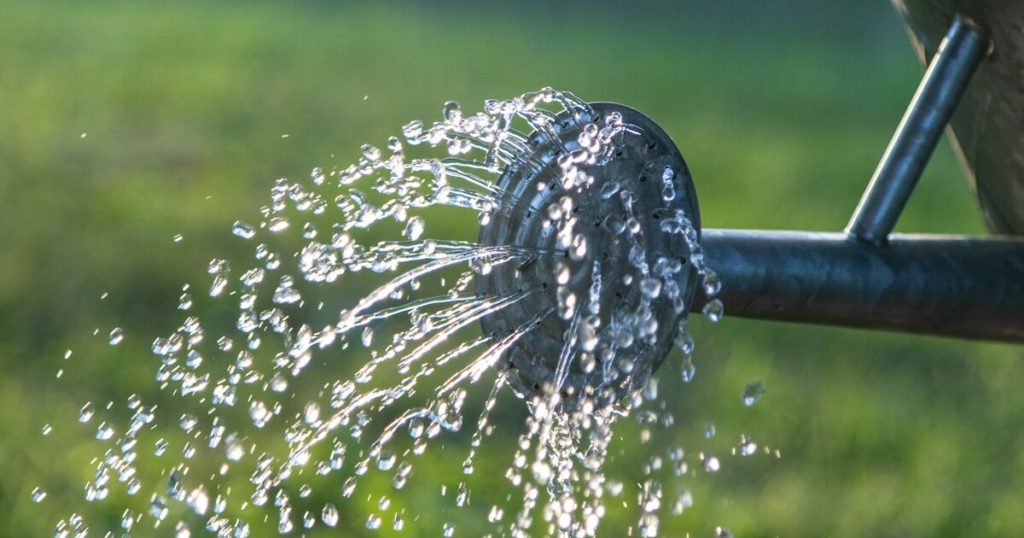
Impatiens are one of my favorite shade‑loving annuals, with their cheerful blooms brightening dark corners of the garden. But drowning them is an easy misstep in August, when soil dries unevenly under varying canopy shade. Waterlogged roots can’t breathe, leading to crown rot and yellowing leaves. I’ve seen whole beds collapse overnight after heavy hand‑watering without checking soil moisture—such a bummer!
Native to tropical regions like Southeast Asia and Africa, impatiens aren’t invasive here—but soggy soil can invite slugs and root‑eating pests who love wet conditions. These critters nest in moist mulch and humus, feasting on succulent stems by night. To avoid this, water gently in the morning, ensure good drainage, and allow the top inch of soil to dry before the next irrigation. Your impatiens will stay vibrant, and slugs won’t have the damp haven they crave!
Ignoring Beneficial Pollinator Habitats
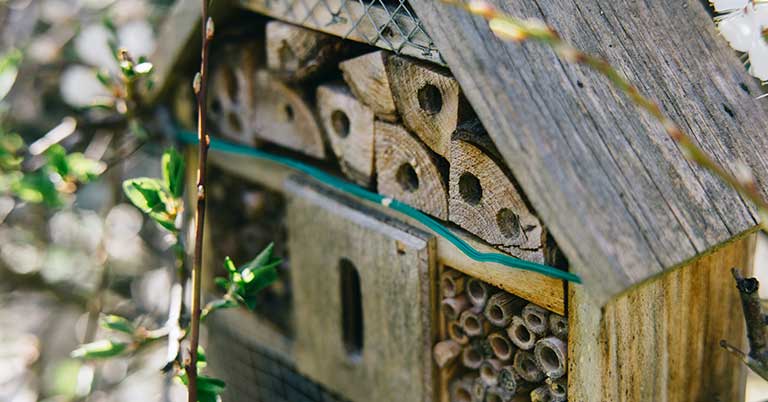
August is prime time for bees and butterflies, yet many gardeners clear out “messy” native plants instead of encouraging them. Removing spent flowers from native bee balm or goldenrod denies pollinators food and nesting shelter. I used to clip everything back—what a mistake! My bee balm died off and so did the visits from those squiggly leafcutter bees I love to watch.
Native bee balm (Monarda fistulosa), hailing from North America’s prairies, isn’t invasive—but it’s a magnet for bumblebees and hummingbirds! Ground‑nesting bees dig tunnels at the garden’s edge, and cavity‑nesting species seek hollow stems or solitary bee hotels. Leave some spent flower stalks and plant clumps intact to give them nesting sites and nectar through late summer. You’ll help sustain next year’s pollinator population and enjoy the hum of wings in your August garden!
Neglecting to Deadhead Echinacea

Coneflowers (Echinacea spp.) are stalwarts of summer color, but letting those spent seed heads languish means fewer blooms and a shaggy border by September. I once let mine go for a week too long and missed a second flush of petals—so disappointing! A quick snip keeps the plant focused on producing fresh blossoms rather than wasting energy on seed production.
Echinacea, native to central and eastern North America, generally isn’t invasive in garden settings. Birds like goldfinches adore the seeds, but they won’t come until seed heads harden in the fall—so you can harvest and share some with feathered friends later. Deadheading in August not only maintains tidy clumps but also encourages pollinators to stick around. Those sunny petals beckon bees and butterflies, which often roost in nearby grasses—nesting habitat you’ll help preserve by keeping plants healthy and flowering!
Letting Japanese Knotweed Spread

Japanese knotweed is one of the most notorious invaders around, and August is when its bamboo‑like stems explode in growth. Ignoring a small patch can quickly lead to a wall of green that overtakes borders and outcompetes your beloved perennials. I once underestimated a volunteer shoot—and three seasons later, I was knee‑deep in rhizome removal!
Originating from East Asia, Japanese knotweed is highly invasive in North America and Europe. Its hollow stems can reach eight feet tall, creating dense stands that crush native flora. Cutting it without removing root fragments often worsens the problem, as each piece can sprout a new shoot. Instead, tackle it early: remove the entire root mass or use targeted herbicide applications in late summer. Keeping this menace in check means you protect your garden and local ecosystems from its ruthless spread!
Skipping Trellising for Cucumbers
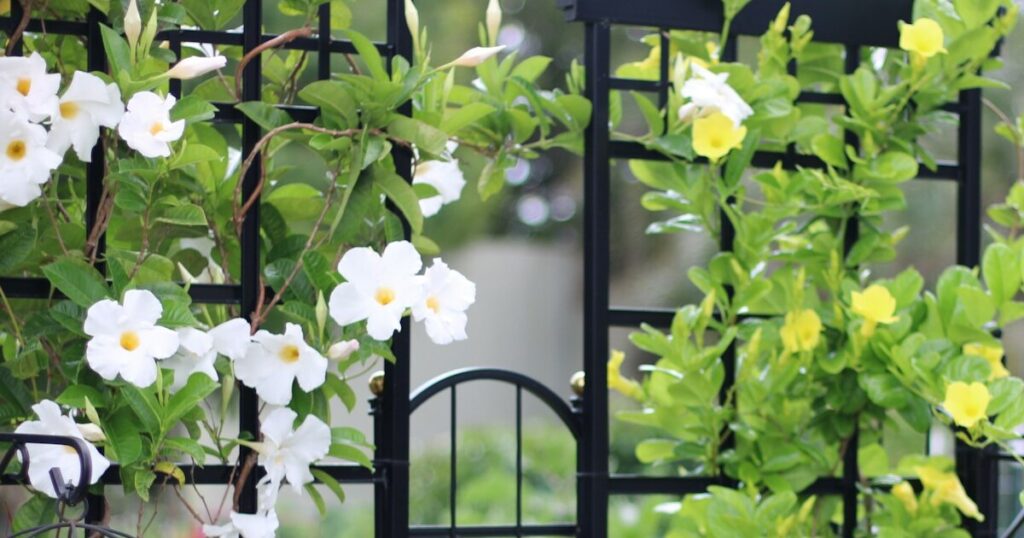
Cucumbers love climbing, but flopping vines on the ground in August invite pests and disease. I used to let my vining cukes sprawl, only to find sun‑scalded fruit hiding under leaves, half‑eaten by slugs seeking moist shelter. It’s such a bummer when your harvest is chewed before you even see it!
Cucumis sativus, native to South Asia, isn’t invasive—but sprawling vines create a humid microclimate that fosters powdery mildew and downy mildew. Erecting a simple trellis improves air circulation, keeps fruit clean, and makes harvesting a breeze. Plus, those vertical vines attract beneficial predatory insects—ladybugs and lacewings—that nest in nearby ground covers. You’ll end up with healthier cucumbers and a more cheerful patch!
Overfertilizing Tomatoes
Pouring on high‑nitrogen fertilizer in August can lead to lush foliage with few flowers or fruit—a frustrating outcome when you’re craving late‑season tomatoes. I’ve stuffed buckets of compost around my indeterminate varieties thinking it would boost yield, only to get vines thicker than my arm and barely a single cherry tomato!
Tomato plants (Solanum lycopersicum), originally from western South America, aren’t invasive in home gardens. However, excessive nutrients can wash away, polluting waterways and feeding algae blooms downstream. Instead, in late summer, switch to a fertilizer higher in phosphorus and potassium to support fruit set and ripening. That balance encourages pollinators like honeybees to visit open blossoms, while maintaining nesting habitat in nearby flowering herbs. Your vines will thank you with a bounty of perfectly ripened tomatoes!
Disturbing Soil Life with Excessive Tilling

August might tempt you to turn your beds over for a fall planting, but fresh tilling disrupts earthworms, mycorrhizal fungi, and ground‑nesting bees. I once tilled a section too deeply, only to realize I’d buried countless worms and broken up old bee nests—regretful cleanup!
Many earthworm species in North America were introduced from Europe, yet they play a vital role aerating soil and cycling nutrients. Excessive tilling destroys their tunnels and exposes them to predators and sun, while also unearthing solitary bee nests hidden just below the surface. Instead, adopt a no‑till or minimal‑till approach: top‑dress with compost and mulch, and use shallow forks to loosen without upheaval. You’ll nurture a thriving underground community that supports healthier, more resilient plants into the fall!