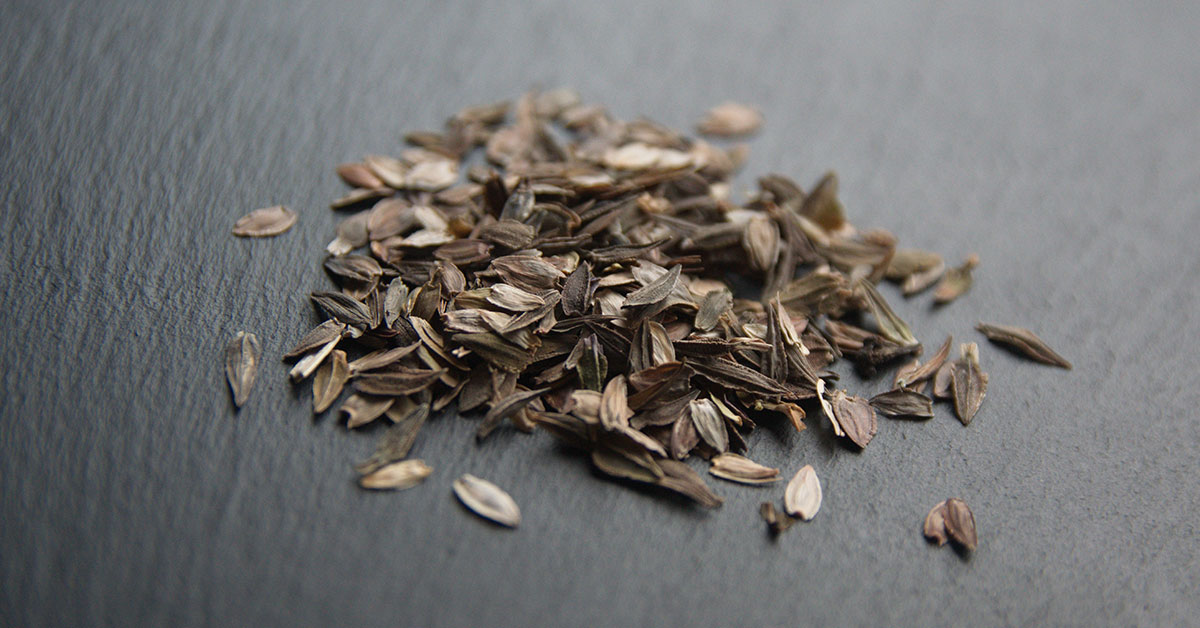

August marks a pivotal moment in the garden calendar: the transition from blossom to bounty. As the heat of summer begins to wane, many annuals and even some biennials channel their energy into seed production. Harvesting these seeds not only preserves your favorite varieties for next year but also supports the myriad of beneficial insects and birds that rely on spent blooms for nesting and nourishment. It’s such a thrill to spot those ripe pods and plump seed heads, knowing you’ll capture nature’s promise of tomorrow’s blooms!
I know how frustrating it can be to miss the perfect window—too soon, and seeds are undeveloped; too late, and they scatter to the wind or fall prey to hungry critters. One of my favorite late‑summer rituals is strolling the beds at dawn, scissors in hand, looking for dry calyces and rattling capsules. Below are fifteen flower seed types you can confidently harvest in August, complete with tips on identifying readiness, native ranges, invasiveness potential, and the wildlife they support.
English Poppy (Papaver rhoeas)
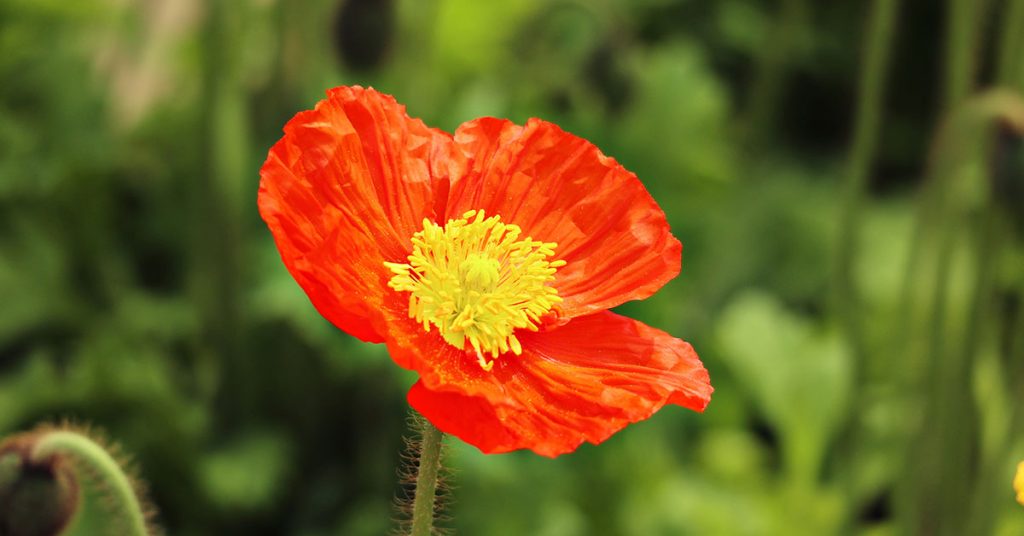
English poppy, native to temperate Europe and western Asia, produces papery petals that dry to reveal round pods filled with tiny black seeds. Wait until the pods turn pale tan and rattle when gently tapped—then snip the heads and shake into a bag. The translucent, dried capsule walls are the perfect nest‑site for minute parasitoid wasps, which emerge in fall to parasitize garden pests!
Collecting these seeds early ensures viability before wind or birds sweep them away. After harvesting, leave a few spent stems standing; solitary bees and hoverflies often nest in the hollow stalks, emerging next spring to pollinate your crops.
Four‑O’Clock (Mirabilis jalapa)
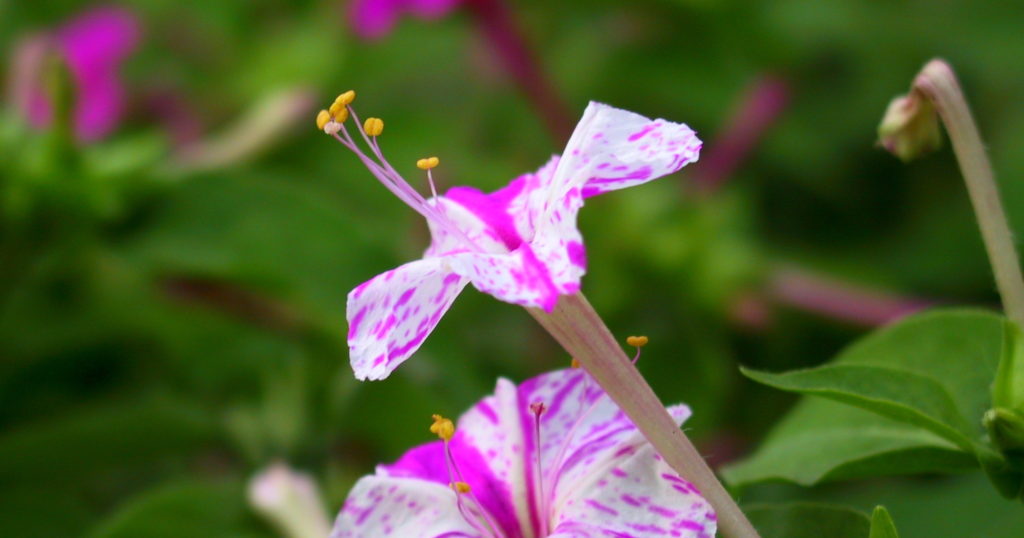
Four‑o’clock flowers, native to tropical America, close during the day and open at dusk. By August, their green seed pods have hardened and begun to split, revealing glossy, dark brown seeds. I love gathering them at twilight, when night‑active moths and hawk moths visit the blooms, often leaving tiny eggs tucked into nearby leaf litter!
These seedheads also shelter ground beetles and springtails under surrounding foliage. Leave some intact clusters in a sheltered spot to provide overwintering habitat for these beneficial soil dwellers.
Salvia (Salvia splendens)
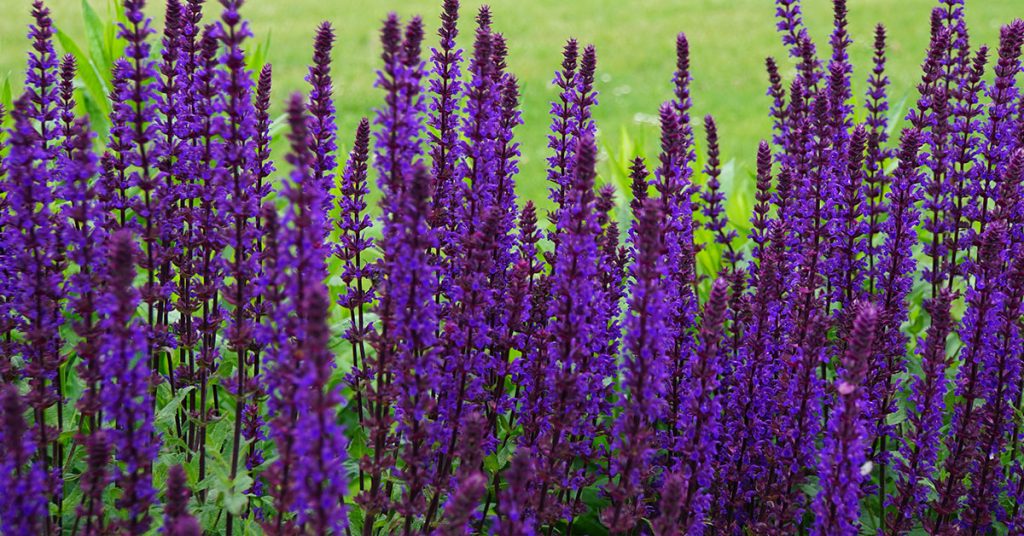
Scarlet sage, originally from Brazil, develops paired nutlets inside its dried flower calyces. When the bracts turn papery and the flower spikes fade, rub the clusters gently between your fingers to release smooth, brown seeds. It’s such a sensory delight to feel those little nuggets pop free!
The hollow bracts serve as daytime refuges for lacewings and predatory mites, which emerge to feast on aphids in cooler months. Saving some spent spikes in a quiet corner maintains habitat for these natural pest‑controllers.
Zinnia (Zinnia elegans)
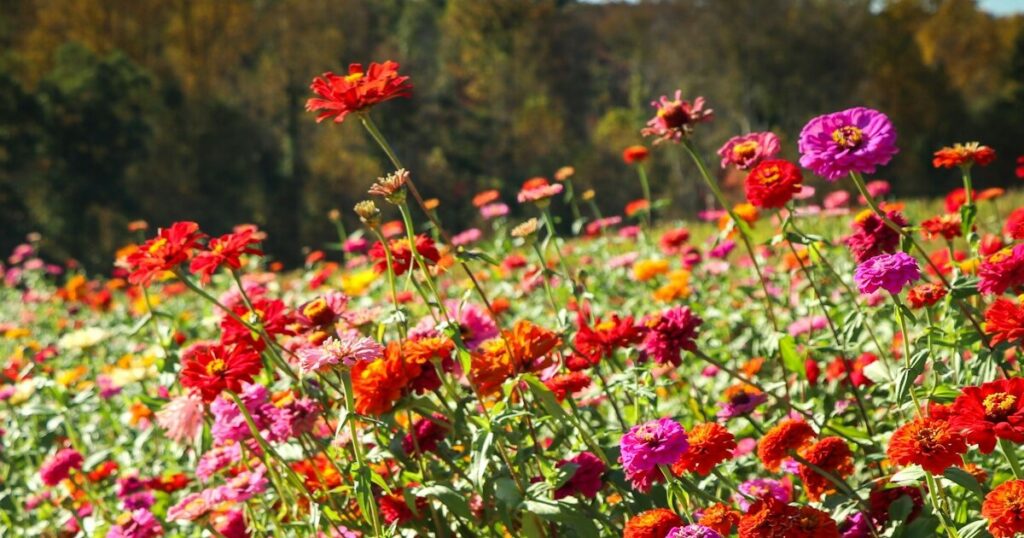
Zinnias, native to Mexico, form disc‑shaped seedheads that turn from green to tan. Once the petals shrivel and the disk becomes firm, comb your fingers through the bracts to extract slender, brown seeds. I always admire the way the sun catches those tiny, striped seeds!
The dried heads also attract small spiders and predatory wasps, which nest among the dead florets. Leaving a fraction of seedheads undisturbed encourages these guardians to patrol your beds for slugs and caterpillars.
Larkspur (Delphinium consolida)
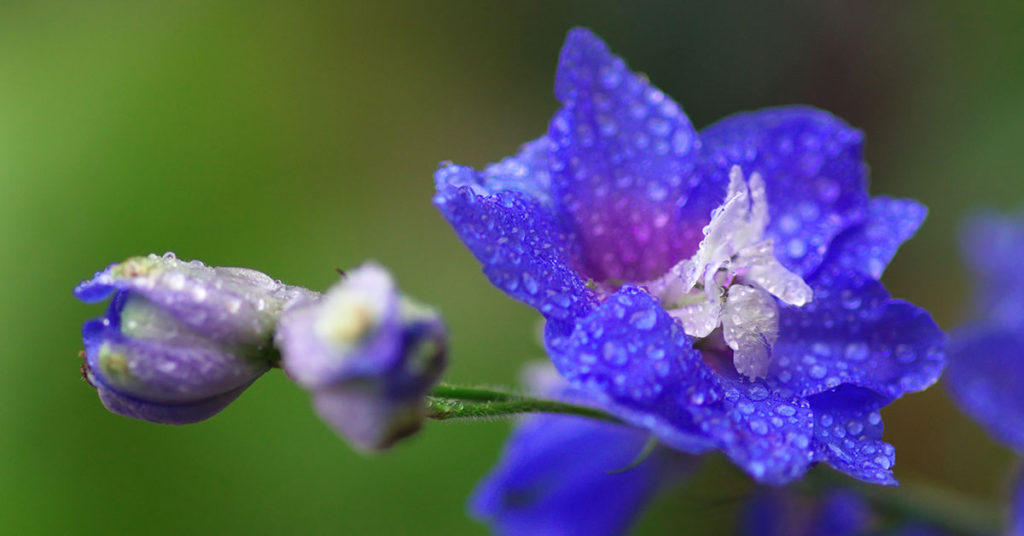
Delphiniums, originally from Eurasian meadows, yield flattened, palm‑shaped pods. When the pods split to reveal shiny black seeds, shake each stalk gently into a container. Watching those seeds spill out feels like releasing polished gemstones!
Those sturdy stalks provide winter housing for ground beetles and solitary bees. Retaining a handful of spent flowering stems ensures these beneficials have a place to overwinter close to their summer food source.
Calendula (Calendula officinalis)

Pot marigolds, native to the Mediterranean, dry into conical seedheads. When the outer petals curl and the cone turns brown, pinch off the heads and peel back the scales to reveal curved, dark seeds. The contrast of orange petals and black seeds always brightens my harvest bowl!
These seed cones also shelter ladybugs and minute pirate bugs that hunt thrips. Leaving a few intact in shaded nooks maintains a healthy population of these natural predators into fall.
Black‑Eyed Susan (Rudbeckia hirta)
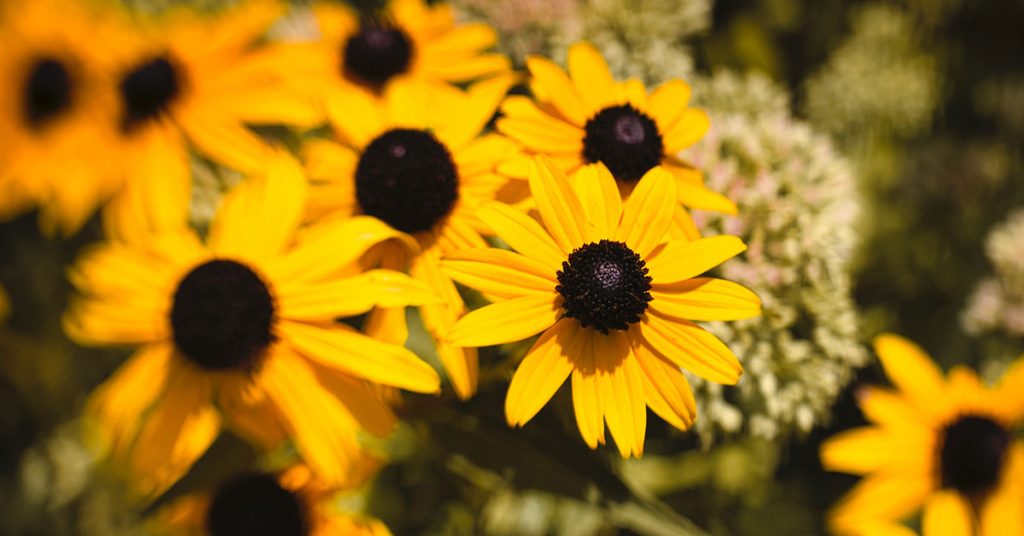
Black‑eyed Susan, native to North American prairies, forms spherical seed cones once the yellow petals fall. When the cones harden and the seeds rattle inside, cut the heads and rub them over a tray to collect small, striped seeds. It’s such a treat to shake loose those prairie treasures!
The cones also provide nesting cavities for tiny cavity‑nesting bees. Saving several seedheads on sturdy stems ensures these pollinators have shelter through cooler evenings.
Love‑in‑a‑Mist (Nigella damascena)

Love‑in‑a‑Mist hails from southern Europe and north Africa and produces inflated pods that dry to papery capsules. Once the fine, fern‑like foliage turns brown and the seedpods rattle, clip them and shake out small, triangular seeds. Popping open each pod feels like discovering hidden treasure!
The hollow pods double as overwintering homes for tiny predatory wasps and rove beetles. Leaving a few in place helps sustain these pest‑eaters into late autumn.
Sunflower (Helianthus annuus)
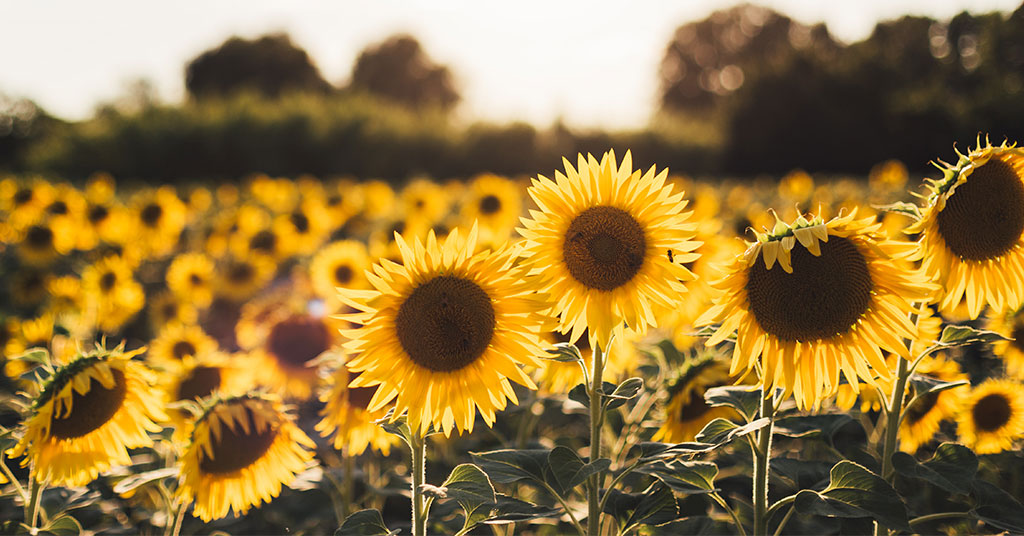
Sunflowers, native to central North America, develop large heads studded with seeds. When the backs of the heads yellow and the bracts curl, cut and hang them upside down in paper bags to collect the plump, black‑and‑white seeds. I love hearing the soft patter of seeds falling into place!
Whole heads also serve as winter shelters for chickadees and nuthatches. Positioning a few heads on hooks provides food and nesting sites for these seed‑eating birds.
Cornflower (Centaurea cyanus)

Cornflower, or bachelor’s button, from Europe’s grain fields, dries into thistle‑like seedheads. When the bright blue petals fade and the head turns tan, pinch it off and rub to free slim, oblong seeds. It’s such a satisfaction to see those slender grains fall into your hand!
Retaining some seedheads in a sunny patch attracts small bees and butterflies that nest under leaf litter. Their presence helps control mites and small caterpillars in surrounding plants.
Lupine (Lupinus polyphyllus)
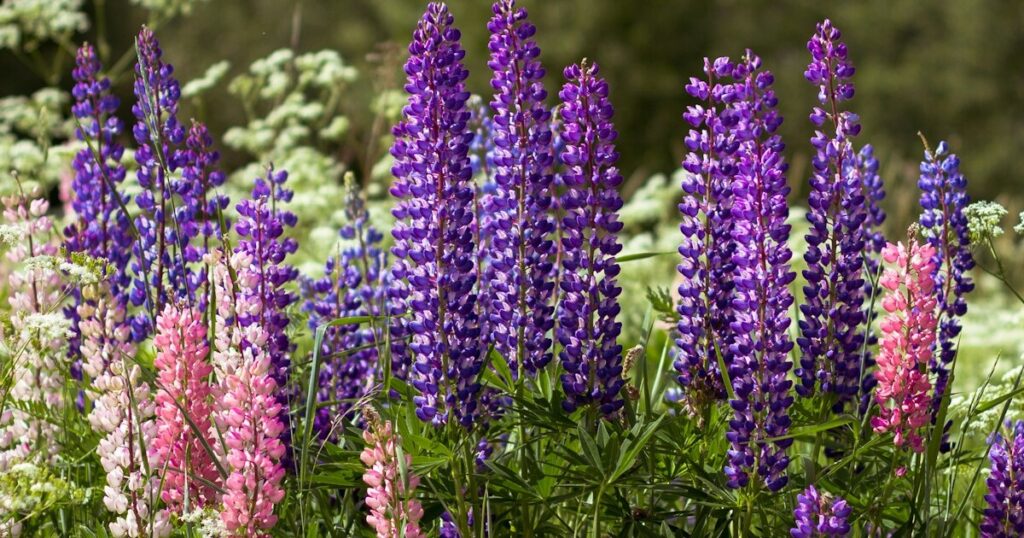
Lupines, native to western North America, form thick pods resembling pea pods. When pods rattle with heavy seeds inside and the plant foliage starts to yellow, pick and open the pods to retrieve round, pea‑like seeds. I always marvel at how such geometric shapes come from a wildflower!
Those empty pods provide good hiding spots for ground‑dwelling beetles and rove beetles. Leaving a few pods among mulch encourages these creatures to patrol for slugs and grubs.
Sweet Alyssum (Lobularia maritima)
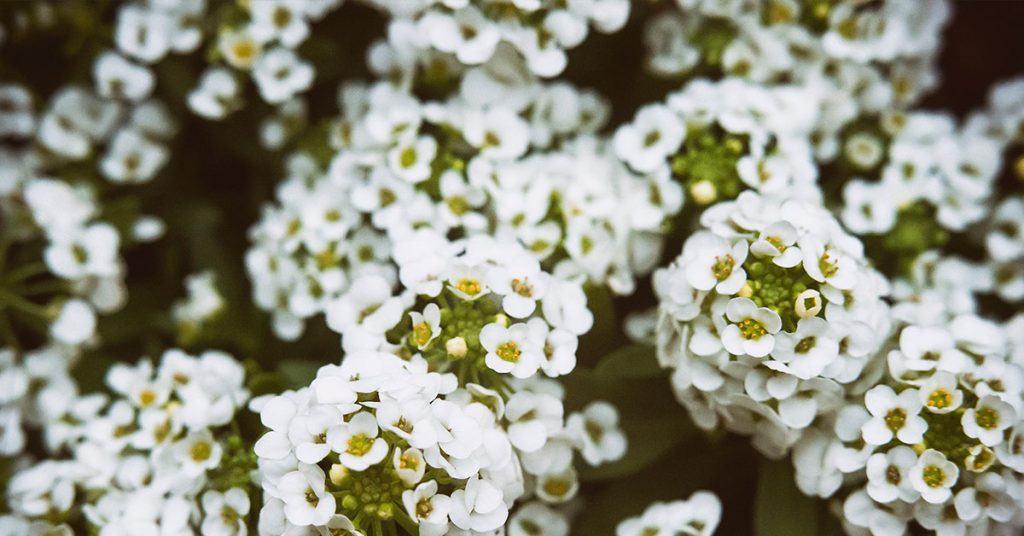
Sweet alyssum, originally from the Mediterranean coast, forms slender, upright seed pods. When the white, honey‑scented flowers fade and the pods turn brown, pinch and crush to release tiny, round seeds. The soft rustle of those tiny beads is a delight to the ears!
The thin stalks also attract predatory mites that nest in the litter below. Keeping some stalks intact preserves microhabitats crucial for early‑season pest control.
Echinacea (Echinacea purpurea)

Purple coneflower, native to eastern North America, forms spiky seed cones once petals drop. When cones feel dry and seeds slip easily, cut the heads and rub to release triangular, flattened seeds. The texture of those seeds is as intriguing as the flower itself!
Those coneflower heads also double as winter perches for chickadees and finches, which glean insect larvae and seeds. Leaving several heads intact supports these backyard birds through the colder months.
Tagetes (Tagetes patula)
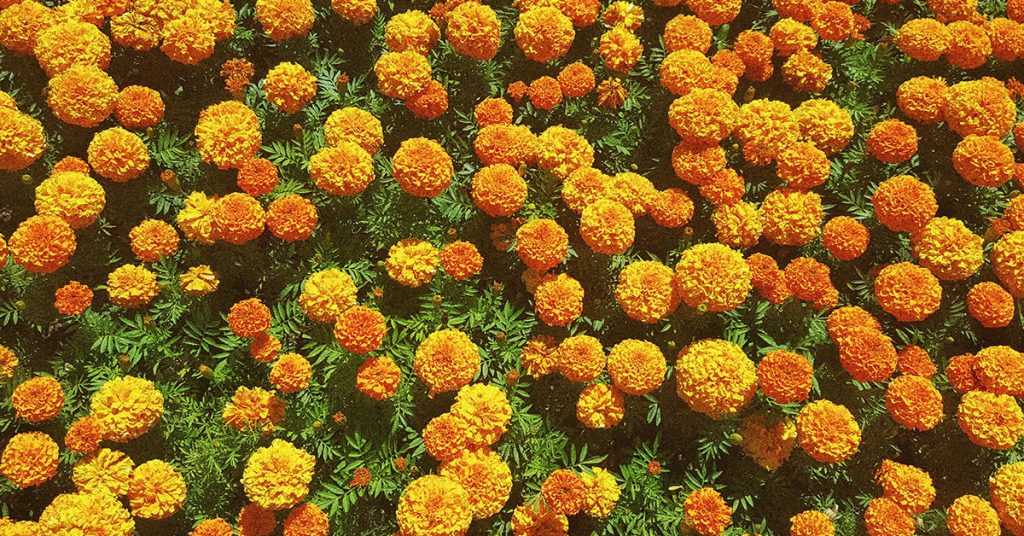
French marigold, hailing from Mexico and Central America, dries into shaggy, irregular seedheads. When blooms fade and the heads turn brown, pluck and rub them to extract elongated, ribbed seeds. Their unique shape is a constant conversation starter in my seed jars!
Seedheads provide cover for minute pirate bugs, which emerge to feast on thrips in adjacent beds. Retaining a few clusters encourages these tiny predators to linger where you need them most.
Celosia (Celosia cristata)

Cockscomb, native to tropical Africa, forms dense, crested blooms that dry into feathery plumes. When the color dulls and the plumes turn papery, strip clusters by hand to gather the minute, round seeds. Handling those fluffy panicles is always a sensory delight!
The dense flower heads also attract nesting solitary bees, which harvest plant fibers to line their brood cells. Leaving a patch intact supports these key pollinators as they prepare for cooler nights ahead.