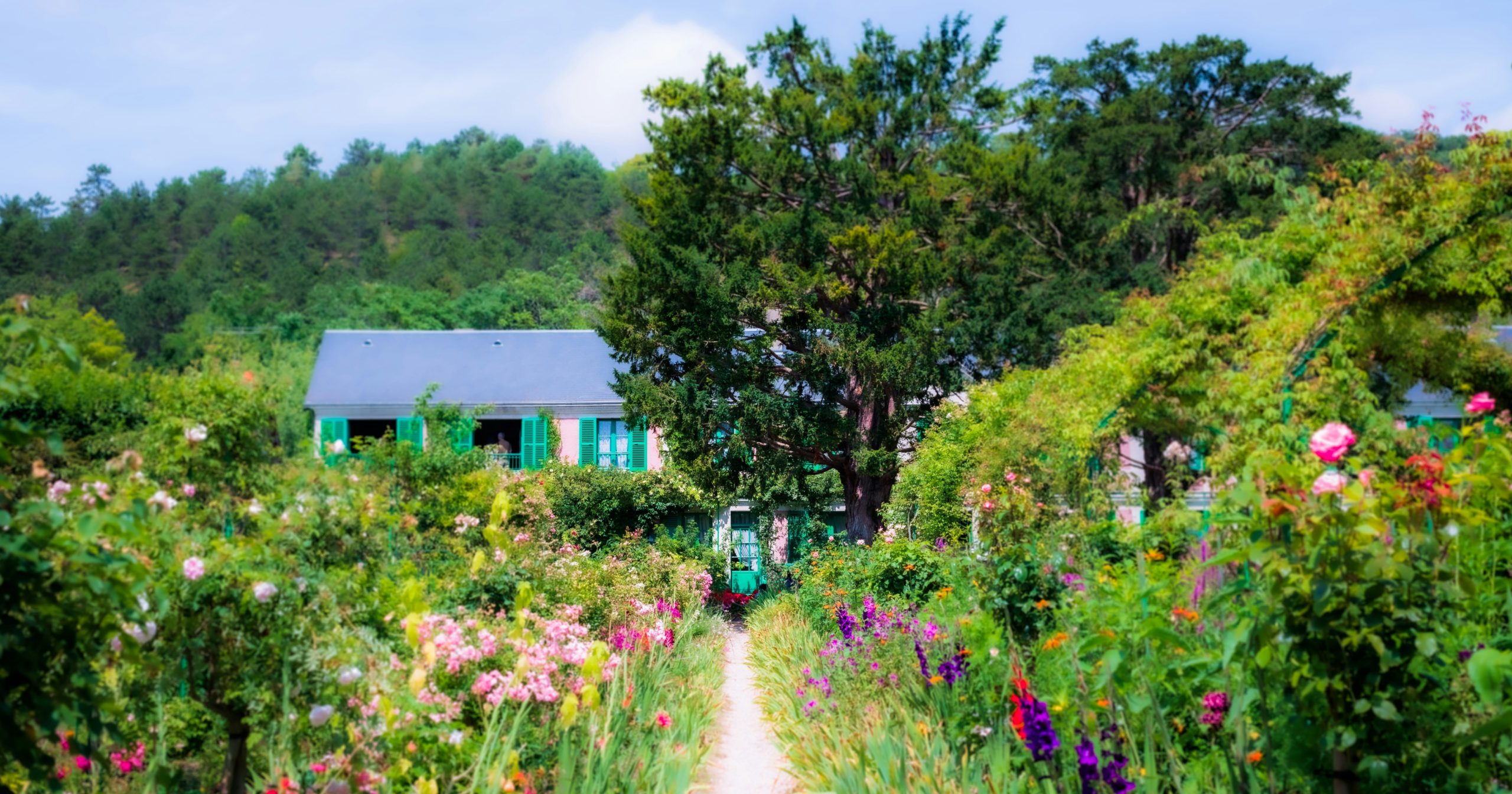

As summer days begin to shorten and evening breezes carry a hint of crispness, August becomes the perfect time to set the stage for a spectacular autumn display. By planting the right varieties now, you’ll enjoy bursts of color and texture that carry you through September and October. It’s such a thrill to see asters unfurl and kale turn violet against a backdrop of fading summer blooms!
I know how frustrating it can be to realize too late that your beds need a fall refresh. One of my favorite parts of late‑season gardening is mixing in new plants that attract pollinators and beneficial insects—even as the days cool. From perennials like Japanese anemones to cheerful pansies and hardy mums, these twelve suggestions will help you craft a garden that shines long after the heat has faded.
Japanese Anemones for Delicate Late Blooms
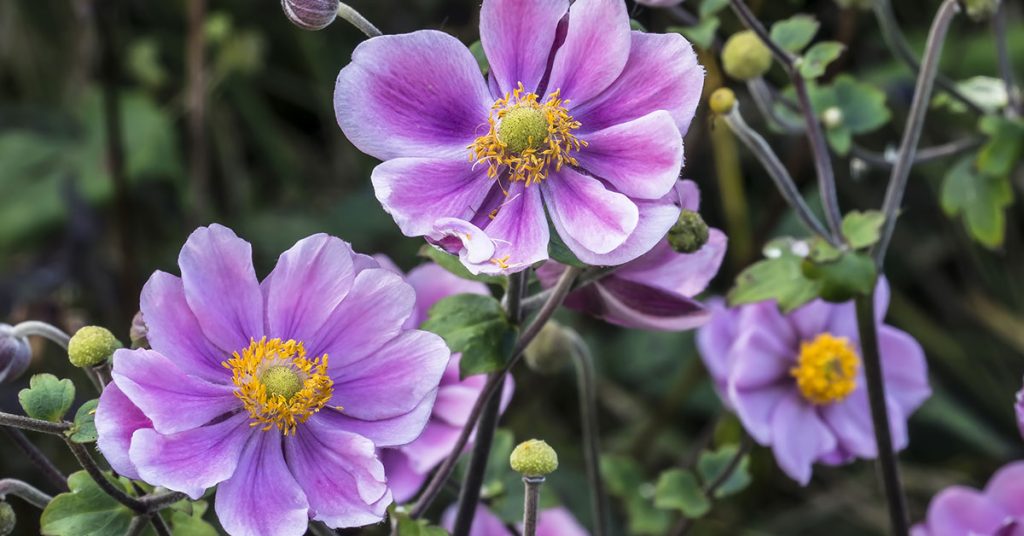
Japanese anemones (Anemone hupehensis), native to China and Japan, produce graceful, pastel flowers from late summer into fall. Their tall, wiry stems rise above ground‑covering foliage, creating airy drifts of white or pink blooms that flutter in the breeze. Introducing these perennials in August allows them to establish roots before cooler nights arrive!
Beyond their beauty, anemones attract hoverflies and small bees that nest in nearby leaf litter, helping to keep your garden ecosystem balanced. While not invasive in most climates, give them well‑draining soil and part‑shade to mimic their woodland origins and prevent overcrowding.
Ornamental Kale and Cabbage for Vibrant Foliage

Ornamental kale and cabbage (Brassica oleracea varieties), descendants of wild brassicas native to Europe, offer rosettes of frilly leaves in shades of purple, pink, and cream. These cool‑tolerant plants intensify in color after light frosts, making them a show‑stopping addition to your borders. Plant them in late August so they can root deeply and thrive in September’s crisp air!
Their dense foliage also provides nesting shelter for ground beetles and predatory wasps, which help keep aphids in check on nearby perennials. Just be mindful: some varieties can spread in mild winters, so pinch back any straggling seedlings to keep them contained.
Garden Mums for Classic Fall Cheer
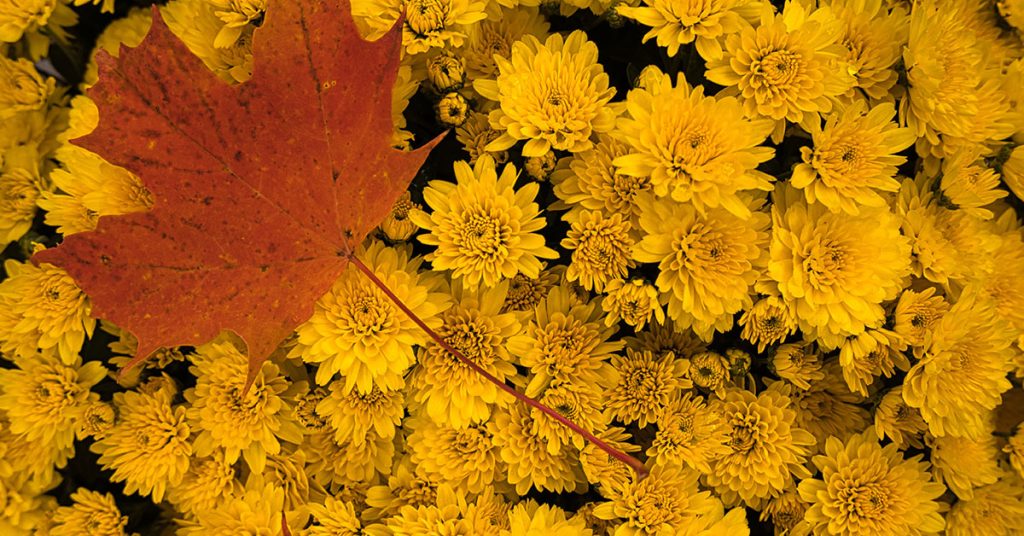
Chrysanthemums (Chrysanthemum × morifolium) have been cultivated in China for centuries and now grace autumn gardens worldwide with tight clusters of blooms in every shade imaginable. Planting hardy mums in August gives their root systems time to settle before the first frost. I love how a wave of golden or burgundy mums can brighten up wooden planters and garden edges!
These late‑blooming flowers attract bumblebees and butterflies seeking nectar before winter—many of which nest in hollow stems or nearby brush piles. To avoid invasive tendencies, choose garden mum cultivars labeled hardy in your zone and divide clumps every few years to maintain vigor.
Pansies and Violas for Cool‑Weather Color
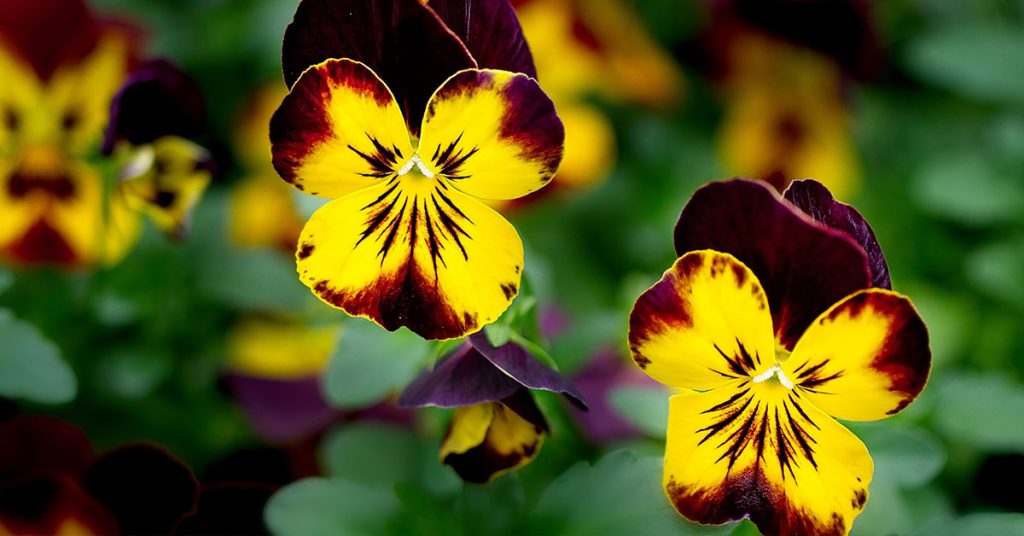
Pansies and violas (Viola spp.), with their cheerful “faces,” tolerate cool spells and even light frosts, rewarding gardeners with vivid blues, purples, and yellows through October. Native to Europe and western Asia, these hardy annuals bloom profusely when sown in August. I always scatter them in bare spots around shrubs for an instant color boost!
Beyond their visual appeal, viola flowers emit subtle fragrances that draw hoverflies and small solitary bees, which sometimes nest in cracks between paving stones. Just watch for aphids, and keep foliage tidy to prevent mildew in humid autumn weather.
Late‑Sown Cosmos for Profuse Petal Power
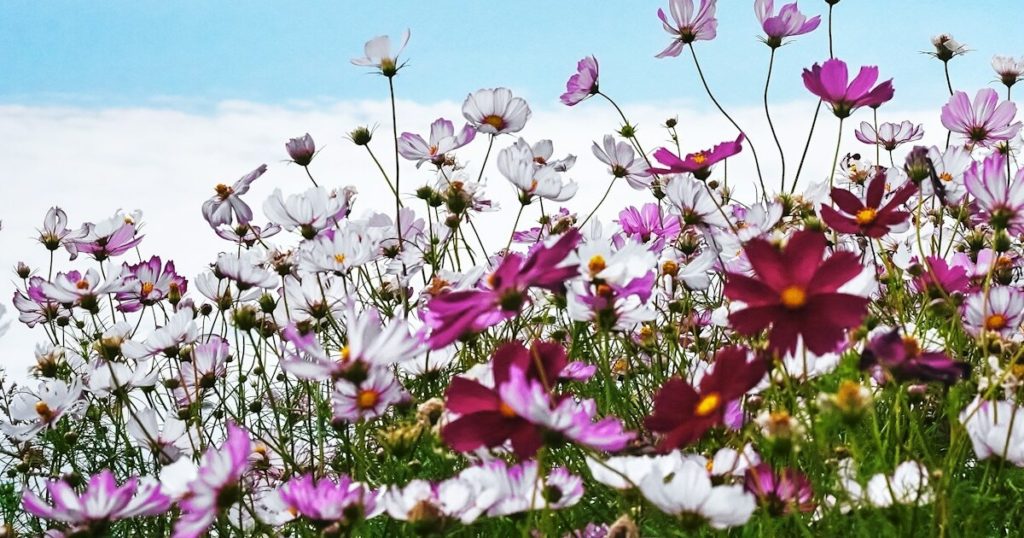
While many treat cosmos (Cosmos bipinnatus) as a summer annual, sowing seeds in early August yields a second wave of lacy blooms through fall. Originating from Mexico, these plants attract a host of pollinators—hoverflies, butterflies, and beneficial wasps—nesting in nearby stems and leaf litter. One of my favorite tricks is sprinkling cosmos seed around garden paths to create tumble‑through flower tunnels!
Cosmos are not invasive, but they do self‑seed eagerly. To keep volunteers under control, deadhead spent blooms regularly and gather seed pods if you’d like to reseed selectively next spring.
Sedum ‘Autumn Joy’ for Succulent Textures
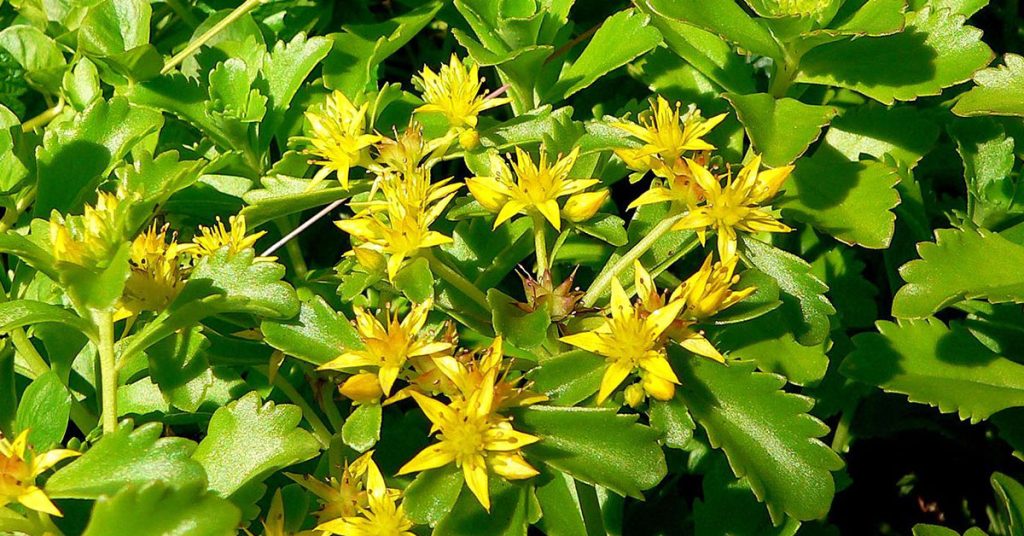
Sedum ‘Autumn Joy’ (Hylotelephium telephium), native to Eurasia, forms low‑mounded rosettes that transition from soft green to rosy pink as temperatures drop. Plant divisions or small pots in August to let roots anchor before cold weather sets in. Their thick, fleshy leaves not only add textural contrast but also provide nesting spots for predatory lady beetles and rove beetles in the surrounding mulch!
As the flower heads age, they dry to coppery tones that remain attractive well into winter, offering visual interest and seed resources for seed‑eating birds. ‘Autumn Joy’ is easily contained and rarely becomes invasive, making it a low‑maintenance star of the fall garden.
Ornamental Grasses for Movement and Structure

Grasses like Panicum virgatum (switchgrass, native to North America) and Pennisetum alopecuroides (fountain grass, native to Asia) bring vertical accents and rustling motion to fall borders. Planting plugs or divisions in August gives them time to establish root systems that withstand cooler nights. I adore how their feathery plumes catch golden afternoon light and attract nesting dragonflies in nearby water features!
These clump‑forming grasses are generally noninvasive and require minimal care once established. Their dense bases also provide winter cover for ground‑dwelling beetles and spiders, supporting a balanced garden ecosystem year‑round.
Sweet Alyssum for Ground‑Hugging Bloom
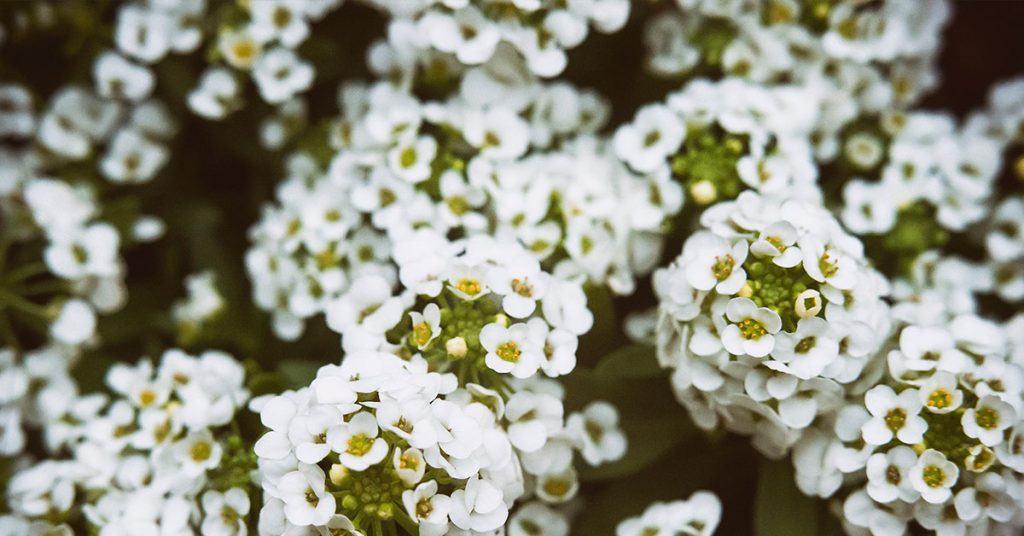
Lobularia maritima, or sweet alyssum, is native to the Mediterranean coast and thrives in cooler temperatures, producing carpets of tiny white, pink, or purple flowers. Sowing seed in August ensures a flush of blossoms that lure hoverflies—excellent aphid predators—and small solitary bees that nest in bare patches of soil. Their honey‑scented blooms also delight gardeners as they breeze past garden benches!
Alyssum is not invasive but can self‑seed in mild climates. To maintain tidy edges, deadhead spent blooms and reseed only in designated areas.
Fall‑Blooming Asters for Fuchsia‑Tipped Magic
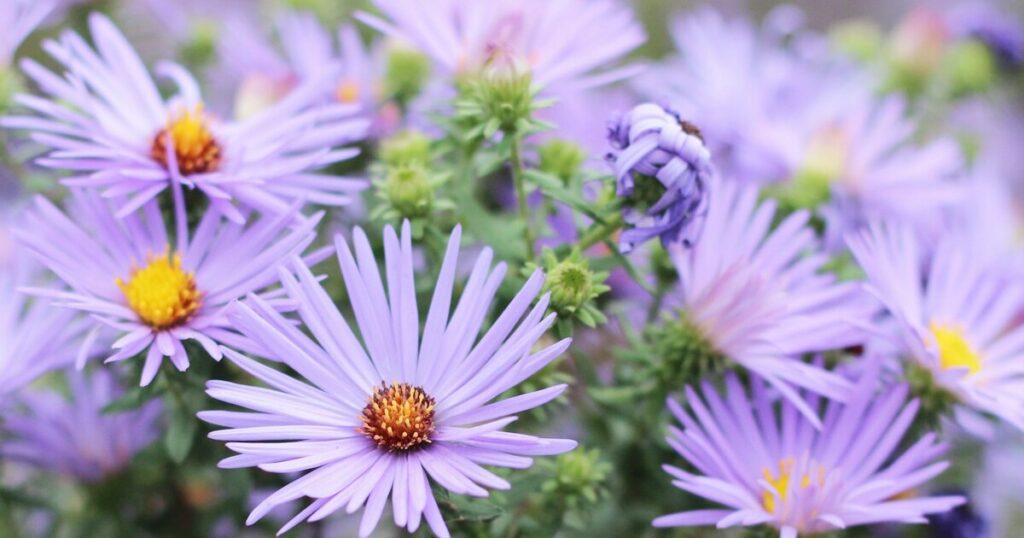
Asters (Symphyotrichum spp.), native to North America, burst into fuchsia, lavender, and white blooms from late summer well into fall. Plant divisions or potted asters in August, and stake taller varieties to keep their delicate stems upright. I love the way asters draw late‑season butterflies like monarchs, which often nest in hedgerows and thickets near these nectar sources!
Though vigorous, asters typically stay within their clumps if you divide them every few years. Their prolific blooms not only beautify the garden but also support predatory insects that seek overwintering sites in the stems and leaf litter.
Goldenrod for Bulky Yellow Accents
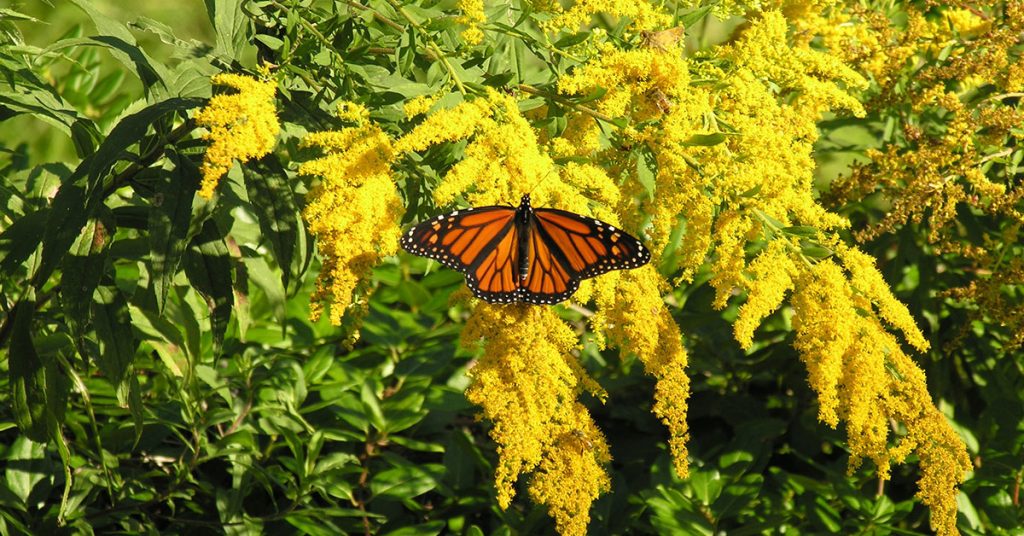
Goldenrod (Solidago spp.), native to North America and Europe, is often unfairly blamed for allergies but is crucial for pollinators seeking nectar in late fall. Planting August divisions or seedlings yields sprays of golden flowers that contrast beautifully with purples and oranges in the border. Goldenrod stems also serve as nesting sites for small bees and lacewings over winter!
To prevent aggressive spread in mild climates, choose clumping species like Solidago sphacelata and remove stray runners in spring. Their tall, bright plumes complete the autumn palette and sustain beneficial insects when other resources wane.