

Keeping a vigilant eye on your garden beds is one of the simplest ways to ensure that your plants thrive from seedling to harvest. It’s such a bummer when aphids or caterpillars sneak in overnight, leaving you with ragged leaves and stunted growth! By making bed checks part of your routine, you’ll catch trouble before it explodes, safeguard your favorite veggies and flowers, and keep those beneficial garden helpers buzzing and nesting where you need them most.
I know how frustrating it is to invest hours in planting tomatoes or lettuce only to discover an infestation just as fruits start to form. From Texas tomatoes (native to western South America) to crisp Romaine lettuce (native to the Mediterranean), every plant has its own pest profile—and some, like mint (native to Europe and Asia), can even become invasive volunteers if left unchecked. Let’s explore ten compelling reasons to don your gloves, grab your hand lens, and make those daily or weekly patrols!
Preserve Beneficial Insects and Pollinators
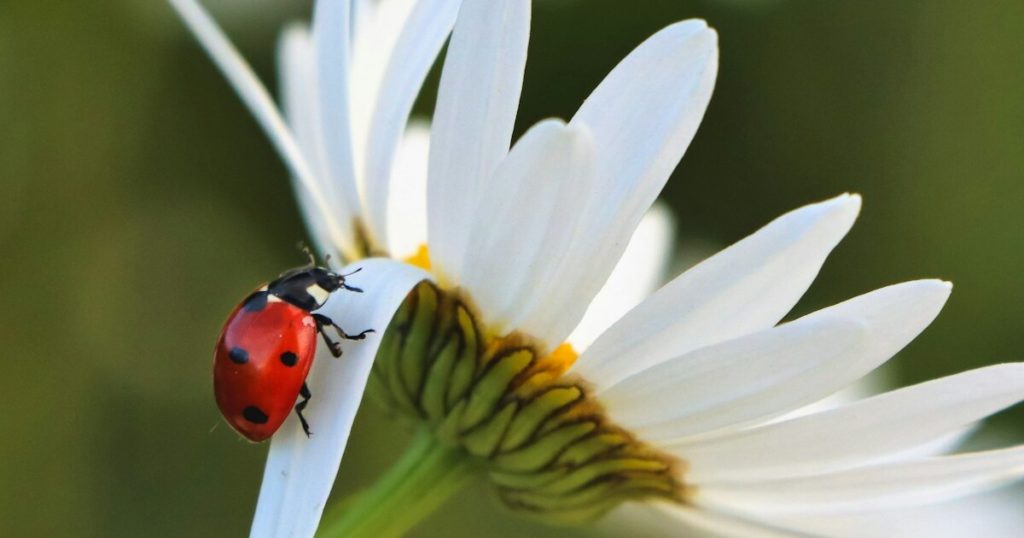
Regularly scouting your beds helps you distinguish between harmful pests and the beneficial insects that keep them in check. Ladybugs, lacewings, and parasitic wasps often nest in low-growing foliage or in the loose soil beneath marigolds (Tagetes spp., native to Mexico and Central America). By spotting early pest outbreaks, you avoid blanket pesticide applications that could decimate these garden allies!
For instance, when you notice small clusters of aphids on your basil (Ocimum basilicum, native to India) leaves, you can introduce a gentle blast of water rather than resorting to harsher controls. This simple step preserves hoverflies and predatory ground beetles—both of which nest in leaf litter—and maintains a balanced ecosystem that champions natural pest control!
Prevent Structural Damage to Vines and Roots
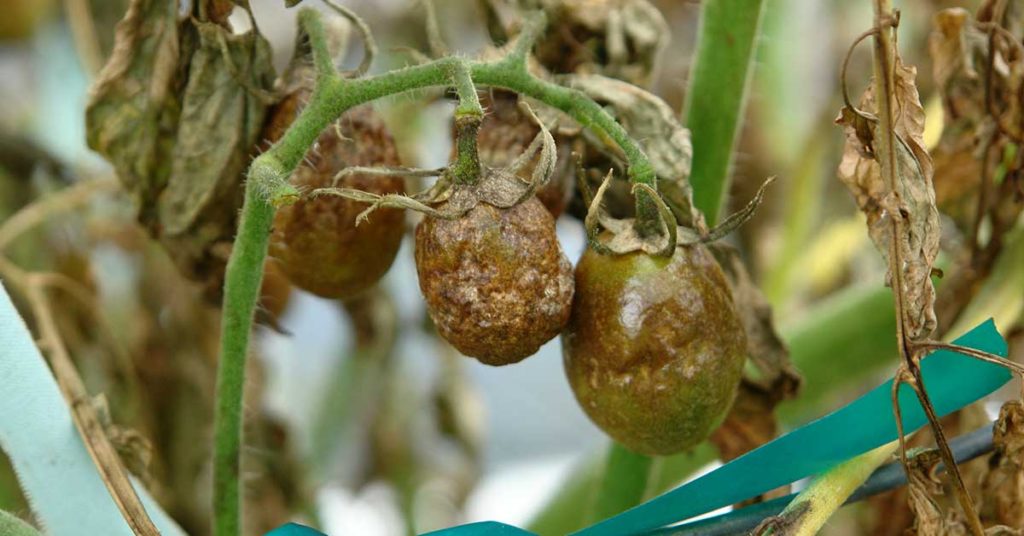
Soil-dwelling pests like wireworms and root-knot nematodes quietly chew on the roots of squash (Cucurbita pepo, native to Central America), weakening vines and making them prone to snapping under heavy fruit loads. Routine checks—feeling around the crown of each plant—alert you to unusual soil moisture or tunneling activity before your vines give way!
Aboveground, cucumber beetles can burrow into the stems of cucumbers (Cucumis sativus, native to South Asia), creating entry points for wilt pathogens. Catching these chewing scars early lets you remove affected stems, preventing cascading structural damage and ensuring your vines continue to sprawl healthily across the trellis rather than collapsing in tears!
Catch Infestations Before They Spread
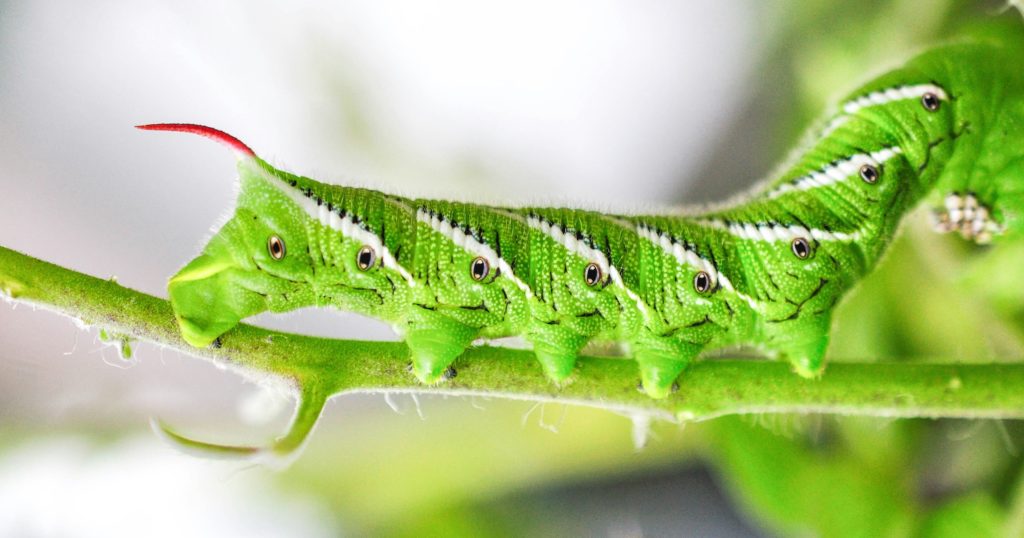
Early detection is key: spotting a few hornworms on your tomato plants means you can handpick them easily before they gobble entire branches overnight. These caterpillars, drawn by the sweet scent of Solanum lycopersicum (tomatoes native to western South America), hide under leaves during the day—so flipping foliage during your walkabouts pays off!
Similarly, a handful of slugs hiding under a damp lettuce head signals the need for traps or barriers, rather than letting populations multiply unchecked. By intervening early, you save yourself from widespread defoliation and the frustration of discovering an entire row of skeletonized leaves!
Maintain Aesthetic Beauty in Flower Beds

Nothing ruins the joy of a lush zinnia (Zinnia elegans, native to Mexico) display like chewed petals and ragged flower heads. Regular inspections allow you to remove tiny aphid colonies before they cause those unsightly sticky residues and sooty mold, preserving the vibrant colors that attract hummingbirds and butterflies!
Even ornamental vines such as clematis (native to Europe and Asia) can suffer from scale insects; by catching their pearly shells early, you keep blossoms looking crisp. A clean, pest-free bed also invites ground‑nesting Mason bees to set up shop, enhancing pollination for all your flowering treasures!
Safeguard Seedlings and Transplants

Young broccoli seedlings (Brassica oleracea, native to coastal Europe) are magnets for flea beetles, which create tiny shot‑hole damage that can stunt growth or kill tender transplants outright. Checking beds daily gives you a chance to shield seedlings with lightweight row covers or apply organic kaolin clay before serious damage sets in!
This habit also helps you spot signs of damping‑off fungi in the soil—a problem common in damp, shaded beds—allowing for better air circulation and soil amendment before your precious baby plants succumb. It’s immensely satisfying to see seedlings flourish under your watchful care rather than wilt away unnoticed!
Enhance Soil Health by Preventing Root Pests

Root‑feeding grubs can undermine the health of hardy beets (Beta vulgaris, native to the Mediterranean) by hollowing out storage roots before harvest. By gently probing the soil around each hill during checks, you can spot early tunneling and introduce beneficial nematodes that prey on these pests without harming earthworms!
Maintaining soil structure also supports nesting sites for ground‑dwelling beneficial insects like rove beetles. These predators patrol the upper soil layers at night, feeding on slug eggs and other pests, so keeping the bed free of large grub populations ensures they have ample prey to sustain their populations!
Prevent Disease Transmission
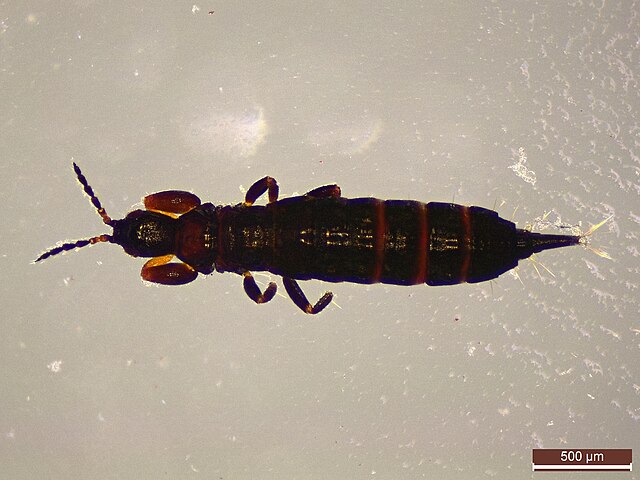
Many bacterial and fungal diseases hitchhike on the bodies of pests like aphids and thrips. By detecting and removing these insects early—especially on invasive volunteer mint or oregano plants—you reduce the chance of pathogens jumping to nearby susceptible crops such as peppers (Capsicum annuum, native to Central and South America)!
In addition, pruning away infested foliage lowers humidity in the canopy, discouraging fungus-loving splashes that spread downy mildew among your grape vine groundcover. Regular bed checks thus act as an early barrier against disease epidemics and protect the overall health of your garden community!
Manage Invasive Pests Before They Take Hold

Non‑native invasives like the squash vine borer (native to Central and South America but highly invasive elsewhere) can devastate cucurbit beds if left unchecked. Catching the tiny egg clusters on stems during routine inspections means you can scrape them off before those voracious larvae tunnel inside!
Similarly, the spotted lanternfly poses a threat to ornamental trees and shrubs—its sticky honeydew invites sooty mold that chokes leaves. Early removal of egg masses on your garden stakes or fencing stops this invasive pest in its tracks, preserving both your veggies and the nearby ornamental landscape!
Minimize Chemical Interventions

When you catch pest buildups early, you can often resort to targeted, organic controls—like neem oil or insecticidal soaps—rather than broad‑spectrum chemicals that harm beneficials. For example, a small aphid colony on your chrysanthemum (Chrysanthemum morifolium, native to Asia) may disappear with a gentle spray, preserving pollinator nesting sites in the surrounding mulch!
This approach also ensures your harvests—whether crisp salad greens or vibrant cut flowers—are free from residual toxins. It’s such a relief to know you’re feeding your family and guests produce grown under natural, eco‑friendly practices rather than relying on harsh chemicals!
Protect Crop Yields and Quality
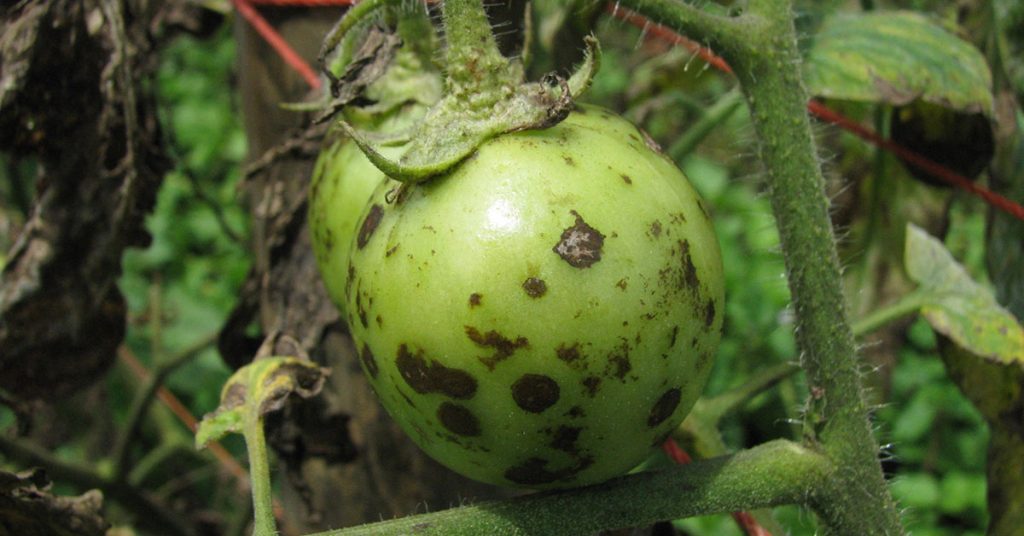
Unnoticed thrip infestations can scar the skin of heirloom tomatoes, reducing their market value and taste. By finding these tiny pests early during your bed walkthroughs, you safeguard the pristine fruit quality that makes homegrown tomatoes stand out at the table!
Likewise, potato beetles can defoliate entire potato plants (Solanum tuberosum, native to the Andes) in days. Finding their bright orange larvae early means you preserve leaf area, ensuring robust starch accumulation in tubers and a satisfying, full harvest at digging time!