
Finding the right flowers for dappled light and morning sun spots can feel like solving a garden puzzle—especially when you’ve tried sun‑loving varieties only to watch them wilt by afternoon! I know how frustrating it is to fill a shady corner with hopeful seedlings, only to see them fade. Creating a lush, colorful display in partial shade requires plants that naturally thrive under tree canopies or alongside north‑facing walls.
In this guide, we’ll explore fifteen exceptional flowering plants that adore filtered light and cool roots. Each selection is rooted in its native habitat, none are aggressive invaders in most gardens, and all invite beneficial insects—like ground‑nesting bees or fluttering butterflies—into your cool oasis. Let’s dig in and find the perfect blooms for your shadiest spots!
Hydrangea (Hydrangea macrophylla)
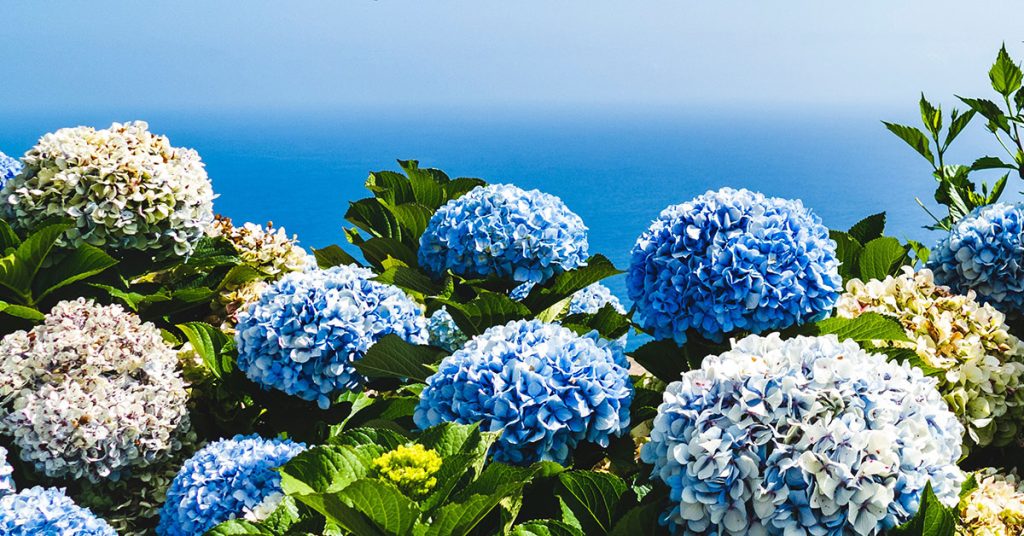
Hydrangeas hail from the woodlands of Japan and China, where they flourish under the filtered canopy of deciduous trees. Their large, mophead or lacecap flower clusters bloom in shades of pink, blue, and white, depending on soil pH. Partial shade keeps petals from scorching and prolongs bloom time, while rich, moisture‑retentive soil supports their thirst.
These shrubs provide nectar for butterflies and hummingbirds, and their thick stems offer shelter for nesting predatory insects. Hydrangeas are not considered invasive in most climates, as they spread slowly and gracefully, rewarding patience with spectacular summer displays!
Bleeding Heart (Dicentra spectabilis)
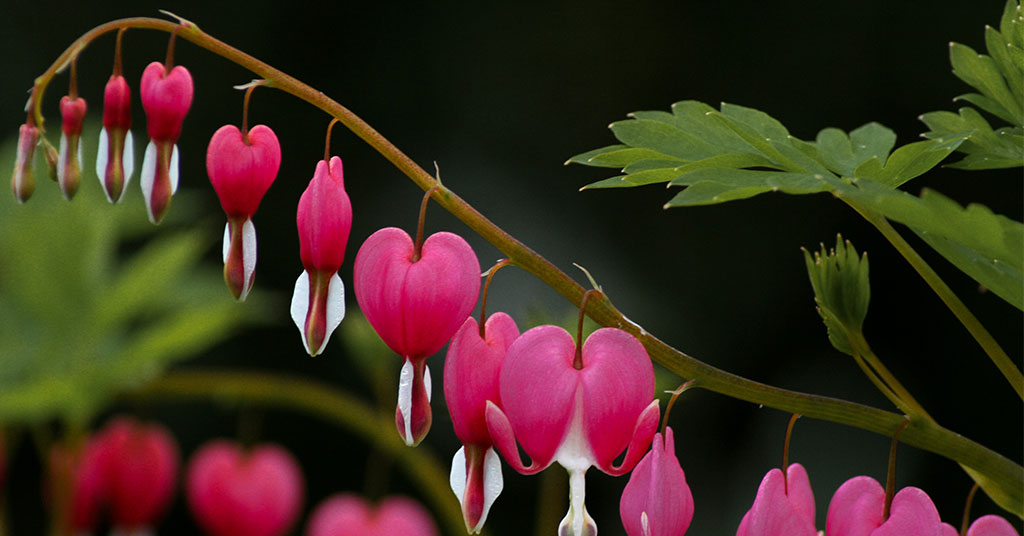
Native to Siberia and northern China, the old‑fashioned bleeding heart dazzles with arching stems of heart‑shaped pink and white flowers. It thrives in woodland edges, preferring cool roots and humidity, so planting under deciduous trees ensures morning sun and afternoon shade. The fern‑like foliage adds soft texture, and when the flowers fade, the leaves remain attractive into midsummer.
These charming blooms attract nectar‑seeking bees and hoverflies, which nest in the leaf litter below. Bleeding hearts are well‑behaved perennials, staying contained in their clumps without aggressive spread, making them perfect for a serene shade garden!
Impatiens (Impatiens walleriana)
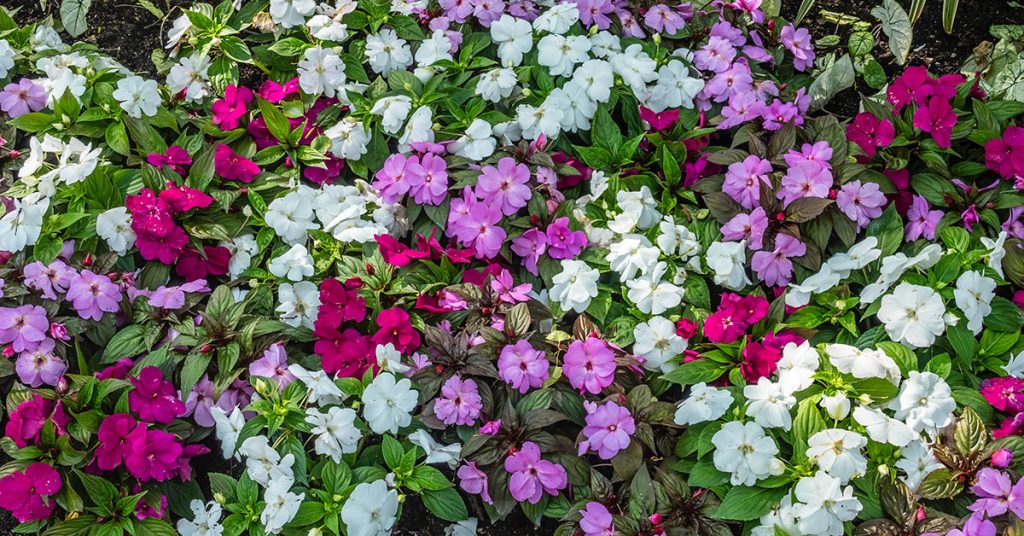
Impatiens, native to East Africa, are the quintessential shade annuals. Their bright, fluted flowers in reds, pinks, whites, and purples bloom profusely in shady containers or garden beds. They prefer moist, well‑amended soil and protection from scorching afternoon sun, which can cause petal burn or wilting.
These blooms are magnets for tiny bees and beneficial hoverflies, which often nest in the surrounding mulch. Impatiens are non‑invasive and rebloom reliably when spent petals are pinched away. They’re one of my favorite go‑to plants when I need instant color under tree canopies!
Foxglove (Digitalis purpurea)
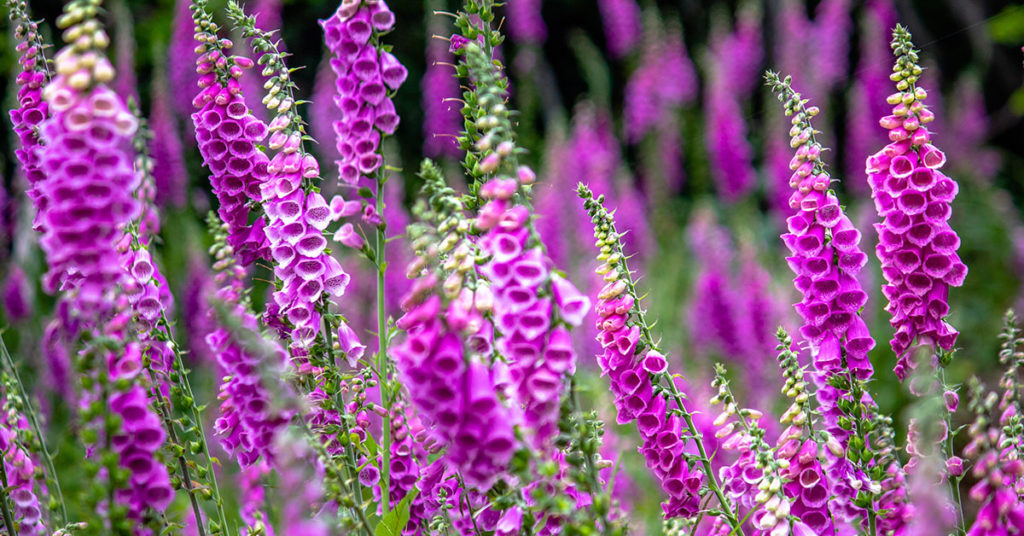
Foxglove originates from the woodlands and clearings of Europe, where its tall spires of bell‑shaped flowers sway in partial shade. These biennials or short‑lived perennials perform best with morning sun and afternoon dappled light. Their tubular blooms are a favorite of bumblebees, which slip inside to collect nectar and inadvertently pollinate each flower.
Because foxgloves produce abundant seed pods, they can self‑sow, but they rarely dominate your garden unless left unchecked. Removing spent flower stalks after bloom controls volunteer seedlings, ensuring these stately spikes remain an elegant, well‑behaved addition to your shaded borders.
Japanese Anemone (Anemone hupehensis)
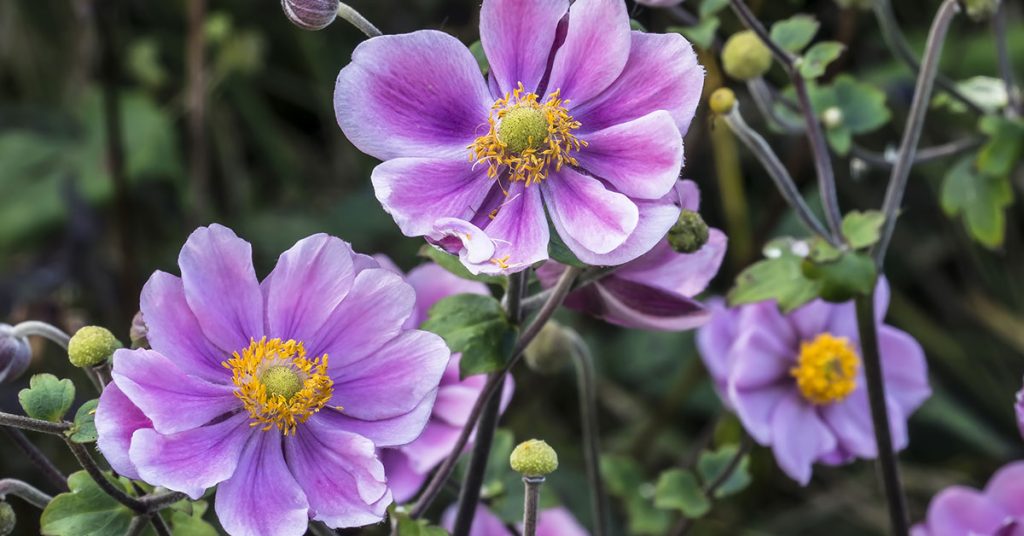
Native to China and Japan’s woodland margins, Japanese anemones bring delicate pastel blooms from late summer into fall. Their airy flowers perch atop tall stems, catching morning light before retreating into shade. Rich, moist soil and a spot protected from hot afternoon rays keep petals fresh and prevent leaf scorch.
These autumnal beauties attract late‑season butterflies and native bees, which nest in nearby groundcover. Japanese anemones spread slowly via rhizomes, but they’re not invasive; dividing clumps every three to four years keeps them vigorous without overtaking more sun‑loving neighbors.
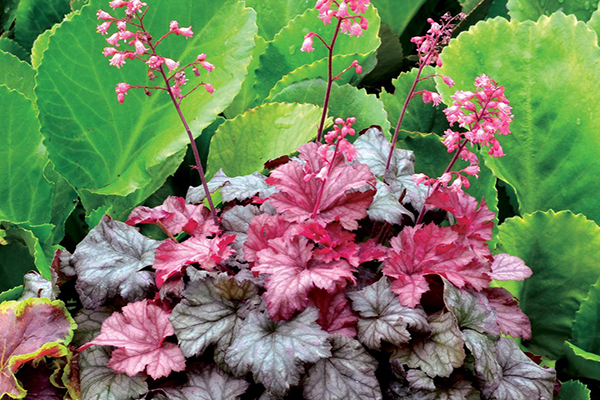
Heuchera (Coral Bells)
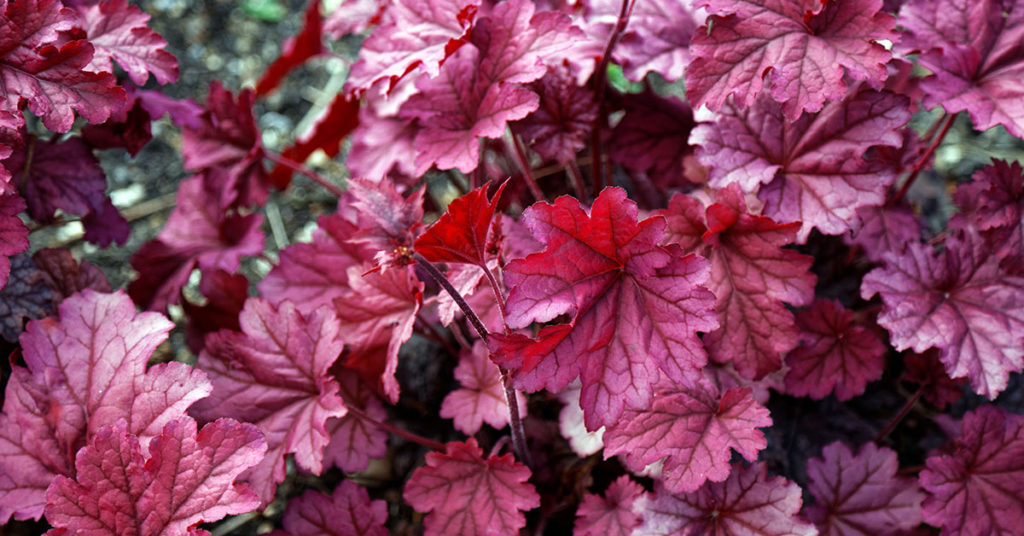
Coral bells, native to North American woodlands, pair colorful foliage with delicate flower stalks that rise above the leaves. While grown for their variegated or metallic leaves, their tiny bell‑shaped blooms in late spring attract hummingbirds and small bees nesting in nearby soil. They thrive in partial shade with well‑draining soil and regular moisture.
Heucheras aren’t invasive and remain clump‑forming perennials. Their foliage provides winter interest, and because pollinators seek shelter under the leaves, planting coral bells near garden paths invites charming insect encounters during quiet strolls!
Lily of the Valley (Convallaria majalis)
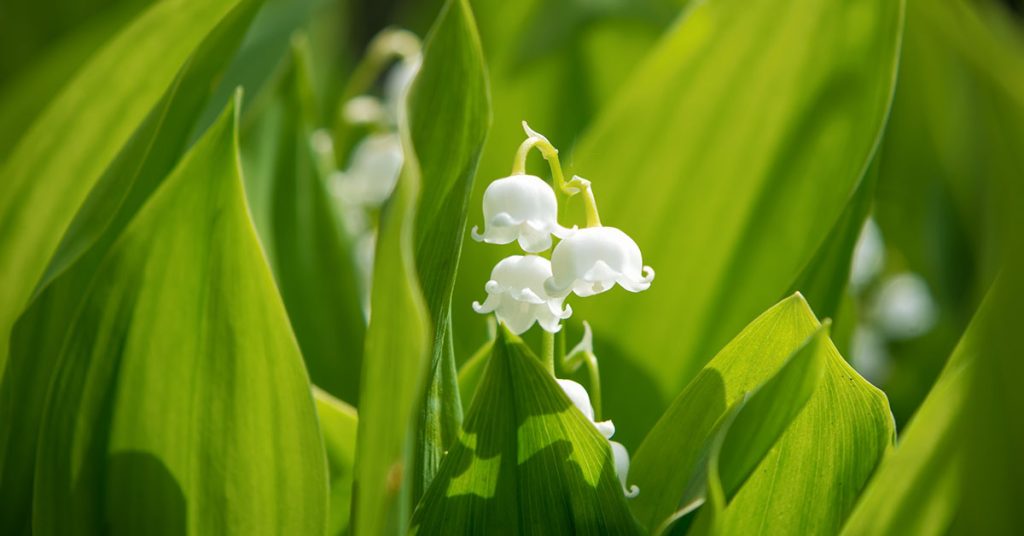
This European woodland native is prized for its fragrant, bell‑shaped white flowers in late spring. Lily of the valley flourishes in cool, shaded beds with moist, humus‑rich soil. Its broad leaves keep roots cool, mimicking its native forest floor habitat.
Though it spreads via rhizomes, it’s not typically invasive in most gardens if contained by edging or grown in pots. Its flowers attract small solitary bees, which nest in surrounding leaf litter. The intoxicating scent creates a soothing atmosphere for moments of reflection.
Toad Lily (Tricyrtis hirta)
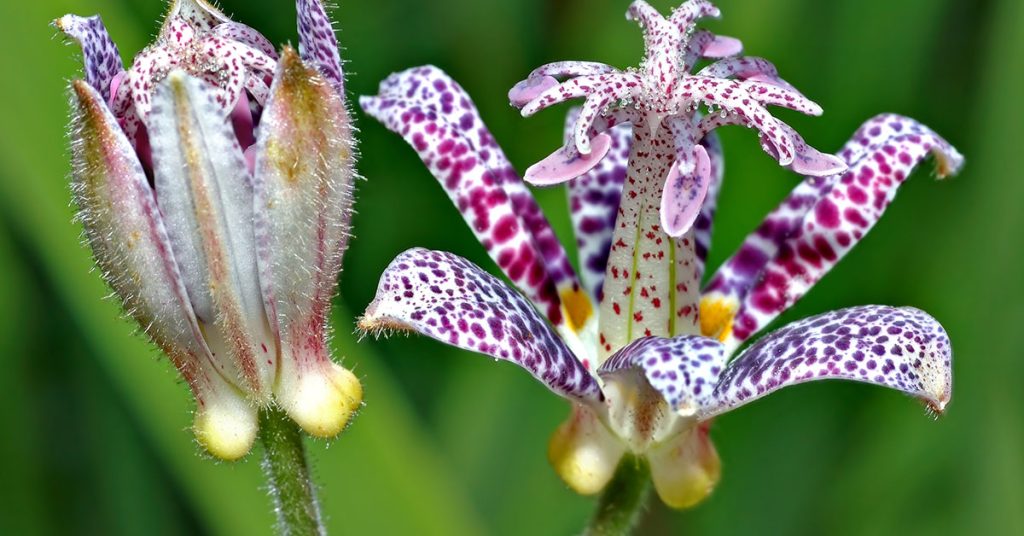
Toad lilies come from the shaded woodlands of Japan and thrive in moist, humus‑rich soil. Their orchid‑like, speckled flowers bloom in late summer on arching stems, providing intrigue when many sun‑loving plants are past their peak. They prefer dappled shade and consistent moisture, so planting along a shaded border is ideal.
These exotic blooms attract native moths and long‑tongued bees, which nest in nearby decaying wood or soil crevices. Toad lilies remain well‑behaved, expanding slowly without becoming invasive, adding late‑season interest to your shaded garden retreats.
Astilbe (Astilbe spp.)
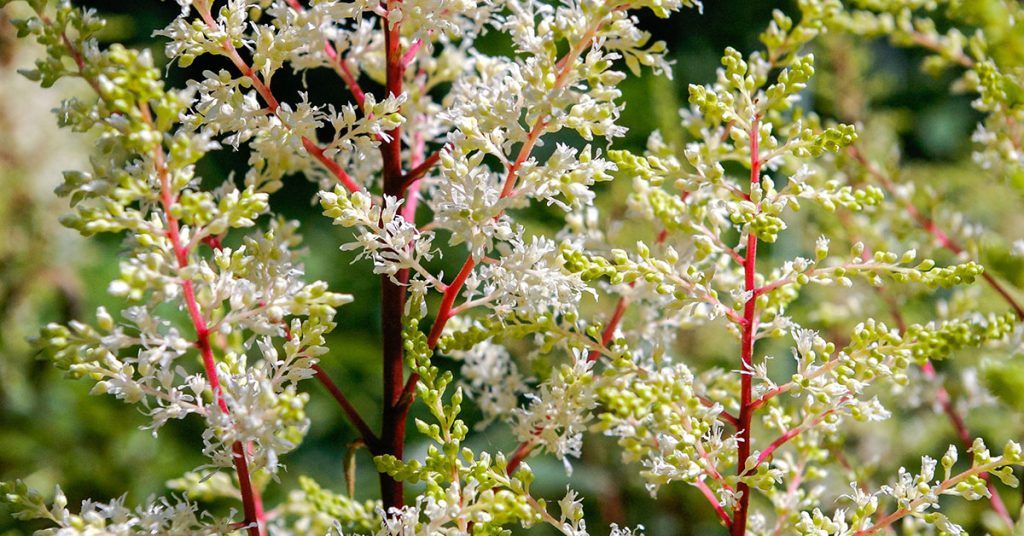
Astilbes are native to Asian and North American woodlands, where their feathery plumes of red, pink, or white blooms rise above fern‑like foliage. They love partial shade and consistently moist conditions, making them perfect companions for shade‑loving hostas. Astilbe flowers attract hummingbirds and small bees nesting in adjacent soil.
As clump‑forming perennials, astilbes are not invasive; dividing mature clumps every few years maintains vigor and controls spread. Their lush foliage and vibrant plumes create a dreamy, woodland‑floor effect that I always find deeply soothing!
Foamflower (Tiarella cordifolia)

Foamflower, native to eastern North American forests, offers delicate spikes of white or pink flowers above attractive, lobed leaves. It thrives in well‑draining but moist soils, under the canopy of deciduous trees. These low‑growing perennials create a carpet that shelters ground‑nesting bees and beneficial predatory insects.
Non‑invasive and slow‑spreading via rhizomes, foamflowers provide spring interest and excellent groundcover to suppress weeds. Their airy flowers gently sway in shaded breezes, making every walk through your garden feel like a soft, floral whisper.
Primrose (Primula japonica)
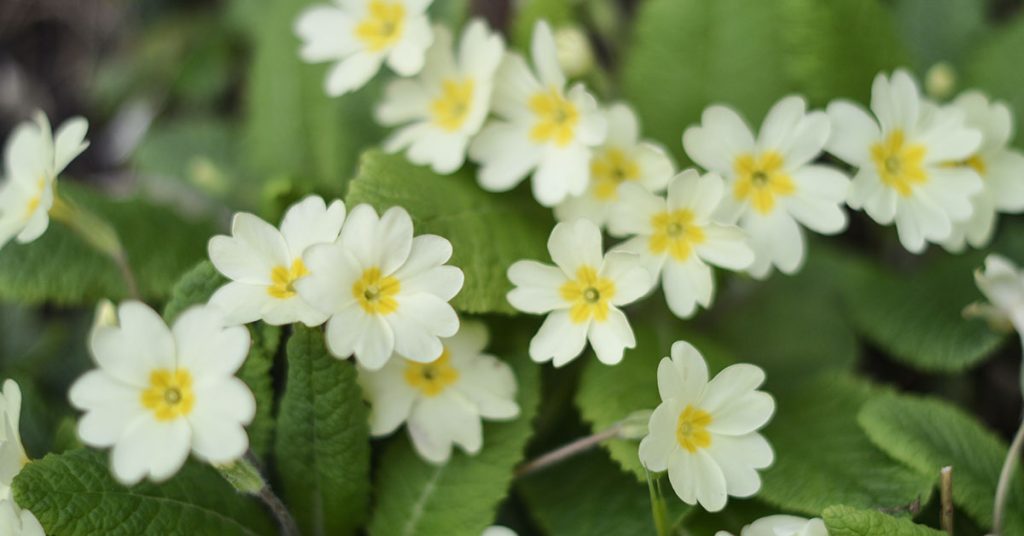
Japanese primrose is native to woodland streamsides, where its tiered whorls of pink, red, or white flowers bloom in spring. It prefers partial shade and consistently damp soil, so planting near a water feature or under a light canopy keeps it happy. The nectar‑rich blossoms attract butterflies and native bees, which nest in the damp earth below!
These perennials clump modestly and rarely escape their bounds, making them safe for mixed borders. Their early blooms herald the season’s start and lend a cheerful glow to shaded nooks when few other flowers have emerged.
Hellebore (Helleborus spp.)
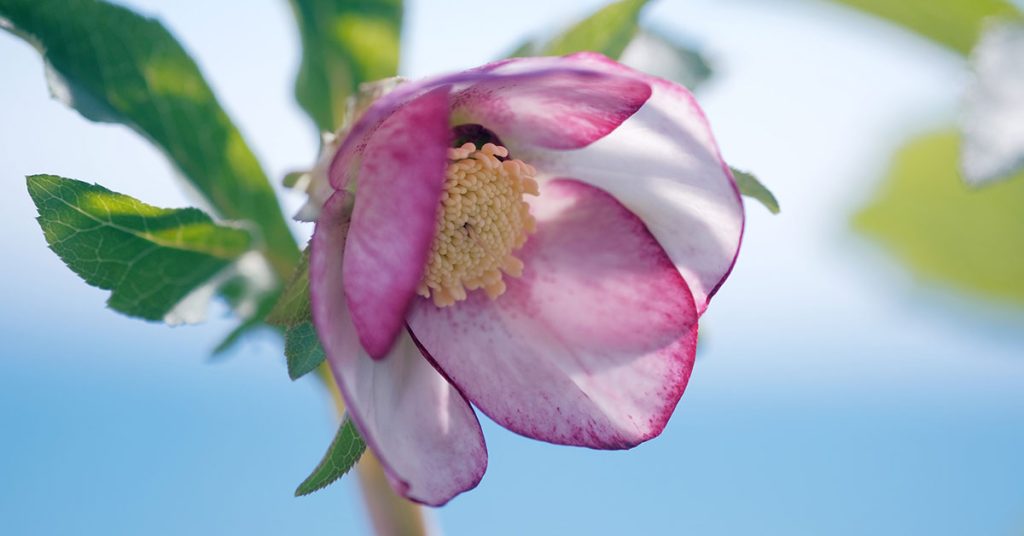
Hellebores, native to Europe and parts of Asia, are prized for their winter and early‑spring blooms in shades of green, pink, purple, and white. They flourish in consistent shade with rich, well‑draining soil and protect pollinators like early‑emerging solitary bees, which nest in nearby soil crevices.
These evergreen perennials are well‑behaved, spreading slowly by rhizome without overtaking beds. Their sturdy blooms provide welcome color in the garden’s quiet season, and I love spotting bees visiting these tender flowers on sunny winter days!
Wax Begonia (Begonia x semperflorens‑cultorum)
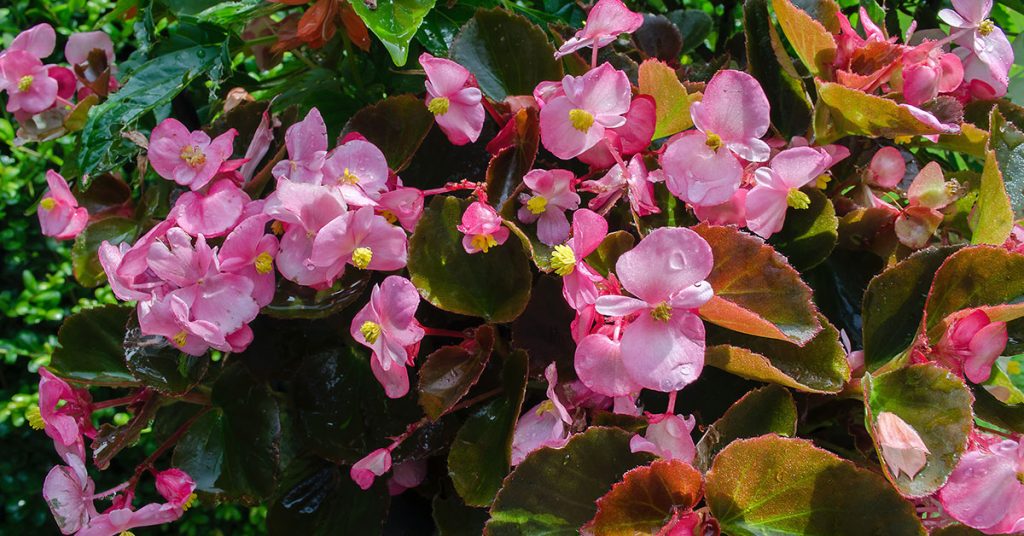
Wax begonias trace their heritage to South American forest floors, where they grow under shaded canopies. Their glossy leaves and long‑blooming clusters of pink, white, or red flowers perform exceptionally well in partial shade and humid conditions. They prefer evenly moist, well‑draining soil and shelter from hot afternoon rays.
Wax begonias attract tiny bees and hoverflies, which nest in the surrounding mulch. As non‑invasive annuals, they provide continuous color all season, whether in containers, hanging baskets, or border fronts, brightening shaded areas with minimal fuss.
Columbine (Aquilegia spp.)

Columbines, native to meadows and woodlands of the Northern Hemisphere, produce nodding, spurred flowers in a rainbow of colors. They thrive in light shade and well‑draining soil, with morning sun boosting flower production. Their nectar‑filled blooms entice hummingbirds and long‑tongued bees, which nest in nearby soil cavities.
These perennials self‑seed modestly, creating charming drifts without becoming overwhelming. Deadheading spent blooms can manage volunteers, ensuring columbines remain a delightful, delicate accent in any partial‑shade garden.