
Reviving an ailing aloe feels like giving a tired friend the drink of water they’ve been silently craving. I know how heartbreaking it is to watch those thick, succulent leaves start to shrivel or brown at the tips—especially when you’ve nurtured them from tiny pups. As someone who’s cheered on dozens of aloe veras through bouts of under‑watering, I’m excited to share these telltale signs so you can nip dehydration in the bud!
Aloe vera hails from the Arabian Peninsula, where it basks in sun but does receive occasional bursts of rain—so it’s adapted to dry spells, not total neglect. While it’s not considered invasive in most climates, it can naturalize easily in warm regions if over‑watered. Let’s dive into the ten signals your aloe might send when its roots are yearning for more moisture!
Leaves Wrinkling Along the Edges
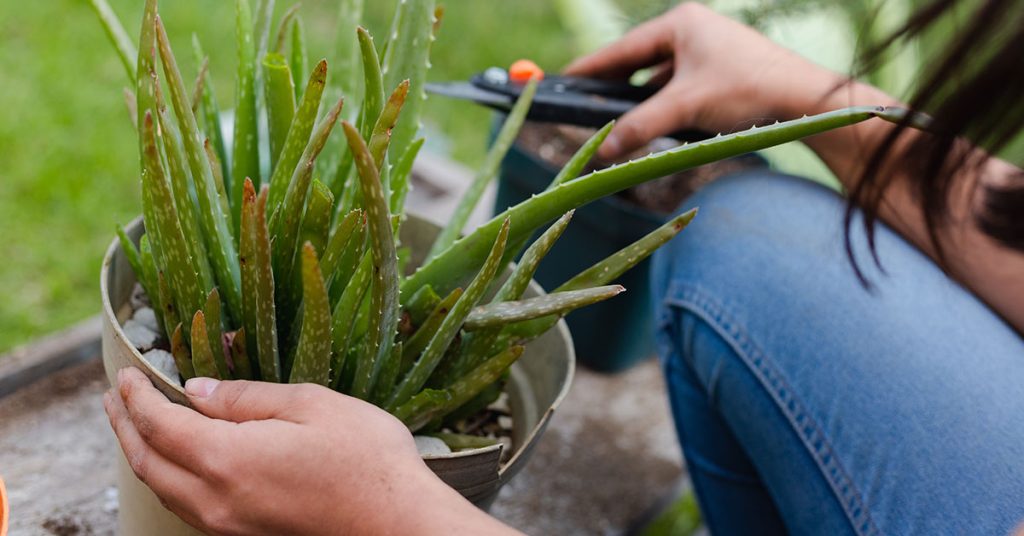
When your aloe’s leaf margins start to wrinkle or pucker, it’s akin to seeing a once‑plump grape turn into a raisin. These wrinkles are a cry for water, indicating that the succulent is dipping into its stored reserves to survive. It’s such a bummer when this first appears, but catching it now means you can reverse the trend before the entire leaf droops!
Aloe vera’s thick leaves are designed to store moisture for arid spells in its native habitat. While they endure dryness better than many houseplants, persistent wrinkling shows the balance has tipped too far. A gentle soak—allowing water to drain through—can plump those wrinkles right back up, restoring that signature turgidity.
Brown or Crispy Leaf Tips
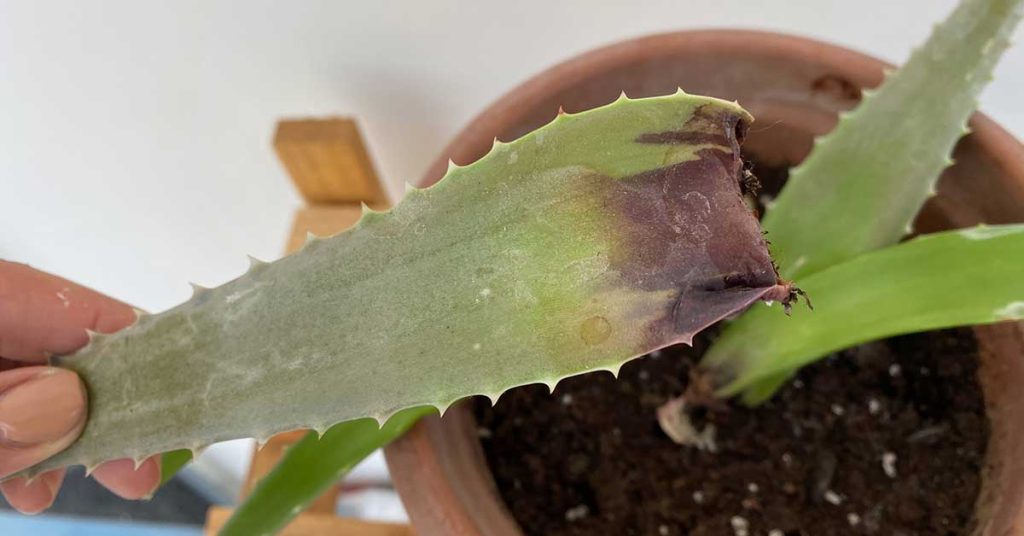
Spotting brown, crispy tips on your aloe can feel like finding the corners of a beloved book curling and browning with age. These scorched tips often mean the plant is sacrificing its extremities to protect the core. Don’t fret—trimming away the dead tissue with clean scissors helps prevent further stress and gives your aloe a chance to focus on new, healthy growth!
Although aloe vera thrives under direct sunlight, lack of water makes it more vulnerable to tip burn under intense UV. Because it’s native to desert coasts, it expects occasional drought followed by replenishment. By upping your watering routine just a tad—while ensuring quick drainage—you’ll see those crisp edges vanish over time.
Soil Pulling Away from the Pot
When the soil ball shrinks back and pulls away from the container’s edge, it’s a clear SOS: the substrate is bone‑dry and roots aren’t accessing moisture. This gap can also trap excess air around roots, compounding stress. I remember adjusting my watering schedule after seeing this in one of my favorite pots—it was like sighing relief when the soil re‑settled against the sides!
Aloe’s native soils are sandy and fast‑draining, but when your potting mix becomes hydrophobic, it repels water instead of accepting it. To remedy this, water slowly in multiple sessions so the soil gradually rehydrates. You’ll see it snug right back against the container walls, a reassuring sign your aloe is back on track.
Pale or Dull Leaf Color

A vibrant aloe sports rich green leaves—sometimes with a hint of silver. If yours look washed out or pale, it’s often because the plant is rationing moisture internally. That faded hue can also signal reduced chlorophyll production when cells aren’t fully hydrated. It’s always thrilling for me to witness that first flush of renewed color after a proper watering!
Because aloe vera originates from regions with periodic rainfall, it can bounce back beautifully when given its preferred drink: infrequent but deep watering. Once you rehydrate the root zone, watch as those leaves regain their lustrous vibrancy, reflecting their desert heritage with renewed shimmer.
Slow or Stunted Growth

If new pups or leaf tips are barely growing—or worse, aren’t forming at all—dehydration could be the culprit. Aloe conserves energy under drought, putting growth on hold to focus on survival. I empathize with your eagerness for fresh pups; waiting feels endless! But a bit more moisture usually kick‑starts development within weeks.
Aloe’s reproductive cycle relies on sufficient water to push resources into new offsets. Although it’s not considered invasive, a well‑hydrated aloe can produce pups abundantly. By adjusting your watering frequency—aiming for moist but never soggy soil—you’ll encourage both the mother plant and her little offshoots to thrive once more.
Leaves Curling Inward
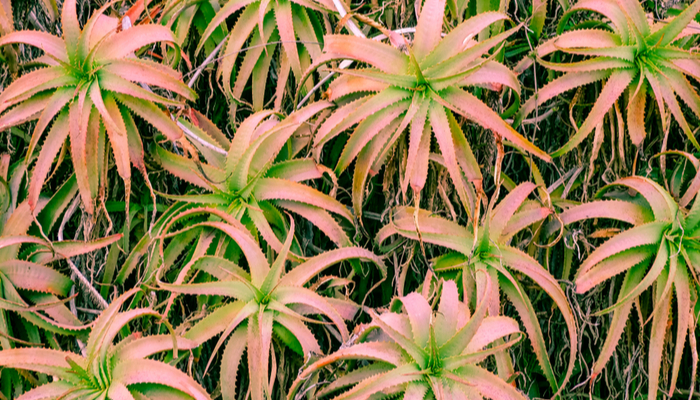
When the flat, fleshy leaves begin to curl toward the center, it’s a classic dehydration maneuver—like drawing your limbs close when you’re cold. This inward folding reduces surface area and moisture loss. It’s a signal I always take seriously, because left unchecked, curling can lead to irreversible leaf damage!
In its native, sun‑baked environment, aloe uses this tactic sparingly, recovering quickly after rains. Mimic that natural pulse by watering deeply but infrequently, allowing the soil to dry partially between sessions. You’ll see the leaves unfurl again, eager to soak up light and build up reserves.
Leaf Base Sunken or Soft

Press gently near the leaf base: if it feels spongy or sunken, the water reserve at the core has been depleted. This softness means the aloe has been literally drinking its own flesh to survive—a clear plea for hydration! I found this out the hard way when one of my oldest aloes started leaning; a good soak stabilized it in just days.
Because aloe vera evolved with sporadic rains, its leaf bases aren’t built for chronic dryness. Once you identify this softness, give a measured watering—enough to moisten the root zone without leaving puddles. In no time, you’ll notice firmer, more resilient foundations in every leaf.
Wrinkled Offshoots (Pups)

Aloe pups are notoriously hardy, but they too suffer when the parent plant lacks water. If your offshoots look shriveled, they’re basically echoing the parent’s distress signals. It’s always a thrill for me to see pups plump back up—proof that the watering shift is working!
These pups share the same native adaptations, storing moisture in miniature form. By ensuring the potting mix around them is evenly moistened while letting the top inch dry, you’ll support healthy pup development. Soon you’ll have robust little aloes ready to be potted individually or left to beautify the same container.
Yellowing Leaves at the Base

Unlike over‑watering, which also causes yellowing but with mushy tissues, dry‑induced yellowing comes with firm, brittle leaves. When you spot yellow leaves near the soil line, test the soil moisture—if it’s bone‑dry, water is overdue. My heart always lifts seeing those yellow leaves regain a green glow after a proper soak!
Aloe vera’s basal pigmentation can fade when roots can’t draw enough water. Since it’s not an aggressive spreader in most home settings, you don’t risk invasiveness by watering more—just ensure good drainage. With consistent deep watering, basal leaves will refresh, demonstrating aloe’s remarkable resilience.