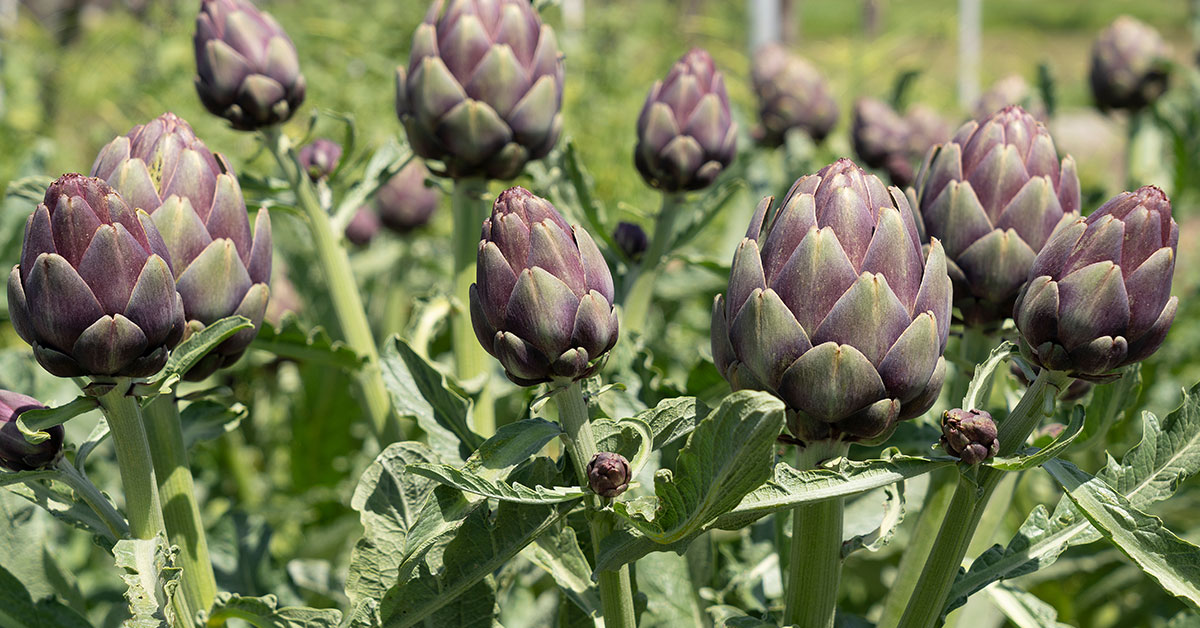

Artichokes are such a show‑stopper in the garden, with their dramatic silvery foliage and thistle‑like flower heads promising a delicious harvest! Native to the Mediterranean basin, Cynara cardunculus var. scolymus thrives in mild climates and, when managed properly, won’t overrun your beds. I know how frustrating it is to eye those promising buds only to have them shrivel, bolt, or fall prey to pests. With a few tweaks to your approach, you can enjoy tender artichoke hearts year after year without the usual headaches.
From selecting the right variety to inviting beneficial insects to nest among the sturdy bracts, each step matters. I once planted crowns too shallow and ended up with weak, stunted shoots—lesson learned! Let’s dive into eleven common missteps and how to avoid them so your artichoke patch becomes the pride of your sustainable garden.
Choosing the Wrong Variety for Your Climate
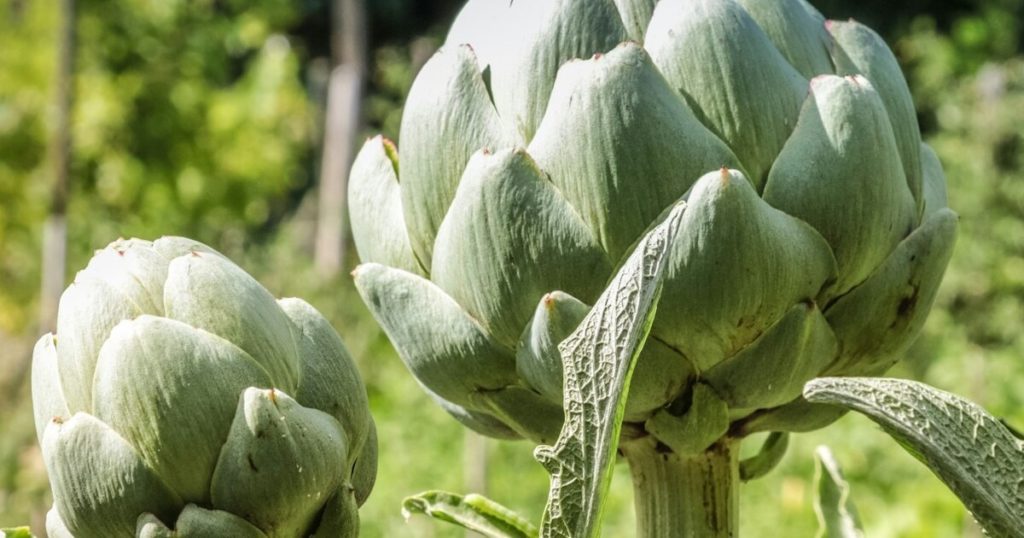
Picking a variety unsuited to your zone is a recipe for disappointment. If you live in a region with harsh winters, a perennial type like ‘Green Globe Improved’ may suffer crown damage, whereas annuals such as ‘Imperial Star’ can be treated as yearly crops. I once tried a perennial cultivar in a zone too cold and spent half the season nursing frost‑bitten crowns!
Understanding your climate’s chill hours and heat tolerance helps you match artichoke genetics to your conditions. Neither of these cultivars will spread invasively in garden borders, but choosing the right one ensures robust growth and reliable bud production rather than a patch of soggy, struggling plants.
Ignoring Site Selection and Drainage

Artichokes adore full sun but despise “wet feet.” Planting in heavy clay or poorly drained soil often leads to crown rot and yellowing leaves. I learned this the hard way after a rain‑soaked winter nearly wiped out my bed! Raised rows or mounded beds with plenty of coarse sand and organic matter solve drainage woes.
Good drainage also invites earthworms and soil‑dwelling springtails to nest among the roots, naturally aerating and enriching the substrate. You’ll see tunnels forming around the crowns—silent proof that a well‑drained site is alive with beneficial activity.
Planting Crowns Too Shallow or Too Deep

Setting crowns at the wrong depth stunts root development and shoot emergence. Crowns should sit about 1–2 inches below the surface; too shallow, and roots risk drying out, too deep, and emerging shoots struggle to break through. I once planted mine flush with the soil surface and waited ages for any sign of life!
Proper depth also creates snug pockets for solitary bees to nest in hollowed bracts once flower heads open. Those native pollinators then patrolling your garden help ensure better bud set and fewer empty blooms.
Neglecting Soil Fertility and pH
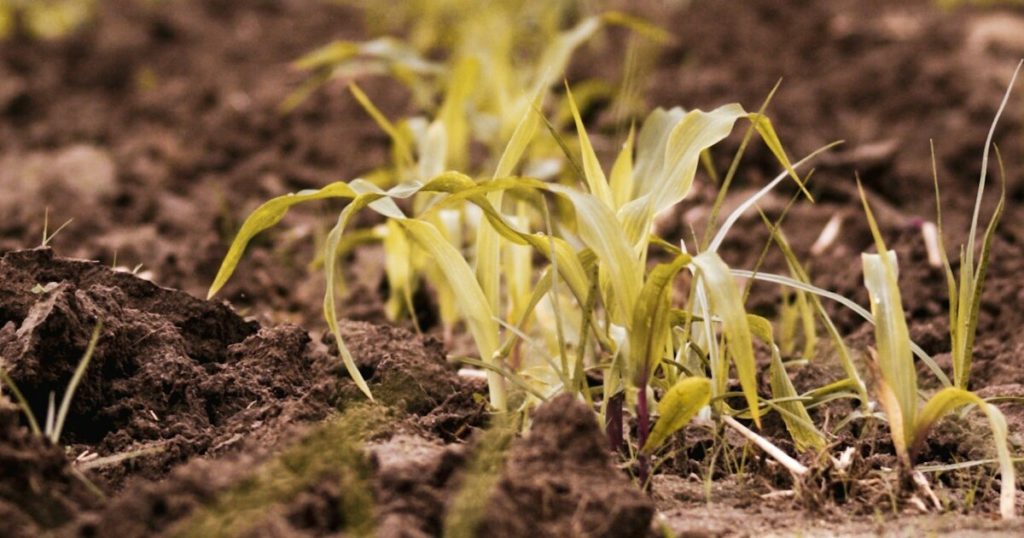
Artichokes are heavy feeders, craving nitrogen and potassium to fuel those sizeable buds. Planting without amending with compost or balanced organic fertilizer often results in spindly growth and low yields. I now enrich my beds each spring with a two‑inch layer of well‑rotted compost for sustained vigor!
Soil pH should hover around 6.5–7.5; when I skip pH testing, I sometimes see yellow marginal leaf lesions—classic nutrient lockout in acidic soils. Correcting pH not only unlocks nutrients but also supports beneficial fungi and bacteria nesting around the roots.
Overcrowding Your Plants
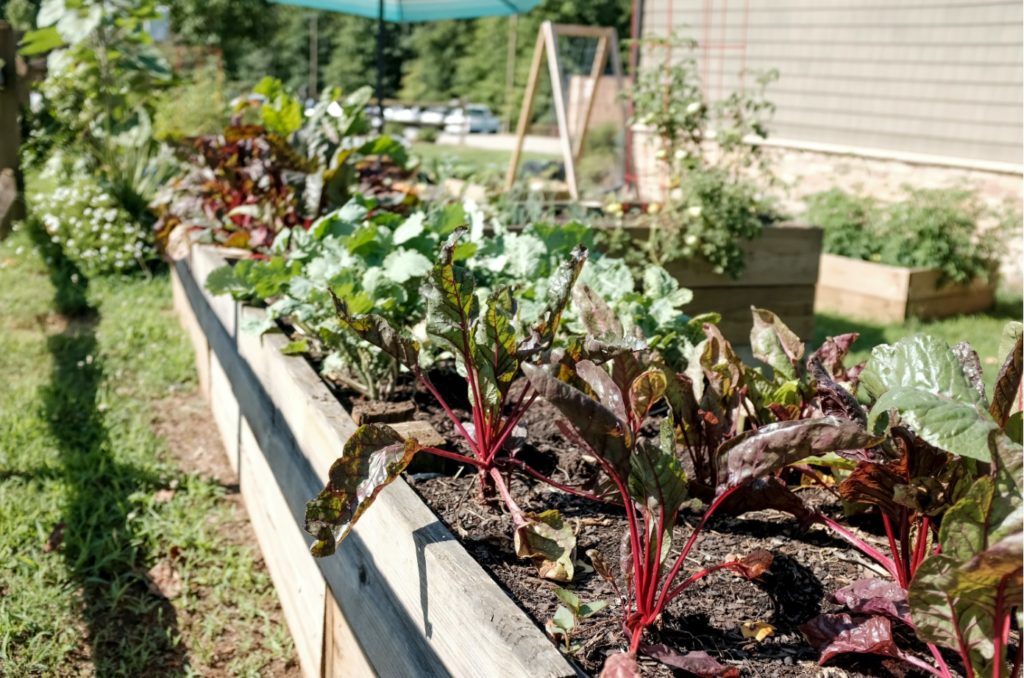
It’s tempting to pack crowns close together, but artichokes need 3–4 feet between plants to develop full crowns and ample foliage. Crowding leads to competition, poor air circulation, and increased disease risk. After a season of tiny, overlapping plants, I now stick to generous spacing for picture‑perfect results!
Proper spacing also creates corridors for ladybugs and lacewings to nest among the tall, airy plants, offering natural pest control. Those beneficial insects patrol for aphids and caterpillars, keeping your patch virtually chemical‑free.
Inconsistent Watering Practices
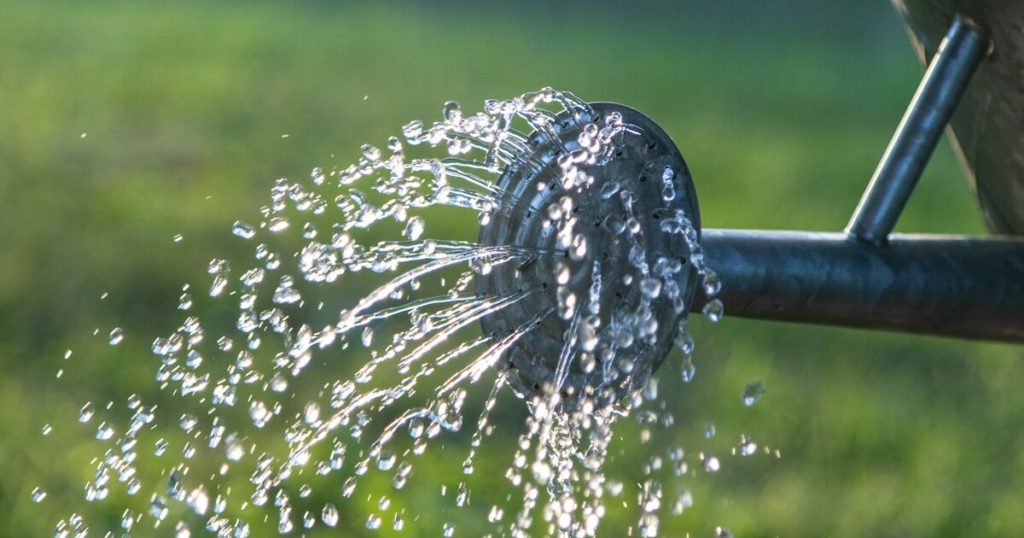
Artichokes need steady moisture, especially during bud formation. Letting the soil dry out stresses the plant and can lead to smaller, fibrous hearts. I water deeply two to three times a week in summer, using a soaker hose to wet roots without drenching foliage—no more wilted afternoons!
Regular moisture also keeps slugs and snails at bay; in my garden, damp conditions beneath pots make perfect slug nesting sites. By keeping soil consistently moist—but never waterlogged—you’ll see fewer chewed spears and more tender buds.
Skipping Mulch and Weed Suppression
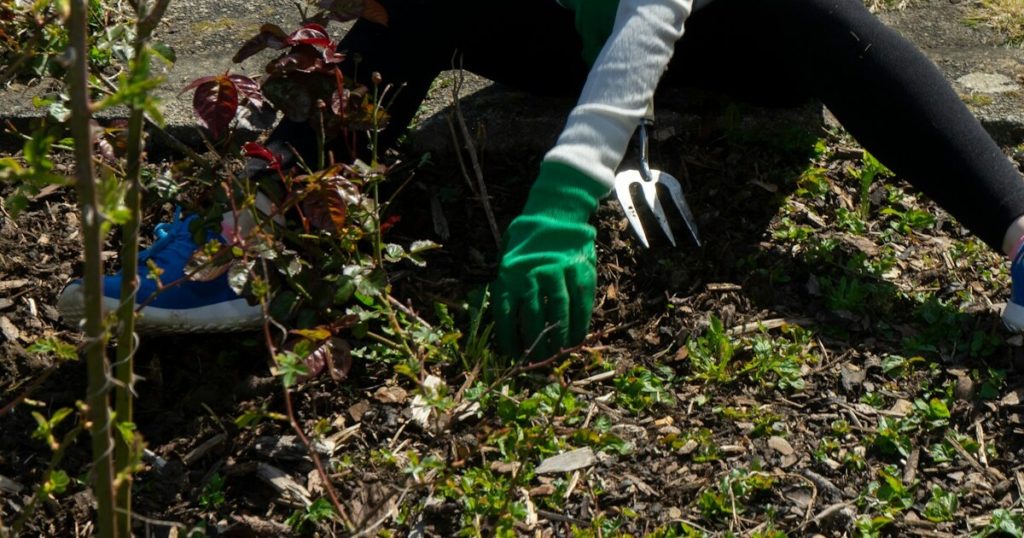
Weeds compete fiercely with shallow‑rooted artichokes for nutrients and water. Leaving beds bare invites a jungle of unwanted plants that smother young shoots. Mulching with straw or shredded leaves not only suppresses weeds but also retains moisture and moderates soil temperature.
As that organic mulch breaks down, it becomes prime real estate for ground beetles and springtails to nest and patrol—natural allies against pests. A well‑mulched patch looks neat and functions as a living, breathing ecosystem.
Failing to Protect from Frost

Even cold‑hardy types can suffer bud and crown damage in unexpected freezes. I once lost early heads to a late spring frost and spent weeks nursing crowns back to health. Lightweight row covers or frost blankets draped over emerging shoots can make all the difference!
Covering also creates a slightly warmer microclimate that encourages faster shoot growth. Meanwhile, small pollinators like solitary bees take shelter under the fabric, ready to resume nesting when temperatures stabilize.
Neglecting Pest and Disease Monitoring

Artichokes can attract aphids, snails, and artichoke plume moth larvae. Ignoring early signs of infestation often leads to widespread damage. I check buds and underside of leaves weekly, blasting pests off with water or handpicking slugs at dusk—problem solved before it spirals!
Allowing a few veteran buds to open fully provides nesting crevices for parasitic wasps and lacewings, whose larvae feast on soft‑bodied insects. Encouraging these allies reduces the need for sprays and keeps your harvest clean and flavorful.
Forgetting to Prune Spent Stems
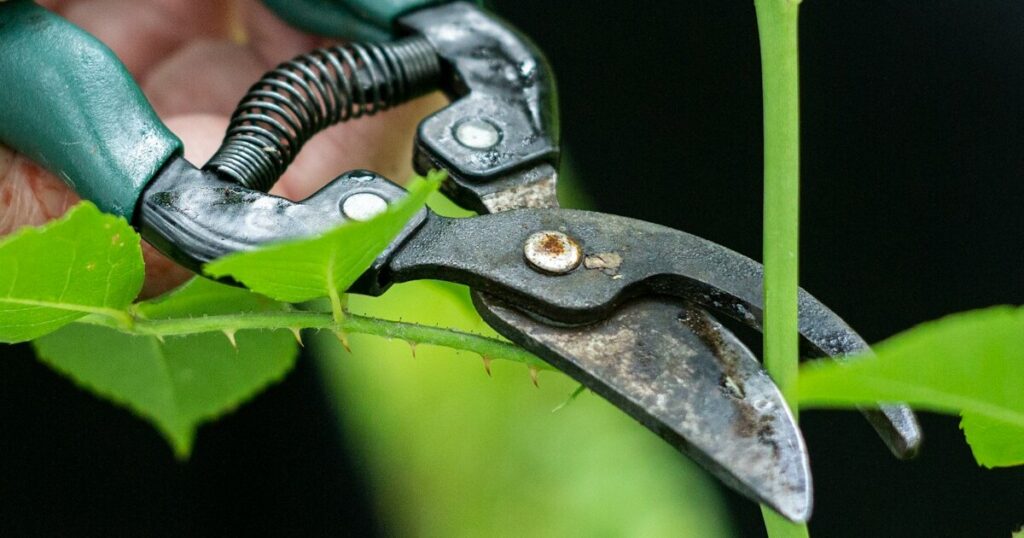
Leaving old flower stalks and foliage in place shades new shoots and invites disease in damp pockets. After harvest, I cut stems back to the basal crown, removing all spent material. This tidy practice boosts air circulation and spurs fresh growth.
Those trimmed stems also become temporary shelters for beneficial ground beetles seeking refuge—another reason pruning is a win‑win for plant health and garden biodiversity!
Delaying Crown Division and Rejuvenation
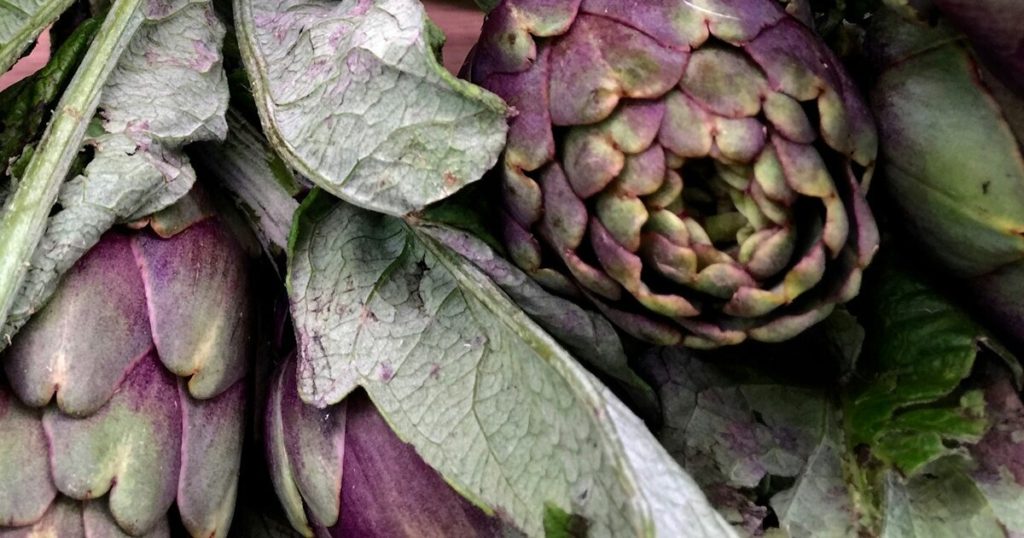
After five to seven years, artichoke crowns can overcrowd and lose vigor. I rejuvenate by dividing every fourth or fifth crown in late winter, replanting the healthiest sections. That division restores productivity and prevents a dense thicket of underperforming plants.
Division disturbs the soil just enough to invite earthworms back in to nest around fresh roots, improving aeration and nutrient cycling. Your artichoke bed then bounces back with renewed energy, delivering plump, delicious buds once again!