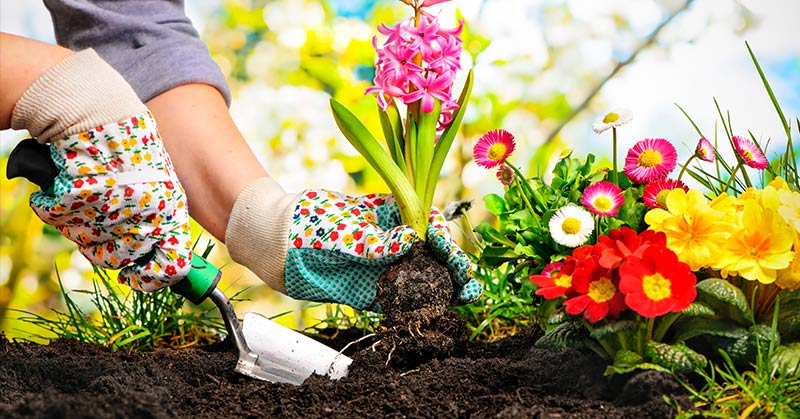

Gardening is more than just growing flowers or vegetables—it’s a holistic therapy for the mind, body, and soul! Whether you’re planting a small herb container on a sunny windowsill or tending a sprawling backyard oasis, the simple act of nurturing life can lift your spirits and calm a racing mind. I know how chaotic life can feel—emails pinging, deadlines looming, and endless to-do lists tugging at you. But stepping outside, feeling the soil between your fingers, and watching seedlings unfurl can ground you in the present moment and offer a refuge from daily worries.
Over the years, I’ve found that my own garden is a sanctuary where I can reset after a tough day. Seeing a ladybug settle on a basil leaf or hearing birds nestle in the jasmine vine reminds me that I’m part of a vibrant ecosystem. From the Mediterranean-native rosemary (Rosmarinus officinalis) to the sweet corn I grew from heirloom seeds, each plant has a story of origin—and knowing that none of these, when cared for responsibly, become invasive gives me peace of mind. Ready to discover ten science-backed reasons why gardening could be your new favorite stress-buster? Let’s dig in!
Boosts Physical Activity and Releases Endorphins
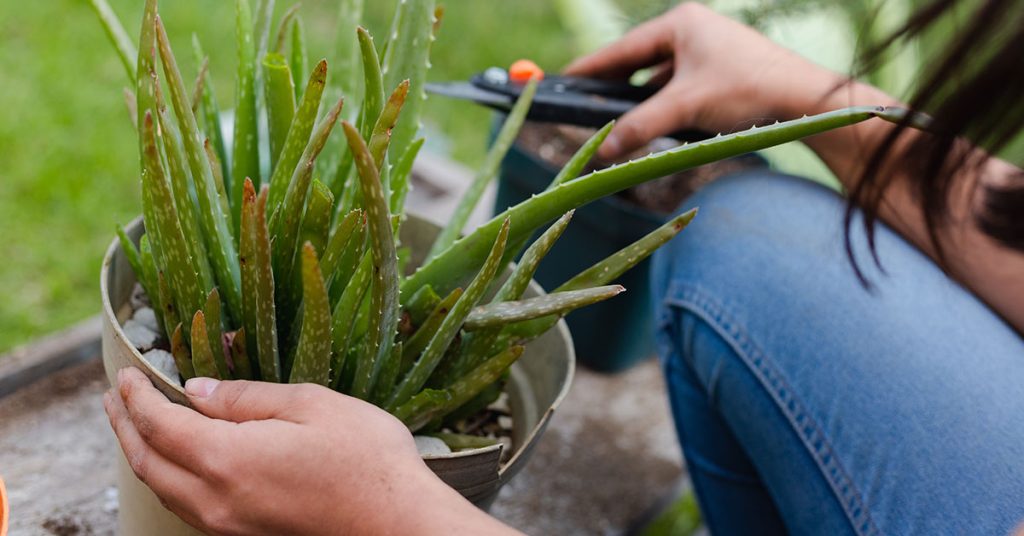
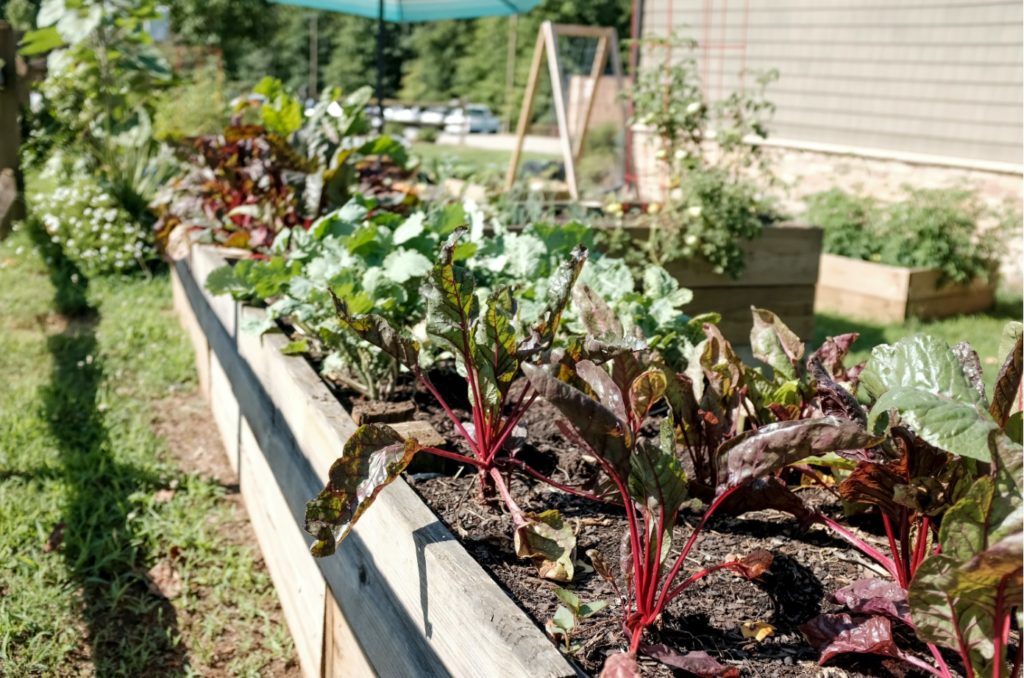
Digging, weeding, and watering may feel like chores, but they’re gentle forms of exercise that get your heart pumping and muscles engaged. I often lose track of time kneeling in my raised beds, turning soil and planting seedlings, only to realize my back feels pleasantly tired at sunset! That physical exertion triggers the release of endorphins—natural feel-good chemicals—helping to lift your mood and reduce anxiety.
Many plants, like the Mediterranean spinach chard (Beta vulgaris subsp. vulgaris), attract earthworms as they aerate the soil, turning over nutrients and creating tiny tunnels for root growth. Watching these little helpers nest beneath the surface reminds me of nature’s teamwork—and gets me moving more than any treadmill session ever did!
Encourages Mindfulness and Presence
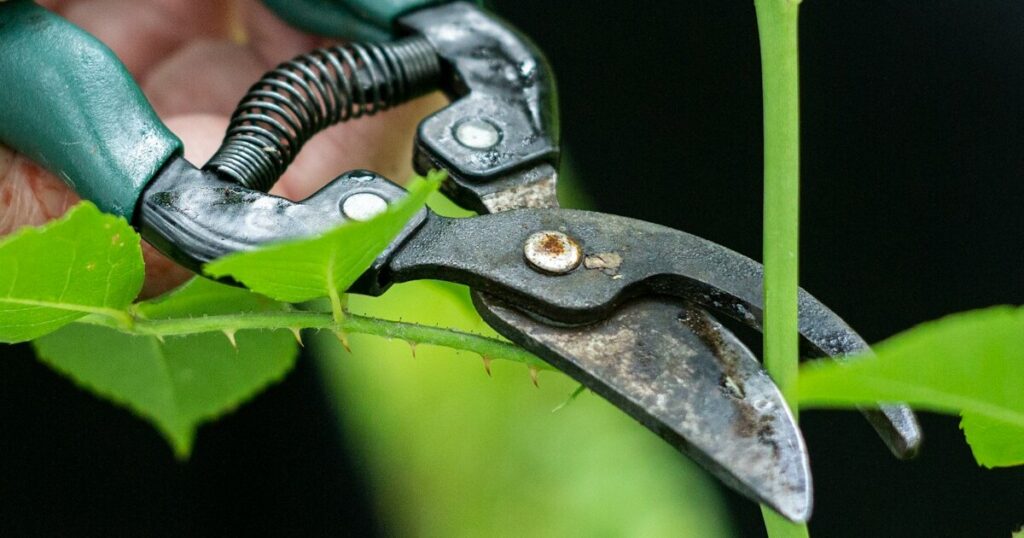
There’s something meditative about pruning spent rose blooms or checking each lettuce head for hungry snails. When I’m focused on the task—listening to the rustle of leaves, smelling damp earth—I’m fully anchored in the moment, free from past regrets or future worries. That mindfulness practice is a powerful antidepressant, training your brain to stay present.
Creating a small meditation spot amid your plants—perhaps near a lavender patch (Lavandula angustifolia), native to the Mediterranean and non-invasive in garden beds—invites birds to build nests in nearby shrubs. Their gentle chirping becomes a soothing backdrop for reflection, reinforcing that sense of calm and grounding.
Provides a Sense of Purpose and Achievement

Watching a tiny seed transform into a full-grown tomato plant loaded with juicy fruit is one of life’s greatest joys! Each successful harvest or blooming flower is a tangible reminder of your nurturing efforts, building confidence and self-esteem. I still remember the pride of my first zucchini bounty—it felt like winning a green-thumb gold medal!
Knowing where your food comes from also connects you more deeply to the cycle of life. Herbs like basil (Ocimum basilicum), native to India and non-aggressive when confined to pots, provide fresh pesto ingredients, turning your gardening into a source of creativity and accomplishment.
Fosters Connection to Nature and Wildlife

A thriving garden attracts a cast of beneficial visitors: bees, butterflies, ladybugs, and songbirds searching for nesting sites. I love spotting mason bees settling into bamboo bee houses or chickadees weaving nests in shrubbery. These interactions remind me that I’m part of a larger web of life, offering a profound sense of belonging and purpose.
Planting native wildflowers alongside non-invasive ornamentals creates a buffet for pollinators, supporting local ecosystems. The simple act of observing a tiny hoverfly laying eggs or a caterpillar munching on milkweed can shift your focus from internal stress to external wonder.
Promotes Exposure to Sunlight and Vitamin D

Soaking up gentle morning rays while tending your garden is a natural way to boost vitamin D levels—key for mood regulation and immune function. I position my raised beds to catch the first light of dawn, enjoying that warm glow as I sow seeds or prune stems.
Even in overcast weather, natural daylight helps reset your circadian rhythms, improving sleep quality and reducing depression symptoms. And because most garden plants, from kale to cosmos, won’t take over your beds, you can maintain year-round light exposure without worrying about invasive spread.
Stimulates the Senses for Calming Effects

Gardening is a full-sensorial experience: the rich scent of rosemary, the soft feel of velvety lamb’s ear leaves, the bright splash of marigold petals, and the gentle hum of insects nesting among stems. Each sensation grounds you more fully in the present moment!
I’ve found that planting fragrant herbs like thyme (Thymus vulgaris), native to Mediterranean climates, not only scents the breeze but also invites beneficial wasps to nest at the soil line, keeping pests under control. That blend of sensory delight and ecological balance brings an unmatched sense of calm and wonder.
Offers a Healthy Outlet for Social Connection

Community gardens and gardening clubs are vibrant social hubs where you can share tips, swap seedlings, and celebrate each other’s successes. I’ve made some of my closest friends while swapping cuttings of my non-invasive jade plant for their heirloom tomato seedlings! Those shared experiences help combat isolation and boost mood.
Even solo gardeners benefit from virtual forums and local plant swaps. Discussing bloom times, nesting bird guests, or harvest recipes with fellow enthusiasts fosters camaraderie—and reminds you that you’re never alone in your gardening journey.
Encourages Learning and Mental Engagement

Gardening is a continual classroom: you learn about plant physiology, soil science, weather patterns, and beneficial insect behaviors. I admit I geek out over identifying lady beetle larvae or charting the bloom cycles of my cosmos plants! That mental stimulation keeps your brain active, warding off negative thought patterns.
Tracking your garden’s progress in a journal—logging sow dates, noting nesting insects, and sketching plant origins—creates a personal reference and a source of pride. It’s like building a living encyclopedia that enriches your mind and mood alike.
Supports Nutritious, Homegrown Food

Growing your own vegetables and herbs ensures access to fresh, nutrient-dense produce—leafy greens, peppers, and more—that fuel your body and brain. I relish snipping crisp lettuce and baby spinach straight into my salad bowl, knowing I played a part in their growth!
A diet rich in vitamins, minerals, and antioxidants has been shown to alleviate symptoms of depression and anxiety. Plus, watching your kale thrive in spring or your cherry tomatoes ripen in summer reminds you that small efforts can yield big, health-boosting rewards.
Provides a Regular Self-Care Routine
Gardening asks for gentle, consistent attention—watering, weeding, deadheading—creating a daily or weekly ritual of self-care. I look forward to my morning watering sessions as a time to center myself and set positive intentions for the day.
That ritualistic aspect helps build structure into your life, offering comforting predictability when everything else feels uncertain. Tending to your plants, observing new nests in the foliage, and celebrating small victories become anchors that steady your emotional well-being.