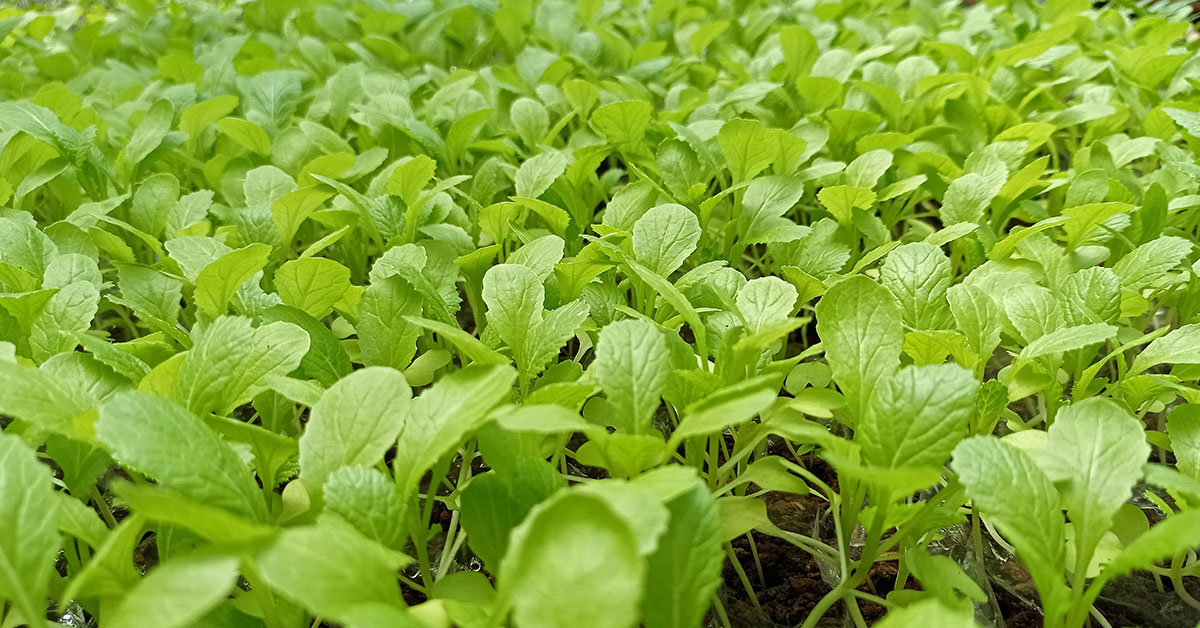

Mustard greens are a delightful spring and fall crop, with peppery leaves that add a zing to salads, sautés, and soups! I know how exciting it can be to sow those vibrant green seeds and dream of a flourishing bed, only to watch seedlings struggle or leaves become riddled with holes. Trust me, I’ve been there—spending hours tending to sprouts that never seemed to take off. But with a few adjustments and keen observations, you’ll transform your mustard patch into a lush, productive oasis.
It’s such a bummer when a simple misstep derails your harvest, whether it’s soil that’s too compacted, pests swarming in, or sunlight playing hide-and-seek. Mustard greens (Brassica juncea) hail from temperate regions of Asia and Europe, and while they’re not considered invasive in most home gardens, they will happily self-seed if neglected. Let’s dive into the 12 most common mistakes gardeners make—and how to avoid them—so you can enjoy crisp, peppery leaves all season long!
Ignoring Soil pH and Fertility
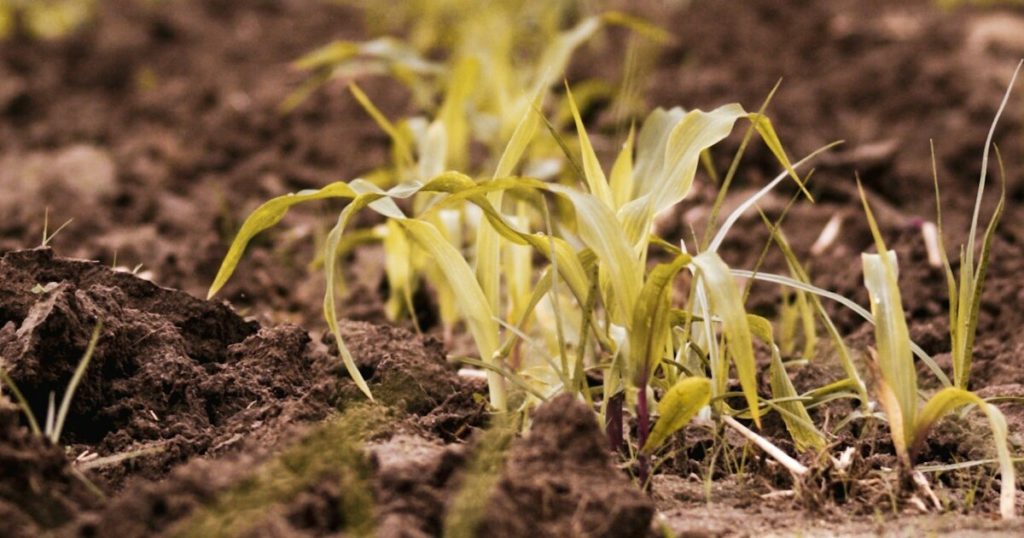
One of my favorite tips is to get a soil test before planting. Mustard greens thrive in a slightly acidic to neutral pH (6.0–7.0), and if your soil is too alkaline or too acidic, nutrient uptake suffers. I once planted without testing, only to see yellowed leaves and stunted growth—so disappointing! Amending with compost and a balanced organic fertilizer after testing can make a world of difference.
These greens are heavy feeders, especially craving nitrogen for those lush, tender leaves. By incorporating two inches of well-rotted compost and adjusting pH with lime or sulfur as needed, you’ll create the perfect buffet for your mustard. And bonus: healthy soil teeming with earthworms and beneficial microbes will develop little nesting sites that aerate and enrich the bed naturally!
Planting at the Wrong Time

Timing is everything with mustard greens! They prefer cool weather and can bolt (flower prematurely) when temperatures rise above 75 °F. I’ve learned the hard way that sowing seeds in mid‑summer can lead to fast bolting and bitter leaves. Instead, aim for early spring or late summer sowings so your crop matures in crisp weather.
Because mustard greens evolved in regions with cool springs and mild autumns, they respond poorly to heat stress. If you plant too late in summer’s peak, you’ll end up with woody stalks and a frustrating harvest. Proper timing not only prevents bolting but also reduces stress that can make plants more susceptible to disease.
Overcrowding Seedlings
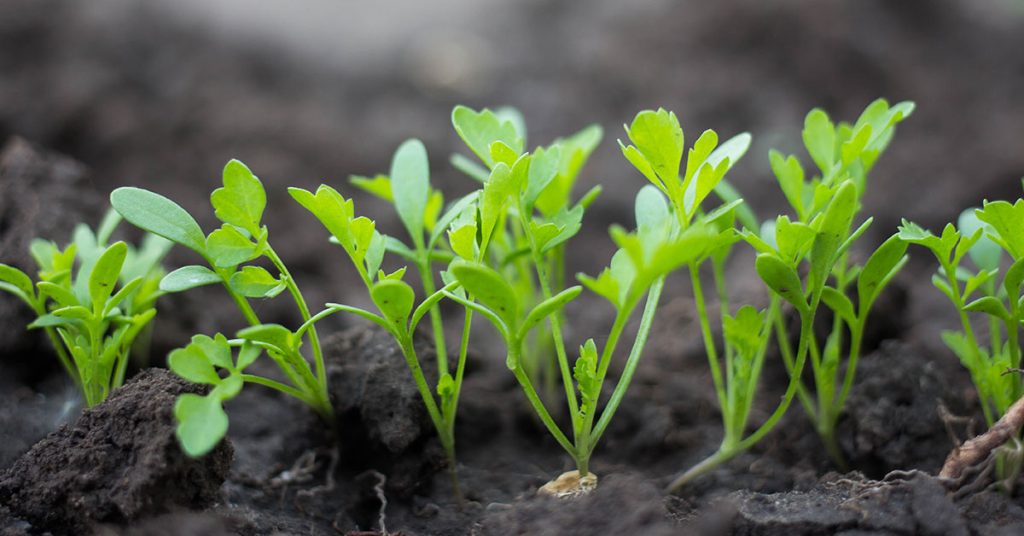
It’s tempting to sprinkle seeds liberally and hope for the best, but overcrowding leads to weak, leggy plants and poorer air circulation. I always aim for about 6–8 inches between mature plants. When seedlings sprout, thinning to that spacing ensures each plant gets enough resources and daylight.
Crowded conditions also create humid pockets where fungal diseases can thrive. Mustard greens are not invasive growers, but they will compete fiercely if squeezed together. By giving each plant room to expand its roots and leaves, you’ll reduce stress and discourage pests from hiding in the foliage.
Neglecting Water Consistency

Nothing derails a mustard crop faster than erratic watering. Inconsistent moisture can cause leaves to wilt, curl, or even taste bitter. I’ve found that a soaker hose or drip system delivers a steady inch of water per week, keeping the soil evenly moist without waterlogging.
Mustard greens develop shallow root systems, so frequent, light watering encourages roots to stay near the surface—making them vulnerable during heat waves. A deep, regular soak encourages deeper rooting and sturdier plants. Plus, wet foliage invites downy mildew, so water at the soil line whenever possible!
Skipping Pest Monitoring
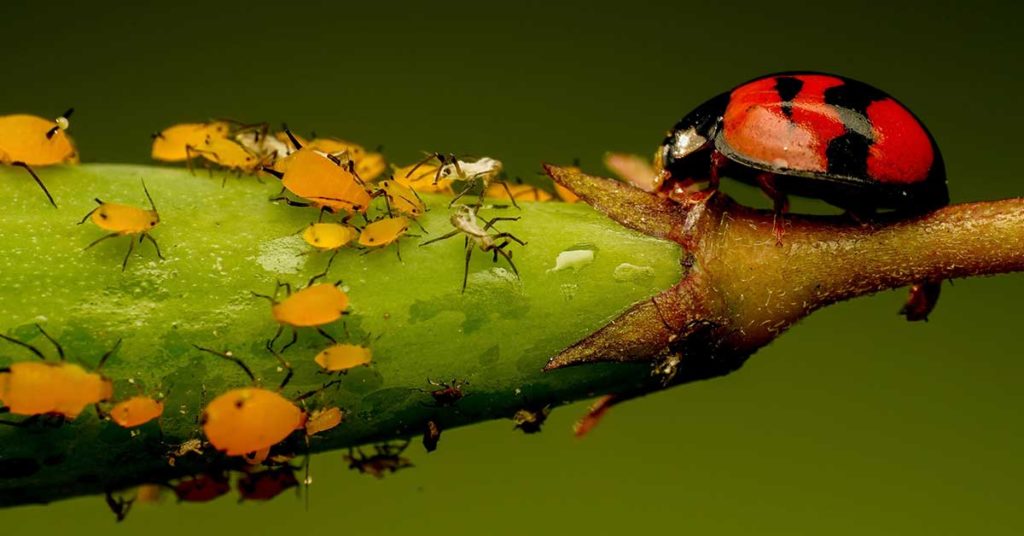
Aphids and flea beetles love mustard family plants, and ignoring early signs of infestation can turn your patch into a buffet for these pests. One of my rookie mistakes was spotting tiny holes too late, by which point dozens of flea beetles had moved in. Regular scouting and a gentle spray of water or insecticidal soap at the first sight of pests can nip problems in the bud!
Mustard greens aren’t invasive themselves, but pest outbreaks certainly feel invasive when they swarm. Interplanting with insectary plants like alyssum or planting marigolds nearby attracts hoverflies and ladybugs—tiny predatory nests that keep aphid populations in check. It’s like hiring bouncers for your garden party!
Failing to Rotate Crops
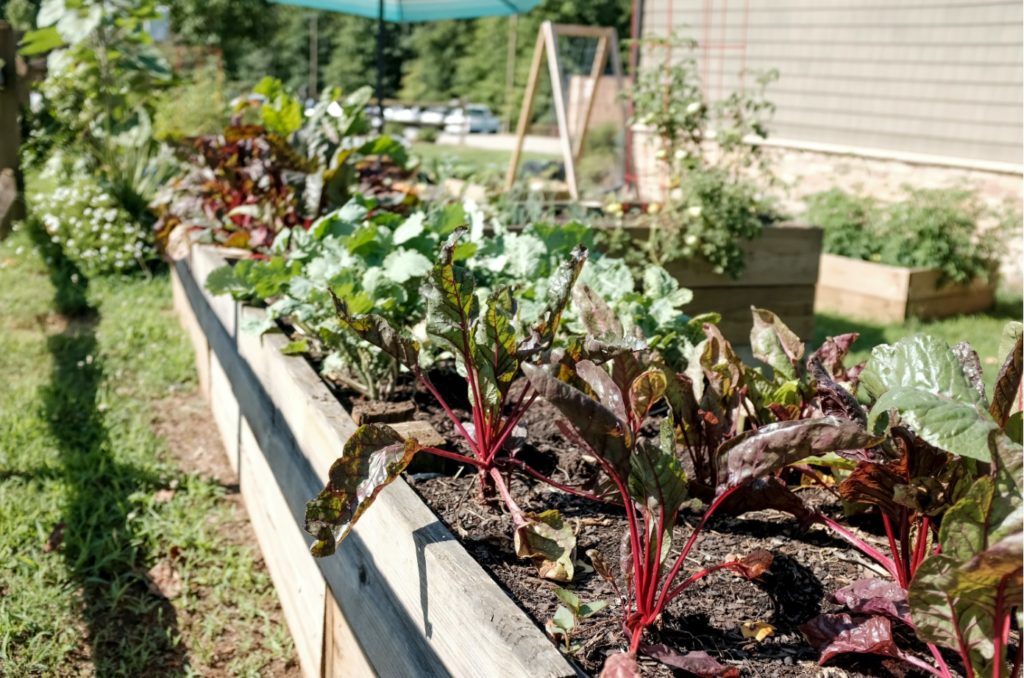
Planting mustard greens in the same bed year after year sets the stage for soil‑borne diseases like clubroot. I learned this the hard way when a second planting in the same spot wilted inexplicably. Rotating brassicas with legumes or nightshades helps break disease cycles and improves soil fertility naturally.
Since mustard greens came to Europe centuries ago, they’ve developed certain soil-borne foes. They won’t invade your neighbor’s patch, but they’ll happily invite pathogens to stay if you don’t rotate. A three‑year rotation away from brassicas keeps both plants and soil healthy!
Letting Weeds Run Wild

Mustard greens are relatively fast growers, but they can’t outcompete aggressive weeds if left to their own devices. I once came back from vacation to find my entire bed choked with purslane and chickweed. Regular weeding, especially when plants are young, ensures they don’t have to share resources with unwanted neighbors.
Weeds also harbor pests and fungal spores, turning your mustard patch into a trouble zone. Mulching with straw or shredded leaves keeps weeds down, retains moisture, and provides nesting sites for beneficial ground beetles that hunt slug eggs—an all‑in‑one protection plan!
Forgetting Succession Planting

A single sowing can result in a glut of greens all at once, followed by a long gap with nothing to harvest. I now sow small batches every three weeks, which keeps fresh leaves coming without overwhelming me at once. It’s so satisfying to have a steady supply rather than one big rush!
Mustard greens are quick to mature—often in just 30–40 days—and tolerate light frost. By staggering plantings, you’ll hedge against unpredictable weather and avoid end-of-season shortages. Plus, it gives beneficial insects time to establish between sowings rather than being flushed out by mass planting.
Overlooking Shade in Hot Climates

Even though mustard greens love cool temperatures, they still need light—but too much scorching sun can bleach and scorch leaves. If your region sees summer highs above 85 °F, providing dappled afternoon shade can prevent wilting and bolting. I’ve tucked mine under taller sunflowers with great success!
These greens originated in temperate zones where spring and autumn suns are gentle. In intense summer heat, the leaves can toughen and lose flavor. A bit of shade mimics their native habitat’s conditions and keeps your harvest tender and tasty.
Neglecting Proper Harvest Technique

It’s such a bummer to snap off a central stem instead of snipping individual leaves correctly! Harvest outer leaves first, cutting them at the base and allowing inner leaves to keep growing. I once yanked an entire plant—lesson learned! Maintaining the plant’s crown encourages multiple harvests.
Mustard greens aren’t invasive spreaders, but rough harvesting can damage the plant and open wounds for disease. Careful snipping keeps the plant healthy and productive. Plus, it feels a bit like giving your greens a spa treatment—gentle, respectful, and oh‑so rewarding!
Failing to Amend After Harvest
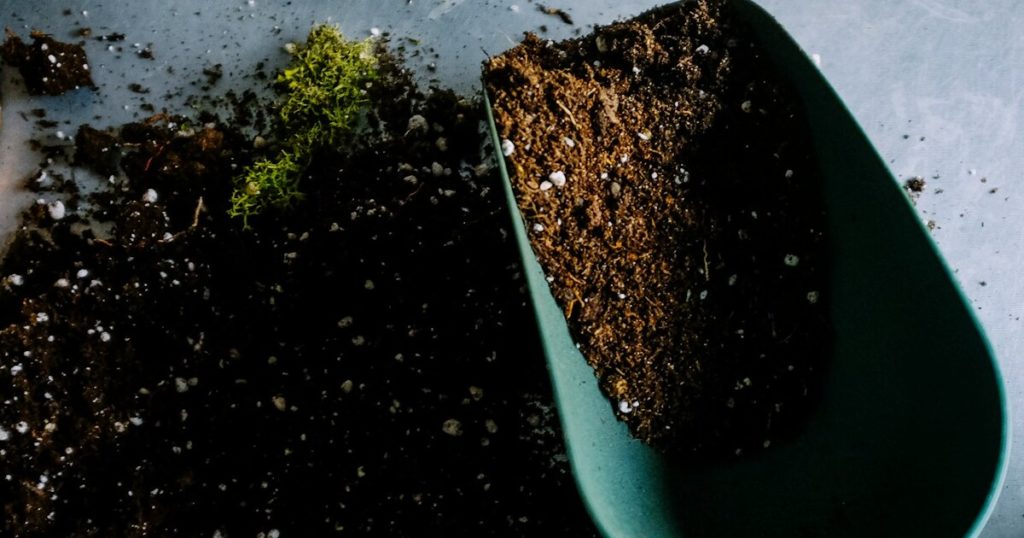
After a big harvest, the soil can feel drained of nutrients. I make it a habit to sprinkle a light layer of compost or worm castings around the remaining roots. This replenishes nitrogen and other micronutrients, so the next flush of leaves is just as vigorous!
Because mustard greens grow rapidly, they deplete soil fertility quickly. While they won’t overrun the bed on their own, under‑fed soil will leave you with weak, pale plants. A post‑harvest amendment is like refilling your pantry after a banquet—critical for keeping the feast going!