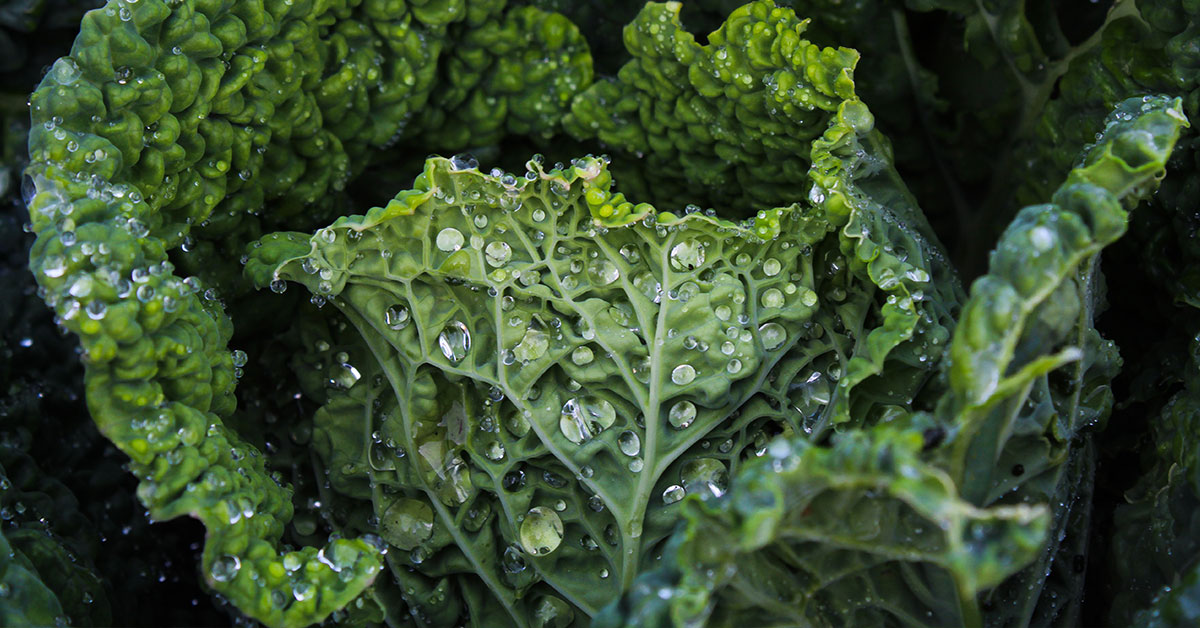

It’s such a thrill to pair Swiss chard and kale in the garden—two powerhouse greens that not only thrive alongside each other but also bring vibrant color and texture to beds and containers! Whether you’re new to leafy brassicas or you’ve wrestled with bolting leaves and hungry slugs before, these tips will help you grow a flourishing chard‑and‑kale patch that keeps producing all season long. Grab your gloves and let’s dive in!
As someone who’s lost more than a few young kale seedlings to rabbit raids and battled powdery mildew on chard leaves, I totally get the frustration of watching your hard work gobbled up or wilt away. But with a little planning, care, and attention to how these plants interact—with each other, with beneficial insects, and even with pesky critters—you’ll be harvesting tender, nutrient‑packed greens from early spring until the first hard frost.
Monitor for Pests and Diseases
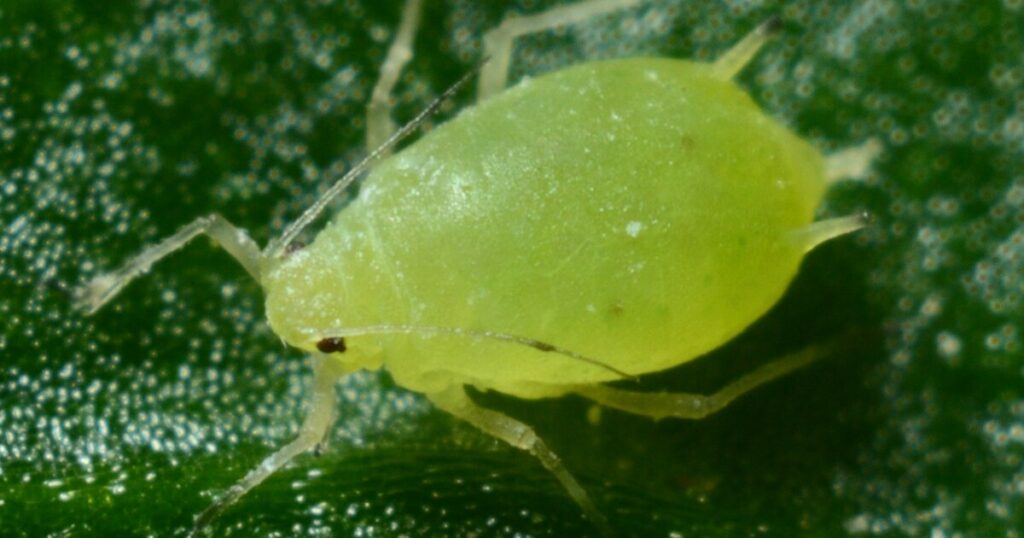
One of my favorite tips is to keep a vigilant eye on the whole patch. Kale often hosts cabbage loopers and aphids, while chard might lure flea beetles. Regular scouting means you catch an infestation when it’s just a few critters instead of a full-blown invasion. I find it helpful to inspect the undersides of leaves every few days; sweeping them off with a gentle spray of water can deter a lot of early pests!
Swiss chard (Beta vulgaris subsp. vulgaris) hails from the Mediterranean region, while kale (Brassica oleracea var. sabellica) is native to the coastal areas of Europe. Neither is typically invasive in home gardens, but unchecked pest populations can make it feel that way! Encouraging ladybugs and lacewings by planting marigolds nearby creates a tiny ecosystem where nature helps keep aphids and caterpillars in check—plus, you’ll love watching those beneficial insects hatch and establish tiny nests under leaves!
Proper Spacing to Optimize Growth

I know how tempting it is to cram every square inch with green goodness, but giving each plant room to breathe is key. Kale appreciates about 12–18 inches between crowns, while chard does best with roughly 8–10 inches. When you follow these spacing guidelines, you’ll reduce humidity around the foliage, which lowers the risk of fungal diseases and leaf rot. Plus, it makes it easier to weave between the rows during harvest without accidentally snapping off tender shoots!
Both kale and chard prefer loose, well‑drained soil rich in organic matter—soils heavy in clay or prone to waterlogging can stunt growth and invite pathogens. Neither has invasive tendencies in a vegetable bed, but overcrowding can mimic invasive behavior by suffocating neighbors! By planting at the right distance, you’re essentially creating individual “neighborhoods” where each plant’s root system can branch out without competing too fiercely for nutrients and water.
Harvesting Techniques to Encourage Regrowth
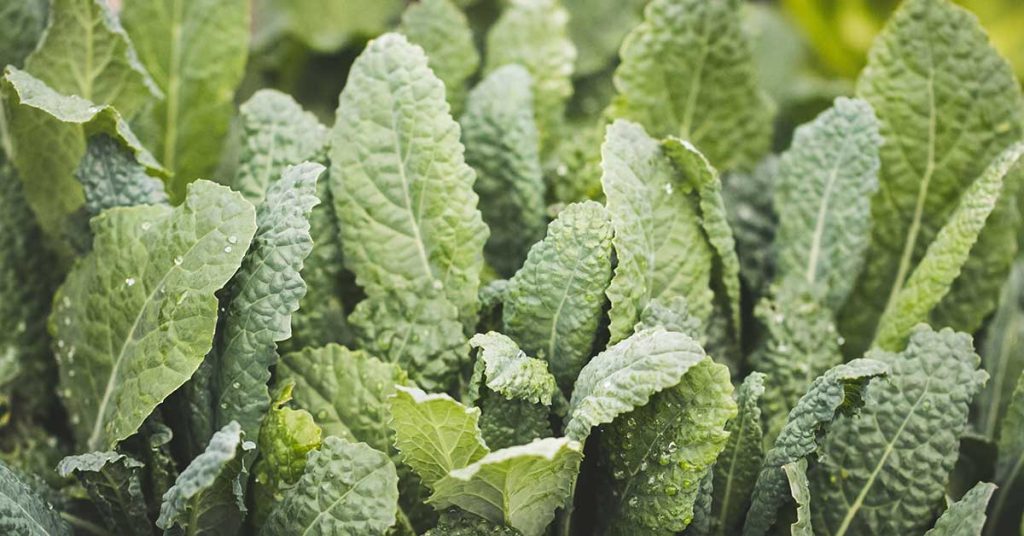
Harvesting correctly is like giving your greens a gentle haircut instead of a buzz cut! For kale, pinch or cut outer leaves down to the main stem, leaving the central bud intact so the plant keeps producing new foliage. With chard, snip leaf stalks at the base, about an inch above the soil line. This “cut‑and‑come‑again” method means you’re harvesting gradually, and your plants won’t take the sign to bolt prematurely.
Swiss chard originated as a wild beet in the Mediterranean around 2000 BCE, and its regrowth habit helped early farmers harvest multiple times. Kale’s hardy nature made it a staple in cooler Northern European climates. Neither species spreads aggressively outside cultivated rows, but practicing smart harvests feels like you’re coaxing them into giving you more! And believe me, there’s nothing more gratifying than seeing fresh leaves sprout back week after week, ready for your next salad or stir‑fry.
Leverage Companion Planting Benefits
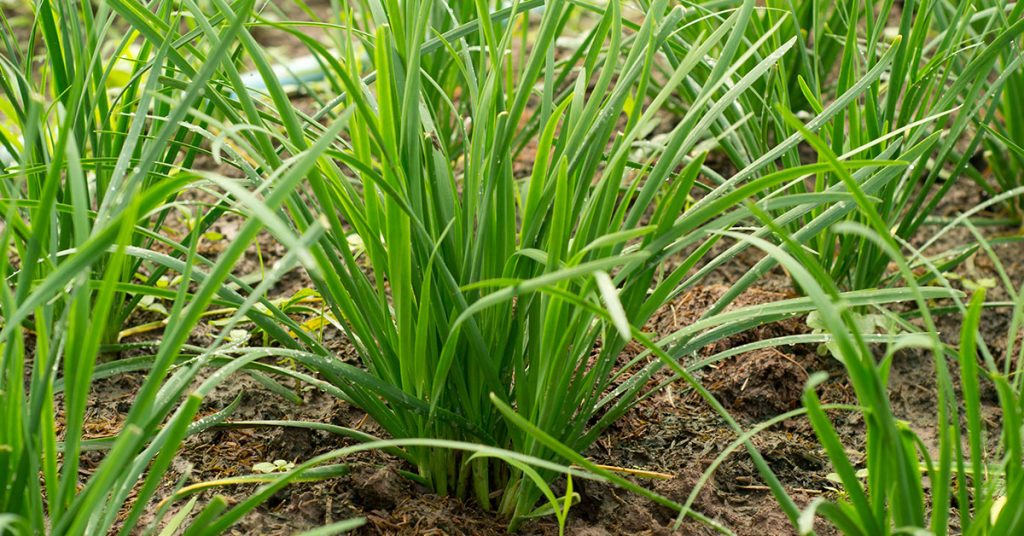
Pairing chard and kale is itself a form of companion planting—they share similar soil, water, and light needs, and planting them together maximizes space. But you can boost the benefits even further by adding aromatic herbs like dill or chives along the edges to repel aphids and slugs. The mingling scents confuse pests, reducing their ability to locate your brassicas! I’ve even tucked in a few calendula blooms; those bright petals attract hoverflies whose larvae feast on aphids. It’s a little garden party where everyone contributes!
Although Swiss chard is a subspecies of the common beet and kale is a member of the mustard family, neither is inherently invasive. They do, however, attract different suites of beneficial insects. By planting complementary species in the same bed, you’re creating a rich tapestry of nesting sites—beetles under mulch, lacewings in herb foliage, and tiny bees in bare patches. It’s like hosting a mix‑and‑mingle where every guest has a role in maintaining a healthy ecosystem.
Choose the Right Site and Soil Conditions

One of the first steps is picking a sunny spot that gets at least six hours of direct light daily. Both chard and kale appreciate consistent sunlight for robust leaf development. If you live somewhere scorching hot, a touch of afternoon shade can prevent wilting and scorch marks. I’ve even used a simple shade cloth when summer temperatures soared past 90 °F—your plants will thank you for the break!
These greens thrive in fertile, loamy soil with a slightly acidic to neutral pH (6.0–7.0). A soil that drains well yet holds moisture helps roots access nutrients without drowning. Chard’s ancestors grew in rocky Mediterranean soils, while kale’s forebears thrived in Europe’s coastal regions. Neither plant tends to escape the garden, but giving them their ideal home encourages vigorous growth rather than struggling in marginal conditions.
Apply Rich Organic Matter and Mulch

Feeding your bed generous amounts of compost or aged manure before planting sets the stage for success. Both chard and kale are heavy feeders, craving nitrogen to build those vibrant green leaves. I like to work in a two‑inch layer of compost each spring, then top with a light mulch of straw or shredded leaves. Not only does that mulch lock in moisture and suppress weeds, it also becomes a cozy nesting site for earthworms, which aerate the soil as they tunnel!
Swiss chard and kale don’t spread invasively through roots or runners, but their appetite for nutrients can deplete the bed over time. Mulching provides a slow‑release source of organic nutrients as it breaks down, helps regulate soil temperature, and even discourages slugs from sneaking in under the cover of darkness. Plus, the mulch layer invites toads and ground beetles—natural slug predators—to make themselves at home in your garden.
Plan Succession Planting for Continuous Harvest
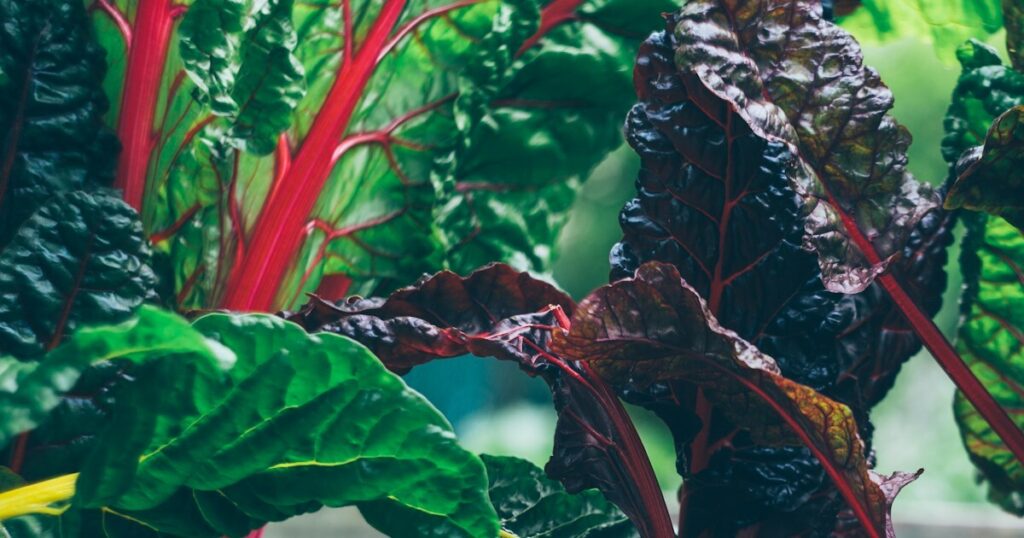
Nothing’s more discouraging than seeing your chard and kale finish up harvests all at once, leaving bare soil waiting for fall sowings. To avoid that, sow small batches every two to three weeks. You might start with an early spring planting under row covers, then follow up mid‑summer for a fall crop. I mark each planting date in my garden journal—seeing those staggered germination dates helps me troubleshoot when something bolts too quickly in heat!
Both greens tolerate light frost—they just get sweeter when temperatures dip. If you’re in a cooler region, sow some seeds four to six weeks before your last spring frost. For warmer zones, you can even try a fall planting in late summer. Neither chard nor kale tends to naturalize beyond cultivation, but timed sowings give you a steady supply without big gaps. You’ll feel like you’ve unlocked a secret to garden bounty!
Manage Sunlight and Shade

Even though both chard and kale enjoy sunshine, extreme heat can lead to bolting or yellowing leaves. In regions where summer highs linger above 85 °F, consider situating your patch where it gets morning sun and afternoon dappled shade—think under a fruit tree’s canopy or beside a taller, leggy sunflower stand. This strategy keeps leaves crisp and succulent rather than tough and bitter!
Swiss chard evolved in Mediterranean climates with hot, dry summers, so it’s surprisingly tolerant of warmth. Kale, however, originated in the milder coastal climates of Northern Europe, preferring cool, steady temperatures. Neither escapes garden confines on its own, but by moderating light exposure, you’re supporting their varied backgrounds and preventing heat‑induced stress—plus, you’ll end up with leaves that taste milder and more tender!
Provide Frost Protection for Extended Season

Both kale and chard shine in cooler temperatures—and a light frost even sweetens their flavors. However, if you’re eyeing a winter harvest, a simple hoop tunnel or row cover can make all the difference. I drape breathable fabric over wire hoops as soon as nighttime lows dip near freezing. Not only does it ward off hard freezes, it also keeps rabbits and woodchucks from nibbling on your prized greens!
Chard’s heat tolerance means it can keep growing when kale slows down, and kale’s cold hardiness means it will keep the garden vibrant when chard starts to wane. Neither plant naturalizes aggressively, but protecting them from extreme cold feels like giving them a VIP pass to the cold‑hardy club. You’ll be picking fresh greens deep into autumn—sometimes even through light snows!
Balance Fertilization Throughout the Season
After that initial compost boost, side‑dress your plants about six weeks after sowing with a nitrogen‑rich feed—fish emulsion, blood meal, or a balanced organic fertilizer all work wonders. Kale and chard love a mid‑season boost to keep those leaves lush and thick. I mix my liquid feeds into my watering can for an easy, uniform application!
Swiss chard can tolerate a bit more potassium, so I sometimes sprinkle crushed eggshells—or better yet, a handful of wood ash—around the base. Kale, on the other hand, responds best to steady nitrogen. Neither species will become invasive from overfertilization, but overdoing it can lead to weak, floppy growth or invite leaf spot diseases. By tailoring the feed to each plant’s preferences, you’ll get crisp, resilient leaves every time.
Fine‑Tune Watering Techniques
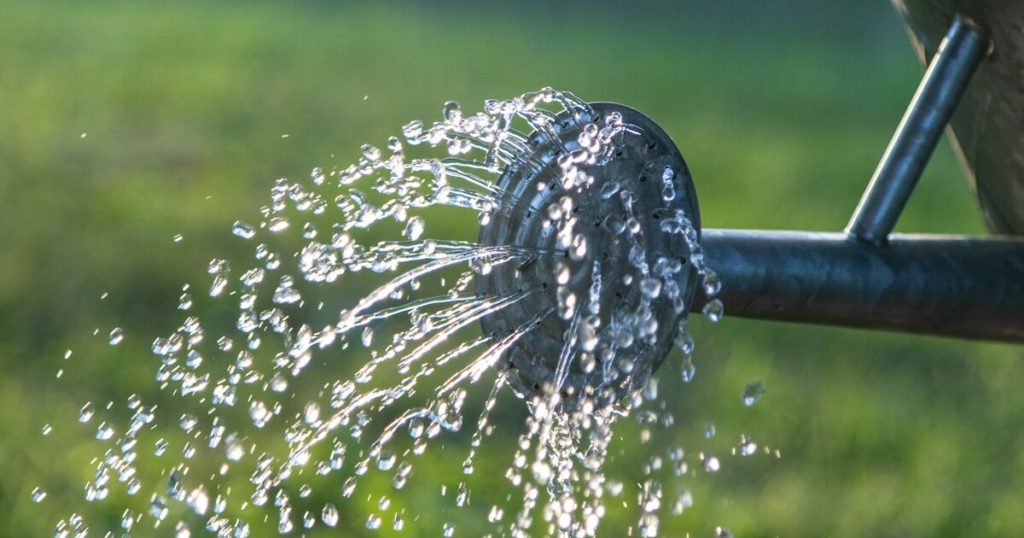
Consistent moisture is crucial—both chard and kale dislike dry spells. A drip irrigation system or soaker hose placed at the soil line delivers water right to the roots without wetting foliage, which helps prevent downy mildew and other fungal issues. Aim for about an inch of water per week, adjusting for rainfall. I always check soil moisture by poking a finger an inch down; if it feels dry, it’s time to water!
Kale roots can reach deeper in search of moisture, so a thorough soak every few days is better than light daily sprinklings. Chard’s shallower roots appreciate more frequent, gentler drinks. Neither vegetable escapes garden beds naturally, but watering strategically ensures you’re catering to their root habits—leading to stronger, more drought‑resilient plants that reward you with steady harvests.