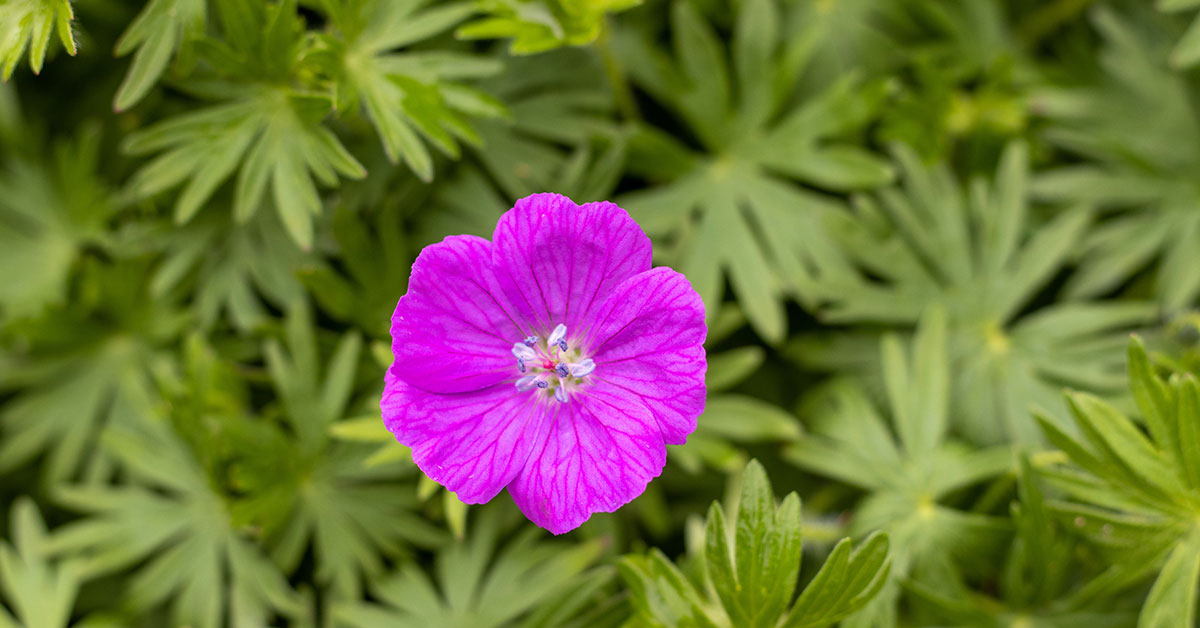

Geraniums (Pelargonium spp.) are beloved for their vibrant blooms, attractive foliage, and remarkable resilience, making them a top pick for brightening up patios and outdoor living spaces. Native primarily to South Africa, these perennials have adapted to a variety of climates worldwide and seldom become invasive when grown in containers or well‑managed beds. It’s such a bummer when patio pots look lifeless or potted flowers flop in the heat—geraniums bring consistent color and structure that keep your outdoor space lively all summer long!
As a gardener who’s watched dozens of geranium cultivars thrive in sun‑baked planters, I’m thrilled to share ten compelling reasons to make room for these cheerful plants. From irresistible pollinator magnets to their natural pest‑deterring properties, each reason highlights how geraniums enhance both the beauty and functionality of your patio. Grab a trowel, and let’s dive into why these resilient bloomers deserve pride of place by your front door or backyard lounge!
Vibrant, Long‑Lasting Blooms
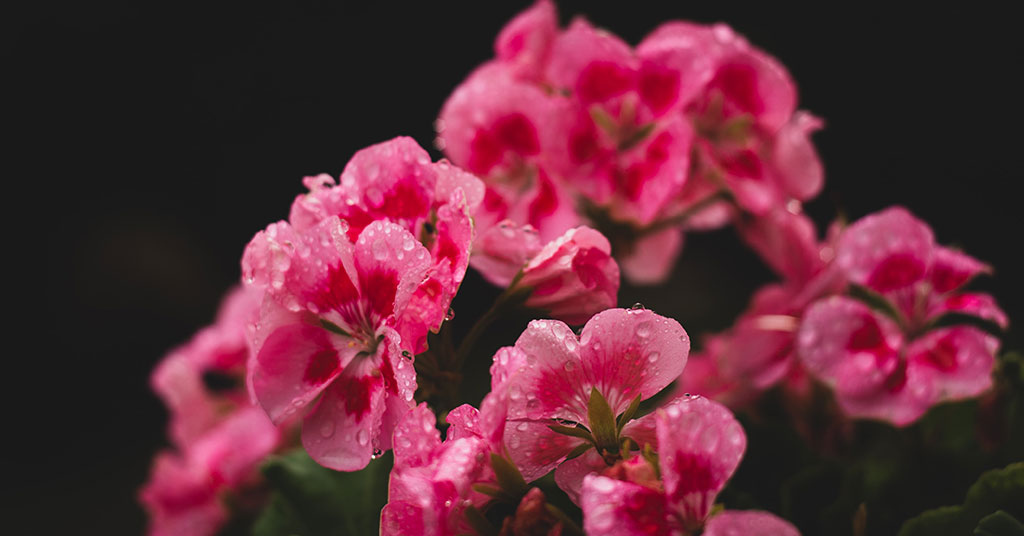
Geraniums deliver clusters of bold flowers in shades of red, pink, white, and salmon that last for months with basic care. I once planted a mix of zonal and ivy geraniums in my patio railing boxes—and from late spring until the first frost, the overflowing blossoms never missed a beat! Their prolific flowering means you’ll enjoy a riot of color without constantly replanting or fussing over finicky varieties.
Because they bloom on new growth, a quick pinch of spent flower clusters encourages even more buds to form. Watching those fresh blossoms open every few days feels like getting a mini‑gift from your garden—no florist required!
Natural Pollinator Magnet
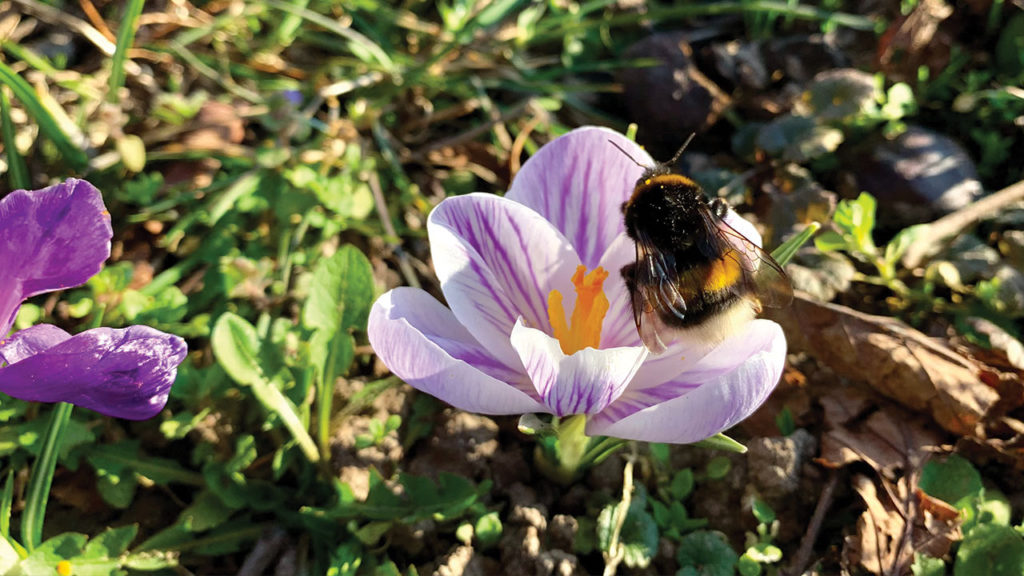
While geraniums aren’t the most nectar‑rich flowers in the garden, their flat, open blooms still draw in small native bees, hoverflies, and even butterflies searching for pollen landing pads. In my own garden, I’ve spotted mining bees nesting in the loosened soil at the base of thriving geraniums, providing pollination boosts for nearby herbs and veggies.
That gentle hum of wings and the occasional butterfly sipping at the petals adds a delightful soundtrack to patio gatherings. It’s a subtle reminder that you’re cultivating not just beauty but also a micro‑ecosystem right beside your favorite outdoor chair!
Fragrant Foliage Varieties
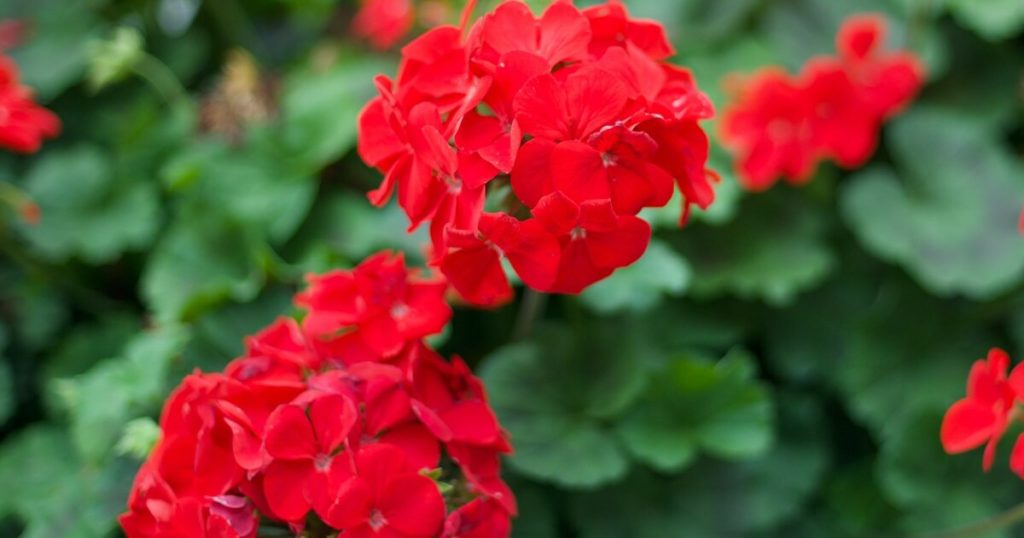
Beyond the flowers, many scented geraniums—also called scented pelargoniums—offer foliage with lovely aromas: rose, lemon, mint, or even cinnamon. Crushing a leaf between your fingers releases an immediate burst of fragrance that invigorates the senses. I adore brushing past a planter of lemon‑scented geraniums on a hot afternoon—instant refreshment without an air freshener!
These aromatic leaves can be used in potpourri, homemade sachets, or even gently rubbed on skin to repel mosquitoes. Their natural oils add another dimension of enjoyment to your patio, engaging not just the eyes but also the sense of smell!
Excellent Container Performers

Geraniums thrive in containers, window boxes, and hanging baskets, making them ideal for patios with limited garden space. Their fibrous root systems adapt well to pot culture, and they rarely suffer from root‑bound issues if repotted every couple of years. I’ve found that planting geraniums in decorative ceramic pots adds instant curb appeal and flexibility to rearrange according to sun patterns or seasonal décor.
Since they aren’t aggressive spreaders when contained, you won’t have to worry about them overtaking other container companions. Their tidy growth habit keeps your planters looking neat, even when the heat is at its peak!
Drought Tolerance Once Established
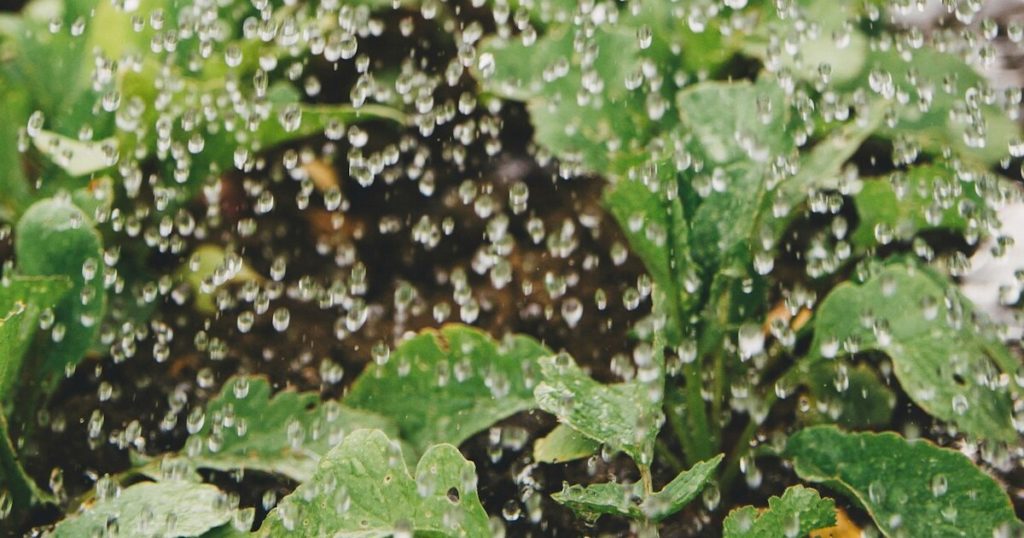
Native to regions with dry summers, geraniums develop strong root systems that endure brief droughts better than many annuals. After getting established, they only need watering when the top inch of soil dries out—perfect for busy gardeners or those prone to forgetful watering! I once left my patio pots fluffy and green through a weeklong weekend trip with no wilt in sight.
This resilience also means they bounce back quickly with a single deep watering, rather than languishing after light spritzes. It’s like having a reliable friend in your garden who doesn’t complain when you’re tied up with life’s demands!
Natural Pest-Repellent Properties

Certain geranium species, especially those with scented foliage, produce essential oils that deter mosquitoes, cabbage moths, and other nuisance insects. Planting them in clusters around seating areas creates a subtle barrier that keeps pests at bay. I often gather a few crushed leaves and toss them on my grill cover before cooking outdoors—all without a chemical repellent in sight!
This dual role as both decorative bloomers and pest‑deterrents makes geraniums a savvy choice for patios, where bites and pests can quickly spoil an evening outside. They help maintain a pleasant, bite‑free atmosphere for family and guests!
Easy Propagation by Cuttings
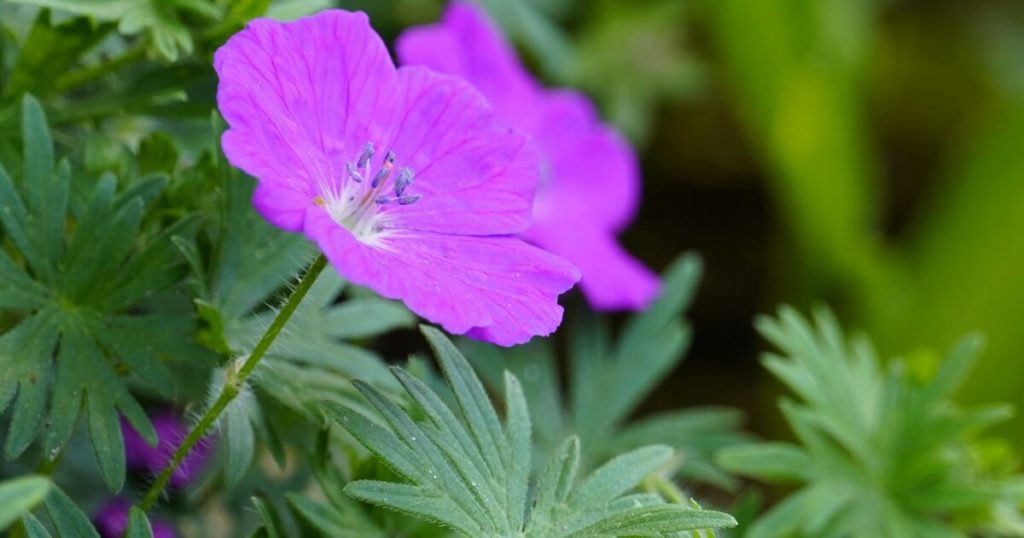
One of my favorite plants to share with friends, geraniums root readily from stem cuttings. Simply snip a healthy shoot, let it callous for a day, then pop it into moist potting mix—roots appear within weeks! This not only multiplies your stock but also refreshes older containers with vigorous new plants each season.
Propagating becomes a fun, social gardening activity: swap cuttings with neighbors or gift friends your most colorful cultivars. It’s amazing how quickly a single plant can turn into a thriving community of blooms!
Versatile Companion Planting
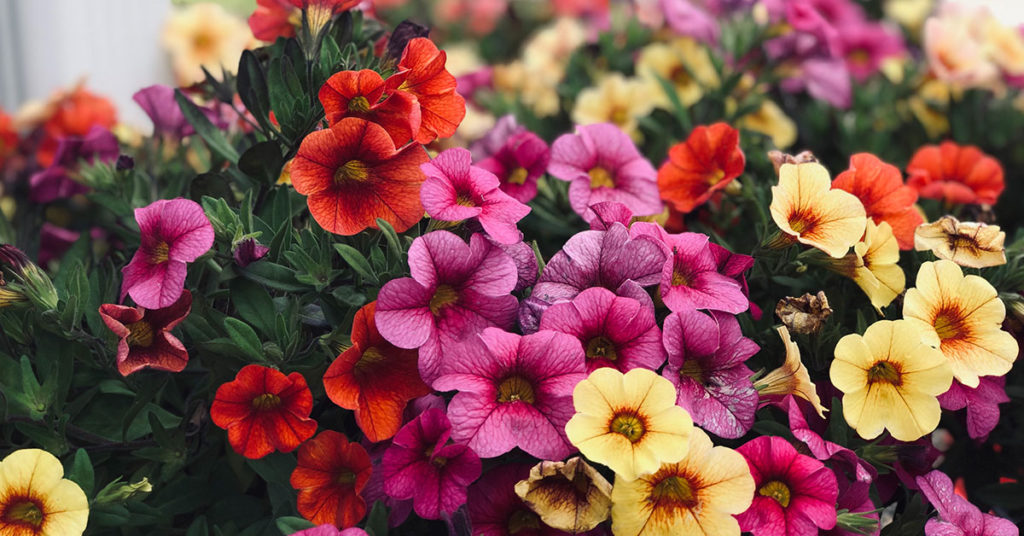
Geraniums pair beautifully with trailing lobelia, petunias, and herbs like thyme or rosemary, creating dynamic container combinations. I often intersperse fragrant geraniums with basil in my herb pots, the two complementing each other in height, color, and scent. Pollinators visiting the geraniums frequently drop over to basil flowers, neatly linking aesthetics and function!
Their compatibility extends to vegetable beds, too: planting geraniums near tomatoes or beans can mask host‑odor cues, potentially reducing pest pressure. It’s gardening synergy at its finest!
Seasonal Allergy Friendly
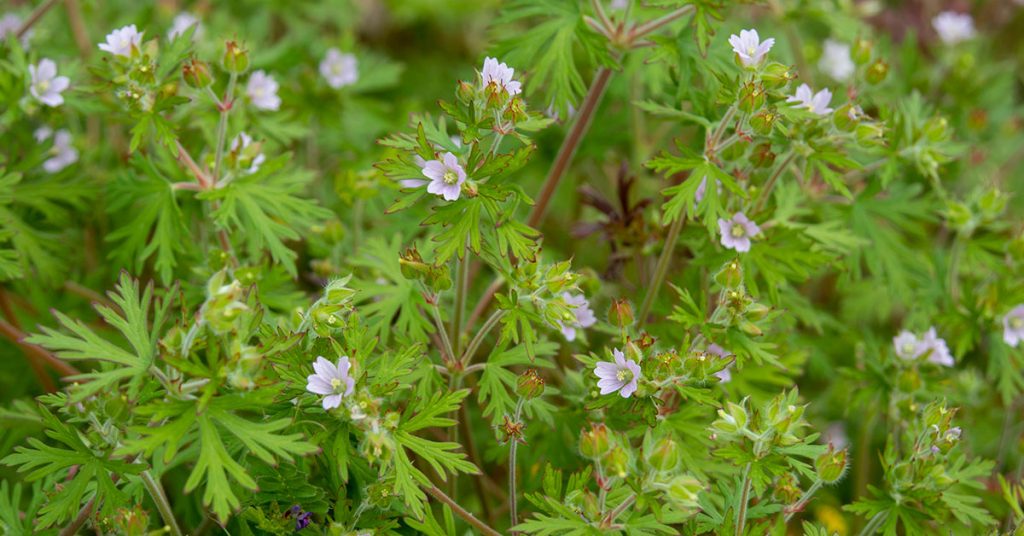
Unlike many ornamental plants that release copious amounts of airborne pollen, geranium pollen is relatively heavy and stays put on the flowers, minimizing allergen spread. For allergy sufferers who dream of a colorful patio without sneezing fits, geraniums are a blessing. I’ve had friends with hay fever rave about their ability to enjoy patio gardening again, thanks to these low‑allergen blooms!
Their pollen‑safe nature also means you can sit close to the planters during peak bloom without worrying about itchy eyes—just pure, unsubscribed enjoyment of those brilliant petals!
Low Maintenance and Disease Resistant

Geraniums are remarkably hardy, resisting many common fungal diseases when given proper air circulation and moderate watering. They rarely suffer from powdery mildew or root rot if planted in well‑draining media. I’ve tended these plants for years with minimal intervention—just a quick check for stray dropped leaves and the occasional pinch of spent blooms.
This low‑maintenance profile leaves you more time to savor your patio ambiance—sip your tea, read a book, or entertain friends—without devoting hours to complex plant care!