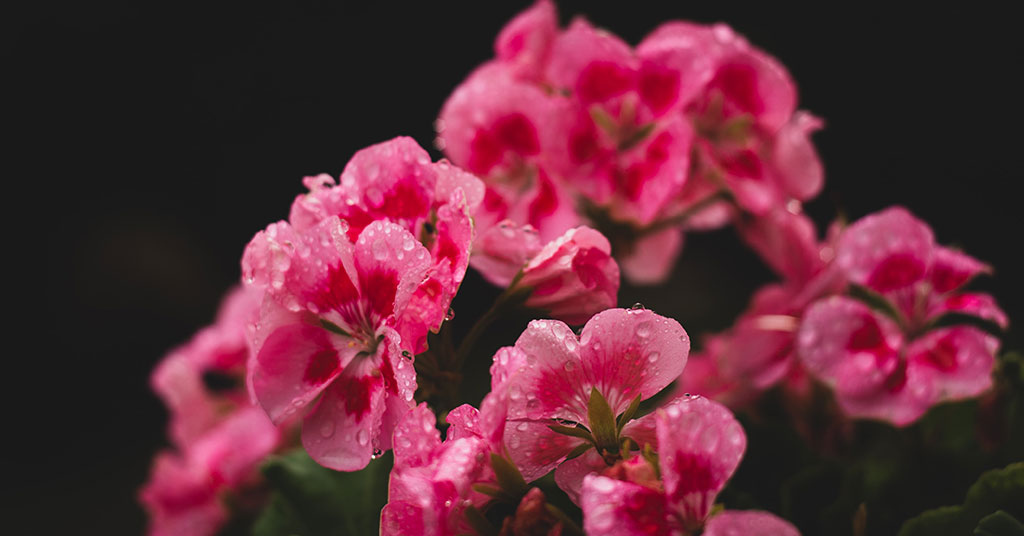

Aromatherapy harnesses the natural fragrances of herbs to uplift the spirit, soothe the mind, and create an inviting atmosphere in your home or garden. It’s such a bummer when store‑bought oils fall flat, missing the nuance and freshness that only homegrown plants can provide! Growing your own aromatherapy herbs means you control the quality, harvest them at peak fragrance, and enjoy the sight and sound of beneficial wildlife making its home among the foliage.
As a gardener who’s spent countless mornings inhaling dew‑laden leaves and watching bees buzz through scented blossoms, I’m thrilled to share these fifteen aromatic herbs. From classic lavender to unexpected rose geranium, each section covers native origins, invasiveness concerns, pollinator attractions, and tips for nurturing a lush, fragrant patch. Let’s cultivate a sensory sanctuary right outside your door!
Lavender (Lavandula angustifolia)
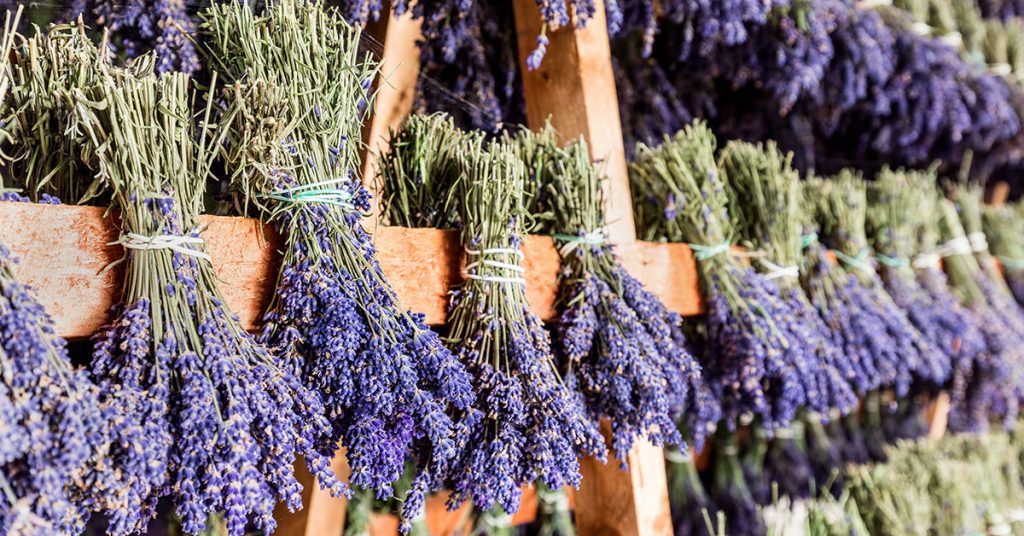
Lavender, native to the Mediterranean region, is the quintessential aromatherapy herb, prized for its calming floral‑camphor scent. In well‑drained, sunny beds or containers, it produces fragrant flower spikes that release essential oils effortlessly when brushed or cut. Though lavender isn’t considered invasive, overcrowded clumps benefit from springtime division to maintain airflow and vigor.
Beyond its fragrance, lavender flowers attract honeybees, bumblebees, and solitary bees nesting in nearby ground, turning your garden into a buzzing hub of pollination. I love pausing to watch bees crawl deep into each purple bloom, their gentle hum blending with that soothing lavender aroma—a double treat for body and mind!
Peppermint (Mentha × piperita)
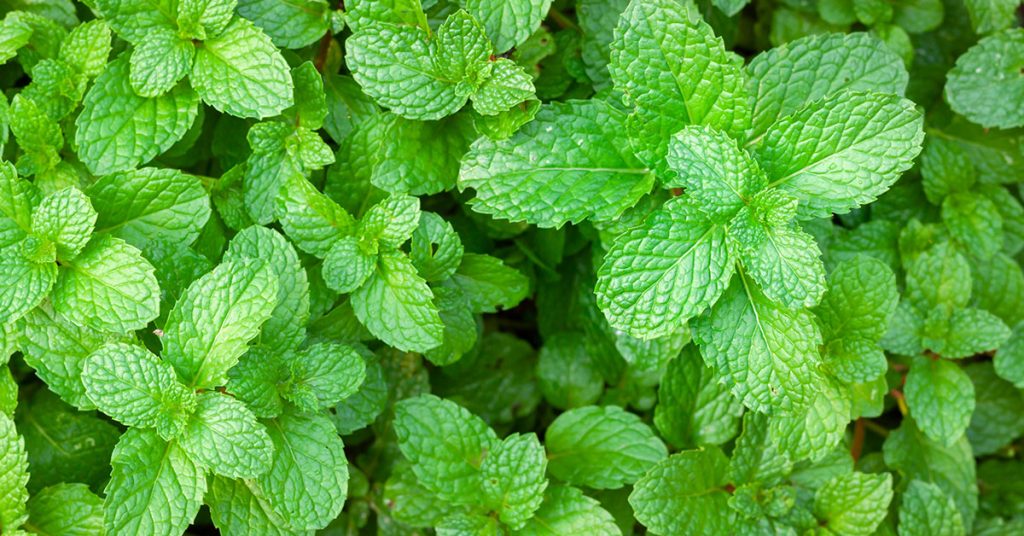
Peppermint, originally a hybrid of watermint and spearmint native to Europe, boasts a brisk, invigorating scent that clears the mind and aids concentration. However, mint spreads vigorously by creeping rhizomes and can overrun beds if left unchecked—growing it in containers or with buried root barriers keeps it friendly to neighbors.
The sweet, menthol fragrance emanates from crushing the bright green leaves, releasing oils that perk up spirits during afternoon slump. Hoverflies and small bees often nest in the dense mint foliage, providing natural pest control for surrounding plants—a fragrant shield and insectary in one!
Rosemary (Salvia rosmarinus)
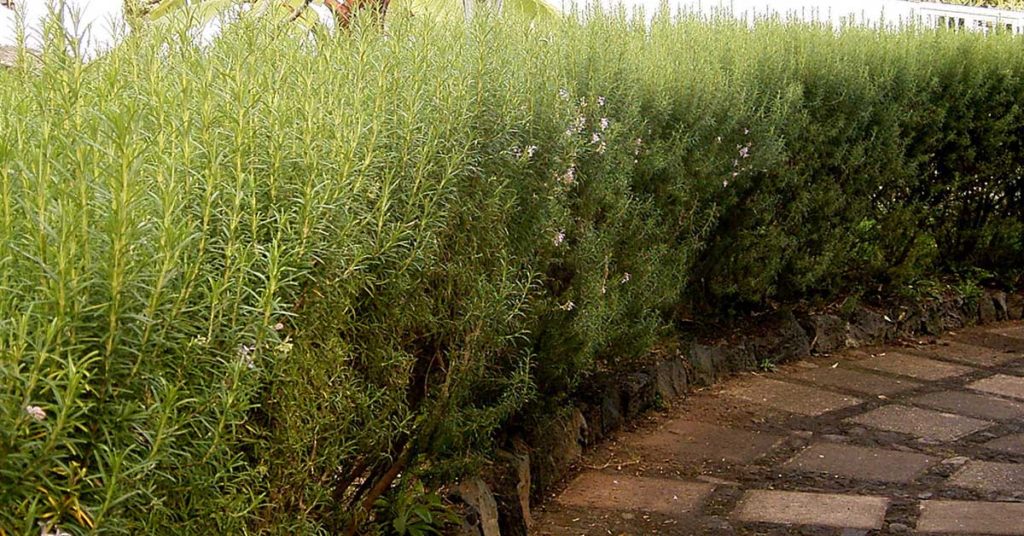
Native to the coastal Mediterranean, rosemary’s woody, pine‑like aroma invigorates the senses and is reputed to boost memory and mental clarity. This evergreen shrub thrives in sunny, well‑drained soils and rarely becomes invasive, though its woody stems benefit from pruning after flowering to encourage fresh, aromatic growth.
In my garden, rosemary’s dense branch structure offers perching and nesting sites for tiny birds like wrens, and its flowers attract bumblebees in droves. Snipping a sprig and rubbing the needles releases that unmistakable scent—a perfect pick‑me‑up during busy gardening sessions!
Lemon Balm (Melissa officinalis)
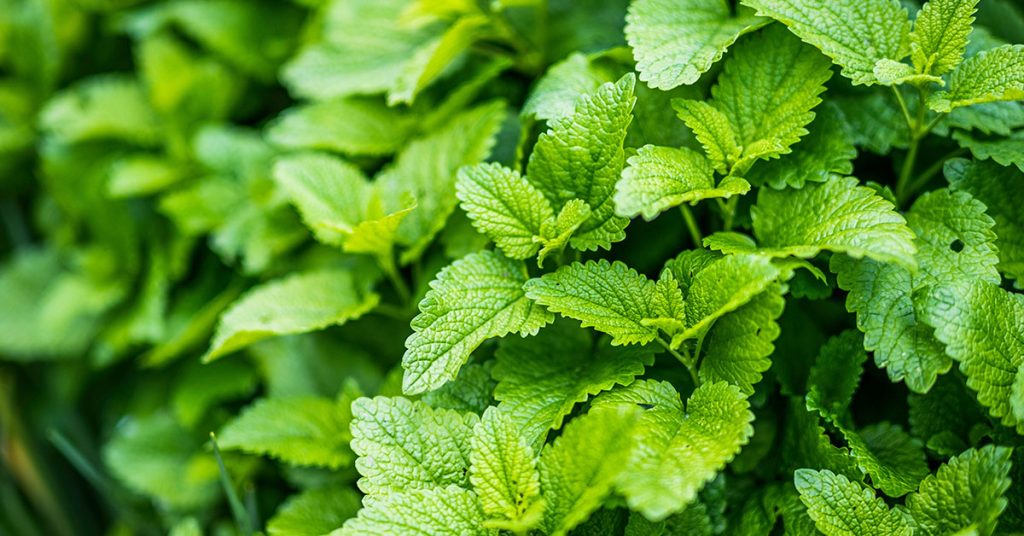
Lemon balm, native to Southern Europe and the Mediterranean, oozes a gentle lemon‑mint fragrance renowned for reducing anxiety and promoting restful sleep. A relative of mint, it can naturalize in rich, moist soils but seldom becomes invasive if contained. Regular harvesting of the young leaves keeps growth fresh and aromatic.
Bees adore the pale yellow flowers, often nesting in the lightly shaded soil beneath the plant’s domed foliage. I fondly recall harvesting lemon balm before dusk, then brewing a cup of tea that imbued the room with its bright, calming aroma—instant serenity!
Chamomile (Matricaria chamomilla)
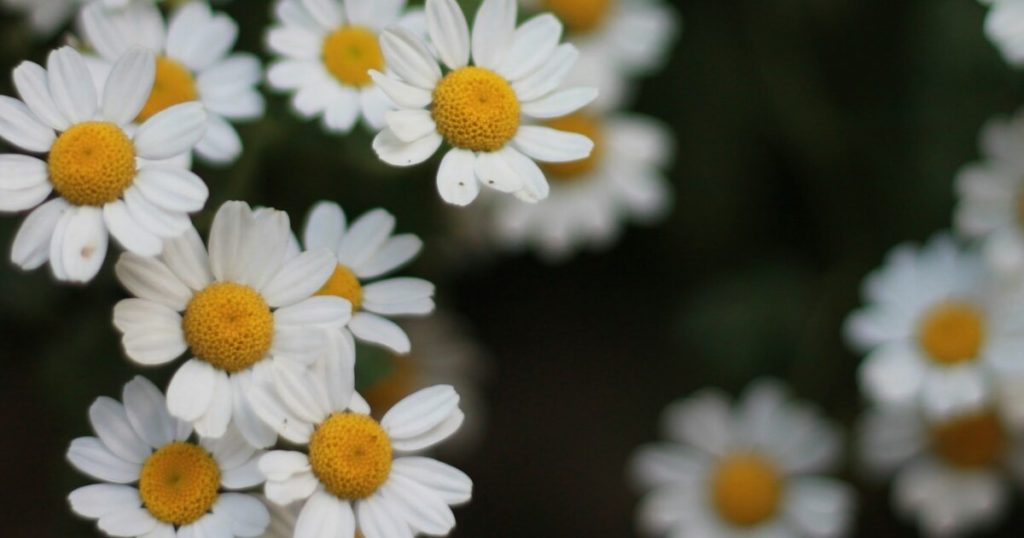
German chamomile, native to Europe and Western Asia, features daisy‑like blooms with apple‑sweet fragrance, used to soothe nerves and ease digestive discomfort when steeped as tea. It self‑sows sparingly but isn’t classed as invasive; deadheading flowers after blooming controls volunteer seedlings.
Hoverflies and small solitary bees nest in the loose, sandy soil at the base of chamomile clumps, helping regulate aphid populations in nearby beds. Watching those delicate insects flit among the white petals as I collect blooms always feels like a mini celebration of nature’s gentle rhythms!
Lemongrass (Cymbopogon citratus)
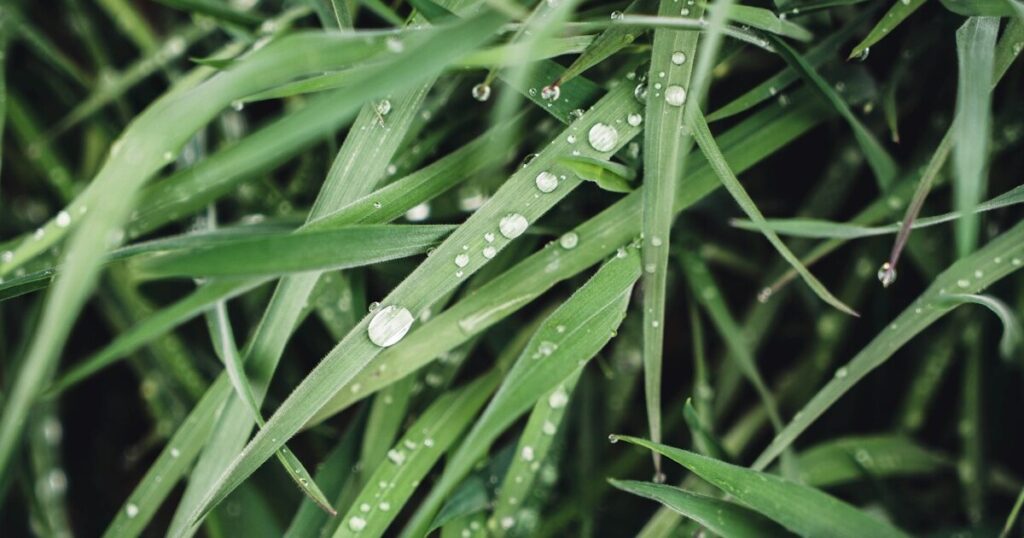
Though technically a grass, lemongrass is native to Southeast Asia and prized for its potent citrus scent, perfect for refreshing mood and repelling insects. In tropical and subtropical gardens it can spread by rhizomes but is well‑behaved in containers or temperate regions. Rich soil and full sun encourage tall, fragrant blades.
When I harvest lemongrass stalks, crushing the fibers between my fingers releases an intense lemon‑ginger aroma—ideal for steam inhalations and homemade diffusers. Butterflies often pause on the leaves, sipping dew and adding a lively grace to the garden border!
Bergamot (Monarda didyma)

Also known as bee balm, bergamot hails from eastern North America and offers a spicy‑citronella scent that uplifts and energizes. It can spread via rhizomes, sometimes forming clonal patches, but periodic thinning keeps it in check. Rich, well‑drained soil in full sun yields the most fragrant leaves and flowers.
True to its name, bergamot flowers are a magnet for native bees, honeybees, and hummingbirds—each sip of nectar is a delightful sight. I often tuck fresh leaves among linens for a waking aroma that instantly brightens my morning routine!
Lemon Verbena (Aloysia citrodora)
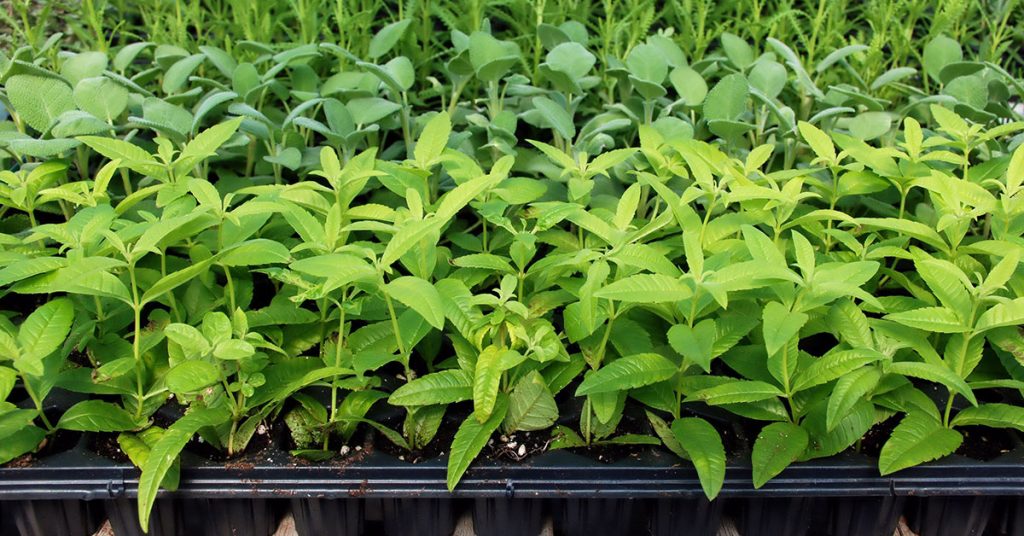
Lemon verbena, native to South America, enchants gardeners with intensely citrus‑scented leaves used in tea blends and essential oils. In frost‑free climates it can grow into a large shrub; in cooler zones it’s best in containers that move indoors for winter. Mulching around the base in colder areas helps protect roots.
The fragrant leaves attract small pollinators like bees and beneficial predatory wasps, which nest in the soil below. One of my favorite habits is crushing a leaf and inhaling its lemon‑sweet perfume—it’s like bottling sunshine!
Basil (Ocimum basilicum)
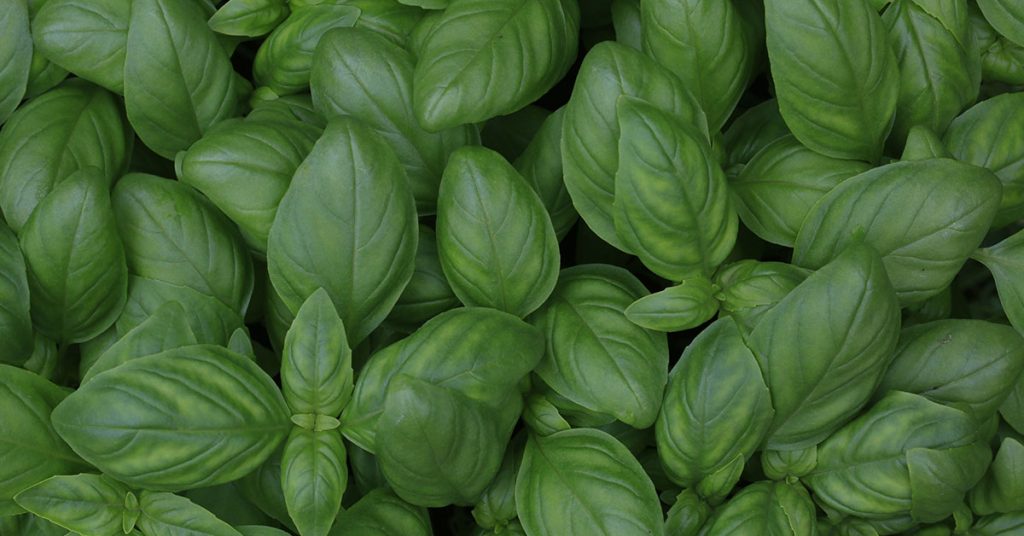
Beyond culinary uses, sweet basil—native to tropical Asia—yields a warm, spicy‑sweet aroma that rejuvenates the mind and eases headaches when inhaled. Basil is not invasive, but its seeds can self‑sow in rich soils; pinching back flowers prolongs leaf production and scent intensity.
Bees flock to tiny white basil blooms, and I’ve spotted leafcutter bees nesting in nearby bare patches of soil. Snipping a few stems and rubbing the leaves between my palms unleashes that classic basil fragrance—a garden‑fresh pep talk every time!
Sage (Salvia officinalis)
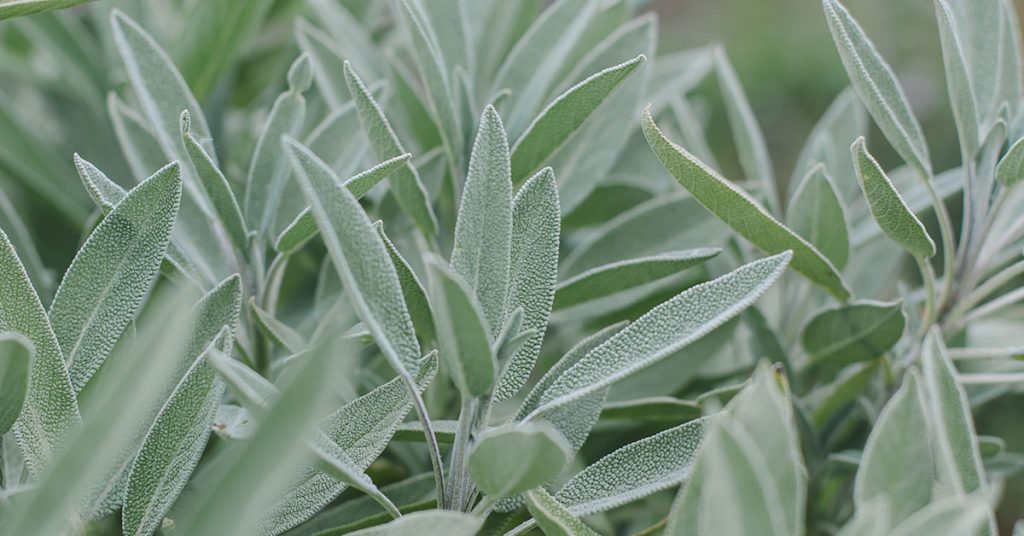
Common sage, native to the Mediterranean, carries a warm, earthy scent known for its clarifying and grounding properties in aromatherapy. While sage rarely spreads unchecked, removing flower spikes after bloom maintains a tidy, aromatic herb patch. It thrives in sunny, well‑drained conditions.
Bumblebees love the tubular sage flowers, often setting up nests in sheltered garden corners. I delight in brushing past a sage patch, releasing an herbaceous, slightly camphorous aroma that feels like nature’s own reset button!
Eucalyptus (Eucalyptus globulus)
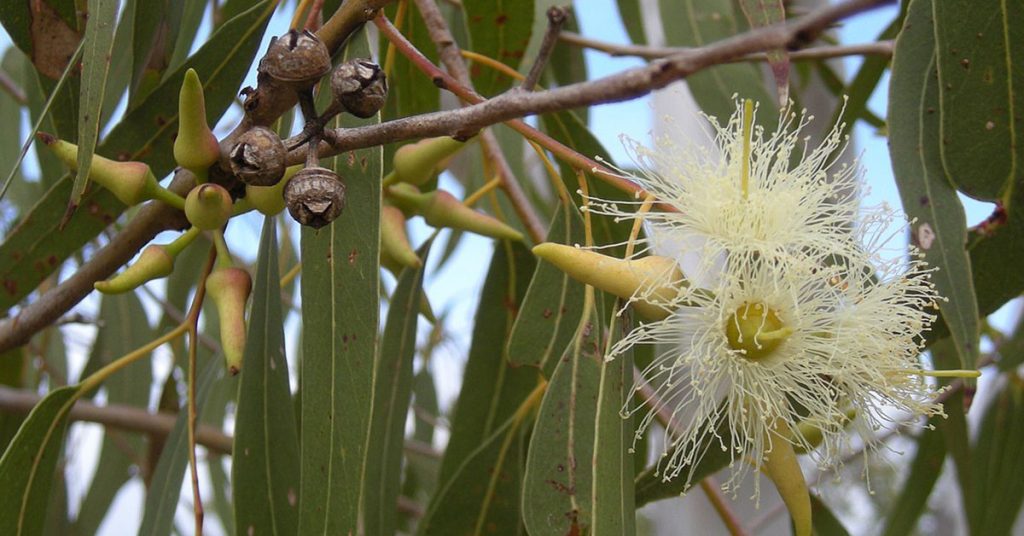
Eucalyptus, hailing from Australia, delivers a potent camphor‑mint fragrance celebrated for respiratory relief and mental clarity. In warm climates it can become invasive, so planting in large containers or controlled areas is wise. Its fast growth and peeling bark add architectural interest to gardens.
Small birds perch on its branches, while bees forage the nectar from tiny blossoms. Snapping off a young leaf and crushing it releases a sharp, clearing scent that feels like opening a window in a stuffy room—pure refreshment!
Marjoram (Origanum majorana)
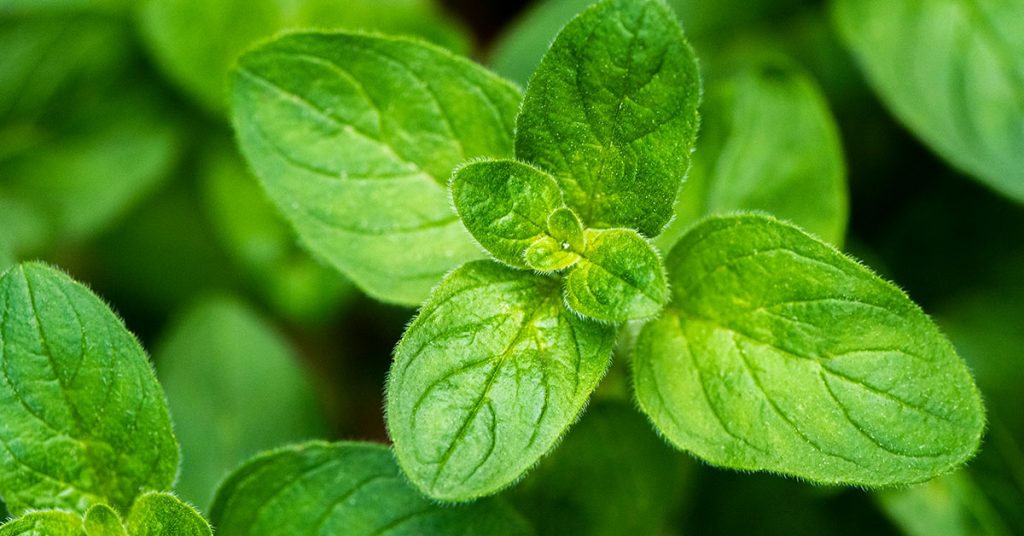
Sweet marjoram, native to the Mediterranean, exudes a warm, honey‑like fragrance used to soothe anxiety and promote restful sleep. It naturalizes modestly but rarely becomes invasive, favoring well‑drained soil and full to partial sun. Regular harvesting of the tender tips boosts both flavor and aroma.
Hoverflies and small wild bees frequently nest near marjoram clumps, drawn by its nectar‑rich flowers. Inhaling its gentle, sweet scent while wandering the garden always brings a moment of calm and contentment!
Thyme (Thymus vulgaris)
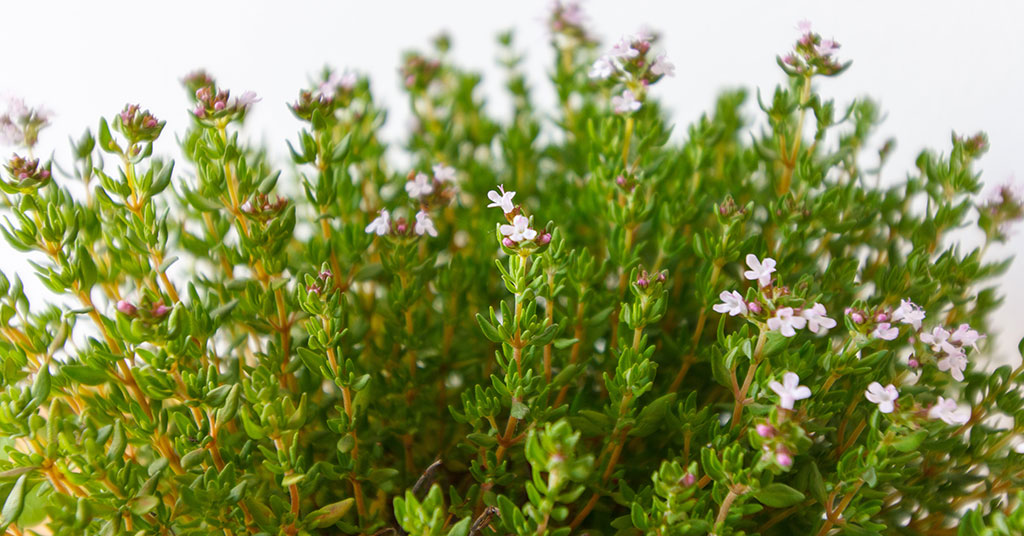
Common thyme, native to the Mediterranean, offers a robust, herbaceous‑earthy aroma known for stimulating focus and easing tension. Thyme spreads slowly via creeping stems but remains well‑behaved in rock gardens or containers. Full sun and gritty soil keep its essential oils at peak potency.
Bees adore thyme blossoms, nesting in sandy patches around the base, and I love brushing my hand over the tiny leaves to release that warm, slightly minty fragrance. It’s like a natural focus aid whenever I need a clear head!
Catnip (Nepeta cataria)
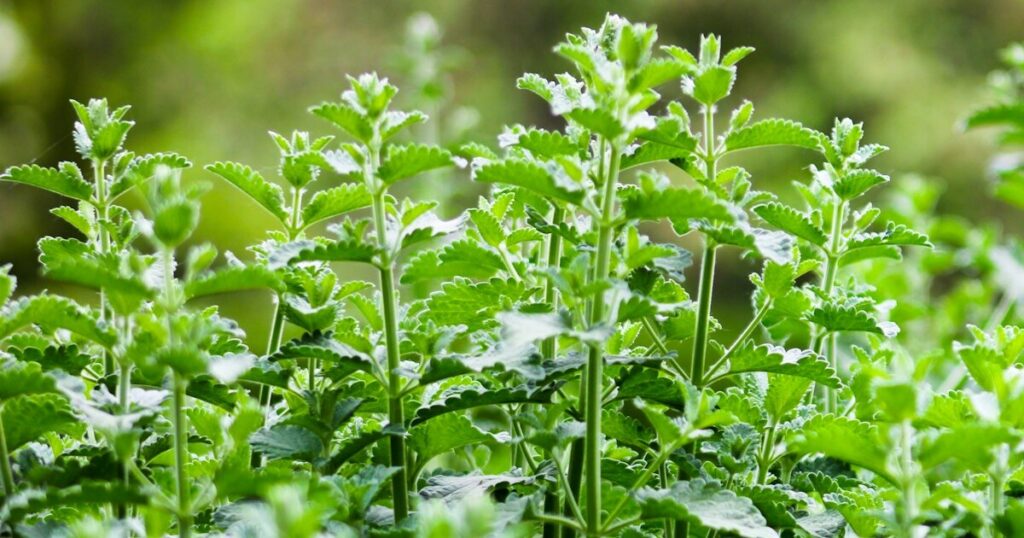
Catnip, native to Europe and Asia, is famed for its uplifting lemon‑mint scent that can ease anxiety and promote relaxation in aromatherapy blends. It self‑sows readily but seldom becomes invasive if spent flowers are removed. Catnip thrives in full sun to partial shade and tolerates a range of soils.
While cats famously frolic in its foliage, beneficial predatory insects and solitary bees also nest in the loose soil beneath. I often spot new leaf shoots greeted by tiny pollinators as I harvest for sachets—nature’s own mood lifters at work!
Rose Geranium (Pelargonium graveolens)
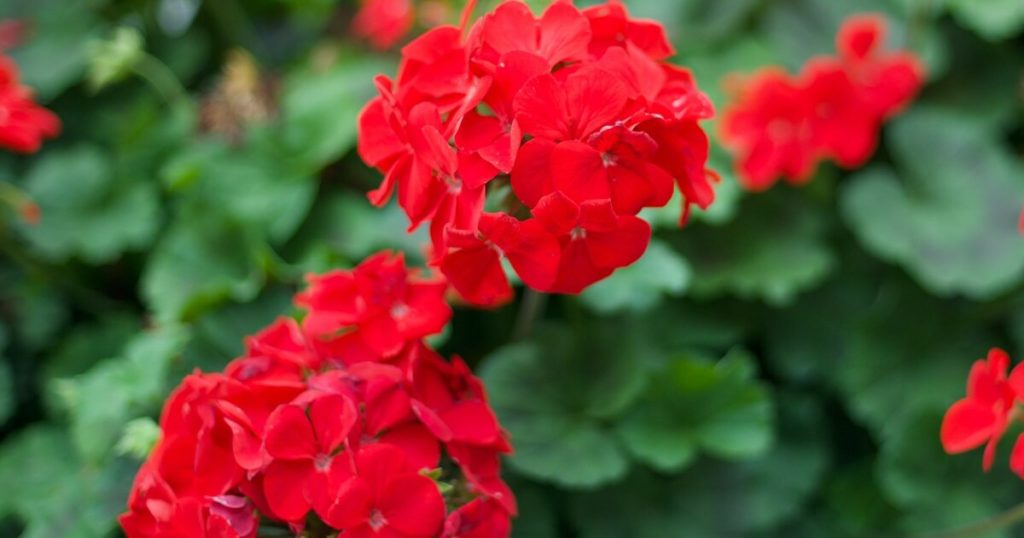
Rose geranium, native to South Africa, produces leaves rich in rose‑pelargonium fragrance, prized for its anti‑stress and uplifting effects. Though not invasive, it’s best grown in pots in cooler zones to overwinter indoors. Bright light and moderate moisture yield the most fragrant foliage.
Hoverflies and small solitary bees nest near the plant’s base, drawn by its clusters of pink blooms. I love collecting a handful of leaves to crush and inhale—each breath feels like a gentle embrace, reminding me of gardens in full bloom!