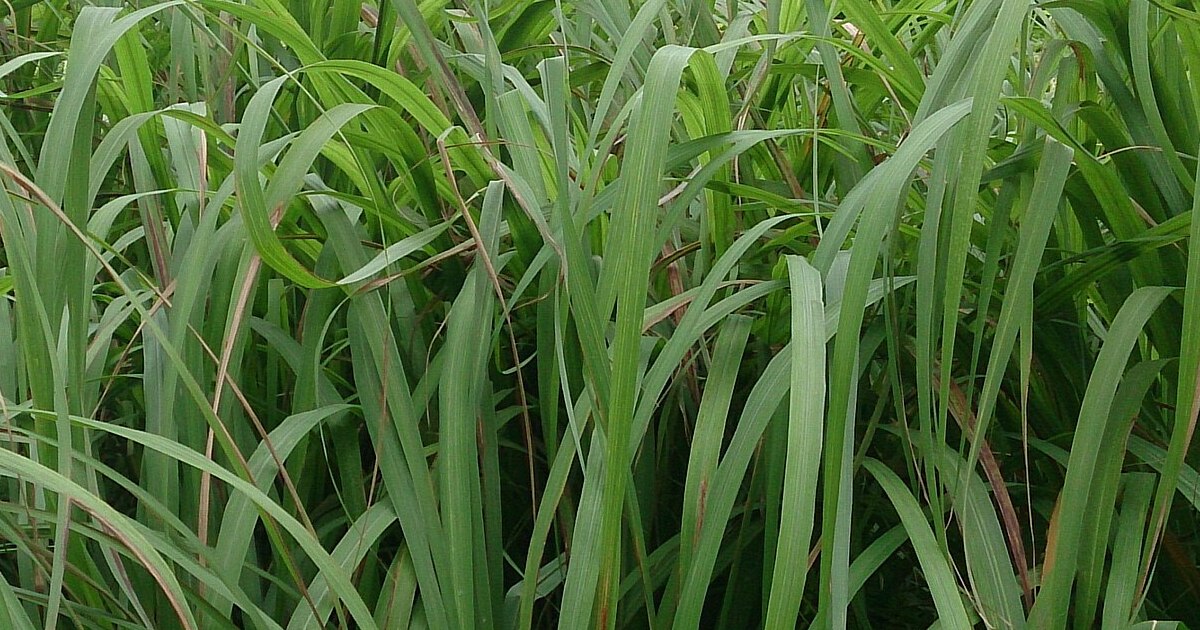

Citronella grass (Cymbopogon nardus and Cymbopogon winterianus) is a must-have for gardeners seeking a fragrant, pest‑deterring champion on their patios and borders. Native to the tropical regions of Southeast Asia—particularly Sri Lanka, Indonesia, and Malaysia—this perennial grass thrives in warm, humid environments and offers a lush, architectural presence. I know how frustrating it can be when your mosquito‑repellent plants languish in the wrong spot or never produce those lovely, lemon‑scented leaves you’ve been eagerly awaiting!
That’s why I’m thrilled to share these twelve tried‑and‑true tips to help your citronella grass flourish. From nailing the ideal light and water conditions to mastering annual division and harvesting, each tip will set you on the path to abundant growth. Let’s dive in and transform your garden into a buzzing, bite‑free oasis!
Select the Right Citronella Variety
There are two main varieties of citronella grass used in gardens: Java citronella (C. winterianus) and Ceylon citronella (C. nardus). Java citronella tends to be more vigorous, with higher essential‑oil levels, while Ceylon offers slightly finer foliage and a gentler lemon scent. One of my favorite discoveries was noting how much stronger Java performed in my humid summer garden—its upright clumps were simply unstoppable!
Neither variety is considered invasive in temperate climates, though in truly tropical regions they can spread by rhizomes if left unchecked. Knowing which cultivar suits your space and fragrance goals is the first step toward a thriving display of lemony greenery!
Provide Plenty of Sunlight

Citronella grass adores full sun, basking in at least six to eight hours of direct light each day. When I shifted my clumps from a shaded corner to a sunnier spot along the fence, they exploded in growth and released that signature citrusy aroma with every breeze! Insufficient light leads to leggy, pale foliage and reduced oil production, which means less fragrance and fewer pest‑repelling benefits.
If you’re growing in containers, rotate pots periodically to ensure even sun exposure on all sides. That way, each blade will soak up the sunlight it craves and reward you with lush, fragrant foliage!
Plant in Well‑Draining Soil

In its native habitats, citronella grass grows in sandy‑loam soils with excellent drainage. Heavy clay or constantly soggy beds can induce root rot and stunt growth. I always mix aged compost with coarse sand or perlite to create a brisk, aerated medium that mimics tropical riverbanks—my grasses have never looked happier!
Whether you’re planting in ground or pots, ensure water flows freely away from the crown. Proper drainage not only prevents rot but also encourages deep root development, strengthening your grass against drought and stress.
Maintain Consistent Moisture

While citronella grass dislikes being waterlogged, it genuinely revels in consistently moist conditions—especially during hot summer months. I stick to a regular watering routine, checking soil moisture every few days. When the top inch feels just slightly dry, I soak the bed thoroughly, encouraging roots to explore downward!
Mulching around the base (but not up against the stems) helps retain that moisture and keeps soil temperatures stable. With this balanced hydration, your grass will feel right at home, channeling energy into vigorous leaf production and essential‑oil synthesis.
Feed with Balanced Fertilizer

Citronella grass benefits from monthly applications of a balanced, slow‑release fertilizer during its active growing season (spring through early fall). I’ve found that a 10-10-10 N-P-K formula, diluted slightly, provides the perfect nutritional boost without risking fertilizer burn. Watching my grasses perk up and produce more fragrant leaves after feeding always brings a smile!
Alternatively, side‑dress with well‑rotted compost or organic granular fertilizer for steady nutrient release. Healthy, well‑fed plants resist stress more effectively and yield more potent citronella oils in their foliage.
Mulch to Regulate Temperature
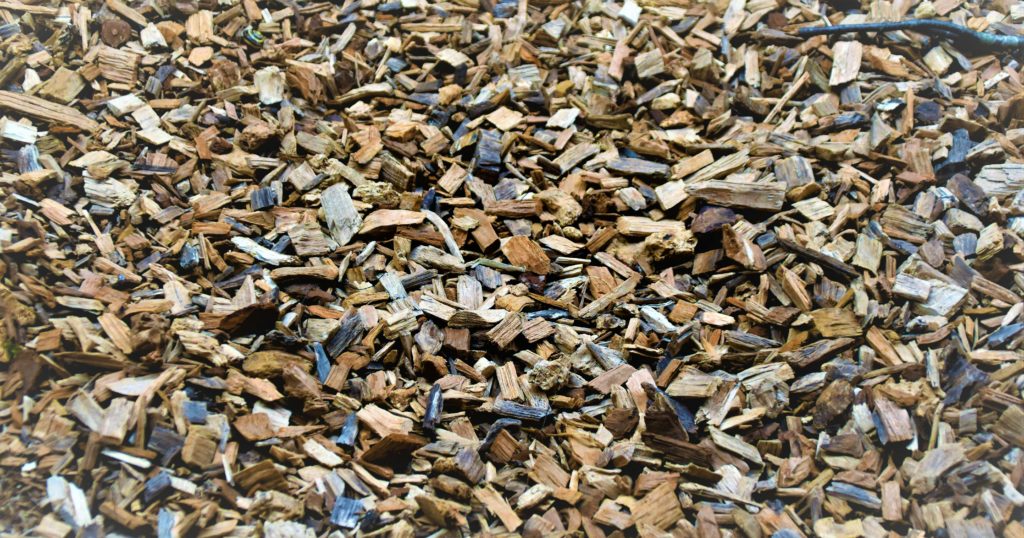
Applying a two‑inch layer of organic mulch—such as shredded bark or straw—around citronella clumps in midsummer helps moderate soil temperatures. In tropical gardens, this mimics the forest‑floor detritus where the grass naturally grows. I love how the mulch keeps roots cool when afternoon sun blazes at its peak!
As mulch slowly decomposes, it contributes organic matter back into the soil, improving structure and moisture retention. Just keep mulch away from direct stem contact to avoid rot, and your citronella will reward you with vibrant growth!
Protect from Cold and Frost

Citronella grass is hardy only to about USDA zone 9. In cooler regions, even light frosts can damage foliage and weaken crowns. I always move potted clumps indoors or into a greenhouse when nighttime temperatures dip below 40°F (4°C). A sudden frost can be such a bummer, but giving these warmth‑loving grasses a cozy winter spot keeps them ready for spring revival!
In the ground, provide frost cloth or heavy mulch to shield crowns during unexpected cold snaps. With a bit of winter care, you’ll enjoy thriving, ready‑to‑burst‑into‑growth citronella come warmer days.
Divide Clumps Annually
By dividing citronella grass every spring, you refresh root systems and control spread. I gently lift mature clumps, tease apart 6‑inch sections with both roots and foliage, and replant them in fresh soil. Not only does this rejuvenate each division, but it also prevents overcrowding, which can lead to reduced fragrance and vigor!
Dividing also offers the bonus of doubling—or even tripling—your plant numbers, letting you expand your citrusy borders or share with gardening buddies. It’s like hitting the refresh button for both your garden and your friends’ outdoor spaces!
Harvest Leaves for Maximum Aroma
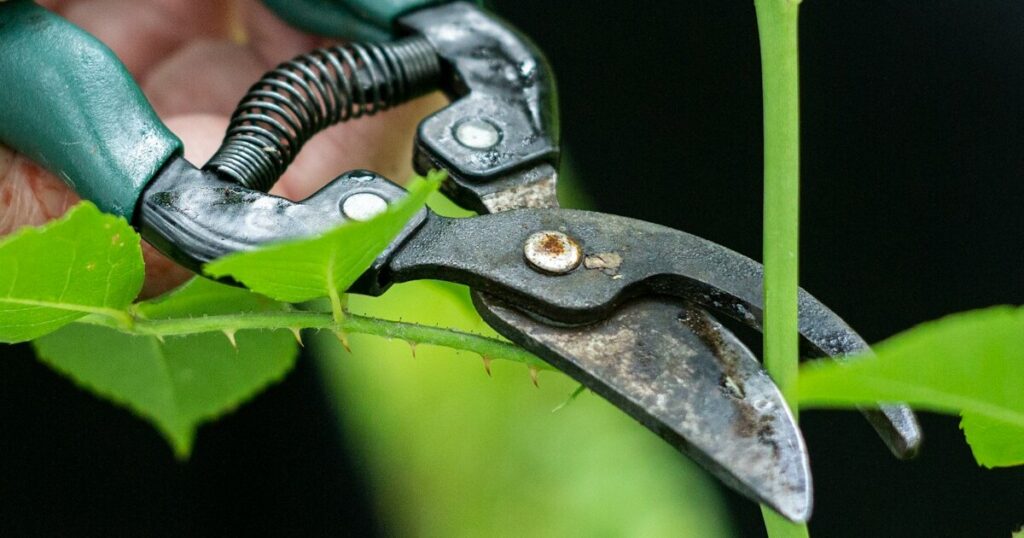
For the most potent scent and oil content, harvest citronella leaves in the morning after dew has evaporated but before the heat of midday. I snip long stems and gently crush a few leaves in my fingers to test their rich lemon fragrance before bringing them inside for crafting homemade repellents. Freshly harvested leaves yield the best results in DIY candles, sachets, and sprays!
Regular harvesting also encourages new growth—think of it like pruning, but for fragrance. Your grass realizes it’s needed and responds with lush, aromatic shoots!
Monitor for Pests and Diseases

Though citronella grass itself repels many insects, it can host aphids and scale on tender new shoots, especially in humid climates. One of my go‑to routines is inspecting leaf bases weekly and wiping away any sticky residue with a damp cloth. If needed, a gentle spray of insecticidal soap keeps pests under control without harming beneficial insects nesting at the grass’s base.
Good air circulation around the clumps helps prevent fungal issues like rust or leaf spot. By staying vigilant, you ensure that your citronella remains healthy, potent, and ready to protect you from mosquitoes all season!
Encourage Beneficial Insect Habitat
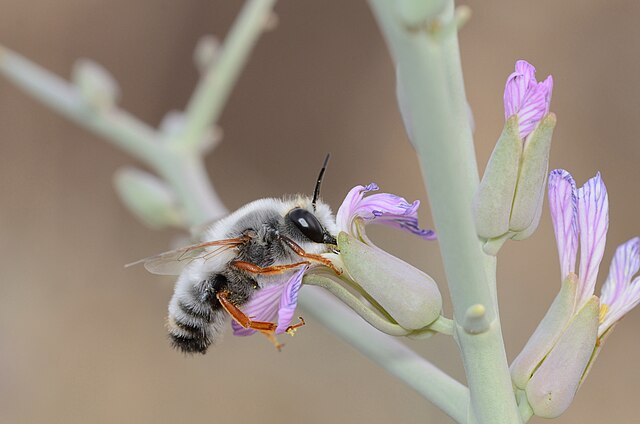
While citronella repels mosquitoes, it also provides shelter for beneficial, ground‑nesting bees and predatory bugs. The dense clumps cast shade over bare soil, creating ideal nesting microhabitats for small solitary bees. I’ve spotted mason bees setting up home right at the edge of my citronella patch!
These tiny pollinators then visit nearby herbs and flowers, boosting garden productivity. By growing citronella, you’re not only creating a barrier against pests but also a safe haven for nature’s best helpers.
Use in Containers for Flexibility

If you live in a cooler climate, growing citronella in large containers offers the flexibility to move plants indoors during winter or reposition them to optimize sun exposure. I love arranging a trio of pots around my patio rug, creating a fragrant, bite‑free seating area. When autumn arrives, I simply wheel the pots into the garage—no digging required!
Container culture also helps manage soil composition precisely, ensuring perfect drainage and fertility. Plus, you can tailor your garden’s layout seasonally, keeping citronella (and your repellent protection) exactly where you need it most!