
Summer is in full swing, and July brings long, warm days that your garden craves—but it can be such a bummer when the heat saps your soil or pests move in! Whether you’re battling scorching sun, thirsty plants, or hungry insects, these twelve essentials will set you up for a thriving late-season display. I know how frustrating it is to pour your heart into a garden only to have wilting foliage or empty blooms staring back at you.
As a gardener who’s spent many a July rescuing parched soil and coaxing reluctant blossoms, I’m thrilled to share these must-haves. From boosting moisture retention to inviting beneficial critters with cozy nesting spots, each item replicates the best parts of nature’s cycle and keeps your garden looking its happiest. Let’s dive in and make the rest of your summer truly spectacular!
Soil Test Kit

Knowing your soil’s pH and nutrient profile is like having a roadmap for plant success. Many gardens develop imbalances over time—too much phosphorus, not enough nitrogen, or a pH that locks up essential minerals. A reliable soil test kit lets you tailor amendments precisely rather than guessing and hoping for the best. It’s such a relief to apply the right lime or sulfur dose and watch plants perk up almost overnight!
These kits typically measure acidity, phosphorus, potassium, and more. Since cultivated soils differ wildly from native forest loams, running a test before August ensures your garden beds are prepped for late-season growth and robust flowering. You’ll see the difference in healthier roots, lush foliage, and better bloom sets.
Mulch Layer
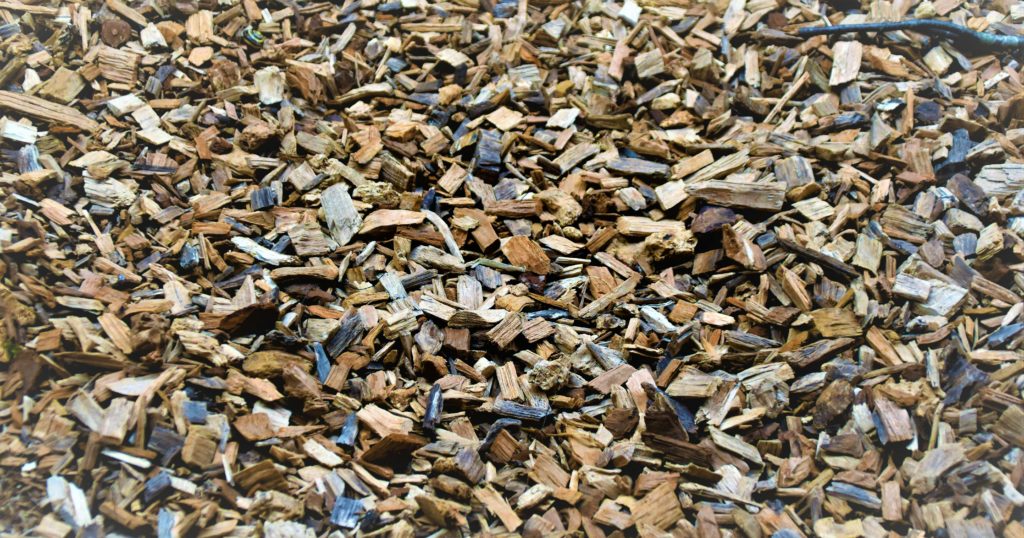
A generous layer of organic mulch—think shredded bark, straw, or leaf mold—serves multiple purposes: moisture retention, weed suppression, and soil-temperature regulation. As an admirer of sustainable practices, I love topping beds with a two- to three-inch mulch layer in July to keep roots cool when the sun is at its fiercest. In its native forest habitats, plant litter performs this job naturally, so we simply mimic nature!
Mulch also breaks down gradually, feeding soil life and enhancing structure. Just be cautious to leave a small gap around plant stems to prevent rot. With regular mulching, your garden stays hydrated longer between waterings—and those late-summer blooms will thank you with a spectacular show.
Drip Irrigation System
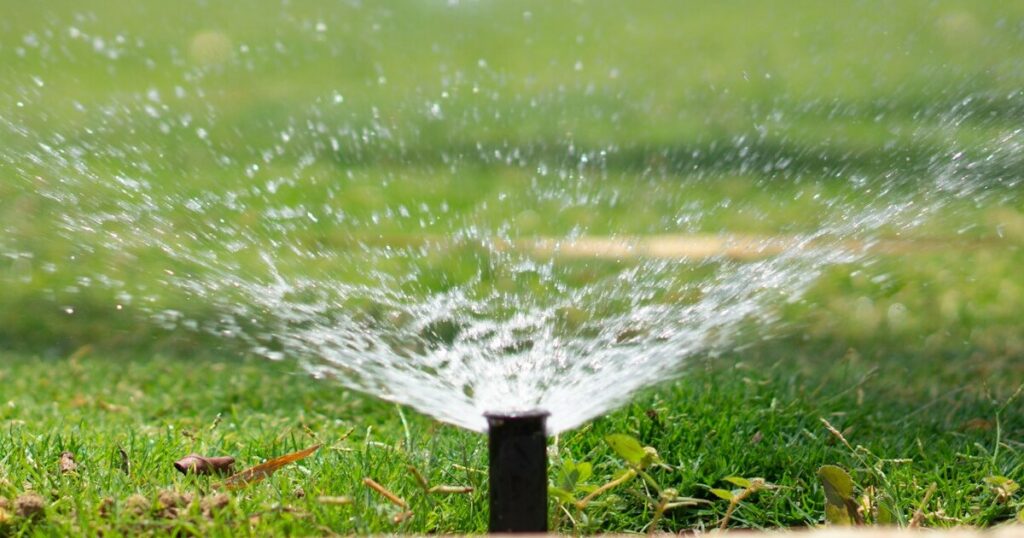
Watering with a hose under the midday sun can scorch foliage and waste gallons. Installing a drip irrigation system delivers water directly to the root zone with minimal evaporation. Trust me, my back—and my plants—are grateful! These systems can be tailored to each bed, ensuring thirsty crops like tomatoes or peppers get just the right amount.
Drip lines also encourage deeper root growth, making plants more resilient during heatwaves. Plus, you’ll drastically cut down on fungal leaf diseases since foliage stays dry. It’s like giving each plant its own personal watering assistant that never oversleeps!
Shade Cloth

Even heat-tolerant vegetables and flowers can suffer sunscald in peak July sun. Shade cloth—available in various densities—reduces light intensity and lowers air temperatures under its canopy. I drape a 30% shade cloth over delicate seedlings or young transplants, and they respond by growing sturdier stems and unblemished leaves.
Shade cloth replicates the dappled light of a forest understory, reminding plants of their native environments. It’s easy to install with hoops or stakes, and it extends your growing season by preventing heat stress. A simple piece of fabric can be the difference between crisp, happy foliage and wilted, burned-out plants!
Organic Fertilizer (Compost)

By late July, garden soils often need a nutrient boost after early-season heavy feeders have depleted key elements. Applying well-aged compost or a slow-release organic fertilizer replenishes nitrogen, phosphorus, and micronutrients. I adore using homemade compost because its unique mix reflects the diversity of my own garden, and plants seem to sense that local touch!
Compost improves soil structure, water-holding capacity, and microbial life—factors crucial for supporting those late-summer blooms. Spread a thin layer around your plants and gently work it into the topsoil. Your garden will reward you with more vibrant colors, stronger stems, and fewer nutrient-related woes.
Bee Hotel
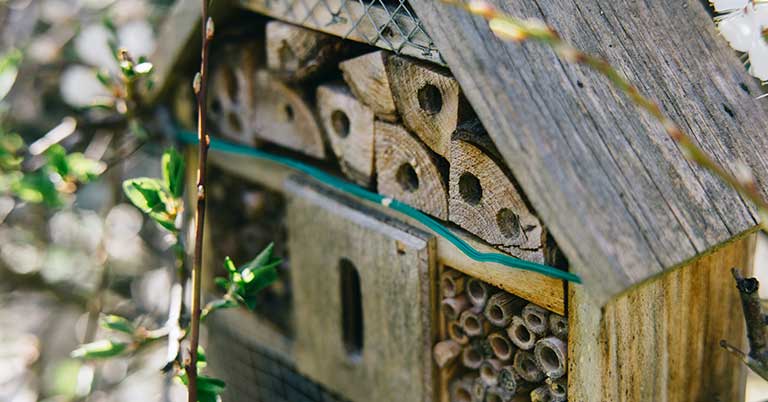
Encouraging native pollinators like solitary bees can skyrocket fruit and flower production. A bee hotel—essentially a bundle of hollow reeds or drilled wood blocks—provides cozy nesting tunnels for mason and leafcutter bees. In tropical and temperate regions alike, these insects play vital roles, and giving them a habitat in your garden ensures year-after-year pollination success!
Place your bee hotel in a sunny, sheltered spot, facing southeast if possible. Over time, you’ll observe graceful pollinators sealing off their brood chambers with leaves or mud—a delightful nesting behavior to watch. It’s a small installation with a huge impact on garden ecology and bloom abundance!
Rain Barrel

Harnessing free rainwater is both eco-friendly and budget-friendly. A rain barrel connected to your downspout collects water that you can later dispense via watering can or gravity-fed hose. Rainwater is soft and free of chlorine, which many plants appreciate—especially delicate natives and shade-loving perennials.
I keep my barrel topped up before July ends to prepare for August’s dry spells. It’s a simple way to reduce municipal water use and provide plants with the purest hydration. When summer’s heat intensifies, you’ll be glad to have a reserve at your fingertips!
Trellis or Staking for Vines
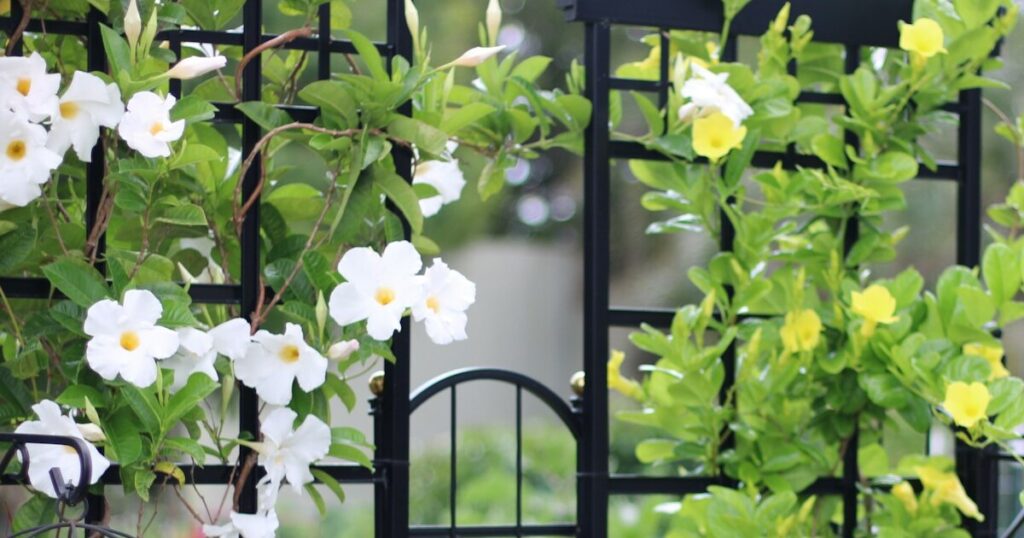
Vining vegetables and flowers—think cucumbers, melons, morning glories, and sweet peas—benefit immensely from sturdy supports. A strong trellis or individual stakes help vines climb, improving air circulation and sun exposure. I always cheer as bitter melon tendrils spiral around a trellis—it’s like watching nature’s dance!
Supporting vines prevents sprawling growth that can harbor disease and pests. Plus, elevating fruits off the ground reduces rot risk. With a solid framework in place, your late-season vines will thrive and reward you with crisp cucumbers or glorious blooms.
Beneficial Insect Habitat
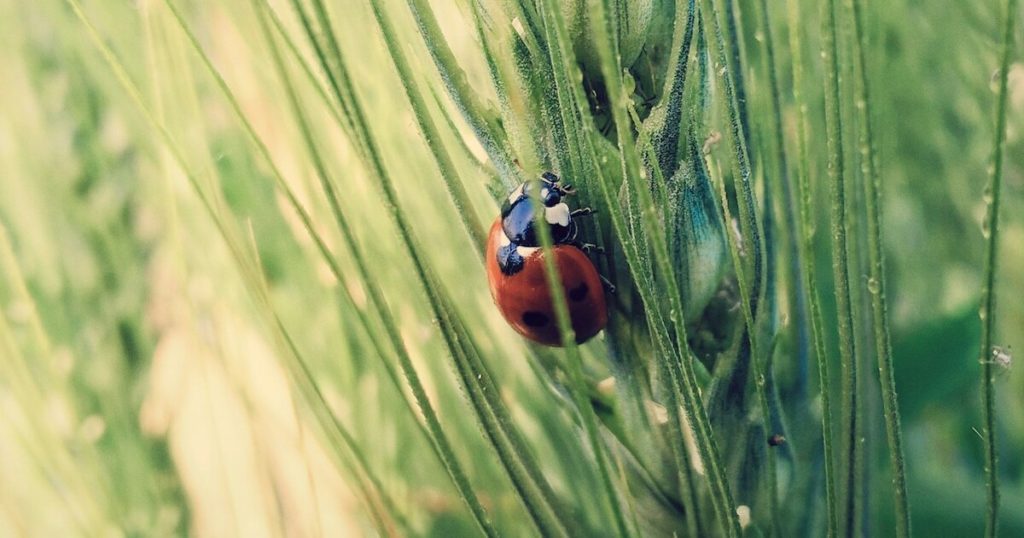
Predatory insects—ladybugs, lacewings, and hoverflies—are your natural allies against aphids, caterpillars, and other pests. Planting insectary species like yarrow, alyssum, and dill creates a buffet of pollen and nectar for adult beneficials. I love observing lacewing larvae feasting on aphid colonies—it’s like nature’s own pest-control show!
Choose native varieties when possible to avoid introducing potentially invasive ornamentals. These habitat patches not only add delicate textures to your borders but also establish a balanced ecosystem where beneficials keep harmful insects in check.
Summer Pruning Tools
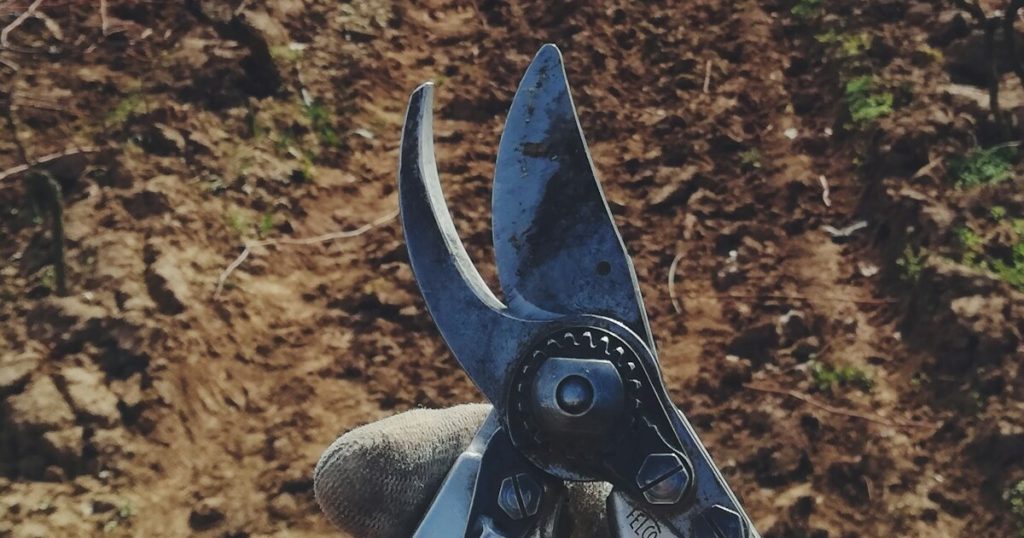
Sharp bypass pruners, garden snips, and loppers are critical for deadheading spent flowers, trimming leggy growth, and removing diseased foliage. Keeping tools clean and sharp makes each cut precise, reducing plant stress and preventing disease spread. I always give my pruners a quick wipe with rubbing alcohol between plants—good practice that keeps your garden healthy!
Regular pruning redirects energy into new flowering shoots rather than maintaining old or damaged growth. As you tidy up, you’ll notice buds swelling at leaf axils—proof that your garden is gearing up for continued summer splendor!
Cover Crop Seeds
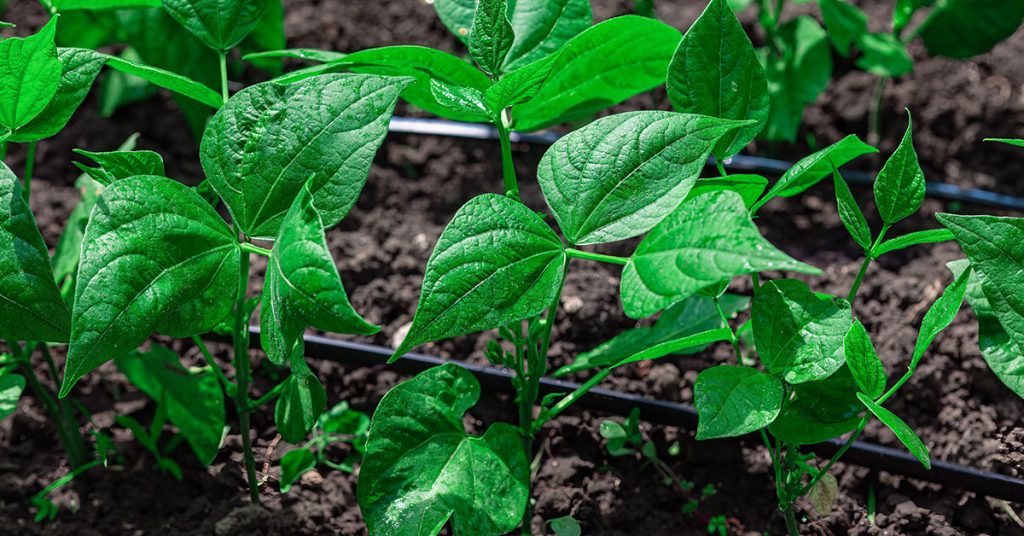
Planting a quick-growing cover crop like buckwheat, clover, or field peas before the end of July can enrich soil over winter and suppress weeds. Buckwheat, native to Southeast Asia, germinates within days and attracts beneficial pollinators, while crimson clover—a Mediterranean native—forms thick mats that smother weeds and fix nitrogen.
Sow seeds in bare beds after harvesting early crops. By autumn, you’ll have a green mulch that’s easy to cut down and work into the soil, building organic matter and ensuring a richer start for next spring’s plantings. It’s a proactive step that pays dividends in soil health and future yields!