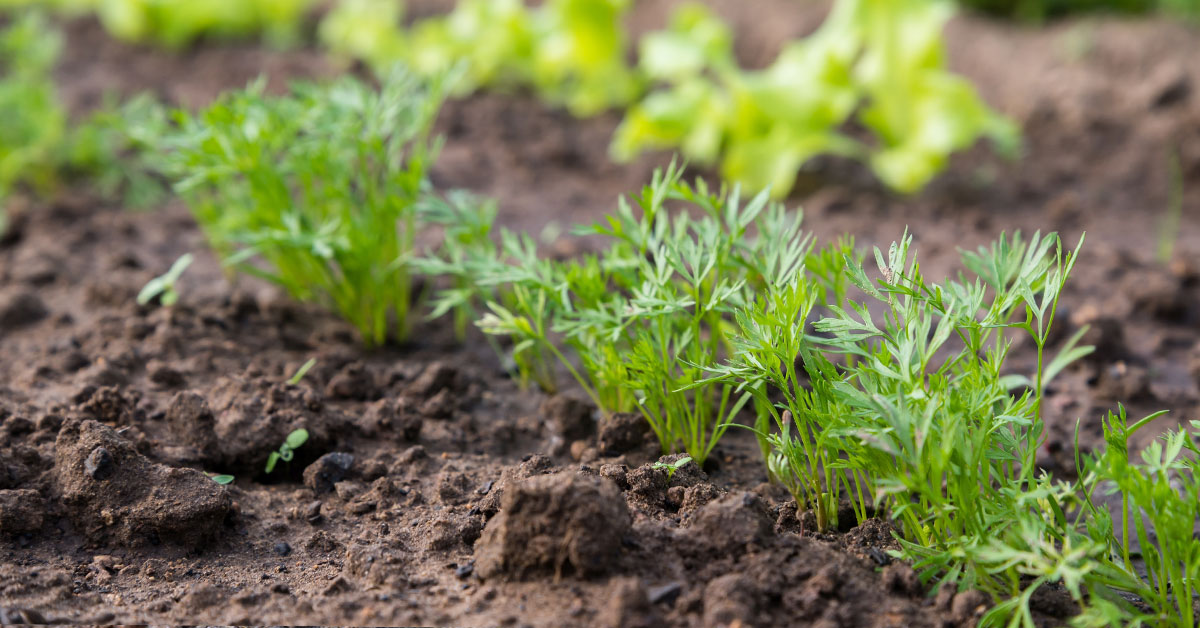

Growing carrots (Daucus carota) and parsnips (Pastinaca sativa) side by side is a classic garden combo—both hail from temperate Europe and Asia and share similar soil and moisture needs without becoming invasive. Yet even the most enthusiastic gardener can hit snags, like forked roots from compacted soil or seedlings crowded out by their neighbors. I know how disappointing it is to plant neat rows only to uncover twisted roots after weeks of care!
In this article, we’ll cover eleven essential rules to help your carrot and parsnip beds thrive. From creating powder‑soft soil that entices earthworms to nest and aerate, to timing sowing for perfect germination, these tips will guide you toward a bounty of straight, sweet roots. Let’s dive in and get those orange and ivory harvests off to a flying start!
Prioritize Deep, Loose Soil

Both carrots and parsnips evolved in the friable loams of their native ranges—parsnips in cooler European soils and carrots in Central Asia’s steppes. To mimic these conditions, dig beds at least 12–15 inches deep, removing stones and clumps that can snag roots. This invites earthworms to tunnel and aerate, creating smooth channels for straight growth!
If your soil is heavy clay, consider a raised bed or incorporate generous amounts of coarse sand and well‑aged compost. The resulting light texture lets roots push down readily, preventing forked or stunted taproots that happen when they hit hard spots!
Sow at the Right Depth and Spacing
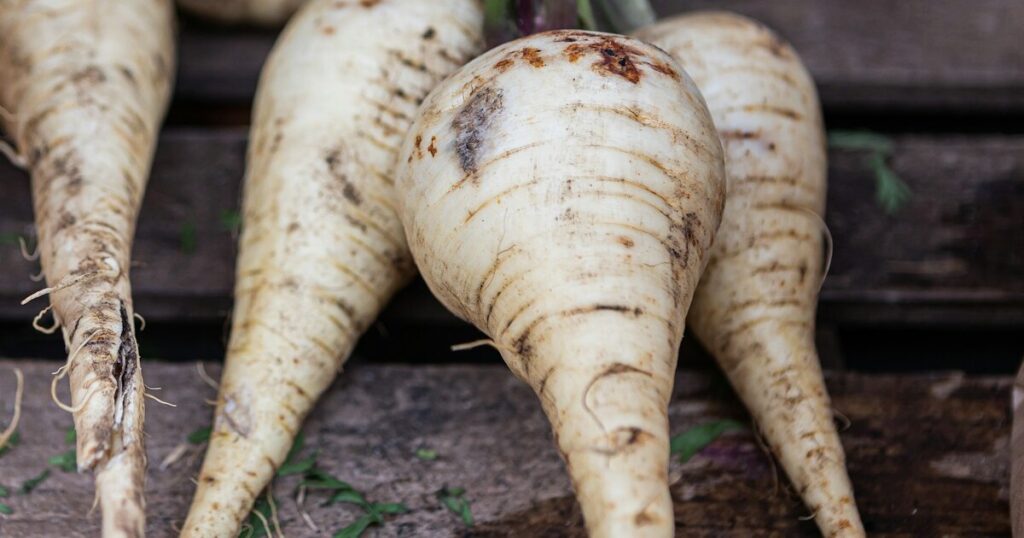
Carrot and parsnip seeds are tiny, so it’s tempting to sow thickly—but crowded seeds lead to competition, spindly roots, and damping‑off disease. Aim for sowing at about ¼ inch deep, with rows spaced 12–18 inches apart. After seedlings emerge, thin carrots to 2 inches apart and parsnips to 3–4 inches apart.
I know how frustrating it is to shear off half your baby plants, but think of thinning as giving survivors room to stretch their roots—and inviting beneficial insects like ladybugs to nest among the open spaces, hunting pesky aphids!
Keep Soil Consistently Moist
Uniform moisture is critical for even germination and straight root development. Carrots and parsnips both dislike bone‑dry conditions, which cause split roots, and waterlogged patches, which trigger rot. Use a light mulch of straw or shredded leaves to retain moisture and suppress weeds that compete for water.
I check soil by slipping a finger an inch deep—if it feels dry, it’s watering time! This simple habit prevents moisture swings that make roots crack or fork, saving you the heartbreak of finding split carrots at harvest.
Time Sowing for Cool, Even Temperatures

These cool‑season crops perform best when soil temperatures hover between 45–75°F. Sow parsnip seeds as soon as the soil can be worked in early spring; wait a couple of weeks to sow carrots, ensuring they don’t emerge too slowly in cold soil, leaving them vulnerable to damping‑off.
One of my favorite garden rituals is marking the soil thermometer’s sweet spot—once it reads above 50°F consistently, I know carrot seeds will sprout within 10–14 days, joining their slightly earlier parsnip neighbors for a synchronized summer harvest!
Thin and Transplant Volunteer Seedlings Carefully
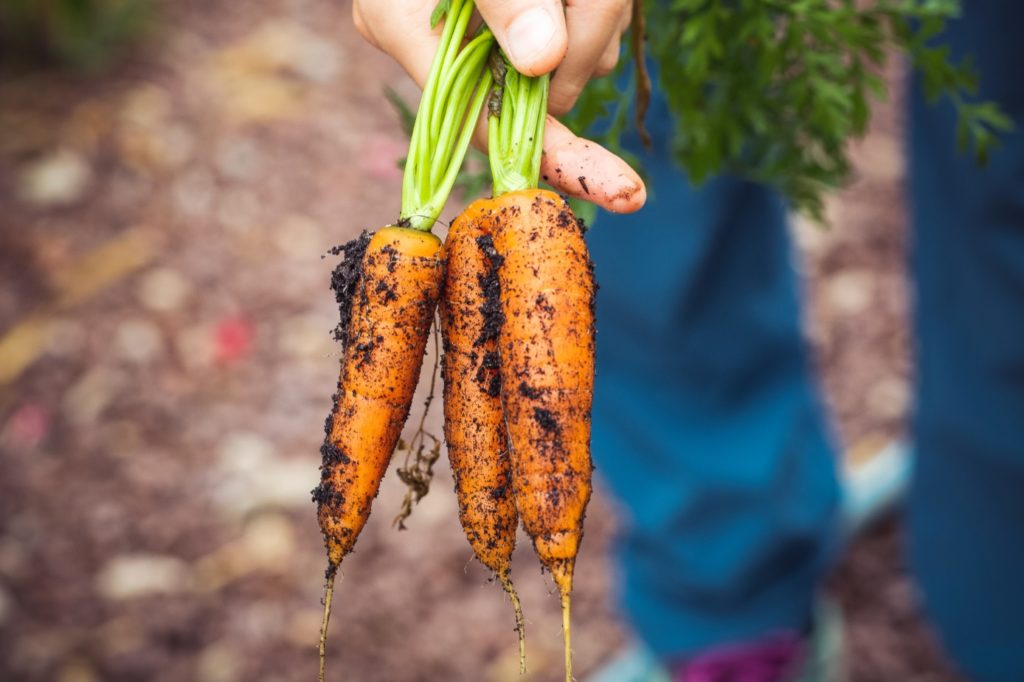
Parsley, cilantro, and other umbellifers sometimes volunteer near your rows and can crowd out carrots and parsnips. Gently remove these imposters to reduce competition; and when thinning carrots, transplant robust seedlings to fill gaps, rather than discarding them.
Transplanted carrot seedlings thrive when handled carefully, giving you fuller rows and fewer holes—plus they still flower later, attracting tiny native bees that nest in bare soil patches!
Rotate Your Root Crops

Planting carrots and parsnips in the same ground season after season invites soil‑borne diseases like root knot nematodes and leaf blight. Rotate them to a different bed every 3–4 years, alternating with legumes or brassicas to break pest cycles.
I sketch my garden plan each autumn, moving those umbellifers to fresh soil rich in beneficial microbes. This simple shuffle keeps your beds vigorous and reduces the need for chemical interventions!
Amend With Balanced Organic Nutrition
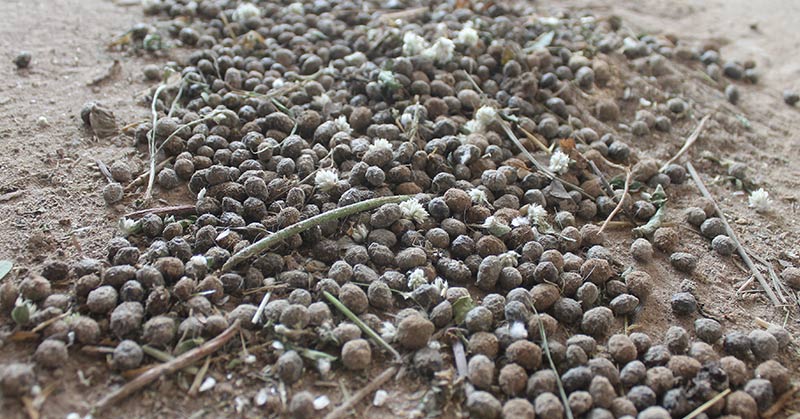
While heavy feeders like tomatoes crave rich amendments, carrots and parsnips develop best in moderately fertile soil. Work in a light dressing of compost and a handful of bone meal or rock phosphate to supply phosphorus for strong root development—avoiding high‑nitrogen manures that encourage leafy tops over taproots.
I scatter crushed eggshells sparingly to supply calcium, preventing internal browning in parsnips and ensuring firm, snappy carrots that store brilliantly through winter!
Mulch Without Delaying Germination
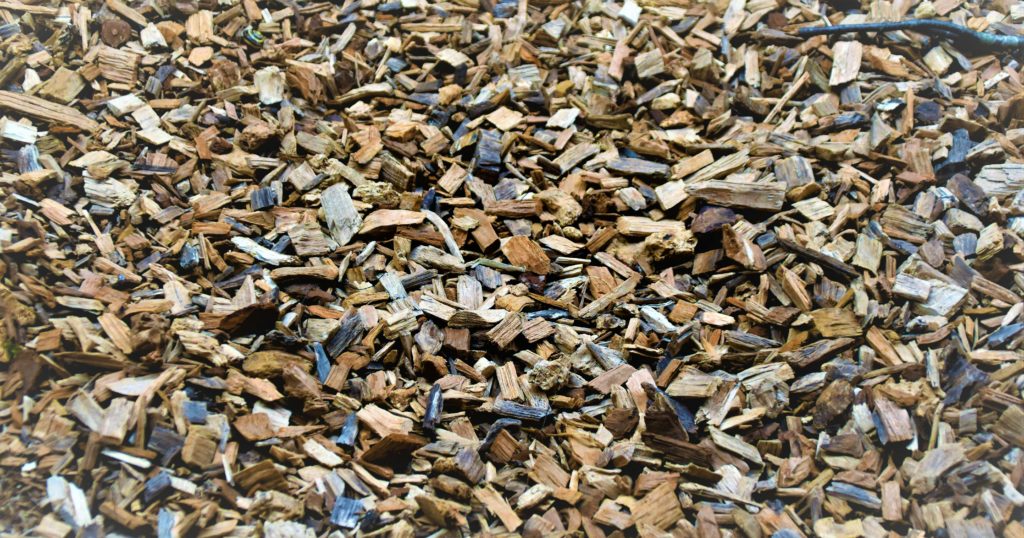
A fine layer of seed‑guard mulch—such as sifted compost or vermiculite—keeps seeds damp and birds from feasting, promoting even germination. Once seedlings show true leaves, switch to straw or leaf mulch around plants to conserve moisture and protect tiny roots.
Mulching also provides safe nesting spots for ground beetles, whose larvae patrol the soil for slugs and root maggots that might otherwise damage your precious crops!
Monitor Pests and Diseases Closely
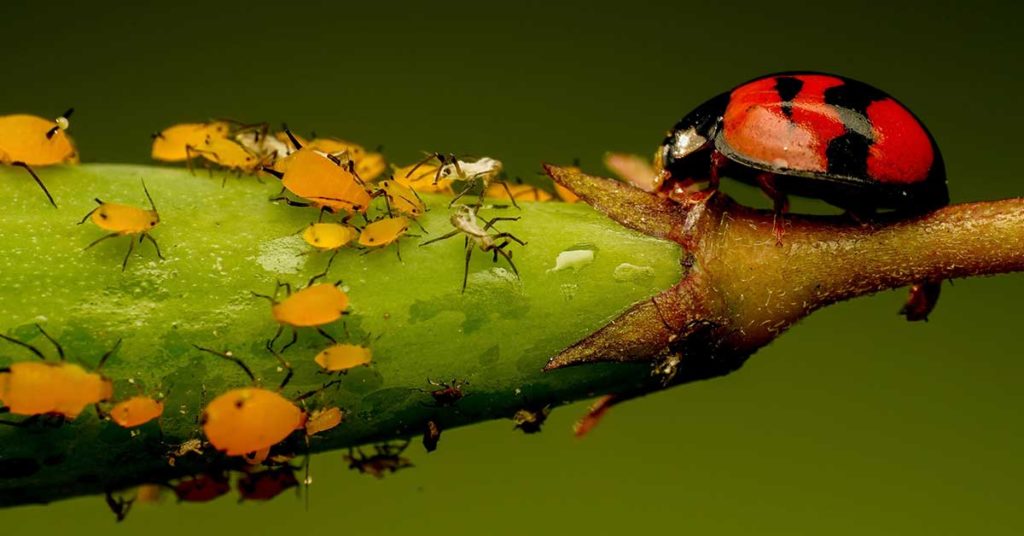
Carrot rust fly, aphids, and leaf blight can strike quickly and spread underground or on foliage. Inspect leaves and soil weekly: look for small holes or discolored patches, and intervene early with organic controls like neem oil or row covers.
I always keep fine mesh tunnels ready; draping them over beds prevents adults from laying eggs in the soil. It’s such a relief to see healthy foliage without sticky larvae damage—no more fretting over entire rows gone bad!
Harvest at Peak Sweetness
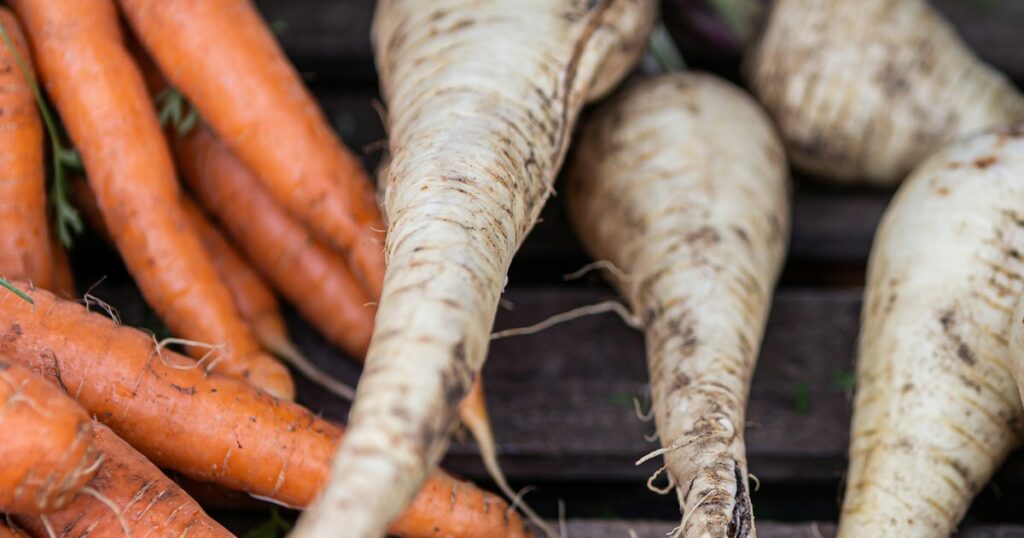
Both roots convert starch to sugar when exposed to cold; parsnips particularly sweeten after the first frost. Carrots can be lifted when finger‑thick—around 60–80 days—while parsnips need 100–120 days to reach full size and flavor.
I love digging parsnips once the ground thaws in late fall, finding creamy roots that taste like candy! Carrots can follow, giving you crunchy, sweet snacks through winter storage, just as nature intended.
Save Seed From Open‑Pollinated Varieties
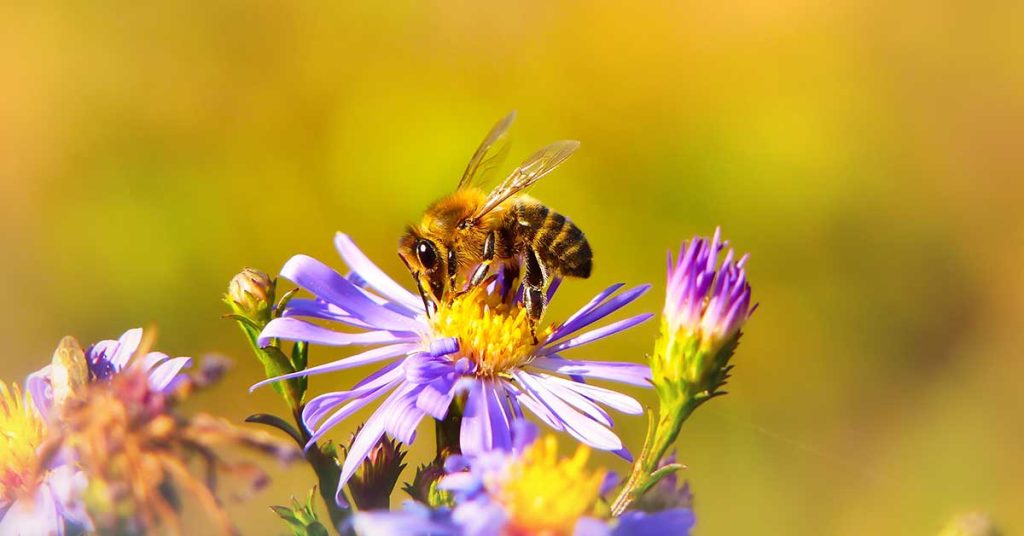
If you’re growing heirloom carrots or parsnips, let a few plants bolt and flower next season to collect seed. Their lacy umbels attract a dazzling array of pollinators—honeybees, hoverflies, and solitary bees nesting in the tilled soil—ensuring genetic diversity and vigorous seedlings.
Harvest dried seed heads and store them labeled by variety. There’s nothing more satisfying than planting next year’s crop with seeds you nurtured amid buzzing blossoms last summer!