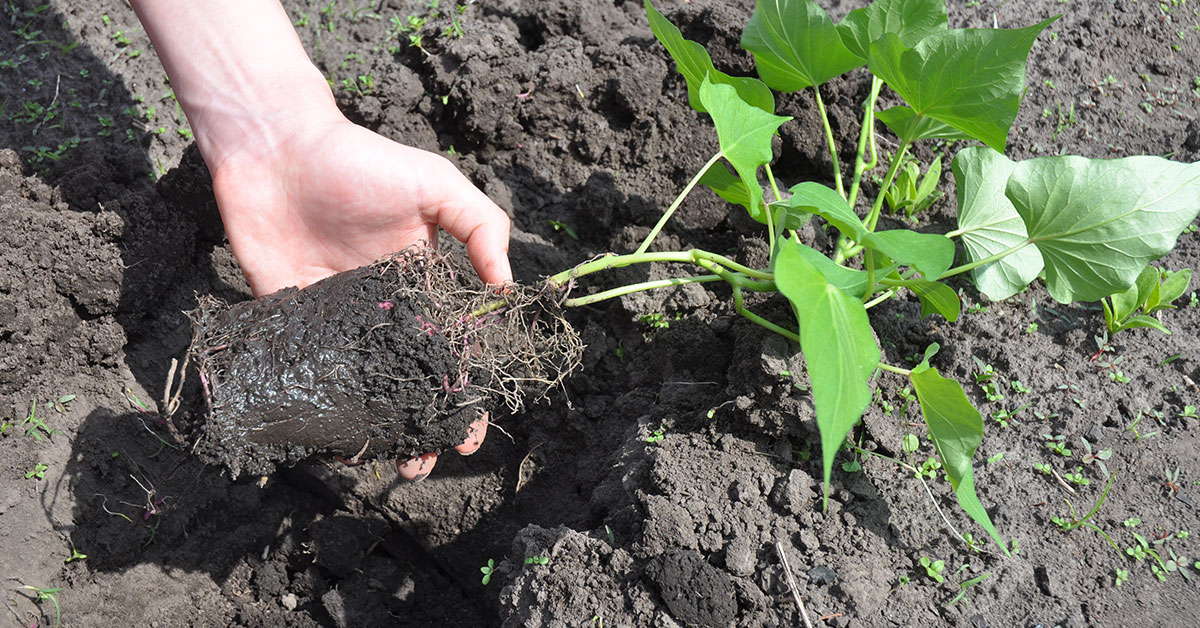

Tomatoes (Solanum lycopersicum) hail from the western slopes of the Andes in South America, while potatoes (Solanum tuberosum) originated in the highlands of modern‑day Peru and Bolivia. Despite sharing a family tree and similar cultural needs, it’s such a bummer when gardeners lump them together without considering nuances—leading to stunted growth or disease flare‑ups. I know how frustrating it is to dream of a lush, intermingled bed only to watch foliage yellow or fruits rot!
By understanding each crop’s quirks—without letting one overshadow the other—you can create a thriving duo that maximizes space and yields. From soil prep to pest patrol, these eleven tips will guide you in growing tomatoes and potatoes side by side, all while attracting beneficial insects to nest nearby and nurturing healthy, crack‑free tubers and juicy, sun‑ripened tomatoes!
Attract Beneficial Insects with Companion Flowers

Interplanting marigolds or nasturtiums near your tomatoes and potatoes draws in hoverflies and ladybugs, whose larvae feast on aphids and other pests that love Solanaceae. These flowers also provide nesting nooks in the soil for solitary bees that boost pollination!
I always tuck a handful of alyssum around the edges of my beds—its sweet scent lures tiny sweat bees that sometimes burrow in bare patches beneath the foliage. Watching them buzz among the blossoms feels like hosting a natural pest control team!
Provide Adequate Spacing for Airflow

Although tomatoes and potatoes share family ties, crowding them can trap humidity and invite fungal diseases like blight. Aim for at least 18 inches between potato rows and 24–30 inches between tomato plants, ensuring good airflow around stems and leaves.
One of my favorite garden tricks is to stagger plants in a zigzag pattern. Not only does this optimize sunlight interception, but it also creates little pockets where ground‑nesting bees can safely tunnel without being disturbed by watering or weeding!
Use Crop Rotation Even in Shared Beds

Even if you wish to grow these two together in the same season, rotate their location the next year. Both are susceptible to soil‑borne pathogens like verticillium wilt and nematodes, which can build up if you plant in the same spot annually.
I mark my garden map each fall, moving potatoes to where tomatoes once stood and vice versa. This simple shuffle keeps soil life balanced and prevents disease populations from taking root in any one bed—no invasive chemical treatments needed!
Monitor for Shared Pests Daily
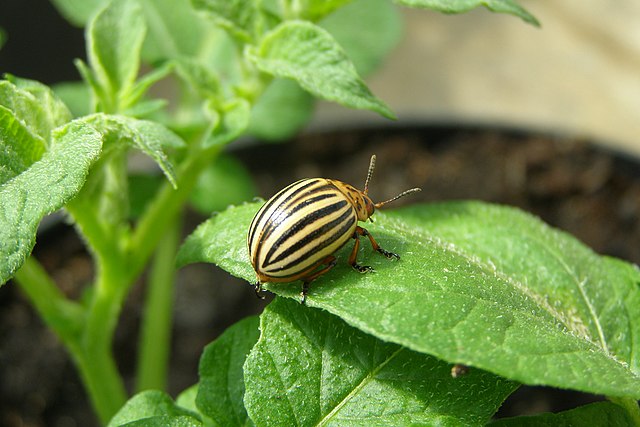
Tomatoes and potatoes both attract Colorado potato beetles, aphids, and whiteflies. A daily walk‑through helps you spot the first signs—beetle egg clusters on potato leaves or sticky honeydew on tomato foliage—before infestations explode!
Early detection means you can handpick beetle larvae into a bucket of soapy water or apply insecticidal soap at dusk when bees are at rest. Trust me, catching problems early keeps your plants productive and spares you from dramatic pest meltdowns!
Enrich Soil with Organic Matter
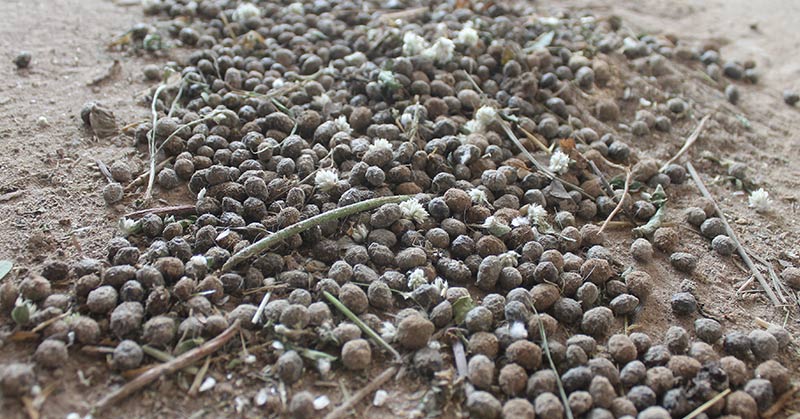
Rich, loamy soil supports both tuber development and fruit set. Before planting, work in generous amounts of well‑aged compost or decomposed manure—this mimics the Andean soils where potatoes first thrived and the fertile valleys of the Americas that nurtured wild tomatoes.
Those decomposers—earthworms!—will race through your beds, tunneling and aerating the soil. Their nesting habits improve drainage and root proliferation, so your tomatoes establish strong anchors and potatoes form smooth, crack‑free tubers.
Stake and Support Tomatoes Early

Unstaked tomato vines sprawl and shade potato foliage, reducing air circulation and raising blight risk. Install cages or stakes at planting time to train vines upward, keeping foliage off the ground and creating clear zones around potato leaves.
I love how a well‑supported tomato plant almost resembles a living tower, with hummingbirds darting around its flowers! That vertical arrangement also makes it easier for you to inspect for pest activity without trampling potato peepers.
Mulch to Conserve Moisture and Suppress Weeds
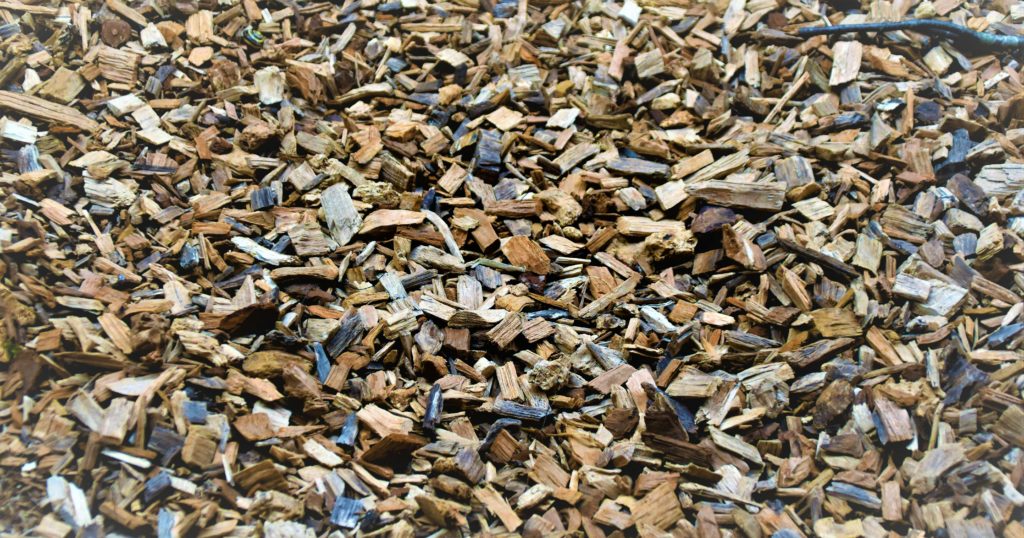
A 2–3 inch layer of straw or shredded leaves around potato rows helps preserve soil moisture for tuber swelling, while a separate mulch ring around tomato bases prevents soil from splashing onto lower leaves during rain or watering.
Mulch also provides tiny crevices where beneficial predatory beetles can overwinter close to their food sources. I always leave a few small gaps in the mulch to let these natural gardeners nest and patrol the beds!
Implement Proper Hilling Techniques
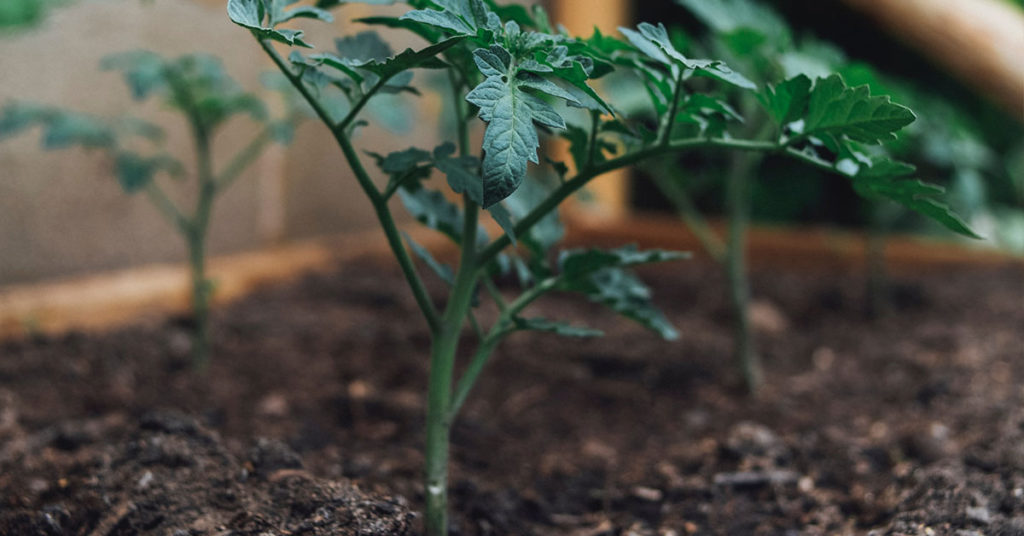
Potatoes need regular hilling—pulling soil up around stems—to protect tubers from sunlight and ensure uniform shape. As you mound soil, be careful not to bury the base of neighboring tomato stems, which can rot if buried too deeply.
One of my favorite garden moments is seeing baby potatoes peeking from beneath the hills. Those protective mounds also create gentle nest sites for ground bees and tiny beetles that aerate the soil as they move around your crops!
Choose Disease‑Resistant Varieties

Selecting blight‑resistant potato cultivars like ‘Defender’ or tomato varieties bred for late blight tolerance can dramatically reduce crop losses. Look for labeled resistance to common pathogens to give your plants a head start.
I once planted a heirloom tomato that fell victim to early blight in its first month, so now I favor modern hybrids with built‑in defenses. These robust varieties let me focus on harvesting instead of battling diseases all season long!
Balance Watering Needs
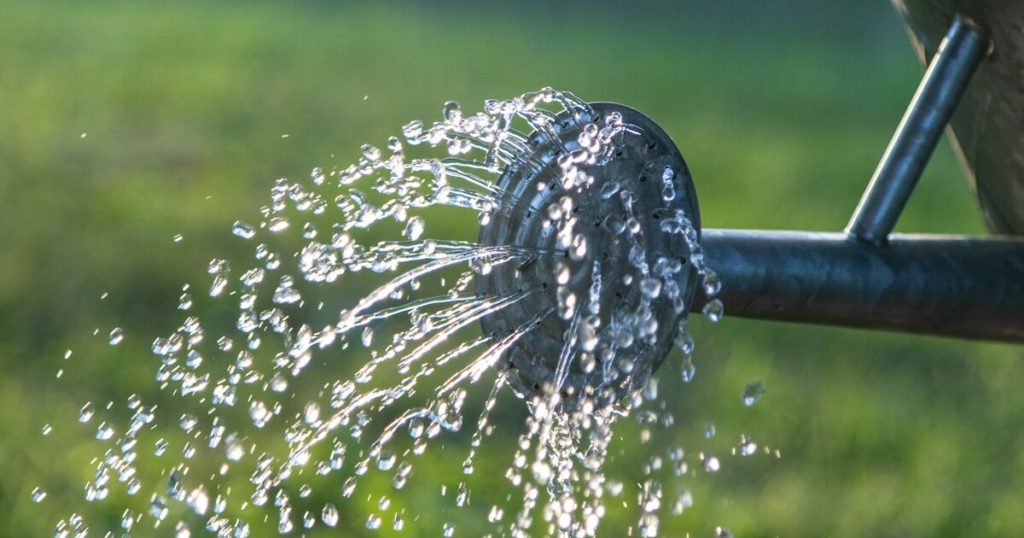
Tomatoes appreciate regular, deep watering at the root zone, while potatoes benefit from consistent moisture for tuber expansion—but neither tolerates soil that stays waterlogged. Use drip irrigation or soaker hoses to deliver water precisely to each plant’s roots.
I check soil moisture by slipping a finger an inch deep—if it feels dry, it’s time to water. This hands‑on approach prevents overwatering, which can drown potato tubers and promote tomato root rot, keeping both crops happy and healthy!
Test and Adjust Soil pH and Nutrients

Both crops flourish in slightly acidic to neutral soil (pH 6.0–7.0). A quick soil test reveals if you need lime to raise pH or sulfur to lower it. Balanced fertility—especially calcium—prevents blossom end rot in tomatoes and ensures potatoes develop firm, evenly sized tubers.
Before planting, I mix in crushed eggshells around tomatoes for calcium and sprinkle wood ash around potato hills for potassium. These simple, natural amendments help both plants flourish without invasive chemical fertilizers!