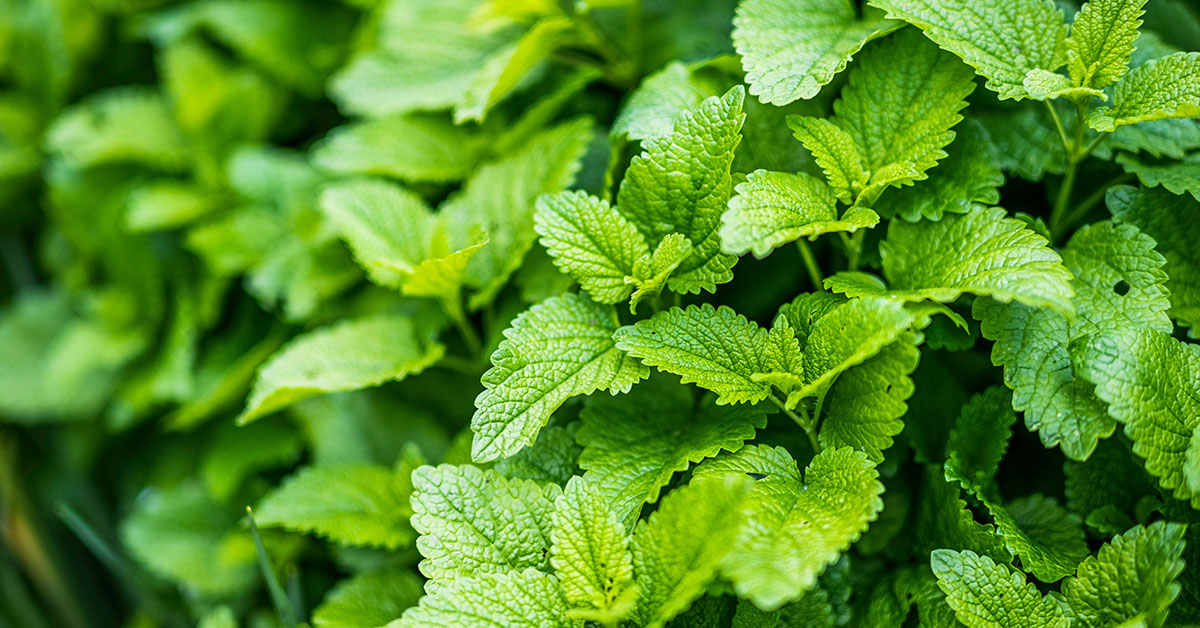

Welcome to the world of lemon balm (Melissa officinalis), a delightful mint family member native to the Mediterranean and western Asia. This cheerful herb has bright green, heart‑shaped leaves that perfume the air with a soft lemony zing—perfect for greeting guests as they approach your home. It’s not considered truly invasive in most gardens, but it does spread enthusiastically, so planting it in a contained space by your front door helps you enjoy its benefits without it taking over your entire yard!
I know how tempting it can be to line your entrance with purely ornamental plants, but lemon balm does so much more than look pretty. From attracting beneficial insects that nest in nearby bare soil to offering fresh sprigs for tea, this hardy herb turns your doorstep into a living welcome mat of fragrance, flavor, and ecological harmony. Let’s explore a eleven reasons you’ll be thrilled you added lemon balm to your front‑door garden!
Culinary Versatility for Fresh Herbs
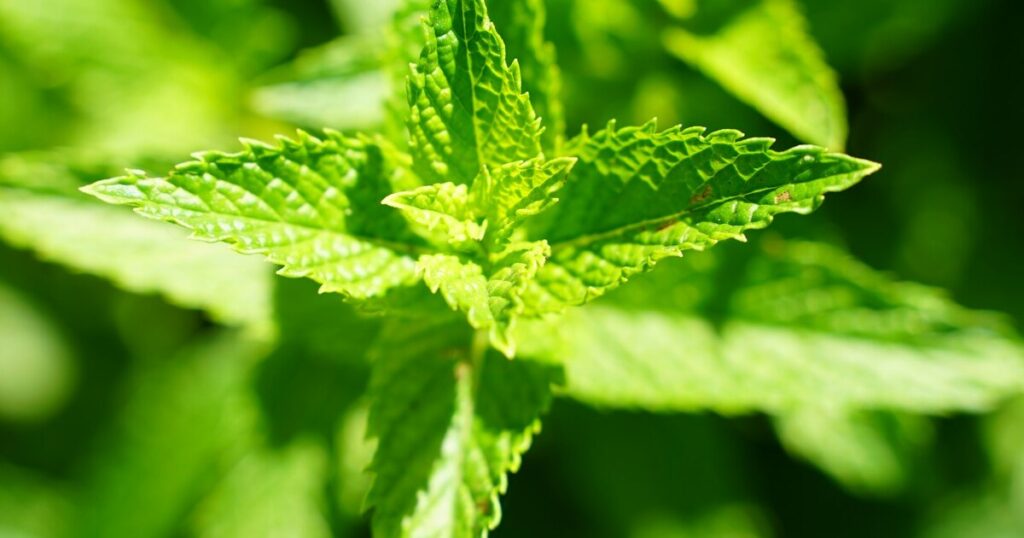
Few herbs rival lemon balm’s adaptability in the kitchen. Its bright citrus notes enhance salads, marinades, and desserts with a refreshing twist. One of my favorite uses is tearing leaves into summer fruit salads—watch how guests light up at that hint of lemon without any acidic bite!
Because lemon balm isn’t invasive in pots and planters, you can keep it neatly by your door and snip sprigs as you walk by. No more running to the back garden when a recipe calls for fresh zest—you’ve got a perpetual, aromatic herb pantry steps from your kitchen!
Great Groundcover to Suppress Weeds
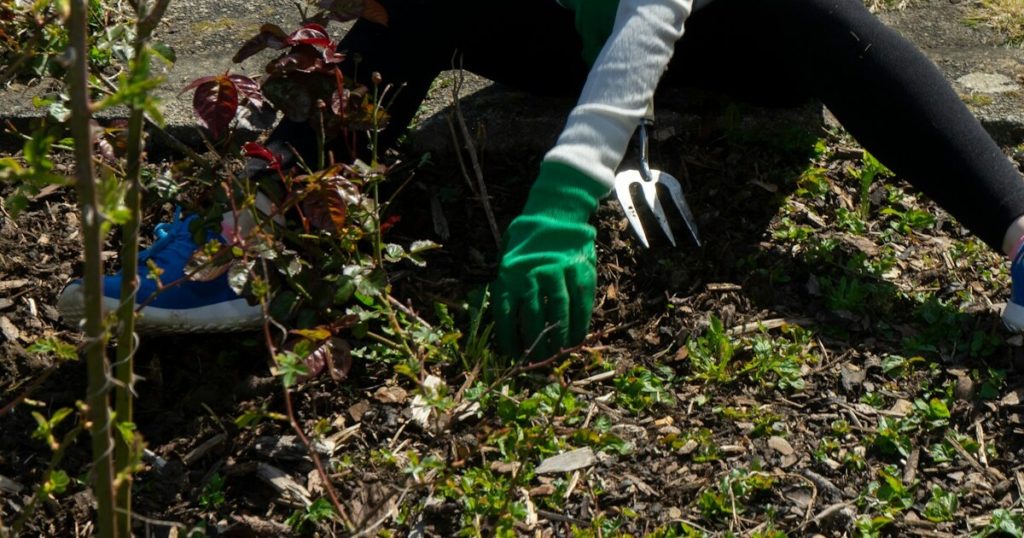
In mild climates, lemon balm forms a lush mat of foliage that chokes out pesky weeds without chemical interventions. Its dense growth habits create an inviting habitat for ground‑nesting bees, which tuck themselves into the soft soil beneath the cover, pollinating nearby flowers!
I once watched in delight as earthworms wriggled happily through the mulch under a lemon balm patch, aerating the soil and boosting fertility. With this two‑in‑one groundcover, you get weed suppression and soil enrichment—nature’s tidy-up crew in action!
Encourages Nesting of Solitary Bees
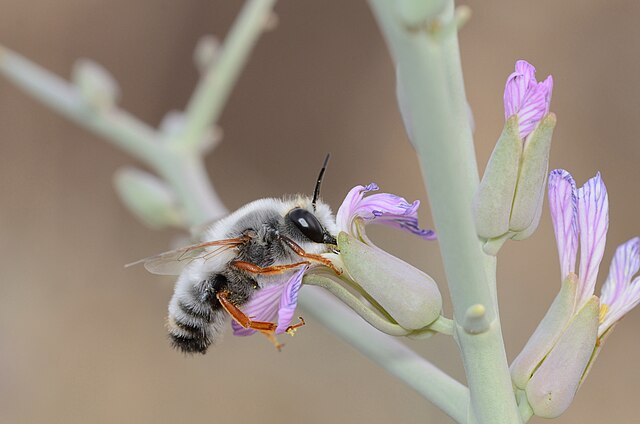
Lemon balm’s pale white flowers are irresistible to solitary bees like mason and leafcutter species. These gentle pollinators often nest in tiny cavities or bare soil patches near your plantings, ensuring a healthy population year after year. It’s so rewarding to see their little nests emerge in spring, knowing your balm patch provided both food and shelter!
When these bees feast on nectar during midsummer blooms, they ferry pollen to fruit trees and vegetable blossoms nearby. By planting lemon balm at your front door, you create a micro‑ecosystem that benefits your entire garden’s productivity—what a win‑win!
Natural Mosquito and Pest Repellent

Crushing a few lemon balm leaves and rubbing them on your arms releases citronellal and other natural compounds that ward off mosquitoes and pesky flies. It’s a gentle, skin‑friendly alternative to chemical sprays—and guests can’t help but inhale that calming lemon scent instead of harsh DEET!
This same foliage discourages aphids and spider mites from setting up camp on your nearby ornamentals. I love sneaking a quick leaf‑crush test when I pass by—if that bright aroma pops, you know your insect barrier is working its magic!
Easy Propagation from Cuttings
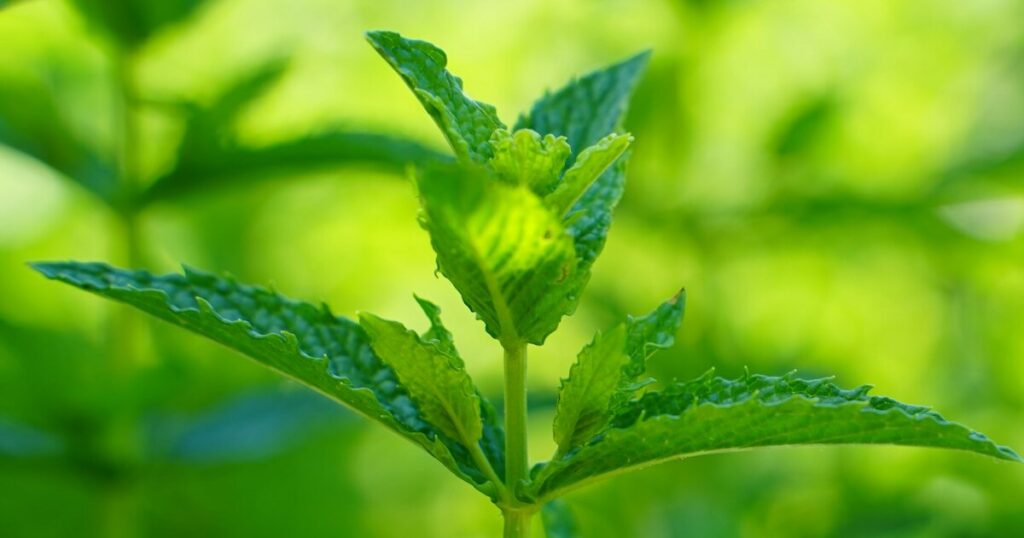
If you’ve ever tried rooting mint cuttings, you know how effortless it is—and lemon balm is no exception. Snip a non‑flowering stem, pop it into a glass of water, and watch roots form in days. This rapid propagation means you can share cuttings with friends or fill multiple pots by your porch without spending on new plants!
Propagation also gives you the chance to monitor for pests before introducing new growth to your garden. I always check for tiny aphids or thrips hiding among the leaves—catching them early saves you from future headaches!
Perfect for Tea and Infusions

Stepping outside to snip lemon balm for a mug of fresh tea is one of life’s simple pleasures. Its mild lemon flavor calms the mind and soothes digestion—no invasive chemicals or additives required. Guests often comment on the delightful aroma wafting from my teapot, asking if I bottled the sunshine!
Beyond hot tea, I freeze leaves in ice cube trays with water to tuck into summer drinks. Those little cubes release bursts of flavor that elevate lemonade, iced tea, or cocktails—making every sip feel like a garden celebration!
Companion Plant for Vegetables

Placing lemon balm near tomatoes, peppers, or brassicas can help mask the scent of your veggies from pests like cabbage moths. In its native Europe, farmers long cultivated herbs alongside crops for these protective benefits. Your front‑door planting can extend this tradition, shielding nearby beds without harsh pesticides!
Additionally, the beneficial insects drawn to lemon balm—lacewings and parasitic wasps—hunt aphids and caterpillars that threaten vegetable patches. It’s like having a lawn of vigilant bodyguards right at your entryway!
Aromatic Fragrance Greeting Guests
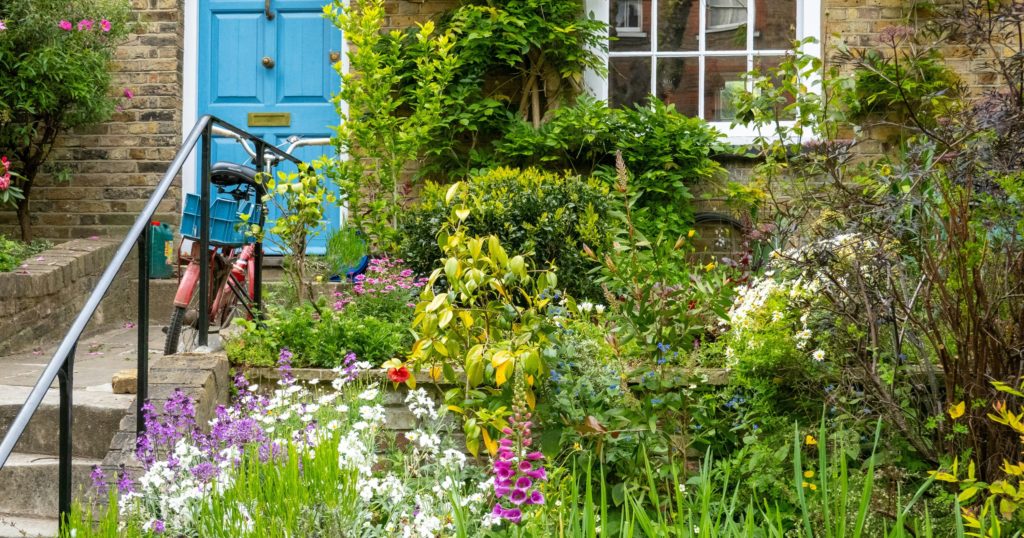
Imagine stepping onto your porch and inhaling a soothing lemony perfume that instantly lifts your mood. That’s exactly what lemon balm delivers, making visitors feel welcome and relaxed. I find myself taking deep breaths whenever I return home—like a personal aromatherapy session before the hustle of daily life!
Because its scent is most potent in the morning and evening, lemon balm offers a natural way to enhance outdoor gatherings. Your front entrance becomes more than a pathway—it’s a fragrant portal that sets the tone for hospitality!
Attracts Pollinators All Season Long

From late spring through early fall, lemon balm blooms provide a consistent nectar source. Butterflies, hoverflies, and bumblebees flock to those delicate clusters, dancing among the blossoms. Watching that little parade reminds me why I plant flowers—to invite nature’s beauty front and center!
By situating lemon balm at your front door, you ensure pollinators encounter it first, then venture deeper into your garden. It’s like rolling out the red carpet for these essential allies, boosting fruit set across your entire landscape.
Low Maintenance and Hardy
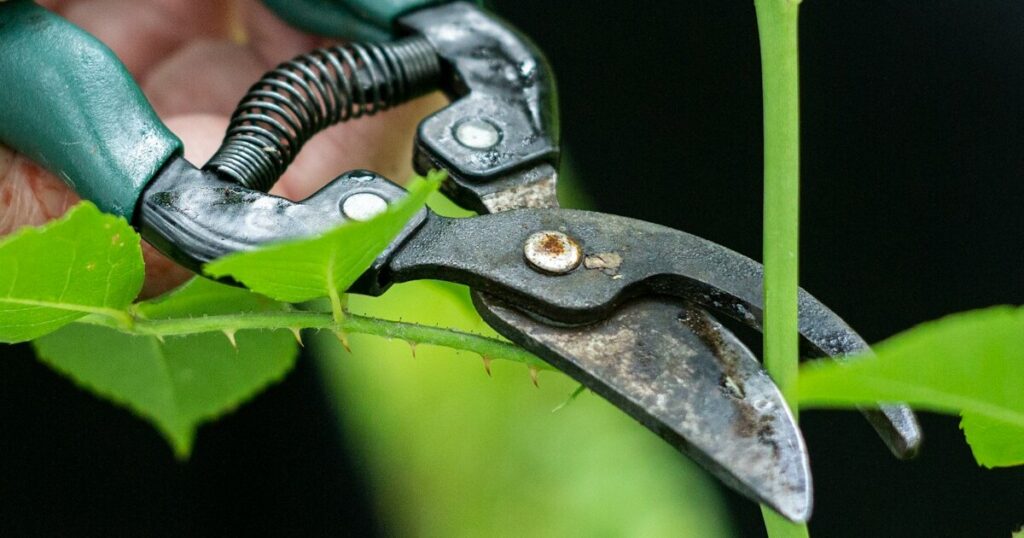
Once established, lemon balm tolerates a range of soil types—from sandy loam to clay—and shrugs off light frosts. It doesn’t require staking, deadheading, or constant care—simply an occasional trim to keep it tidy. For busy gardeners, that’s a dream come true!
I always chuckle when friends ask how I maintain such lush hedges—my secret is letting lemon balm do most of the work. A quick snip once a month and it bounces right back, ready to perfume the air again!
Medicinal and Soothing Properties

Beyond its culinary charm, lemon balm has been used for centuries to ease anxiety, insomnia, and stomach discomfort. Tuck fresh leaves into tea or homemade salves, and you have a pot of natural remedies grown right outside your door—no pharmacy run required!
I’ve saved countless evenings sipping warm lemon balm tea after hectic days; that subtle lemon‑mint aroma calms the mind like a gentle lullaby. Having this healing herb at arm’s reach feels like caring for both body and spirit—what could be more welcoming?