

After harvesting your hard‑earned bounty, it’s tempting to kick back and relax—trust me, I’ve been there! But the work doesn’t stop when the last pepper or tomato comes in. Tending the garden post‑harvest keeps soil healthy, prevents pests from overwintering, and sets you up for next season’s success. I know it can feel like a lot, especially when you’re longing for some downtime, but investing a little effort now means bigger, happier yields later!
In these twelve tasks, we’ll cover everything from rescuing seeds to coaxing beneficial insects into your beds. I love how a well‑timed cover crop can attract earthworms that tunnel and aerate the soil, or how planting fall blooms draws in tiny sweat bees to nest in bare patches. Let’s dive into these garden tasks—complete with tips on native origins, invasive potential, and the behaviors of the critters you want to welcome!
Inspect and Maintain Irrigation Systems
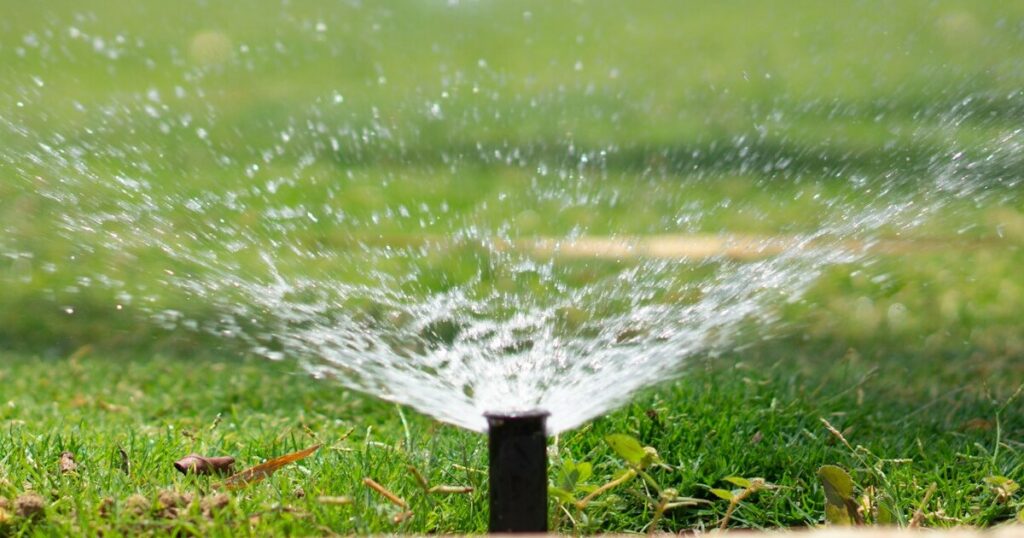
Before winter’s chill sets in, walk every drip line, hose, and sprinkler head to check for cracks, clogs, or leaks. In many traditional agricultural regions—like the arid Southwest where peppers once thrived—efficient water delivery made all the difference. A small drip leak today can become a muddy mess tomorrow, attracting unwanted slugs that nest under damp debris and devour tender roots!
While you’re troubleshooting, listen for the gentle drip of moisture—this can indicate where ground‑nesting bees or even tiny toads have set up housekeeping. Gently clear debris around emitters to maintain proper flow, then roll hoses onto a rack to prevent kinks. Your garden will stay hydrated without drowning helpful soil dwellers.
Plant Pollinator‑Friendly Fall Flowers
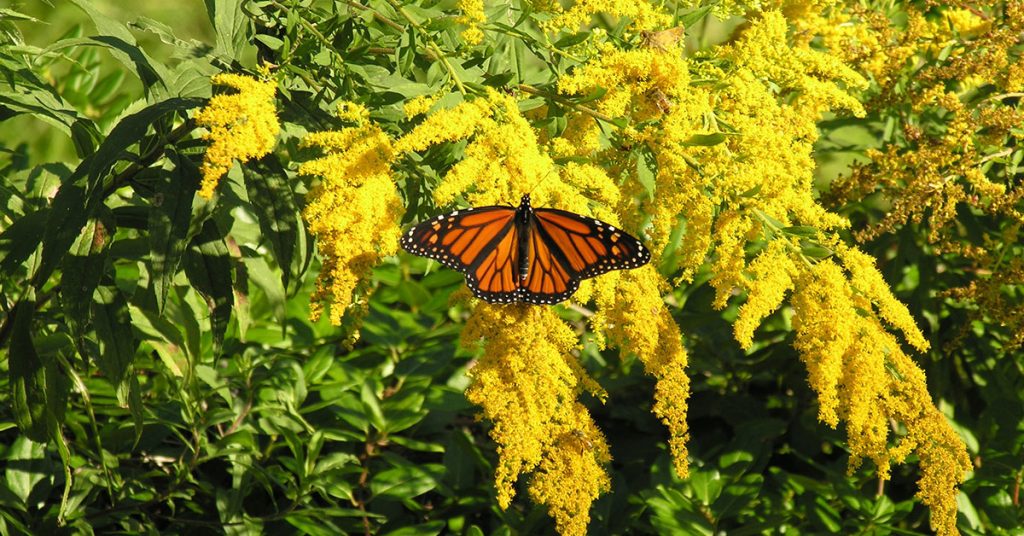
As summer flowers fade, introducing autumn‑blooming natives like goldenrod (Solidago spp.) or asters (Symphyotrichum spp.) extends forage for late‑season pollinators. Goldenrod, native to North America and never truly invasive in balanced ecosystems, creates dazzling drifts of yellow that attract monarchs and native bees, some of which nest in hollow stems!
I always tuck a few pots of asters among empty beds—watching honeybees and bumblebees buzz between blossoms is pure joy! These blooms support insect neighbors as they fatten up for overwintering, and their root systems help stabilize the soil and ward off erosion.
Rotate Crops and Plan Next Season

Rearranging your Solanaceae, Cucurbitaceae, and Brassicaceae plots breaks pest and disease cycles. In Central and South America, ancient farmers practiced shifting cultivation long before modern science caught on—keeping soil resilient and pests confused! By moving your peppers, tomatoes, and squash to fresh ground, you deny soil‑borne nematodes and fungal pathogens a chance to nested attack next year.
I like to sketch out bed maps right after tidying up, noting where each crop went this season. This quick planning session feels like charting an adventure—throwing pests off your trail and giving beneficial microbes a chance to rebalance.
Save and Clean Seeds
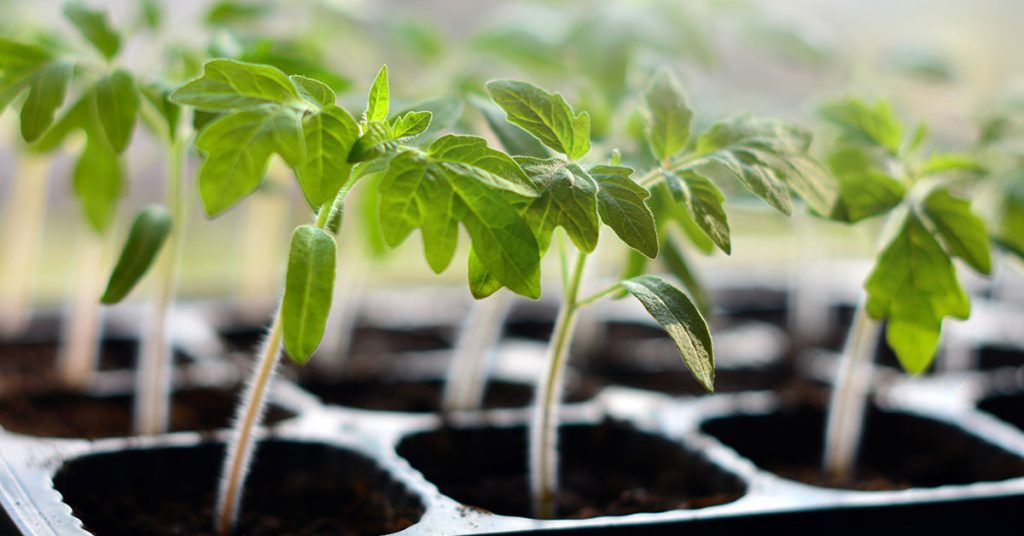
Collect seeds from your healthiest specimens—perhaps that purple pod bean carrying traits from its Andean ancestors! After scooping out and rinsing, lay seeds on a paper towel to dry thoroughly. This prevents mold and keeps them viable for years, honoring the plant’s native heritage without introducing any invasive surprises.
Label each packet carefully with variety name and date. I’ve found that seeds stored in a cool, airtight jar become little time capsules, bursting forth with life when spring arrives. Plus, it’s thrilling to think you’re continuing the lineage of a plant that once thrived in tropical gardens.
Compost Crop Residues

Instead of tossing spent vines and stalks, shred them and add them to a compost pile. These scraps host earthworms—legendary soil engineers whose tunneling habits aerate garden beds! Composting also tempers disease pressure, as high‑heat microbial activity breaks down pathogens and transforms material into rich humus.
I like to alternate layers of “green” harvest scraps with “brown” leaves and straw, creating a cozy nesting habitat for beneficial fungi and bacteria. The result? A dark, crumbly compost that boosts soil structure and fertility without relying on synthetic inputs.
Test and Amend Soil

A simple soil pH test reveals whether your beds lean acidic or alkaline. Most vegetables prefer a slightly acidic 6.0–7.0 pH; if yours dips too low, a light dusting of lime (native to weathered limestone regions) can help. Over‑liming, however, can push pH too high, so test first to avoid turning your beds inhospitable.
Beyond pH, granular tests show nutrient levels—letting you tailor amendments. When calcium is low, crushed eggshells or gypsum ward off disorders like blossom end rot. I scatter amendments, then gently work them into the topsoil; come spring, my seedlings thank me with lush growth and sturdy roots!
Create Habitat for Beneficial Insects
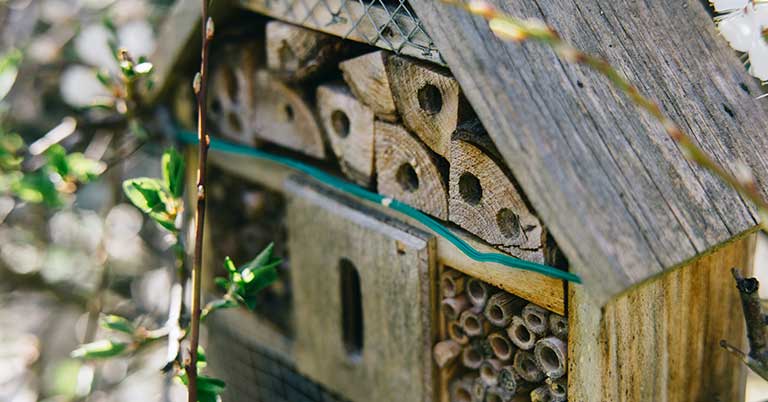
Building a little insect hotel or leaving a brush pile gives solitary bees a snug place to nest. Many of these bees are native to North America and won’t outcompete local species—instead, they bolster fruit set by ferrying pollen between blossoms.
I gather hollow stems, drill holes in scrap wood, and bundle them in a sheltered corner—instant real estate for mason bees! Watching tubes disappear as females set up eggs is one of life’s simple thrills, knowing my garden benefits from these diligent pollinators.
Clean Garden Tools and Storage
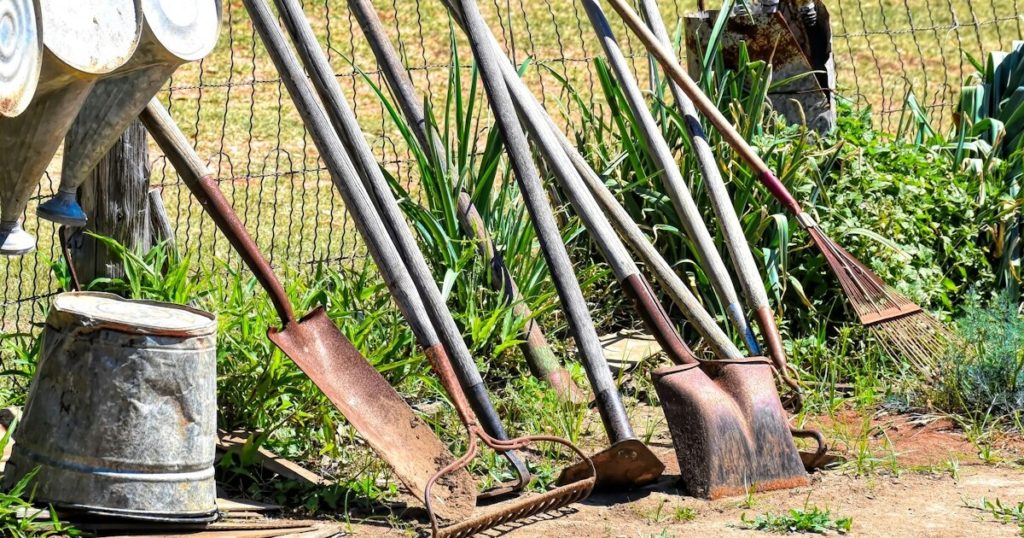
Post‑harvest is prime time to scrub shovels, pruners, and trowels with soapy water or a 10% bleach solution. This removes sap and soil that can harbor fungal spores or bacteria. In medieval European gardens—where steel tools first became widespread—proper cleaning ensured longevity and prevented cross‑contamination between plots.
After drying, hang tools in a dry shed or rack to discourage rust. I love how a tidy tool wall feels like an organized workshop—everything in its place and ready for action come spring!
Plant Cover Crops

Winter rye (Secale cereale), native to Eurasia and sometimes invasive if left unchecked, makes an excellent cover crop. Its deep roots break up compacted soil and scavenge residual nutrients, while its dense canopy suppresses weeds that might otherwise nest and proliferate.
Alternatively, choose crimson clover (Trifolium incarnatum), a European native that’s not invasive in most gardens and fixes nitrogen in the soil. Sow seeds in late fall; then marvel as the field of green blankets your beds, feeding the earth until you turn it under next spring!
Mulch Beds for Winter
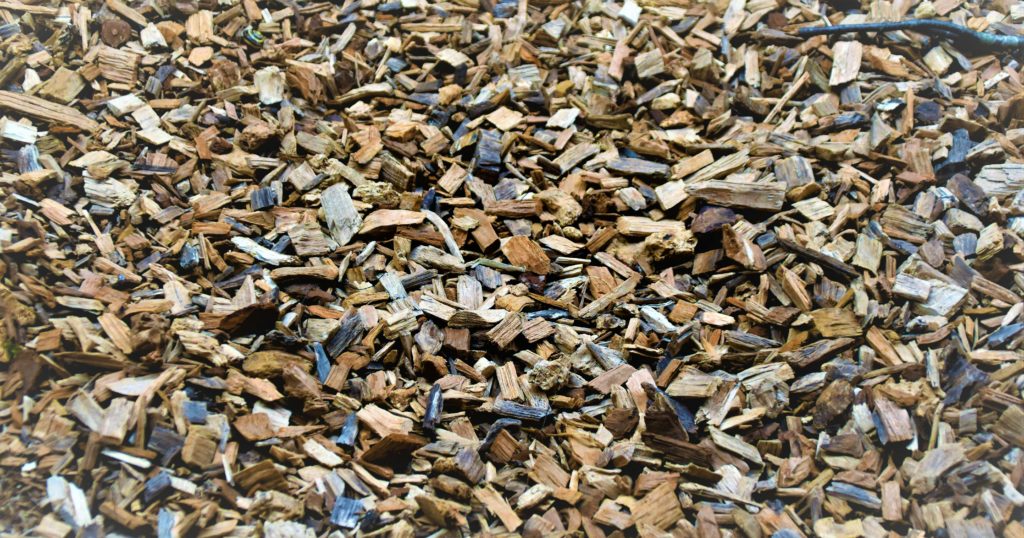
A generous layer of straw, shredded leaves, or wood chips protects soil from erosion and moderates temperature swings. Straw often contains wheat stems (native to the Fertile Crescent), which break down slowly without introducing invasive species. This mulch also provides tiny crevices where ground‑dwelling beetles and spiders can overwinter safely.
I rake mulch over cleaned beds, leaving a small bare ring around perennial crowns. This balance keeps crowns dry while ensuring the soil below stays cozy for worms and microbes to carry on their decomposing work through winter!
Sharpen and Oil Tools

While cleaning, take a moment to hone blades with a mill file. Sharp pruners and loppers make cleaner cuts, reducing stress on branches and lowering disease risk. Historically, European orchardists carried whetstones in their belts—ready to sharpen on the go and ensure peak performance.
After sharpening, apply a light coating of oil to metal parts. This rust‑proofs your tools and makes them glide like new. There’s nothing quite like the satisfying slide of a well‑oiled shear as you prune in spring!
Clear and Repair Garden Structures
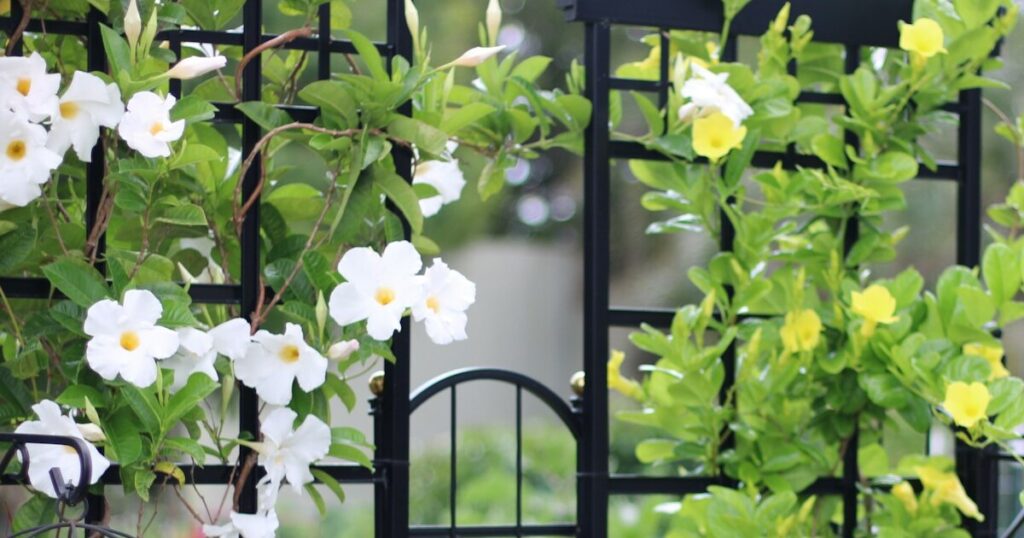
Trellises, cages, and arbors support climbing beans and vines—but over time, they can warp or rust. Native wisteria from East Asia, for instance, can become invasive if untamed; pruning and repairing trellises prevents vines from overtaking structures. Clean away old plant ties, straighten bent supports, and replace any broken pieces.
I enjoy this task—it feels like giving my garden skeleton a checkup! A sturdy framework ensures that when vines awake next season, they have rock‑solid support for a soaring performance.