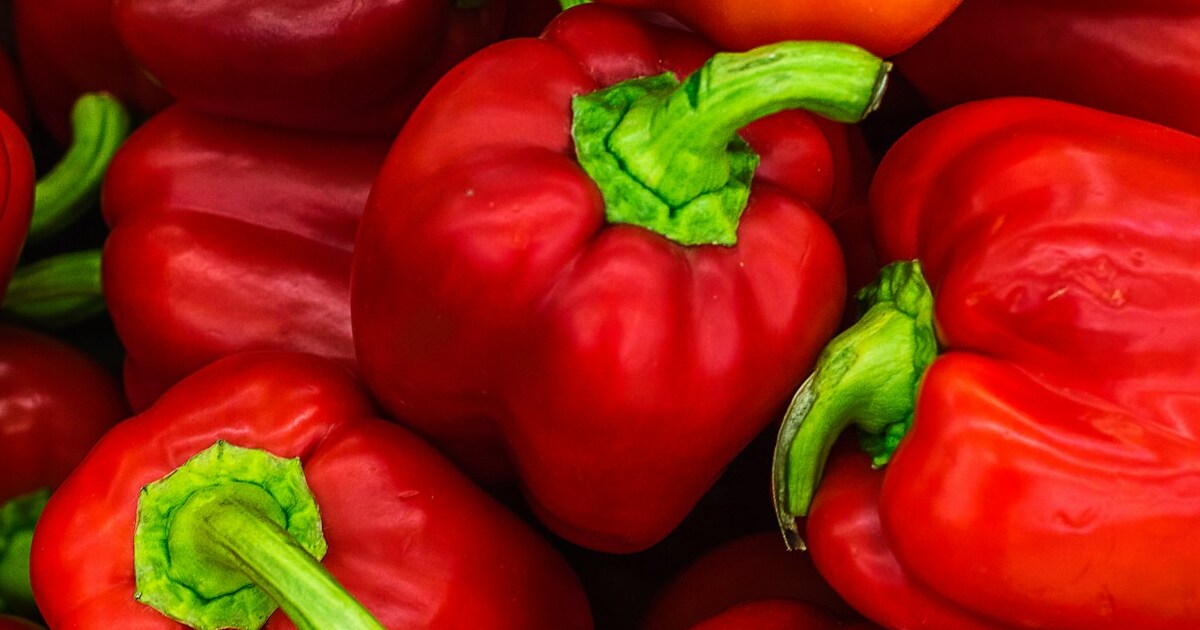

Bell peppers (Capsicum annuum) boast a rich heritage dating back to the tropical and subtropical regions of Central and South America. Over centuries, they’ve traveled the globe, adapting to varied climates without threatening ecosystems—thankfully, their cultivation hasn’t tipped into invasiveness. One of my favorite things about pepper flowers is how they draw in tiny sweat bees and hoverflies, which sometimes nest in nearby bare patches of soil—creating a delightful buzz of activity that signals healthy pollination!
Despite their tropical roots, bell peppers can be surprisingly finicky in home gardens. It’s such a bummer when chilly nights set seedlings back, or when inconsistent watering leads to blossom drop. I know how frustrating it is to tend these beauties only to watch fruit falter. Let’s dive into eleven common stumbles—so you can sidestep the pitfalls and enjoy a season overflowing with crisp, colorful peppers!
Neglecting Pest and Disease Monitoring

Many gardeners don’t scout their pepper patch until damage is blatant, by which point aphids, thrips, or pepper maggots may have firmly nested. Waiting too long allows populations to explode and fungal spores to spread rapidly!
I make it a habit to inspect leaves—especially the undersides—every week, jotting notes in my garden journal. At the first sign of trouble, I reach for neem oil or insecticidal soap, nipping issues in the bud and keeping my plants vigorous for plentiful harvests.
Skipping Crop Rotation

Repeatedly planting peppers—and their Solanaceae cousins like tomatoes and eggplant—in the same bed invites soil-borne pathogens and nematodes to build up year after year. These pests don’t relent; they lie in wait for the next season’s pepper feast!
I map out my garden each spring, ensuring peppers move to fresh soil every 3–4 years. This simple shuffle disrupts pest life cycles, reduces disease pressure, and lets beneficial microbes flourish—no invasive chemicals needed!
Overwatering Pepper Plants
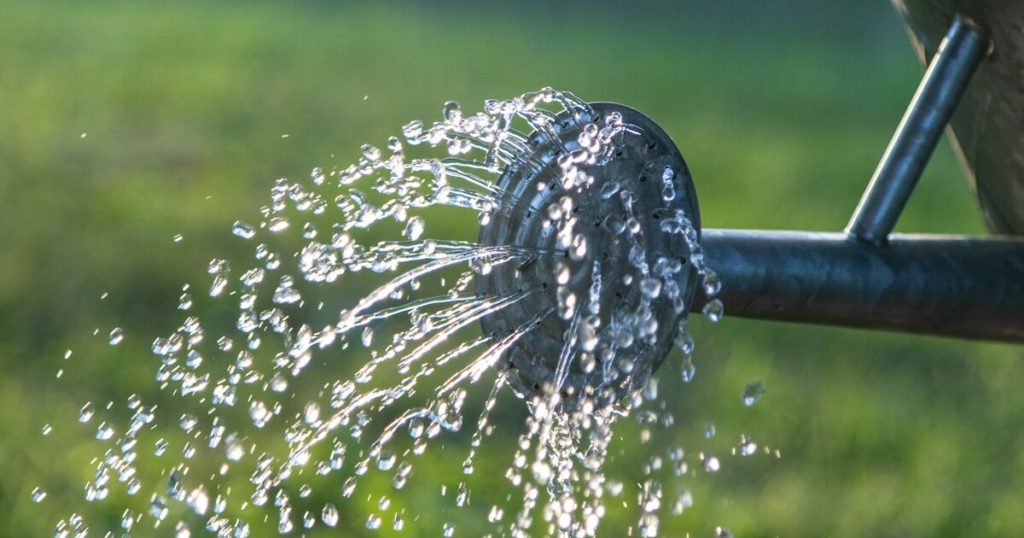
It’s tempting to water daily under a scorching sun, but bell peppers despise waterlogged soil. Excess moisture can suffocate roots and encourage nasty fungi like Phytophthora and Pythium, which love to nest in soggy ground.
Instead, I aim for deep, infrequent watering—allowing the top inch of soil to dry out between sessions. Mulch helps retain moisture and keeps temperatures stable, giving roots the perfect balance of water and air!
Failing to Harden Off Seedlings

Transplanting tender pepper starts directly into the garden is a recipe for shock. Young plants aren’t used to wind, fluctuating temperatures, or full sun, and sudden exposure can stunt growth and delay fruiting.
To mimic their native, gradual shift outdoors, I spend a week moving seedlings outside for increasing periods each day. This patience rewards me with sturdy stems and flourishing blossoms, setting the stage for a bountiful crop!
Improper Spacing and Support
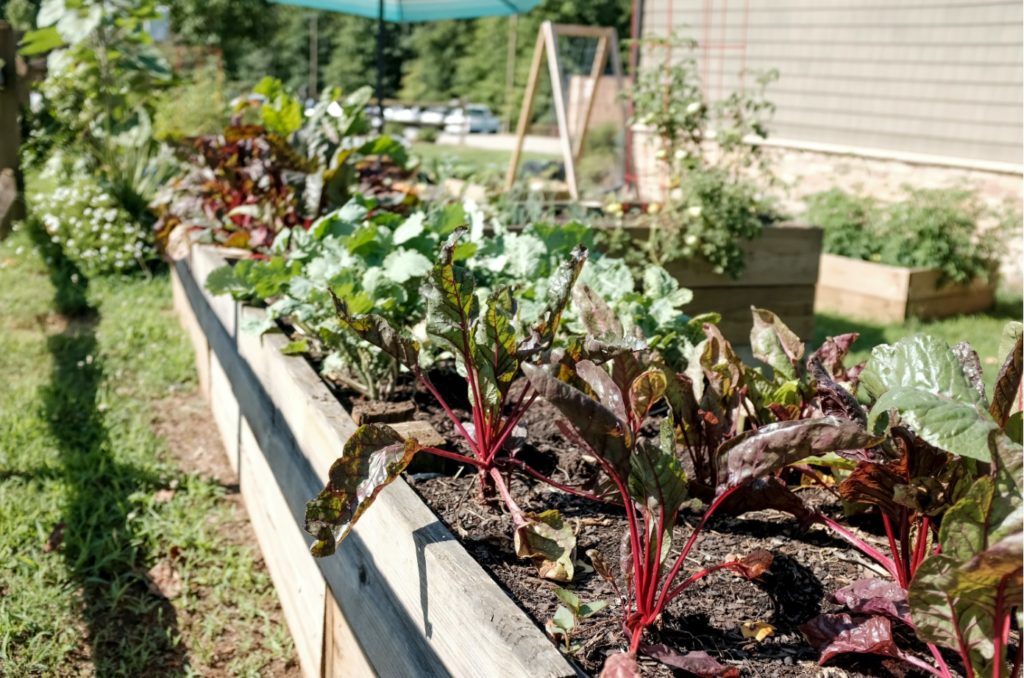
Cramped plants compete fiercely for light, nutrients, and airflow, creating humid hideouts for fungal pathogens. Without support, heavy branches sag and break under their pepper-laden weight.
I give each pepper at least 18–24 inches of elbow room and tuck a sturdy stake or cage around it at planting. This open layout invites pollinators in and keeps branches upright, making harvest a breeze!
Planting Too Early in Chilly Weather

Bell peppers hail from warm climates and can sulk when nighttime temps dip below 50°F (10°C). Even if days feel nice, chilly nights can stunt roots and hamper flowering—resulting in a meager harvest.
I always wait until after the last frost and check that soil has warmed to at least 65°F with a soil thermometer. It’s a small delay that pays off big with vigorous growth and early fruit set!
Ignoring Soil pH and Nutrient Balance

Peppers thrive in slightly acidic to neutral soil (pH 6.0–7.0). Skip testing, and you may misapply lime or overlook needed amendments, leaving plants starved or struggling to uptake key nutrients.
I blend in compost and crushed eggshells at planting to boost calcium—warding off blossom end rot—and run a simple test to adjust pH precisely. This balanced foundation ensures lush foliage and plump, healthy fruits!
Over-Fertilizing with High-Nitrogen Feeds
A nitrogen-heavy feed can transform your pepper patch into a jungle of leafy growth that casts shade on blossoms, reducing fruit production and inviting pests to hide in the foliage!
After buds appear, I switch to a balanced or bloom-focused fertilizer, rich in phosphorus and potassium. Combined with compost tea side-dressing, this encourages robust flowering and sweet, colorful peppers—rather than endless greenery.
Underwatering During Fruit Set
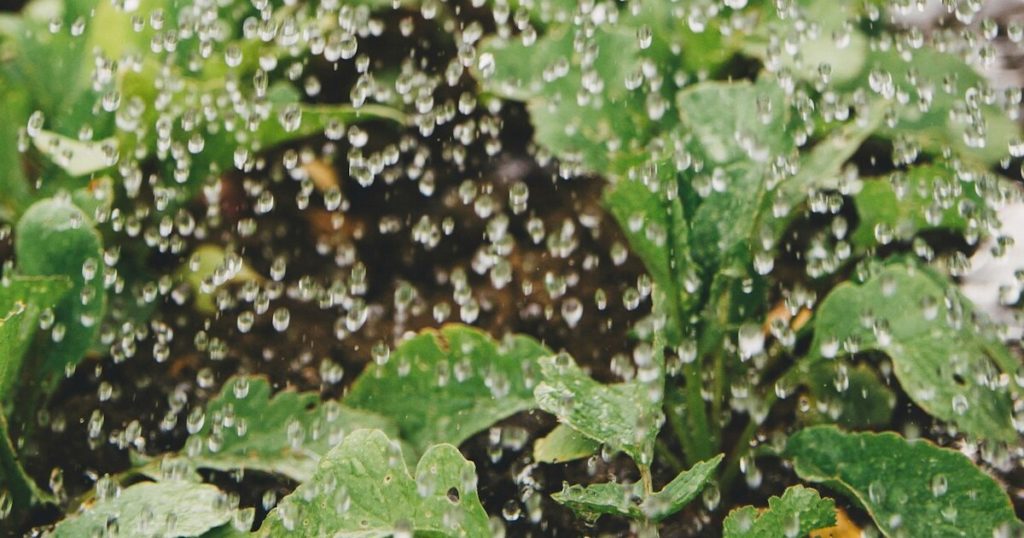
Just as peppers begin to swell, they crave consistent moisture. Skipping water during this critical phase can trigger blossom drop, leaving you with loads of flowers and no fruits to show for your efforts!
I rely on soaker hoses to deliver deep, even watering directly to roots. This method encourages downward root growth, cuts down on surface wetness that attracts slugs, and ensures peppers develop full, flavorful flesh.
Planting in Poorly Drained or Compacted Soil
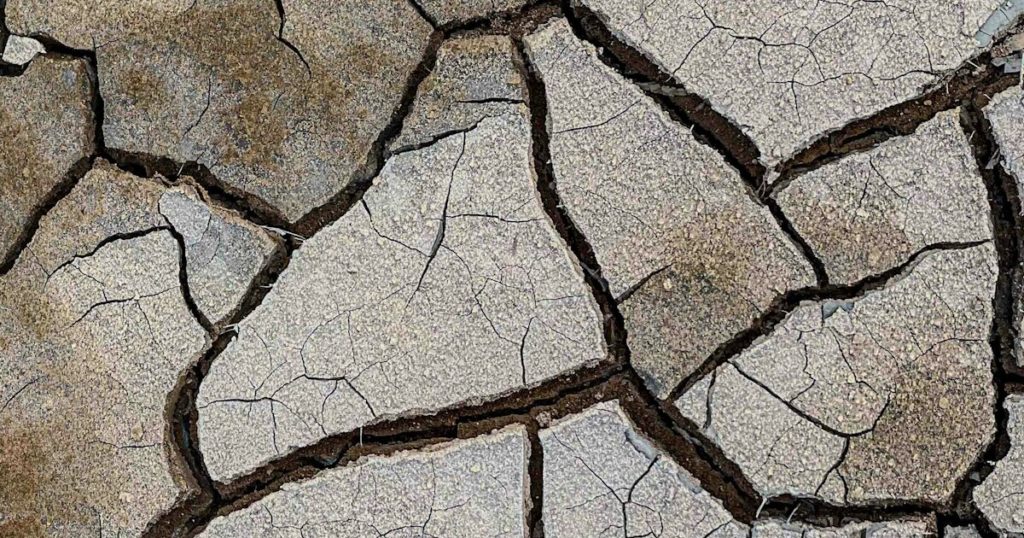
Heavy clay or compacted beds suffocate roots and trap water on the surface, creating the perfect hideouts for slugs and ground-dwelling pests that chew on stems and fruits.
To combat this, I double-dig planting beds or build raised planters enriched with compost and aged manure. The result? Light, friable soil that drains well, allowing roots to explore deeply without drowning.
Neglecting Pollinators and Beneficial Insects
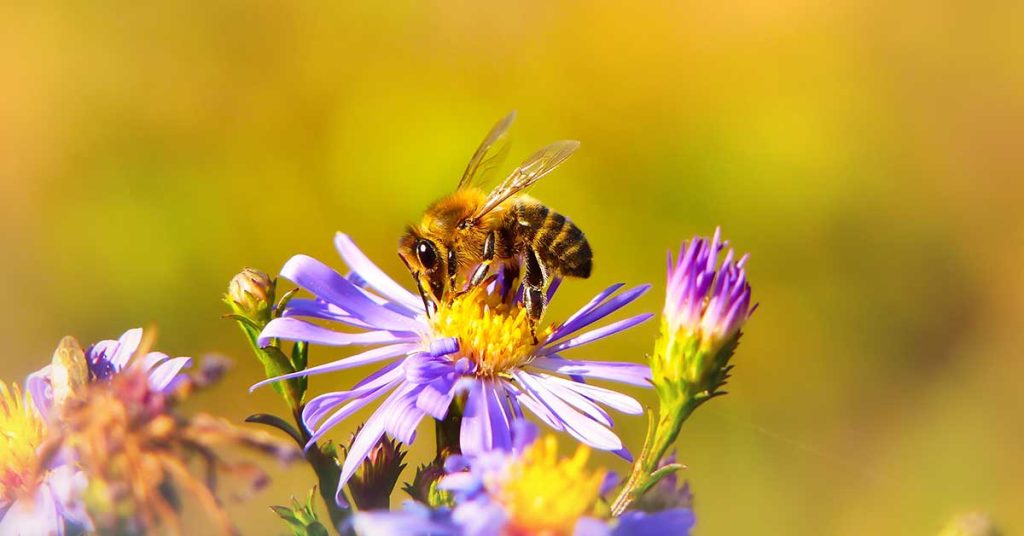
While bell peppers can self-pollinate, they perform best when buzzing pollinators like honeybees and solitary sweat bees visit their blossoms. Overlooking this can lead to misshapen or underdeveloped fruits!
I interplant marigolds, alyssum, and borage to lure beneficial insects and provide nesting nooks. A healthy ecosystem teeming with pollinators and predators means fuller fruit sets and natural pest control—how sweet is that?!