

Imagine stepping up to your home and being greeted by a soft, herbal aroma that instantly lifts your mood—no more stale air or bland entryways! I know how uninspiring a plain stoop can feel after a long day, so planting thyme by your front door turns every arrival into a mini sensory retreat. As a gardener who’s fallen in love with this diminutive Mediterranean native, I can’t wait to share why thyme is my go‑to for weaving beauty, function, and wildlife welcome into that first impression of your home.
Beyond its delightful fragrance, thyme (Thymus spp.) offers a host of benefits—from attracting beneficial pollinators and repelling pests to thriving in poor soils without becoming a nuisance. Most garden thymes stay well‑behaved and won’t escape into wild areas, but knowing their origins helps you place them perfectly. Let’s explore ten compelling reasons to tuck thyme right by your front door and create an inviting, eco‑friendly threshold!
Culinary Convenience at Your Doorstep
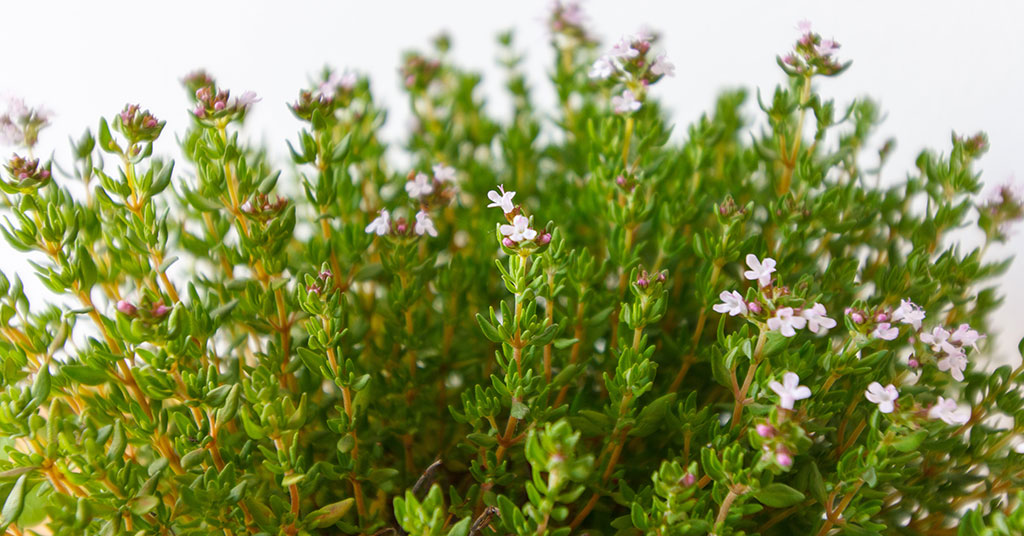
Having thyme within arm’s reach makes tossing fresh sprigs into soups, sautés, or marinades unbelievably easy. I love grabbing a pinch right before dinnertime—no more dashing to the back garden or rummaging through the pantry for dried herbs! This convenience transforms everyday cooking into an inspired experience.
Since common garden thyme (Thymus vulgaris) hails from rocky Mediterranean hillsides, it thrives in lean soils and sun‑baked conditions—ideal for front‑door planters. It doesn’t run rampant like mint, so you can harvest freely without worrying about invasiveness!
A Magnet for Pollinators

When thyme blooms in late spring and early summer, its tiny lavender‑pink flowers become irresistible to bees, hoverflies, and tiny solitary wasps. Watching these pollinators dart among the blossoms feels like having a live nature show right at your entryway! Those buzzing visitors also help other garden plants thrive.
Though thyme isn’t invasive, its nectar‑rich blooms encourage beneficial insects to nest nearby—in soil crevices or little gaps in stonework. Cultivating thyme near your door essentially sets up a pollinator rest stop for busy bees on their foraging routes.
Natural Pest Deterrent

Thyme’s aromatic oils—thymol and carvacrol—act as natural repellents to unwanted pests like cabbage worms, tomato hornworms, and even mosquitoes. It’s such a relief when your outdoor seating area isn’t overrun by biting insects, and thyme by the door offers that extra layer of defense!
These compounds evolved in Mediterranean climates to protect thyme from plant‑eating critters, and when you plant it near entryways, it subtly wards off pests without harsh chemicals. Neighbors with veggie patches often borrow sprigs to deter insects—proof that thyme’s scent really works!
Drought Tolerance and Toughness

One of my favorite traits of thyme is its resilience in dry spells. Once established, it survives on minimal water, making it perfect for sunny spots that bake in afternoon heat. No constant watering means one less chore on busy mornings!
Native to rocky, sun‑baked slopes, thyme’s deep roots and tiny leaves minimize water loss. It won’t swamp your routine—simply plant it in well‑drained soil and let the Mediterranean survivor do its thing, year after year.
Charming Groundcover Appeal

Low‑growing thyme forms a dense, mat‑like cover, softening hard paving stones or framing steps with vibrant greenery. I love how its tiny leaves and flowers spill over edges, adding texture and color to an otherwise static doorway.
Because it stays compact—only 2–4 inches tall—it won’t smother neighboring plants or invade lawn areas. This contained growth habit lets you outline paths or define borders beautifully, without endless trimming or containment.
Evergreen Interest Through the Seasons
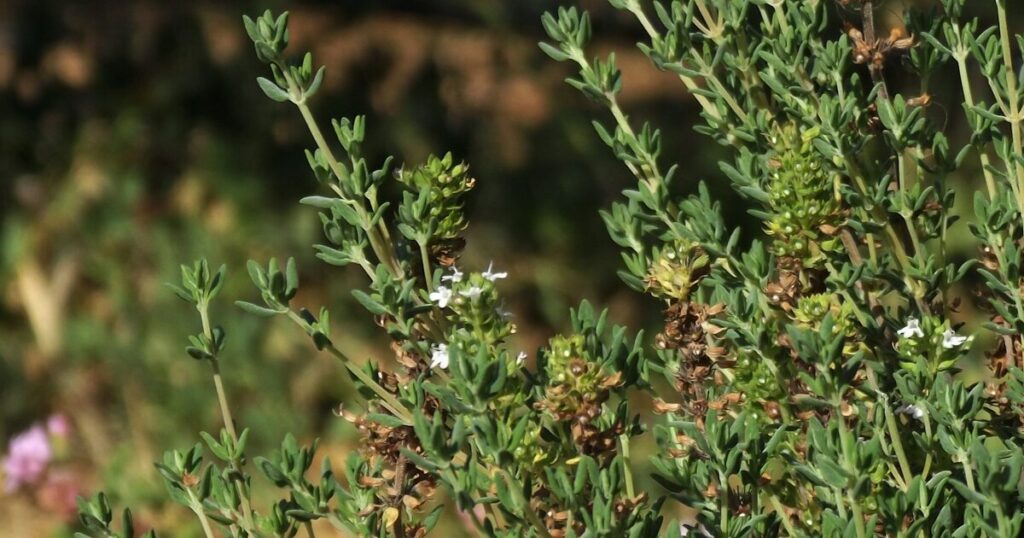
Unlike many perennials that vanish in winter, several thyme varieties, like woolly thyme (Thymus pseudolanuginosus), retain foliage year‑round. That consistent greenery keeps your front door looking inviting even on gray days!
These evergreen types are hardy to USDA zone 5 and below, reflecting their adaptation to cooler Mediterranean winters. You’ll enjoy textured foliage and subtle scents whenever you step outside, no matter the season.
Companion Plant Benefits

Planting thyme alongside garden favorites—roses, brassicas, or strawberries—can boost their health and flavor. Its scent confuses harmful insects like whiteflies, while its deep roots help break up compacted soils for neighbors.
In my own border, thyme under my roses reduced aphid pressure dramatically! Plus, when bees visit thyme flowers, they often continue on to pollinate nearby blooms, creating a thriving micro‑ecosystem at your doorstep.
Medicinal and Wellness Uses

Thyme has been used for centuries as a remedy for coughs, sore throats, and digestive woes. Having it by your front door means you can snip fresh leaves for calming teas or steam inhalations at a moment’s notice—nature’s first‑aid kit in reach!
Its antiseptic and anti‑inflammatory properties come from those same essential oils that deter pests. Just harvesting a few sprigs releases a comforting aroma that lifts spirits—perfect for greeting guests or unwinding after a long day.
Low Maintenance and Easy Propagation
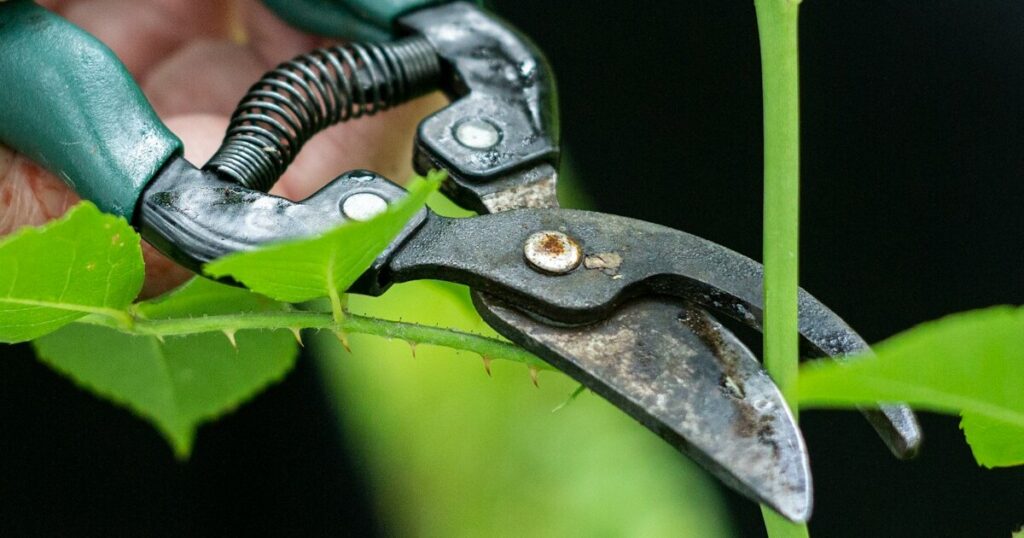
Thyme thrives on neglect—no fancy fertilizers or constant pruning required. Simply trim lightly after flowering to maintain shape, and enjoy continuous growth. It’s such a relief for gardeners who crave beauty without high effort!
Propagation is a breeze: softwood cuttings root in water or directly in soil, so you can multiply your thyme patch for free. Sharing cuttings with friends creates an entire neighborhood of fragrant doorways!
A Warm, Inviting Aroma
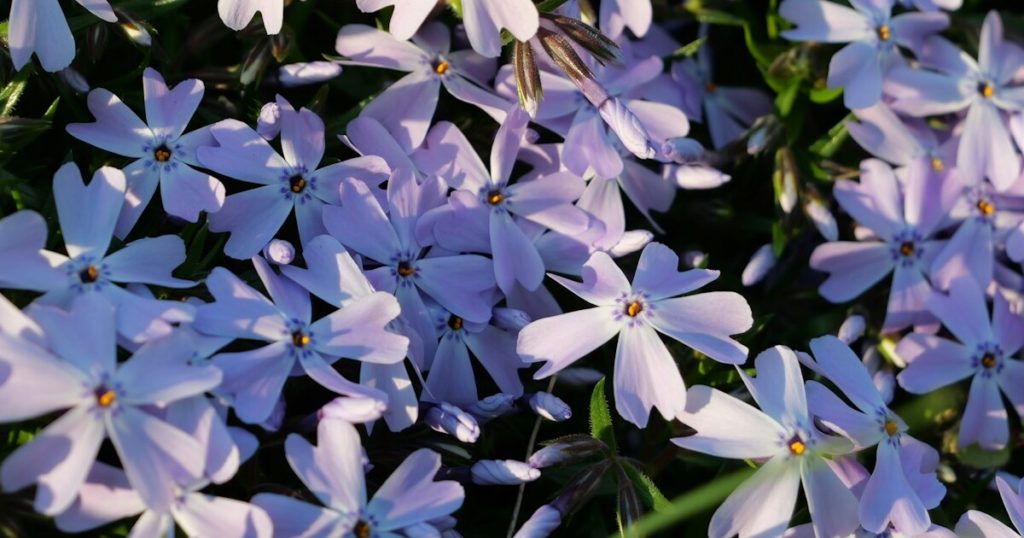
Above all, growing thyme by your front door means every arrival and departure greets you with its warm, herbaceous scent—a simple joy that brightens daily life. That aroma sets a welcoming tone, signaling hospitality to friends and family.
Even a light brush against the foliage releases fragrant oils, reminding you of sunlit Mediterranean gardens. It’s a consistently cozy and comforting presence that never fails to make me smile!