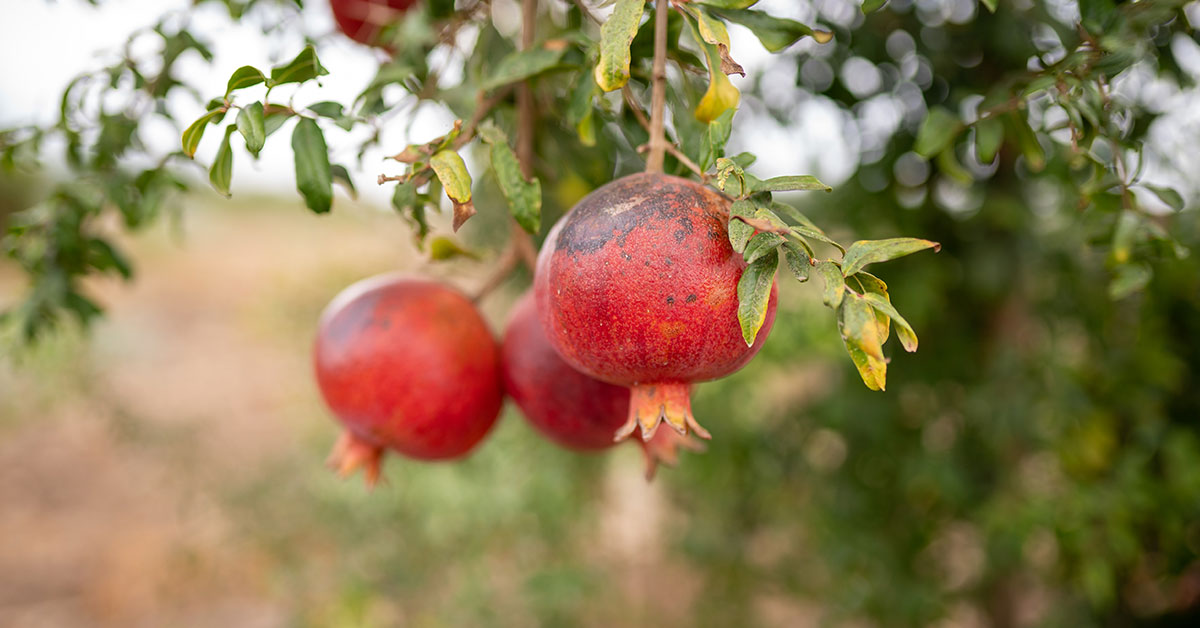

Cultivating pomegranates feels like tending a living connection to ancient orchards of the Mediterranean and Middle East—each burst of ruby arils carries centuries of flavor and tradition. Yet, it’s such a bummer when a young tree flowers beautifully only to drop its blossoms, or when fruits set but fail to ripen fully. I’ve walked that tightrope between triumph and heartbreak myself, so I’m thrilled to share twelve essential needs that will transform your pomegranate into a reliable, fruit‑laden centerpiece!
Pomegranate (Punica granatum) hails from riparian woodlands of Iran and neighboring regions, where it endures scorching summers and mild winters. Though generally well‑behaved in home gardens, it’s wise to respect its native roots: replicating bright sunlight, well‑drained soils, and seasonal temperature shifts makes all the difference. Let’s dig into the must‑do care steps to ensure your tree thrives year after year!
Provide Full Sunlight

Pomegranates demand at least six to eight hours of direct sun daily to set and ripen fruit properly. In their native ranges, they thrive along sunny riverbanks and open slopes—shade often leads to sparse flowering and underdeveloped arils. I once tucked a sapling under a shady oak and barely got a single berry; relocating it to an all‑day sun patch brought on a flush of coral blooms and plump fruits!
That vibrant sun exposure also attracts bees and hoverflies to each flower, boosting pollination success. When your tree basks in bright light, you’ll notice a constant hum of beneficial insects visiting—nature’s own fruit set guarantee!
Plant in Well‑Draining Soil

In the wild, pomegranates root in sandy or gravelly loam that drains swiftly after seasonal floods. Heavy clay or compacted beds can suffocate roots, leading to rot and blossom drop. I amended my backyard clay with generous amounts of compost and coarse sand, and suddenly my tree’s growth shot upward, crowned with healthy fruit!
Good drainage not only prevents disease but also encourages those tiny soil‑dwelling pollinators—ground bees and beetles—that nest beneath leaf litter. Ensuring roots aren’t waterlogged keeps the whole ecosystem humming with life.
Maintain Consistent Watering
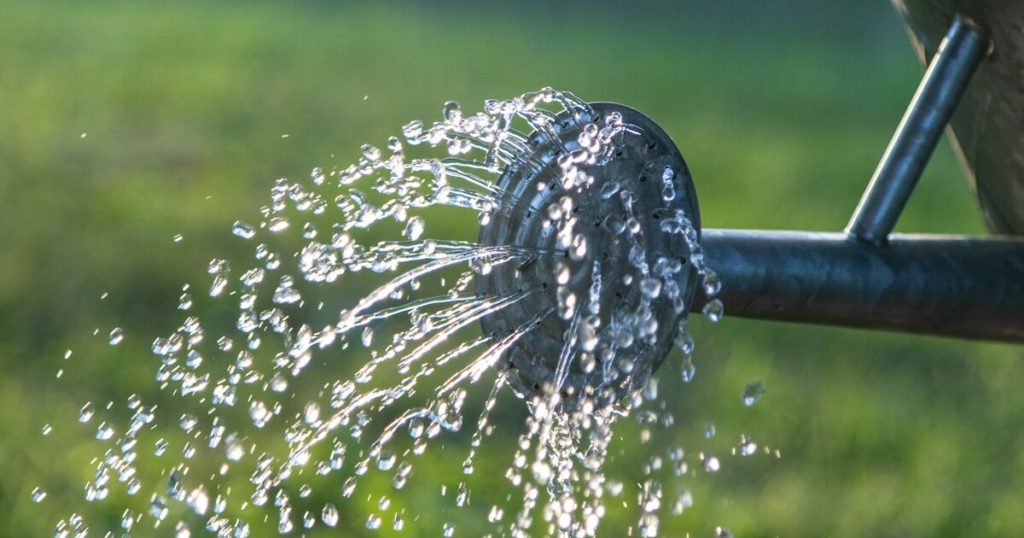
While pomegranates tolerate drought once established, young trees need steady moisture through their first two seasons. Deep, infrequent watering—soaking the root zone once weekly in dry spells—encourages deep roots and resilient fruit production.
It’s such a frustration to see crackled fruits from erratic watering! By keeping soil evenly moist (but never soggy), you nourish developing arils and reduce splitting, while also avoiding the fungal issues that pop up when roots stay too wet.
Mulch to Conserve Moisture and Suppress Weeds
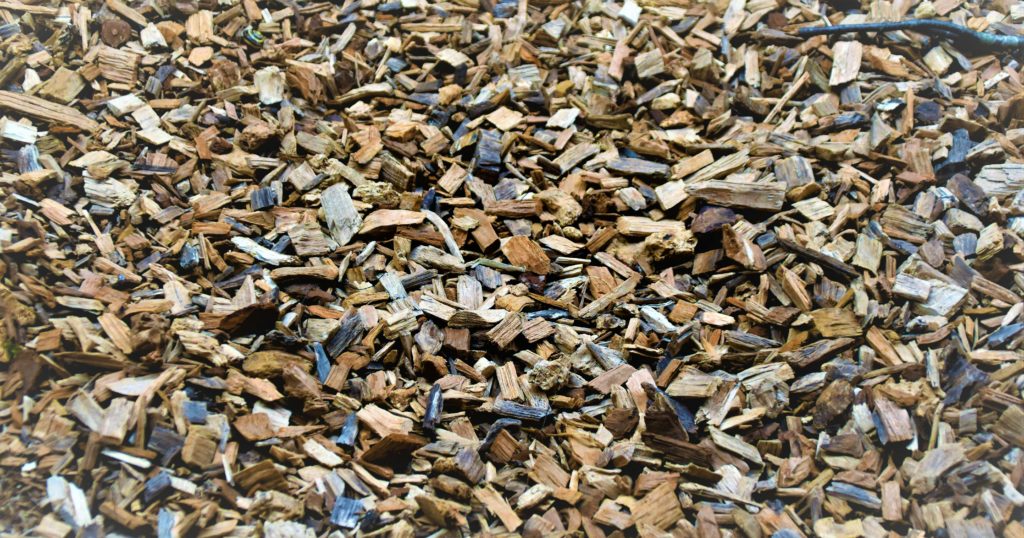
A two‑inch layer of organic mulch—shredded bark or well‑rotted leaves—around the drip line helps retain soil moisture, stabilize temperature, and keep competing weeds at bay. In its native woodlands, leaf litter offers similar benefits, so replicating that layer feels like giving your tree a natural blanket.
Mulch also provides habitat for beneficial insects, such as predatory ground beetles that patrol for pests. I refresh mine each spring, and my pomegranate’s roots stay cool and my garden beds stay tidy—win‑win!
Feed with Balanced Fertilizer
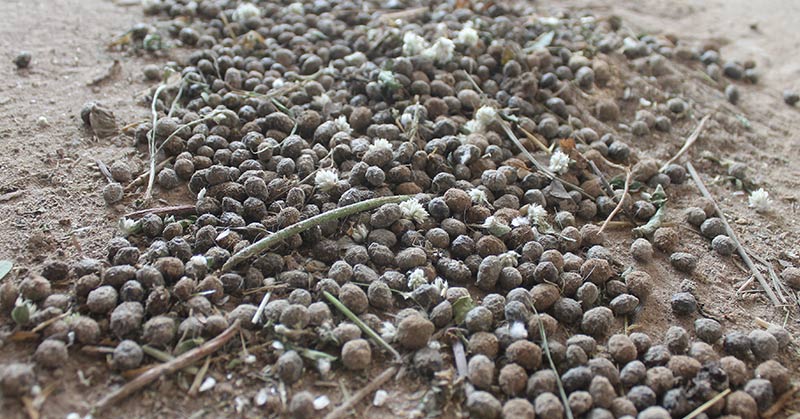
I learned the hard way that pomegranates are moderate feeders: too little nutrition yields weak branches, while too much nitrogen overgrows foliage at the expense of flowers. A balanced 10‑10‑10 fertilizer applied in early spring and again in early summer provides essential nutrients without overstimulating leaf growth.
After feeding, I watch for plumper flower buds that translate into heavier fruit yields. Healthy foliage also produces more potent floral scents, drawing in greater numbers of pollinators for each bloom!
Prune Annually for Structure and Fruit Production
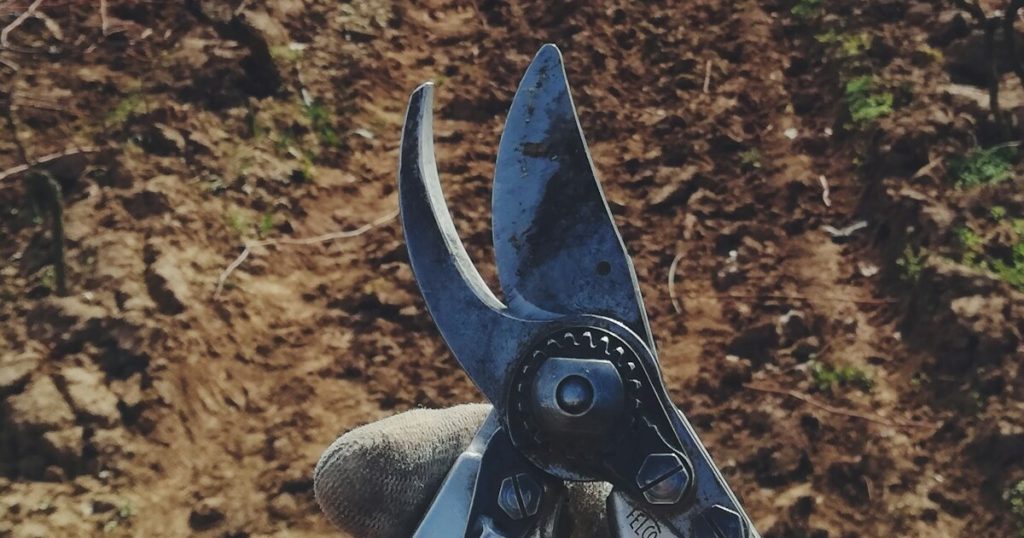
Annual pruning—removing dead, crossing, or congesting branches—opens the canopy to light and air, and channels energy into new fruiting wood. Late winter, before sap flow resumes, is the perfect time to shape your tree and cut back older wood to encourage vigorous spurs.
It’s such a relief to see each branch bathed in sun after pruning! Improved air circulation also deters fungal pathogens and creates safe nesting nooks for small solitary bees that pollinate pomegranate blossoms.
Protect from Severe Frost

While pomegranates tolerate brief dips to 10°F once mature, extended freezes can damage wood and blossom buds. In colder climates, I cover young trees with frost cloth or build temporary windbreaks during hard freezes. Mulching the root zone with straw adds an extra layer of insulation.
I know how discouraging it is to lose promising flower buds to an unexpected frost! These simple protections ensure your blossoms bloom reliably each spring, rather than dropping off in icy shock.
Maintain Proper Soil pH
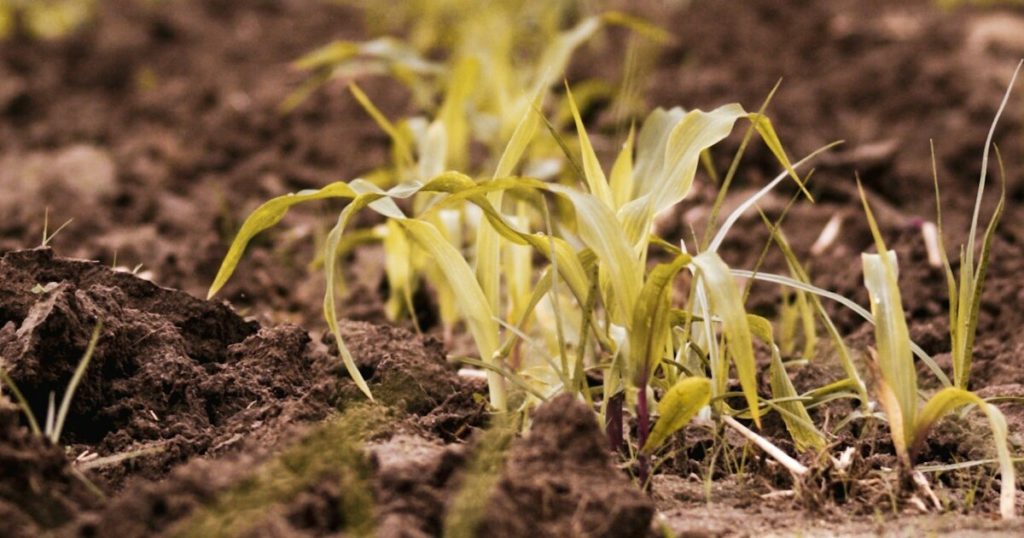
Pomegranates prefer slightly acidic to neutral soil (pH 5.5–7.0). In overly alkaline ground, iron chlorosis can turn leaves yellow and stunt growth. A soil test kit helps you pinpoint pH, and if needed, sulfur applications lower pH, while lime raises it.
Balanced pH unlocks nutrients for healthy foliage and robust blooms—essential to attract nectar‑hungry bees. Once I adjusted my soil from a stubborn 7.8 down to 6.5, leaf color brightened and flowering doubled!
Attract and Support Pollinators
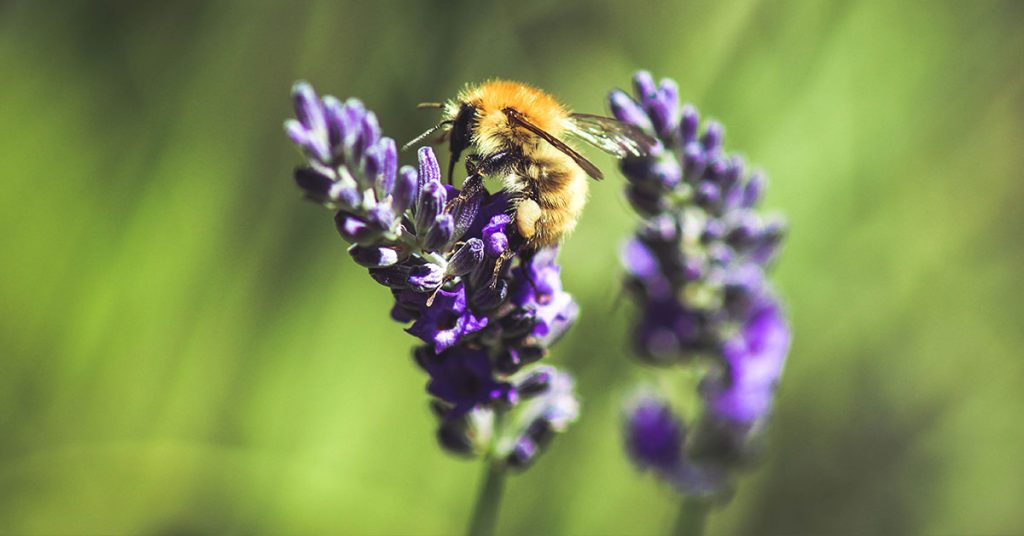
Though partially self‑fertile, pomegranates yield larger, juicier fruits when pollinators visit. Plant pollinator‑friendly companions—borage, lavender, or thyme—near your tree to lure bees, hoverflies, and even hummingbird moths.
Each morning I spot hoverflies circling coral flowers, and solitary bees darting into crevices for nest sites. Cultivating a buzzing entourage ensures every blossom has the best chance to set fruit!
Monitor for Pests and Diseases
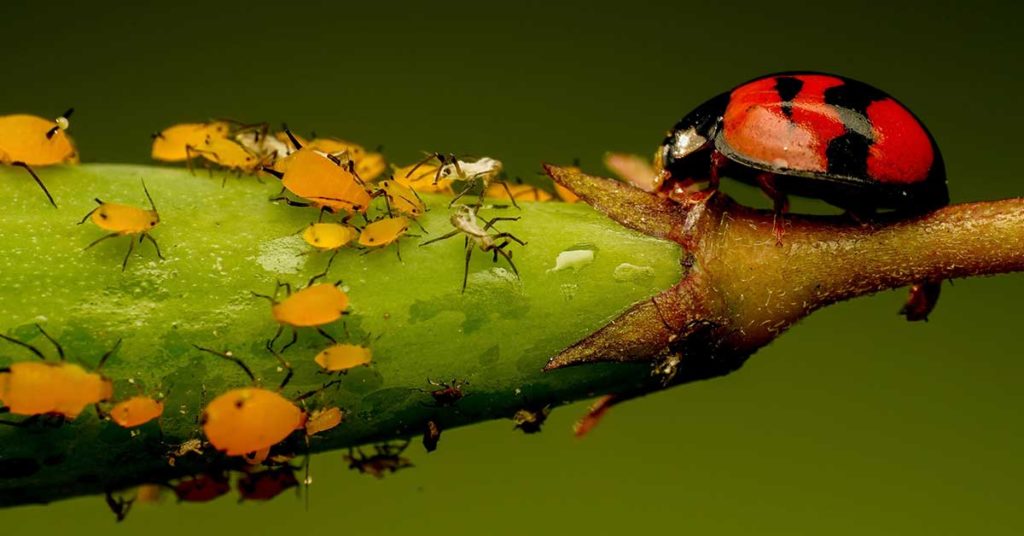
Common foes include aphids, pomegranate butterflies (whose larvae burrow into fruits), and fungal leaf spots. Weekly inspections—especially under leaves—and prompt removal or organic treatment keep issues small. I once lost half my crop to larvae until I began taping branches with sticky wraps to intercept caterpillars!
Healthy, pest‑free trees look more vigorous and bloom more profusely, and they’re naturally more attractive to beneficial predators like ladybugs. Early detection saves both your harvest and those precious nesting sites of garden allies.
Allow Adequate Spacing
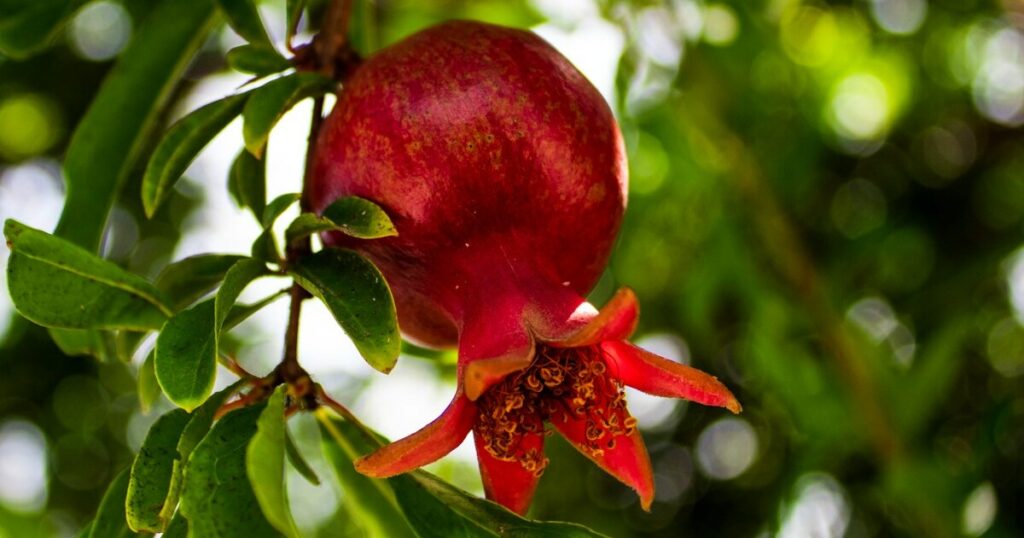
In the wild, pomegranate shrubs spread across riverbanks with two to three meters between each plant. Crowding restricts airflow, invites disease, and limits sunlight penetration. I space mine at least 10 feet apart from other trees to mimic natural patterns and allow room for that beautiful urn‑shaped canopy.
Generous spacing also gives ground‑nesting pollinators room to burrow and reduces root competition. Your garden will feel open, sunny, and alive with wildlife interactions!