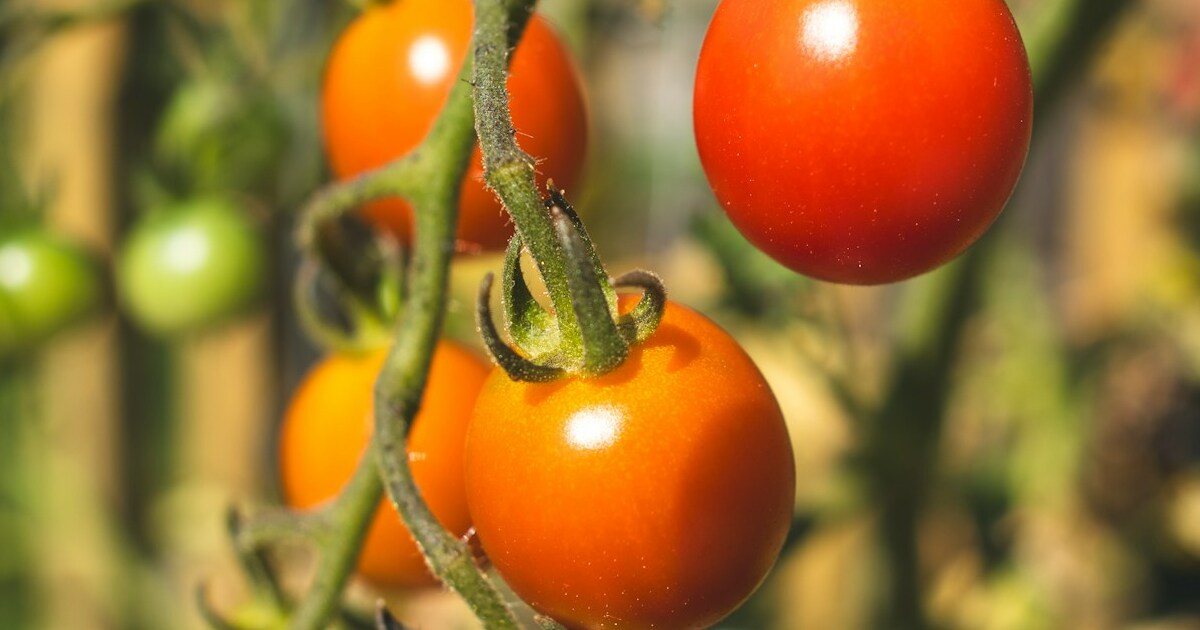

Growing cherry tomatoes is one of the most rewarding experiences for any home gardener: those little bursts of sweetness right off the vine feel like nature’s candy! Yet, I know how disheartening it can be when blooms abort, fruit cracks, or vines languish without producing. Cherry tomatoes (Solanum lycopersicum var. cerasiforme), native to the Andean region of South America, evolved in warm, well‑drained habitats, so replicating those conditions is key—and avoiding common missteps can make all the difference.
Beyond their irresistible taste, cherry tomato flowers are magnets for bees and hoverflies, and the dense foliage can even provide nesting pockets for tiny beneficial insects. While tomatoes aren’t invasive when grown in home gardens, they can host volunteers if you let fallen fruit sprout. Let’s dig into eleven pitfalls you’ll want to dodge to ensure bountiful clusters of perfectly ripe cherry tomatoes all season long!
Skipping Suckering and Pruning
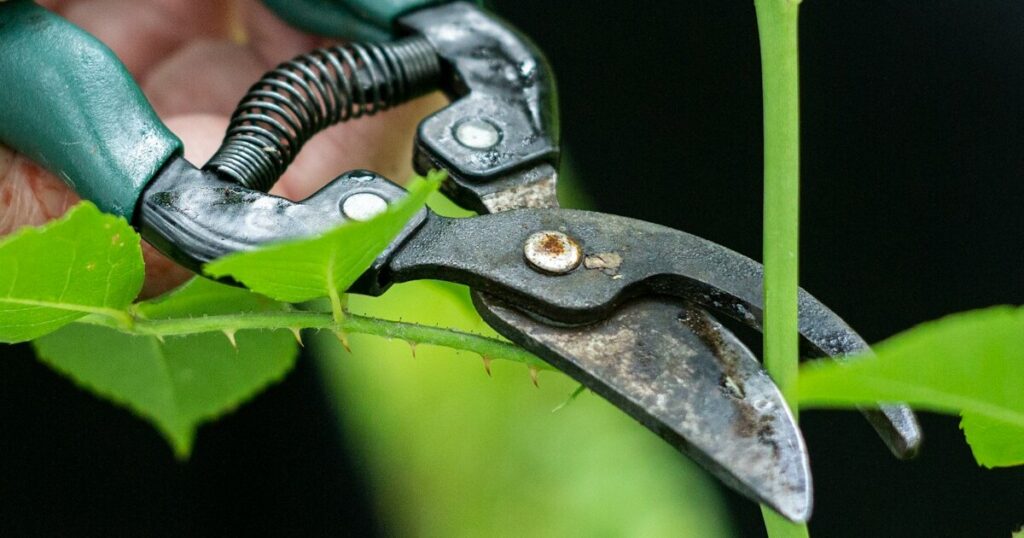
Cherry tomatoes are vigorous indeterminate climbers, and letting side shoots run wild turns your trellis into a tangled jungle. If you skip pinch‑outs, energy diverts to leafy growth instead of fruit set, and airflow suffers—inviting blight. I prune suckers regularly, leaving two to three main stems for balanced production.
Thinning out foliage also creates nesting nooks for tiny beneficial wasps that help control hornworms. Good airflow and strategic pruning mimic the open wood‑edge habitats where wild tomatoes once thrived, reducing disease risk and boosting bloom‑to‑fruit ratios!
Overwatering Young Seedlings
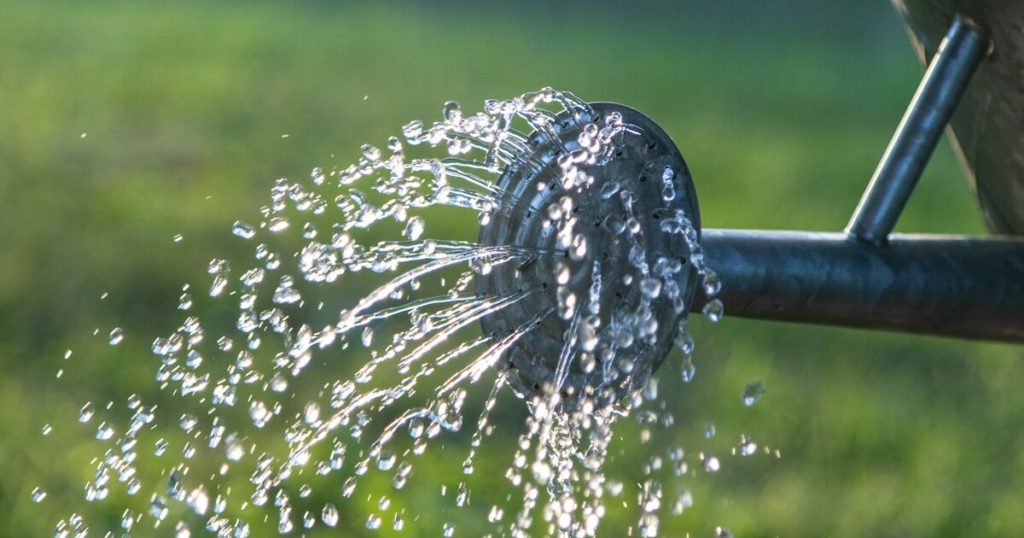
It’s such a bummer when tender seedlings sit in waterlogged trays—roots suffocate and damping‑off fungi swoop in, leaving you with limp, brown stems. Cherry tomatoes need consistently moist but never soggy soil, especially in the seedling stage. I always start with a light misting schedule and only water thoroughly once tiny true leaves appear.
In their native cloud‑forest edges, young plants receive gentle rain and quick drainage, so mimicking that with well‑draining seed‑starting mix is crucial. Overwatered trays also miss out on attracting the small springtails that break down organic matter—those little helpers won’t stick around in swampy conditions!
Neglecting Pest and Disease Monitoring
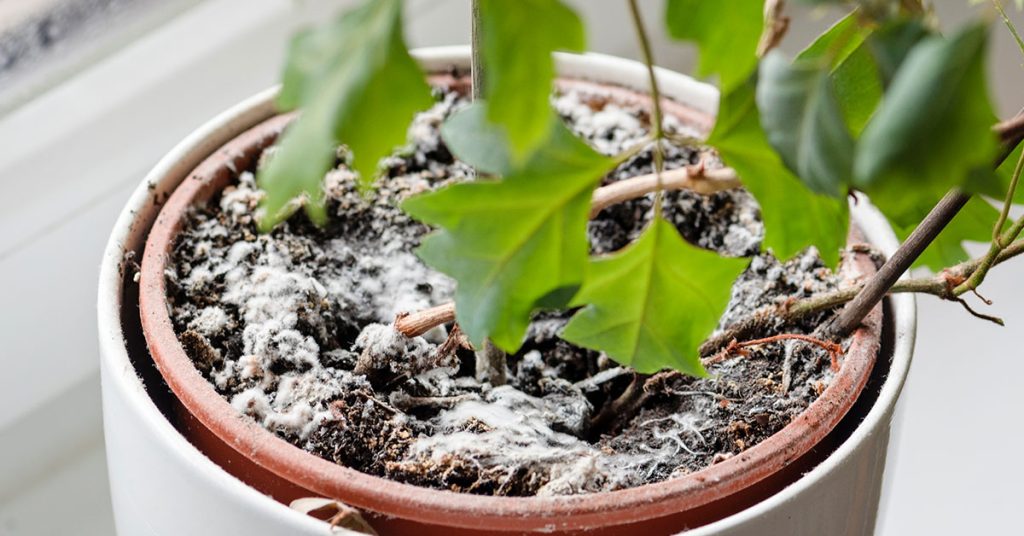
Cherry tomatoes can host aphids, whiteflies, hornworms, and fungal diseases like powdery mildew. Scout plants weekly—look under leaves and along stems—and remove pests by hand or with insecticidal soap. Prompt action keeps minor issues from exploding into full‑blown infestations.
Healthy, pest‑controlled plants are more attractive to beneficial predators—ladybugs, lacewings, and predatory wasps—who may nest in adjacent shrubs. Early intervention not only saves your harvest but sustains the garden’s delicate balance of flora and fauna!
Overcrowding Plants

Cramping your cherry tomatoes into tight rows may seem space‑saving, but it chokes airflow and invites fungal trouble. I recommend spacing indeterminate varieties 24–36 inches apart, allowing sufficient room for growth and insect movement.
Generous spacing mimics their wild habitats on Andean slopes, where plants grow in loose clumps. Pollinators like bumblebees and small solitary bees need room to navigate—overcrowding can turn your garden into a dead zone for them!
Ignoring Pollinator Needs

Cherry tomatoes are self‑pollinating but flourish when pollinators buzz in. If you notice sparse fruit set, gently shake stems in the morning or plant bee‑attracting flowers—borage, thyme, or chamomile—nearby to lure hoverflies and native bees.
These insects not only improve pollination but may nest in nearby loose soil or hollow stems. Encouraging a buzzing community ensures every tomato blossom matures into a juicy bite!
Planting Seedlings Too Shallow
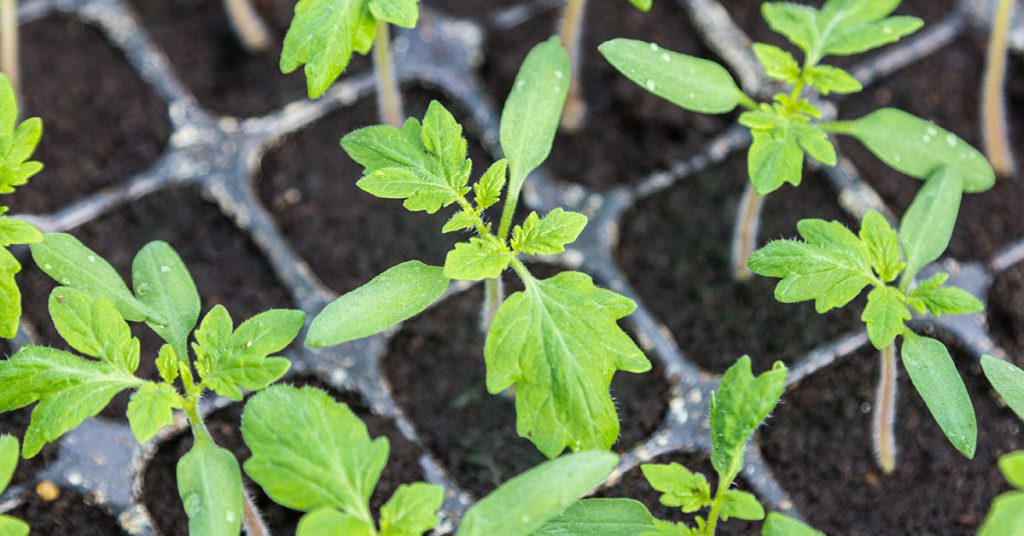
Tomatoes naturally develop roots along buried stems, so planting too shallow deprives them of anchorage and water‑uptake capacity. I once watched my favorite cherry tomato—‘Sweet Million’—flop over because I set it too high. Plant your transplants deep, burying two‑thirds of the stem; this encourages a robust root network.
In South America’s upland soils, wild tomatoes anchor deeply to withstand summer rains. Proper depth not only stabilizes vines but also helps soil‑dwelling pollinators like ground‑nesting bees navigate the understory without disturbance!
Watering at the Wrong Time
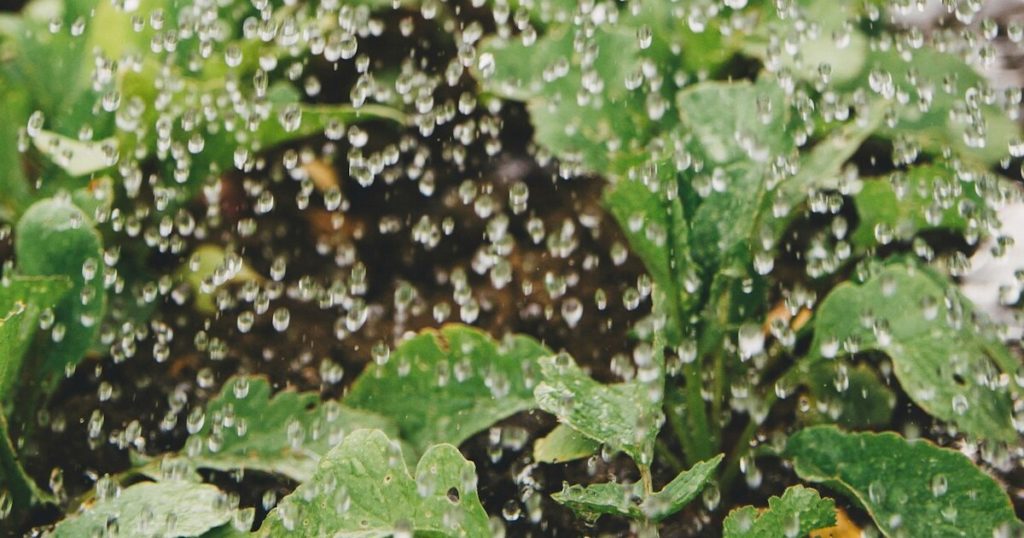
Dripping overhead watering during midday can scorch leaves or splash soil‑borne pathogens onto foliage, leading to early blight. I switched to drip irrigation and early‑morning schedules—roots get moisture before heat hits, while leaves dry quickly, minimizing disease.
Morning watering also aligns with bee foraging patterns; once flowers dry, pollinators can visit freely. Emulating natural rainfall patterns ensures that your vines stay happy and productive!
Installing Inadequate Support
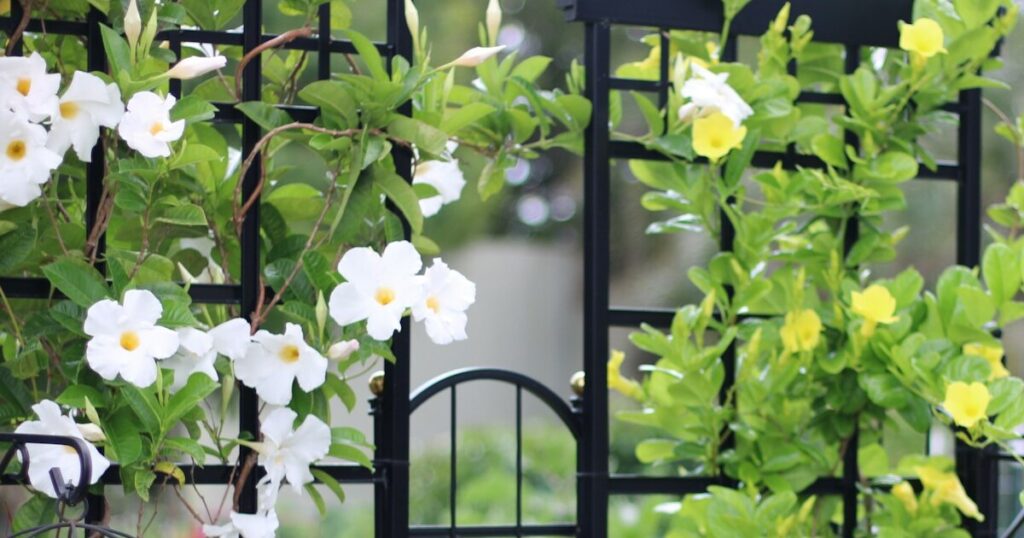
Without strong stakes, cages, or trellises, those fruit‑laden vines sag under their own weight and root zones can become waterlogged from soil contact. I learned this the hard way when an August storm flattened an entire row of cages. Installing sturdy support at planting time prevents later shock!
Proper staking also lifts foliage into the breeze, attracting hoverflies that patrol for aphids. Your cherry tomatoes will thank you—upright vines allow bees easy access to flowers, improving pollination and fruit set!
Ignoring Soil Fertility and pH
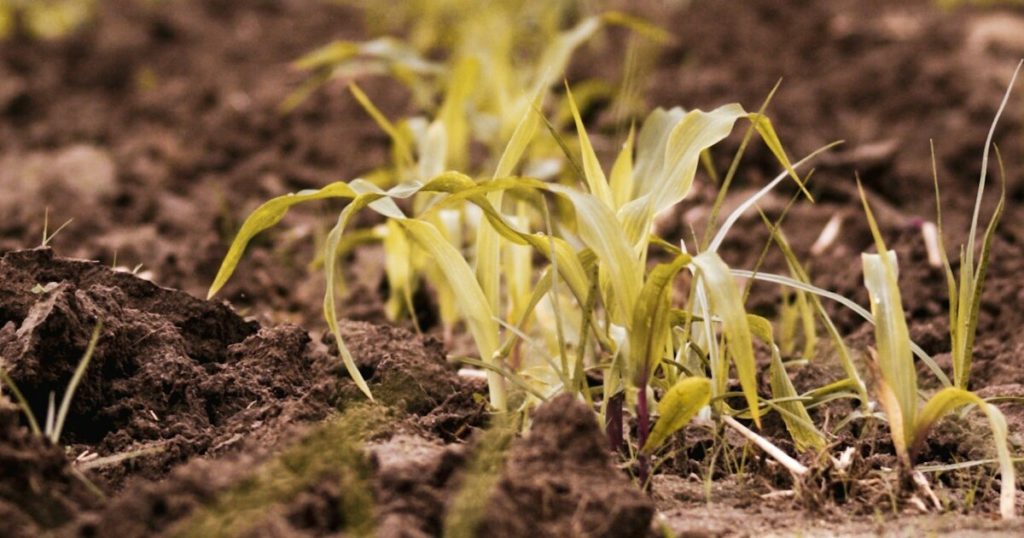
Cherry tomatoes flourish in rich, slightly acidic soil (pH 6.2–6.8). I once planted in unamended clay with a pH over 7.5 and watched blossoms fall without forming fruit. Conduct a soil test, then amend with compost and elemental sulfur or lime to hit that sweet spot.
Balanced nutrition supports vibrant blooms that bees can’t resist. Well‑fed plants also fend off nesting pests like whiteflies, since healthy foliage produces stronger natural defenses—much like their wild Andean ancestors growing in fertile volcanic soils!
Failing to Rotate Crops

Planting tomatoes in the same bed year after year accumulates soil‑borne diseases like verticillium wilt and nematodes. Rotate with non‑solanaceous crops—beans, brassicas, or herbs—for at least two seasons before returning tomatoes to that spot.
This break period keeps beneficial fungal‑eating insects active in your soil and reduces nesting sites for root‑feeding pests. Crop rotation is a simple way to honor natural cycles and maintain a healthy garden ecosystem!
Overfertilizing with Nitrogen
I once dumped high‑nitrogen feed on my cherry tomatoes and ended up with abundant foliage but not a single ripe berry! Excess nitrogen fuels leaf growth at the expense of flowers and fruit. Switch to a balanced 5‑10‑10 fertilizer once flowering begins.
Lower nitrogen levels remind the plant to channel resources into blooms—just as they do in wild conditions, where nutrient levels are moderate. Balanced feeding results in vibrant blossoms and plump fruit clusters that tempt even the pickiest pollinators!