

Cultivating anthuriums that consistently reward you with glossy, heart‑shaped spathes can feel like cracking a secret code—but once you get the hang of it, it’s endlessly rewarding! I know how discouraging it is to see your plants drop buds or develop brown leaf tips, especially when you’re craving that tropical splash in your home or greenhouse. As a gardener who’s been smitten with these Colombian and Ecuadorian natives since my first crimson bloom, I’m thrilled to share ten essential tips that will have your anthuriums shining all year long.
Anthuriums (primarily Anthurium andraeanum and its cultivars) evolved in the humid understories of Central and South America, clinging to tree trunks or nestled among leaf litter. While they’re charming container plants here, they’re not invasive when confined to pots—but mimicking their rainforest roots is key. Let’s dive into these ten strategies—each backed by lessons learned from both my triumphs and mishaps—so you can enjoy a nonstop parade of vibrant spathes!
Feed with a Balanced, Slow‑Release Fertilizer

One of the most transformative steps I took was switching to a balanced (10‑10‑10) slow‑release fertilizer applied every two to three months. In their native forest floors, anthuriums receive a steady trickle of nutrients from decomposing leaves and bird droppings, so mimicking that gentle supply keeps growth vigorous and blooms prolific. It’s such a bummer when your plant produces lush foliage but fails to flower—that nutritional boost redirects energy into spathe and spadix development!
I scatter the granules around the drip line—never against the stem—and lightly work them into the topsoil. Overfertilizing can burn roots or promote only leaves, so pacing is everything. After feeding, I always notice plumper buds on the way, as though the plant is saying, “Thanks for the gourmet meal!”
Repot Every Two Years into Fresh Mix

I learned the hard way that tired potting medium suffocates anthurium roots, leading to yellowing leaves and stunted flowers. In their wild habitat, roots explore loose, organic‑rich debris; indoors, fresh mix every two years—often in spring—ensures proper aeration and drainage.
When repotting, I gently tease out matted roots and trim any blackened or mushy sections. Then I nestle the plant into a slightly larger container filled with chunky bark, orchid mix, and a dash of peat moss. The revitalized root zone almost always triggers a burst of new growth and future blooms within weeks!
Maintain High Humidity (60–80%)
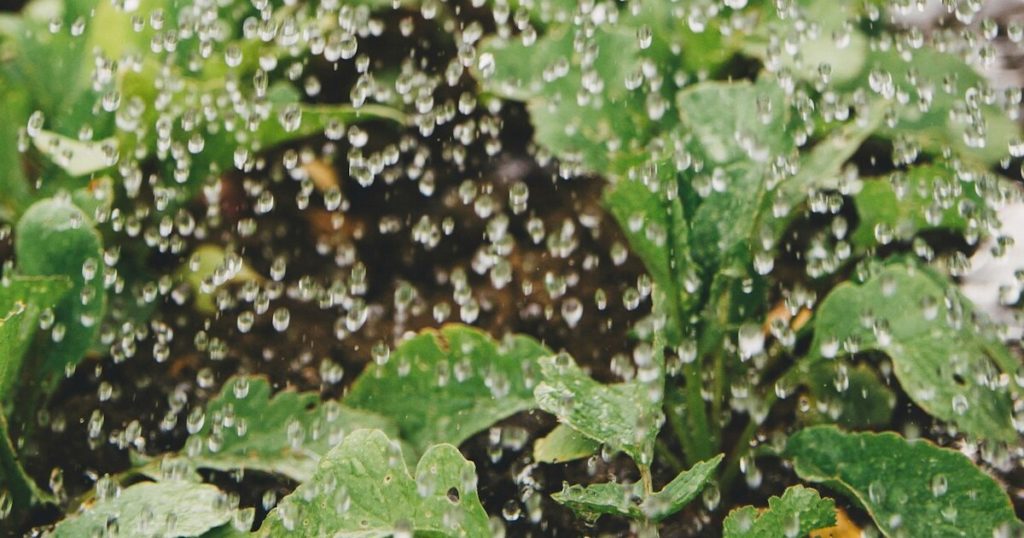
Anthuriums hail from cloud‑forest canopies where humidity hovers around 80%. Dry indoor air, especially in winter, often leads to brown leaf margins or bud drop. To combat this, I group my plants on a pebble tray filled with water, run a humidifier nearby, or place them in bathrooms with natural light—each strategy keeps their sponge‑like aerial roots happy!
While they won’t lure hummingbirds or bees inside, higher humidity invites tiny springtails and beneficial microfauna that help break down leaf litter. I find that creating this micro‑ecosystem feels profoundly satisfying—like recreating a slice of their native rainforest right on my windowsill!
Keep Temperatures Between 65–80°F

Anthuriums thrive in the mild warmth of their native tropics. When temperatures dip below 60°F, growth slows and flower production falters; above 90°F, leaves may wilt and brown. I keep mine away from drafty windows and vents, and on sweltering days, I mist the air lightly to cool things down.
It’s such a frustration when a sudden cold snap nips your budding stalks! Investing in a simple room thermometer has saved me misery—if I see readings creeping toward extremes, I adjust placement or regulate indoor heating accordingly, protecting both foliage and future blooms.
Groom Spathes and Foliage Regularly
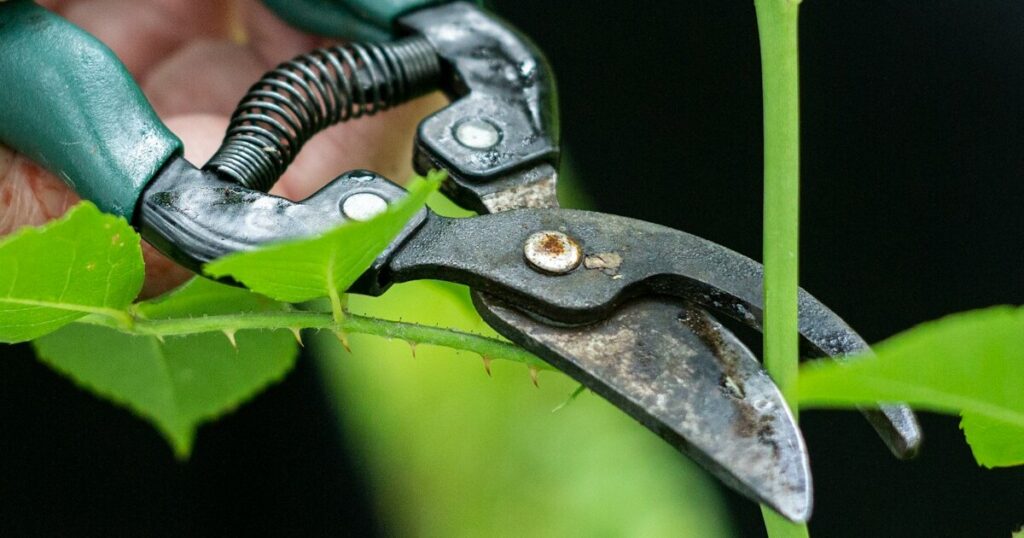
Dead or damaged flowers not only look unsightly but can invite rot and pests. After each bloom fades, I snip the spent spadix and its colored spathe right at the base, which encourages fresh buds and prevents fungal growth.
Cleaning leaves with a damp cloth every couple of weeks removes dust buildup, improving photosynthesis and allowing occasional inspection for tiny scale insects or mites. There’s nothing like the satisfaction of glossy, green foliage complementing those dramatic red or pink blooms—each wipe feels like giving your plant a spa day!
Use a Loose, Well‑Draining Potting Mix

In nature, anthuriums root through leaf litter and bark debris, never compacted soil. My go‑to recipe combines fir bark, perlite, orchid mix, and a small portion of peat or coco coir. This airy blend retains moisture without waterlogging, preventing root rot in both humid and drier conditions.
When I first used straight potting soil, my plants sulked: water sat around their crowns, leading to mushy lower stems. Switching to this chunky mix revived even the most waterlogged specimens, promoting healthier roots and a stronger bloom set the following season!
Water Thoroughly But Allow Surface to Dry

Overwatering is a surefire way to kill anthuriums, while neglecting them causes wilting and bud drop. I water deeply—until it pours from drainage holes—then let the top inch of mix dry before the next round. This simulates the intermittent rains of tropical forests, where roots enjoy moisture followed by airflow.
I know how disappointing it is to find mushy stems or drooping leaves! Keeping a moisture meter on hand helps me avoid guesswork. After dialing in this regimen, I’ve watched my anthuriums cycle through spathe after spathe without a single soggy mishap.
Monitor for Pests and Diseases
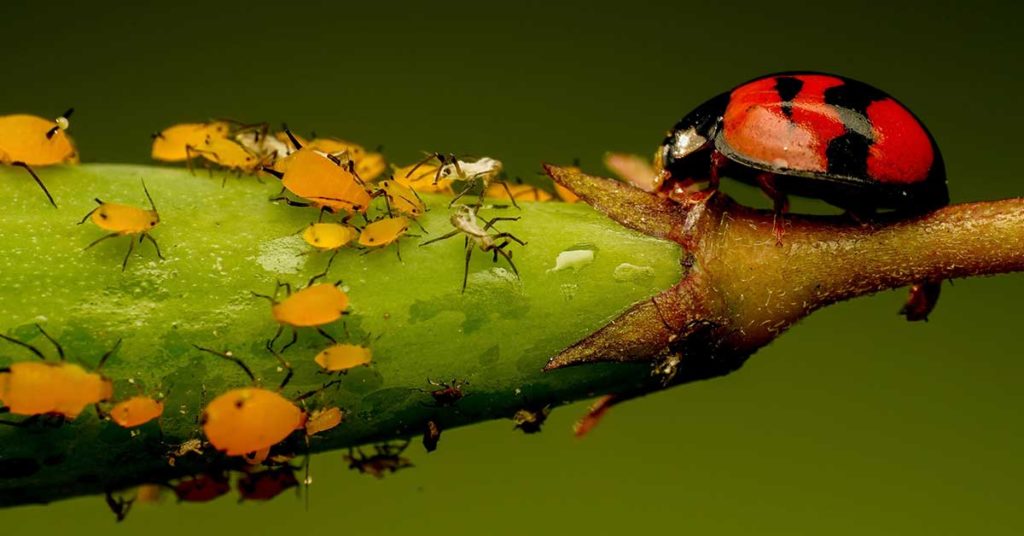
Although non‑invasive in containers, anthuriums can still fall prey to aphids, mealybugs, or fungal leaf spot. I inspect new growth weekly, looking under leaves and around the crown, and treat any visitors with a gentle neem or insecticidal soap. Removing fallen debris right away also starves fungal spores of breeding ground.
One of my favorite moments is spotting a ladybug guest feasting on aphids—that little ecological balance feels immensely gratifying! By catching problems early, I’ve avoided losing entire flower stalks to rot or insect damage, keeping my display uninterrupted.
Provide Bright, Indirect Light

Direct midday sun singes the delicate spathes and leaves of anthuriums, but too little light means no blooms. Placing them near an east‑ or north‑facing window, or filtered through a sheer curtain, offers the perfect glow. In their understory origins, they flourish under dappled canopy light—indoors, you can mimic that with grow lamps on darker days.
I once tucked mine too deep in a corner and waited months for a single flower—after moving it closer to a bright window, buds appeared within weeks! Watching those new spathes unfurl feels like witnessing a secret unlocked, all due to getting the light just right.
Rotate and Support Mature Plants
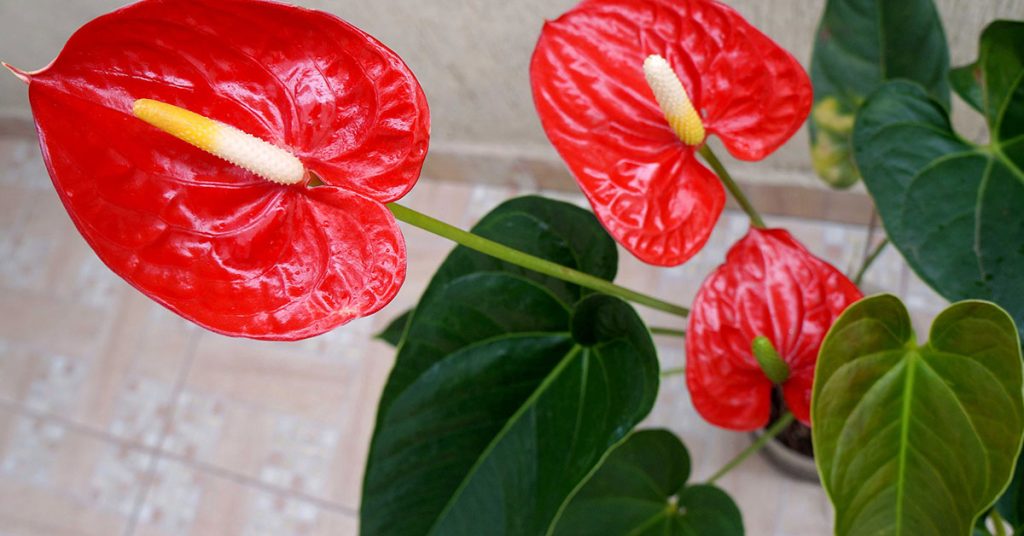
As your anthurium matures, larger leaves and multiple flower stalks can cause stems to lean or crowd one side. Rotating the pot every few weeks ensures even light exposure and balanced growth. For very heavy plants, I stake flower stems gently with bamboo supports to keep those vibrant spathes upright and on proud display.
I know how disheartening it is to see a once‑upright bloom droop toward the soil! A quick twist of the pot and a discreet tie transforms that leaning mess into a poised tropical masterpiece—perfect for photos or a special corner of your home.