
Squash—native to the Americas and cultivated by Indigenous peoples for thousands of years—is one of my favorite crops to grow. There’s nothing quite like the thrill of seeing those broad, fuzzy leaves unfurl in the spring, dreaming of golden zucchini and plump pumpkins! Yet, it’s such a bummer when powdery mildew sets in or your vines flop with blossom end rot before you’ve even had a chance to taste that first bite. If you’ve ever scratched your head at wilted stems or wondered why fruit never seems to appear, you’re in good company.
In this guide, we’ll explore eleven all‑too‑common missteps gardeners make with squash—and, more importantly, how to sidestep each one for a bountiful harvest. From spacing and pollination to soil health and pest defenses, you’ll find tips that honor squash’s New World roots while creating a balanced ecosystem. So grab your trowel, and let’s get your squash patch thriving this season!
Planting Too Early in Cold Soil
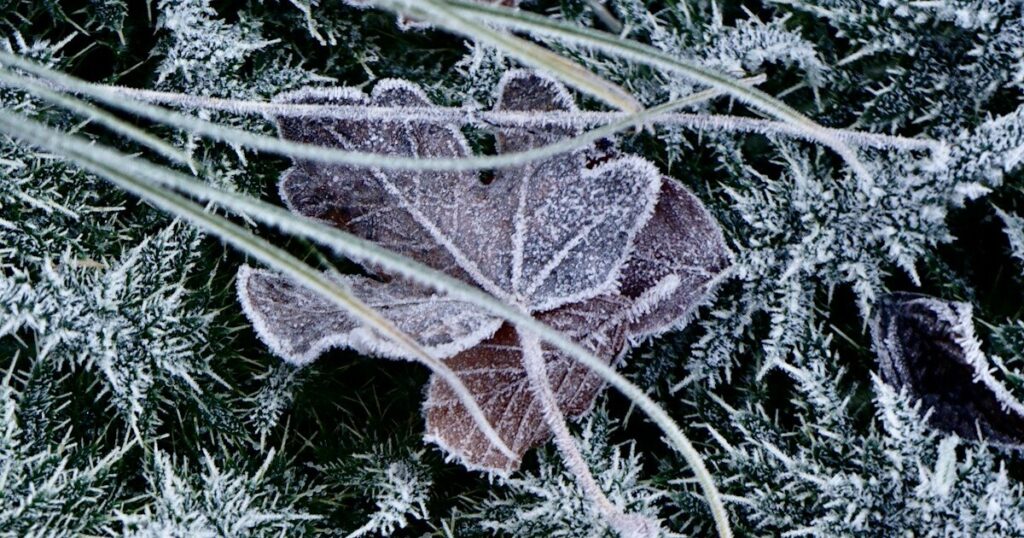
Squash hails from the warm, sun‑baked fields of Central and South America, so cool soils stunt seed germination and invite damping‑off. Planting too soon may leave young radicles soggy or injured by late frosts—leading to patchy emergence and weak seedlings.
To avoid disappointment, wait until soil temperatures reach at least 60°F (16°C) before sowing seeds directly or transplanting seedlings. I like using a soil thermometer and covering beds with black plastic a week ahead to warm the ground. Your seeds will thank you with vigorous, uniform sprouting!
Neglecting Adequate Spacing
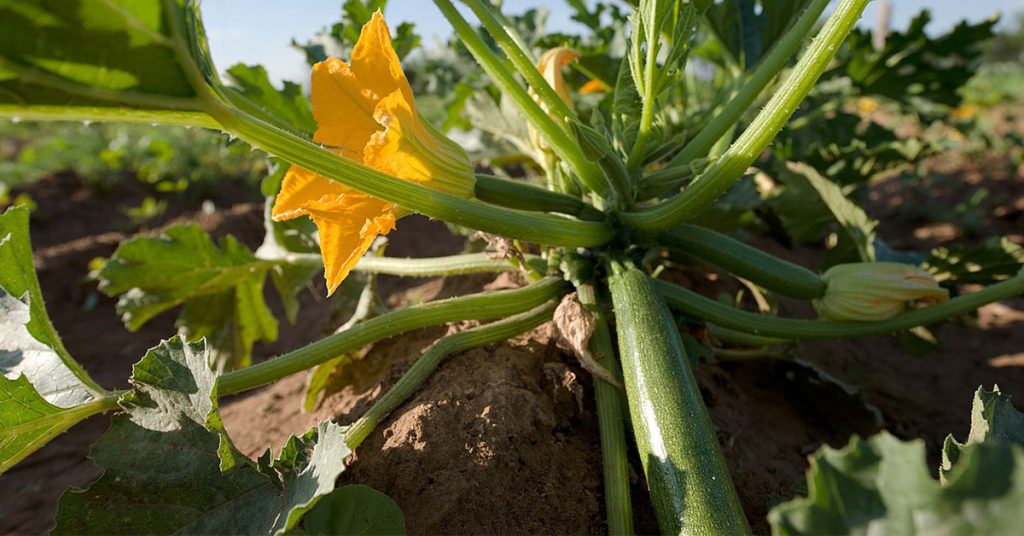
Squash vines can sprawl impressively—some pumpkin varieties stretching over 20 feet! Crowding plants leads to poor air circulation, increased disease pressure, and competition for water and nutrients. I once squeezed my plants 12 inches apart and ended up with stunted vines and endless mildew problems!
Give bush types at least 2–3 feet of room, while vining squash needs 4–6 feet between hills. Proper spacing lets air skim across leaves, reducing fungal infections, and gives roots ample territory to forage. You’ll see stronger, more productive plants when you respect their spread!
Overlooking Pollinator Needs
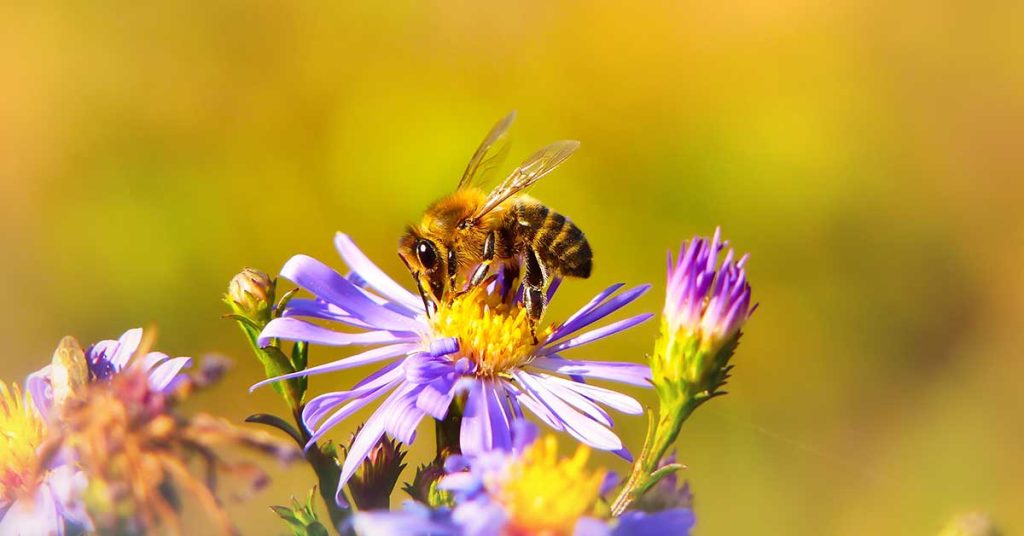
Squash produces separate male and female blossoms, relying on bees—especially squash bees and bumblebees—to shuttle pollen. Without enough pollinator visits, female flowers shrivel and drop without setting fruit. I know how frustrating it is to see perfect blossoms abort day after day!
To invite pollinators, plant early‑blooming companions like borage or alyssum nearby, or leave a patch of bare soil for native ground‑nesting bees. Avoid spraying insecticides when flowers are open; instead, hand‑transfers with a small brush can save the day and get those zucchini forming!
Overwatering or Underwatering
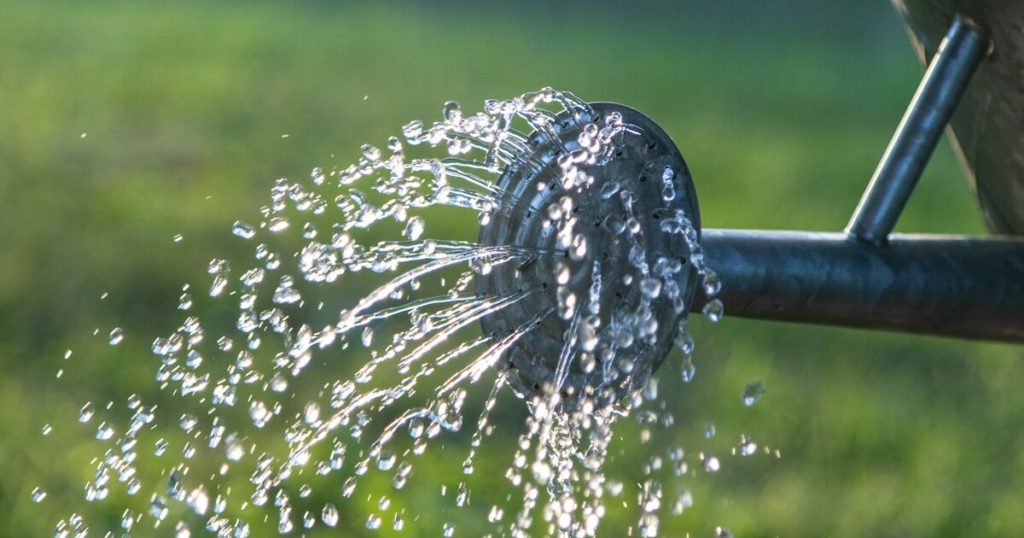
Squash loves consistent moisture, yet standing water leads to root rot and too‑dry spells stress vines, promoting blossom end rot. Finding the sweet spot can feel like a juggling act—especially during hot spells!
Use deep, infrequent watering: drench the root zone until soil is moist 6–8 inches down, then wait until the top inch dries before watering again. Applying a layer of organic mulch keeps moisture steady and reduces your watering chores!
Ignoring Soil Fertility and pH

In their native range, squash thrived in rich, loose soils brimming with organic matter. Poor, compacted beds lead to weak vines and scanty fruit. Likewise, a pH below 6.0 can lock out nutrients, while above 7.5 micronutrients become scarce.
Before planting, test your soil and amend with well‑rotted compost or aged manure for structure and fertility. Adjust pH with lime or sulfur as needed. When nutrients and pH are balanced, squash roots can gobble up everything they need for lush growth and heavy yields!
Letting Weeds Take Over

Weeds compete fiercely for water, nutrients, and light—and their presence can invite pests and diseases that love the extra humidity. I once lost half my squash patch to spindly bindweed before realizing how much space weeds steal!
Maintain a weed‑free zone around your squash by applying a thick straw or leaf‑mold mulch. Hand‑pull any survivors when plants are small, taking care not to disturb shallow squash roots. Your plants will flourish without unwelcome competition!
Forgetting to Rotate Crops

Planting squash in the same spot year after year encourages soil‑borne pathogens like fusarium and certain nematodes to build up. Over time, this leads to declining vigor and persistent diseases that get harder to manage.
Rotate your squash with unrelated families—think legumes or brassicas—for at least two to three years. This breaks disease cycles and lets you use cover crops like clover to enrich the soil. Your future squash beds will be healthier and more productive!
Overfertilizing with Nitrogen

While lush foliage looks appealing, excess nitrogen stimulates leaf growth at the expense of blossoms and fruit. You might end up with a jungle of vines but very few zucchinis to harvest!
Opt for balanced feeding: a single side‑dressing of compost at planting and a low‑nitrogen, high‑phosphorus organic fertilizer at bloom time promotes flower and fruit development. Your squash will reward you with both foliage and abundant fruit!
Failing to Monitor for Pests and Diseases
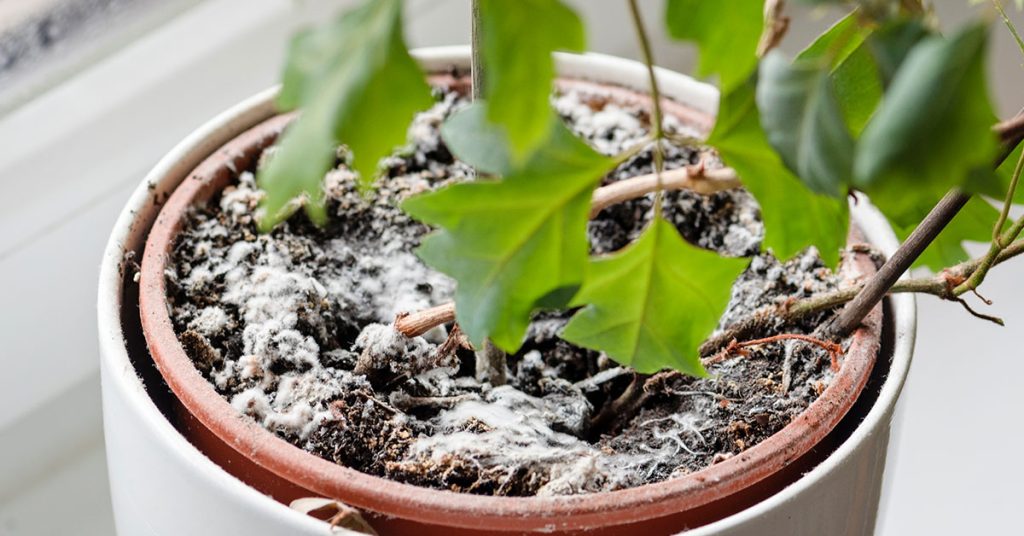
Squash vine borers, cucumber beetles, and powdery mildew are perennial headaches in a squash garden. Ignoring early signs means infestations spiral out of control—you could lose entire vines overnight!
Scout your patch twice a week, checking leaf undersides for eggs, wilting stems for borers, and white powdery spots on leaves. Remove affected leaves promptly, use row covers until flowering, and introduce beneficial insects like ladybugs. Early action keeps issues manageable!
Harvesting Too Late
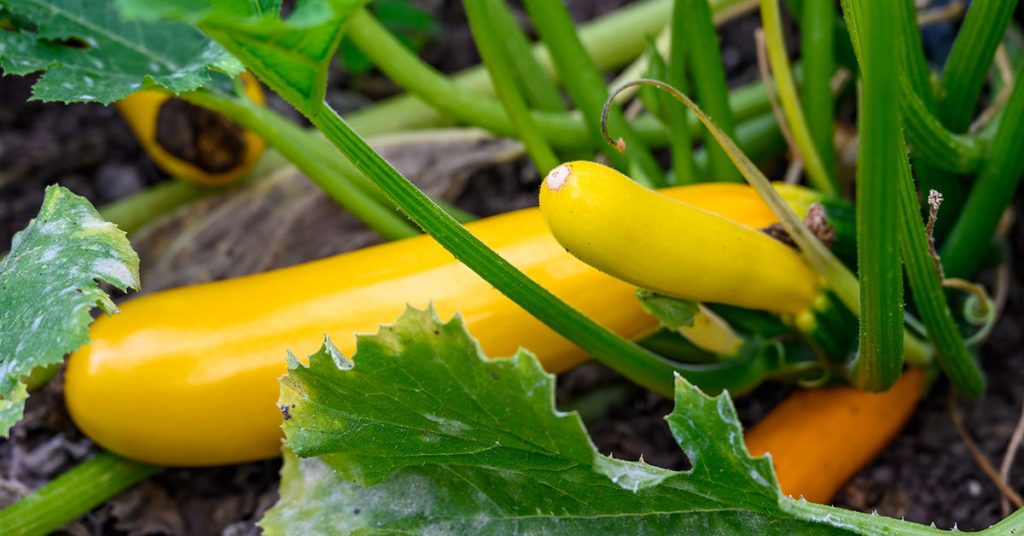
Overmature squash become tough, seedy, and less flavorful. I’ll never forget the disappointment of biting into a woody pumpkin thanks to a missed harvest window!
Harvest summer squash when they’re about 6–8 inches long and winter squash at full color but before the first hard frost. Regular picking encourages continued production and ensures the best texture and flavor in your meals!
Skipping End‑of‑Season Cleanup
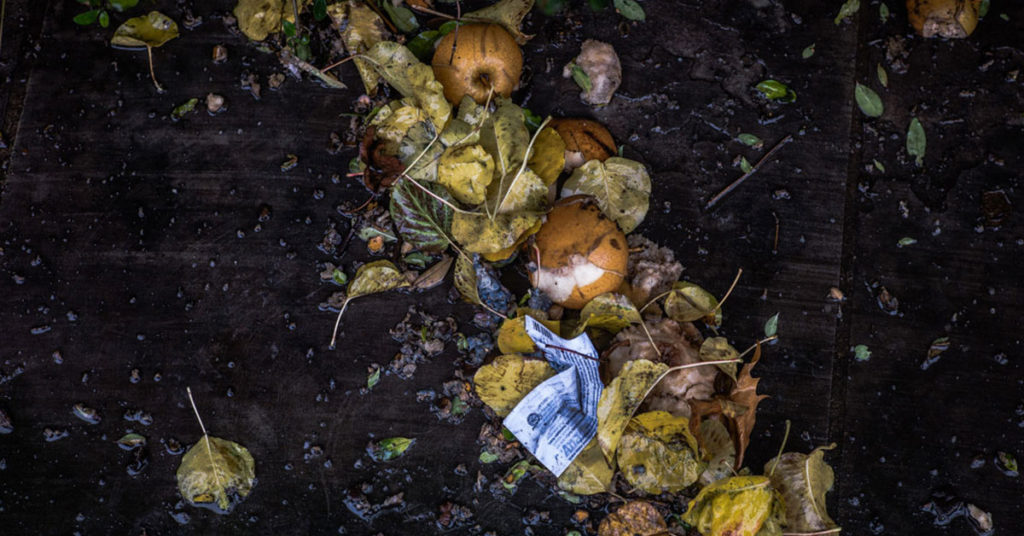
Leaving dead vines and debris invites overwintering pests and disease spores to lurk until next spring. It’s like rolling out the welcome mat for trouble before your next planting!
Once frost blackens vines, pull and compost or dispose of all plant material—avoiding putting diseased foliage into your garden compost. Then, mulch beds or plant a winter cover crop to protect and rebuild soil health until squash season returns!