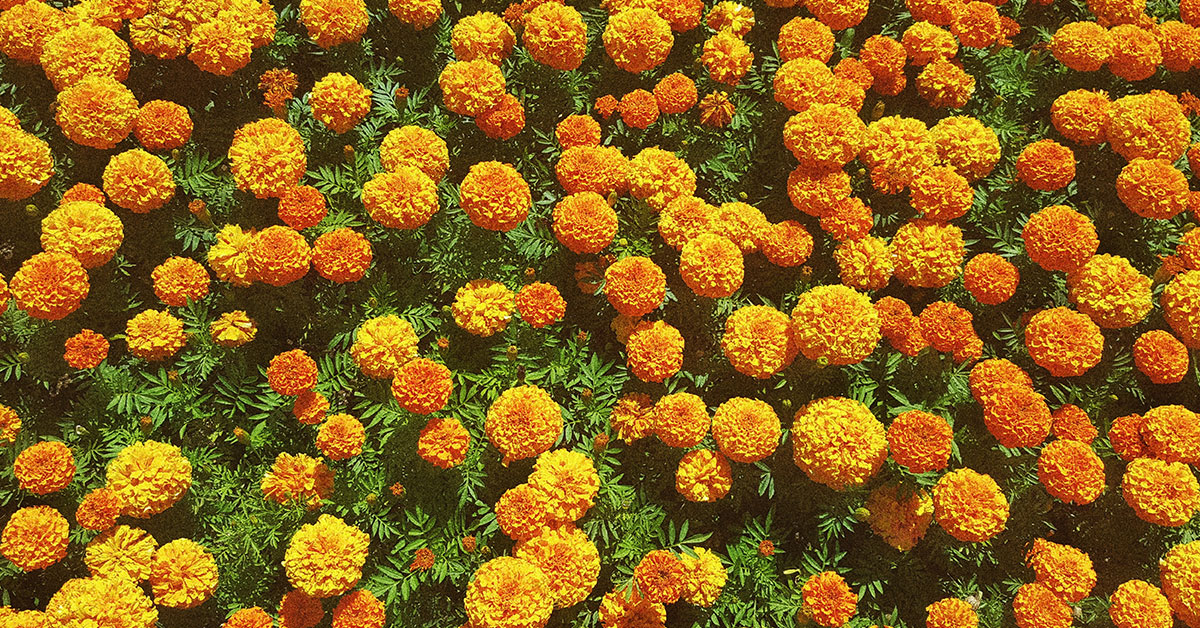

Pairing pansies (Viola × wittrockiana) with marigolds (Tagetes spp.) is one of my favorite companion‐plant combos—yet I know how baffling it can be when single‐species beds underwhelm or struggle with pests! Maybe you’ve spent afternoons fretting over bare soil or half-hearted blooms, or you’ve wondered why your flowerbed seems lifeless after the season’s first heat wave. Combining these two cheerful annuals brings more than just pretty faces; it turns your garden into a thriving, dynamic ecosystem that practically buzzes with life.
Pansies hail from cool European woodlands and rock gardens, while marigolds trace back to Central and South America’s sun‑soaked plains. Neither is considered invasive in most climates, though both self‑seed readily if left unchecked. By blending their complementary strengths—pansies’ early‑season vigor and marigolds’ heat tolerance—you create continuous color, natural pest defenses, and abundant pollinator visits. Ready to discover why this duo deserves a starring role in your garden? Let’s dive in!
Pollinator Magnet

One of the most delightful sights in my compost‑raised beds is bees flitting between the velvety faces of pansies and the sunny discs of marigolds! Pansies’ shallow, nectar‑rich blooms are perfect landing pads for small native bees, while marigolds’ clustered petal arrangement draws in hoverflies and butterflies. These insects often nest in nearby bare ground or hollow plant stems, and together these two flowers support a diverse pollinator community throughout spring into fall.
As pollinators zip from blossom to blossom, they not only ensure your flowers set self‑seeds and keep the spectacle going year after year, but they also cross‑pollinate nearby edibles. That means tomatoes, peppers, and squash can benefit too—your entire garden gets a boost, making every bloom and fruit more plentiful and vibrant!
Extended Bloom Season
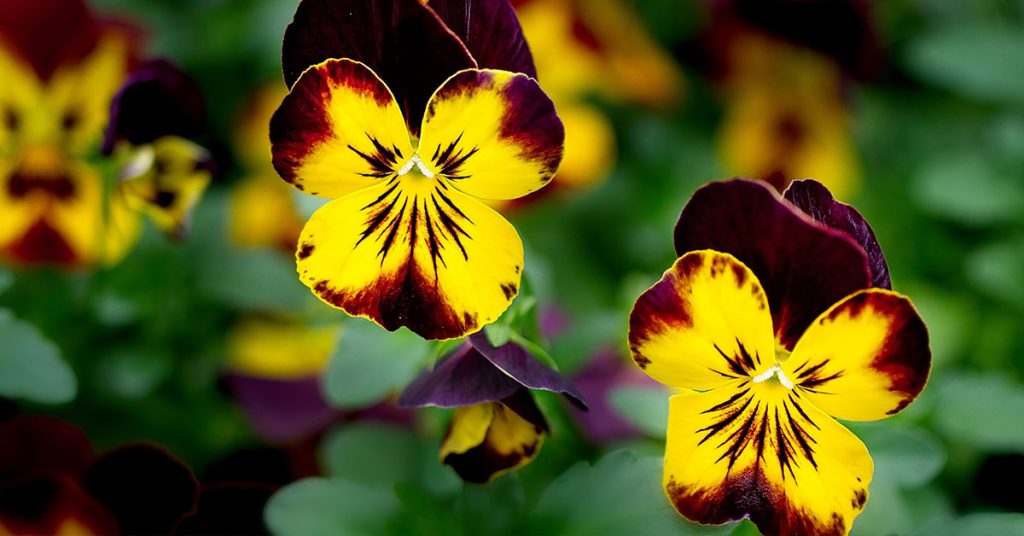
Pansies thrive in cooler temperatures, offering brilliant purples, blues, and yellows as early as late winter in mild regions. Yet they tend to fade once summer heat arrives. Enter marigolds, which revel in warm, sunny days and keep their golden, orange, and crimson blooms coming through the hottest months! Planting them side by side ensures your beds remain a riot of color from frost‑kissed mornings all the way to the first autumn chill.
This seamless transition cuts down on deadheading and replanting—you’ll spend less time swapping out spent pansies and more time enjoying uninterrupted floral fireworks. I love how this duo seems to pass the torch: pansies hand off to marigolds, and marigolds send a friendly wave back to any cool‑season bulbs you’ve tucked in later!
Natural Pest Control
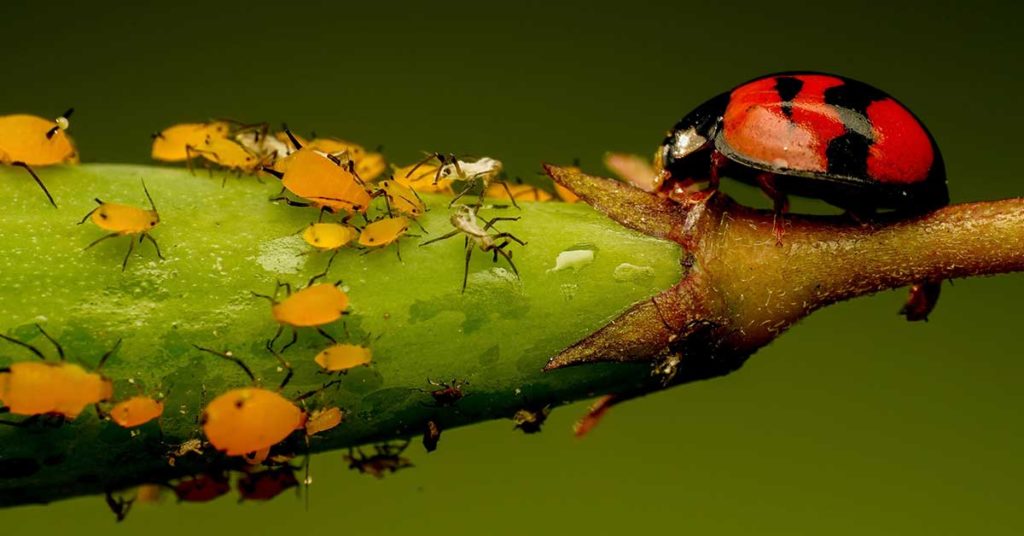
Marigolds are famous for secreting compounds that repel root‑knot nematodes and certain soil‑borne pests, protecting pansies’ delicate roots from unseen attacks. Meanwhile, the broad leaves of pansies can serve as sacrificial trap plants, luring aphids away from more vulnerable neighbors. When you tuck these two together, you’re essentially creating a living pest‑management team in your flowerbeds!
This synergy reduces the need for chemical sprays. I’ve watched slugs skirt around a line of marigolds, opting instead for the tender shoots of less‑protected plants, and pansies seem to distract aphid swarms long enough for ladybugs to swoop in. You get a healthier, happier garden ecosystem without lifting a sprayer!
Vibrant Color Contrast

Few combinations rival the show‑stopping contrast of cool‑toned pansy petals against the fiery warmth of marigolds. This dynamic pairing creates eye‑catching focal points in borders, containers, or windowboxes. One of my favorite garden spots features deep violet pansies hugged by bright orange marigolds—it’s like Mother Nature’s own fireworks display!
Beyond aesthetics, this visual interplay also helps beneficial insects locate flowers more easily. Pollinators and predatory insects often learn to associate specific color cues with nectar or prey, making your garden more functionally efficient as well as stunningly beautiful.
Low‑Maintenance Duo

Both pansies and marigolds flourish in average garden soil amended with compost, requiring little fuss once established. Pansies benefit from regular deadheading, while marigolds generally self‑clean by dropping spent blooms—together, they balance each other’s upkeep needs! I find that a single weekly check‑in for watering and trimming keeps the entire bed looking fresh and vigorous.
Neither plant is prone to aggressive spreading: pansies rarely outcompete neighbors, and marigolds, while they self‑seed, remain well‑behaved when old flower heads are removed. This means you get continuous color and interest without an ever‑expanding chore list!
Edible and Fragrant Accents
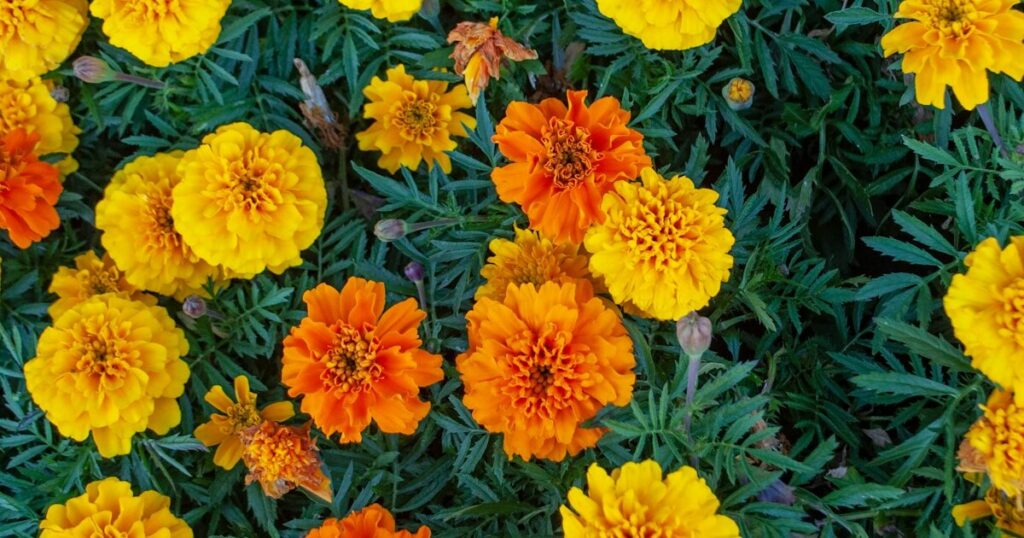
Pansy petals are edible, with a mild sweetness that makes a charming garnish for salads, desserts, or ice cubes. Marigold petals—particularly those of Tagetes tenuifolia—add a tangy, citrusy note to dishes and potpourri. Combined in a mixed herb garden, they offer both ornamental and culinary value!
Encouraging bees and hoverflies with these companion blooms also enhances pollination for your edible plants. You’re not just planting pretty flowers; you’re cultivating a multifunctional garden that tantalizes taste buds and supports local pollinators in one delightful swoop!
Space‑Efficient Layering
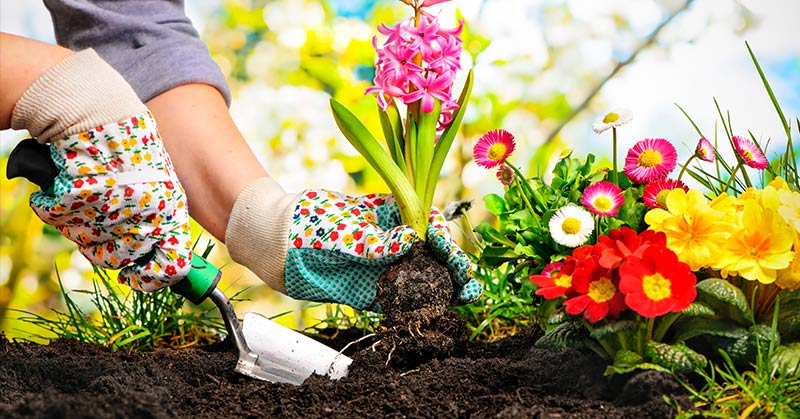
Pansies stay low, hugging the soil at about 4–6 inches tall, while marigolds often reach 8–12 inches or more. This height difference allows you to layer them—pansies as a vibrant groundcover and marigolds as a mid‑border backdrop. I love maximizing small garden plots this way: you get twice the color without overcrowding!
The layered foliage also shades soil around pansy roots, helping to retain moisture and cool the ground—especially welcome during warmer spells. Meanwhile, marigolds enjoy the extra airflow at their tops, reducing humidity and disease risk. It’s a harmonious setup that benefits both plants.
Disease Suppression

Certain marigold species release compounds that inhibit soil‑borne fungal pathogens, reducing the incidence of damping‑off and root rots that can plague pansy seedlings. By planting marigolds around young pansies, you create a protective halo—like having a fungal shield embedded in your flowerbed!
Pansies themselves are relatively resistant to common leaf diseases, but crowded plantings can foster mildew. Alternating their mounded forms with marigolds’ airy canes improves airflow, minimizing conditions that fungi love. You end up with clean foliage, sturdy stems, and more blooms to admire!
Soil‑Enriching Companionship

Both plants thrive in compost‑amended beds, and their combined leaf litter returns different organic textures to the soil as it breaks down. Pansy leaves decompose quickly, boosting the microbial activity that benefits all your garden plants. Marigold debris, rich in beneficial secondary compounds, helps cycle nutrients back into the earth.
This continuous layering of organic matter improves soil structure, moisture retention, and nutrient availability—so your next round of plantings, whether veggies or perennials, gets a richer foundation. Your garden evolves into a living, self‑renewing system!
Versatile in Containers and Beds
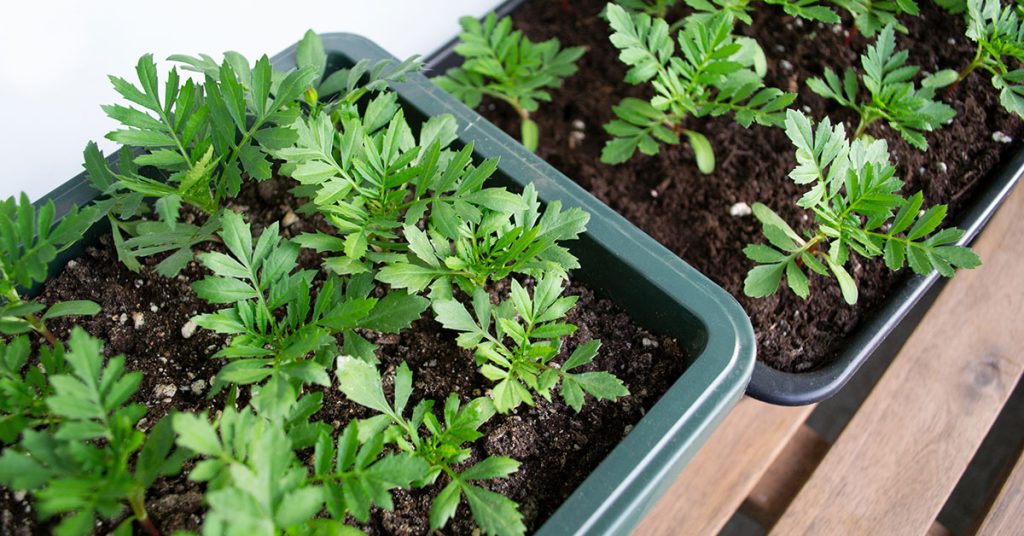
Whether you’re filling windowboxes, patio pots, or cutting‑garden trenches, pansies and marigolds adapt beautifully. Their contrasting forms and colors work equally well in mixed containers or formal bed designs. I’ve even tucked them into hanging baskets for a cascading effect that delights all season long!
Container gardening also lets you move the pair to chase sun or shade as needed—perfect for gardeners with variable light conditions. No matter your space or style, this duo brings effortless elegance and ecological balance wherever they grow!