

Compost is like liquid gold for the garden—rich in organic matter, teeming with beneficial microbes, and gently feeding plants without the risk of burning roots. As a gardener, I know how tempting it is to rely on quick‑fix granular fertilizers, but there’s something so satisfying about watching plants gobble up dark, crumbly compost and reward you with vigorous growth. Whether you’re battling nutrient‑poor soil or simply want to garden more sustainably, choosing plants that thrive on compost can transform your beds into lush, vibrant havens!
In this article, I’m thrilled to share fifteen of my favorite heavy‑compost lovers—from sun‑chasing zinnias to shade‑tolerant hostas. We’ll explore each plant’s native origins and potential invasiveness, plus tips on attracting pollinators or beneficial insects that might nest among their foliage. I know how discouraging it can be when seedlings struggle in tired soil, so let’s dive into these compost‑loving beauties and get your garden flourishing with minimal granular inputs!
Zinnias
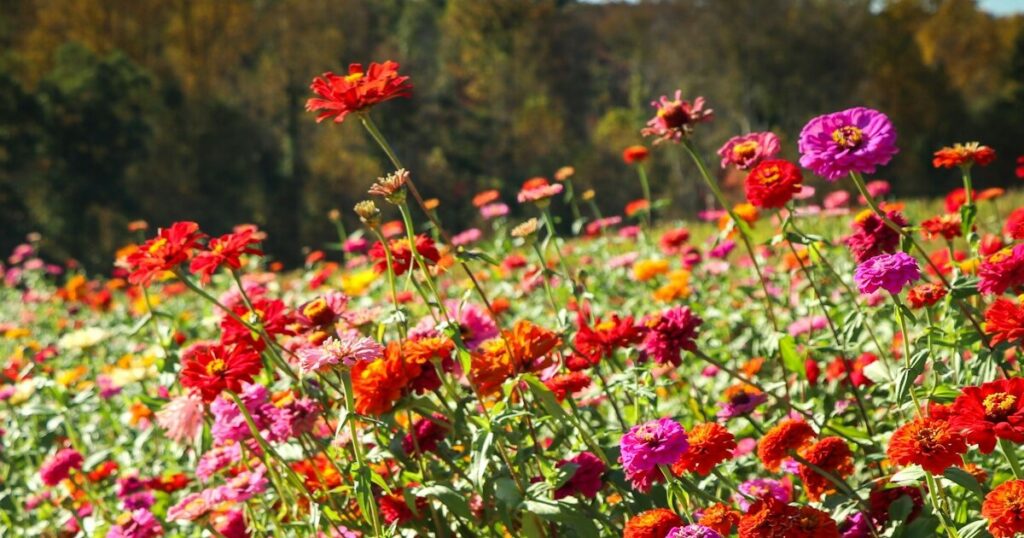
Zinnias hail from Mexico and Central America, thriving in well‑drained beds enriched with plenty of organic matter. These annuals absolutely revel in compost, which fuels their explosion of bold, daisy‑like blooms! As a pollinator magnet, zinnias attract a rainbow of butterflies and native bees—often nesting nearby in bare patches of soil—and their sturdy stems resist lodging when fed compost regularly.
Though they self‑seed readily, zinnias aren’t generally invasive in most regions. Regular deadheading keeps energy directed toward fresh flowers rather than endless seeding, and adding a top‑dressing of compost mid‑season extends their bloom period dramatically. It’s such a joy to mulch these beds with compost and watch them pop into their full, vibrant glory!
Tomatoes

Originally from the Andes region, tomatoes are classic compost enthusiasts, responding to frequent side‑dressings with lush foliage and bountiful fruit! Incorporating mature compost into planting holes and as a surface dressing throughout the season encourages strong root systems and prevents blossom‑end rot by improving moisture retention and calcium uptake.
Tomatoes can volunteer in warm climates, but they rarely become invasive if pruned and supported properly. Compost helps suppress soil‑borne diseases and fosters beneficial microbes that fend off pathogens—so you spend less time battling blight and more time savoring those juicy red orbs straight from the vine!
Hostas
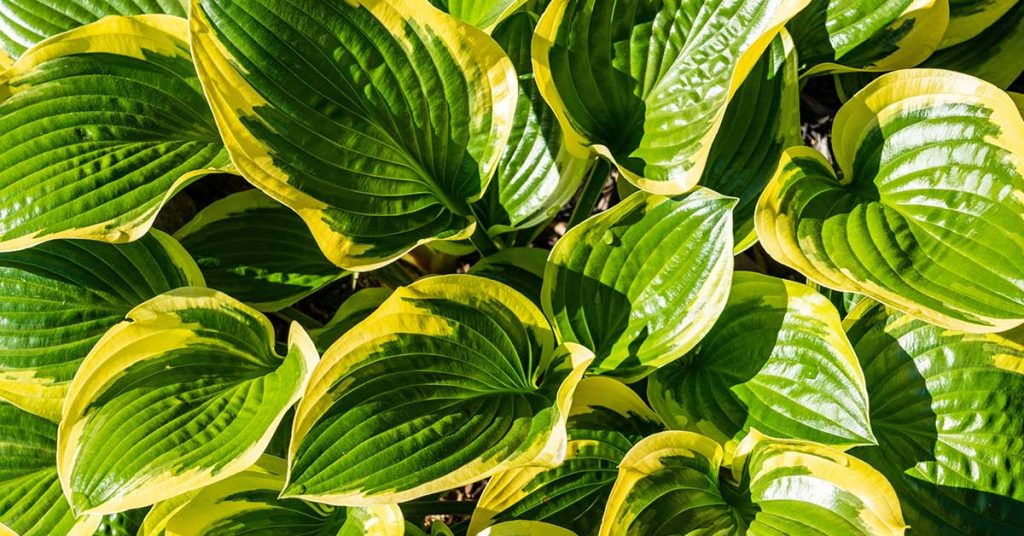
These shade‑loving perennials originated in northeast Asia and are prized for their broad, textured leaves. While they’re not heavy feeders like annuals, hostas develop deeper roots and fuller foliage when their soil is enriched with a thick layer of compost each spring. I’ve seen them go from scrawny to sumptuous simply by swapping a bag of granular feed for homemade compost!
Hostas can spread via rhizomes, but they’re well‑behaved in most gardens. The added organic matter attracts ground‑nesting bees and predatory insects that help keep slugs—their perennial nemesis—at bay. There’s nothing more satisfying than hearing a gentle “pop” of compost as you fluff the soil around these beauties!
Dahlias
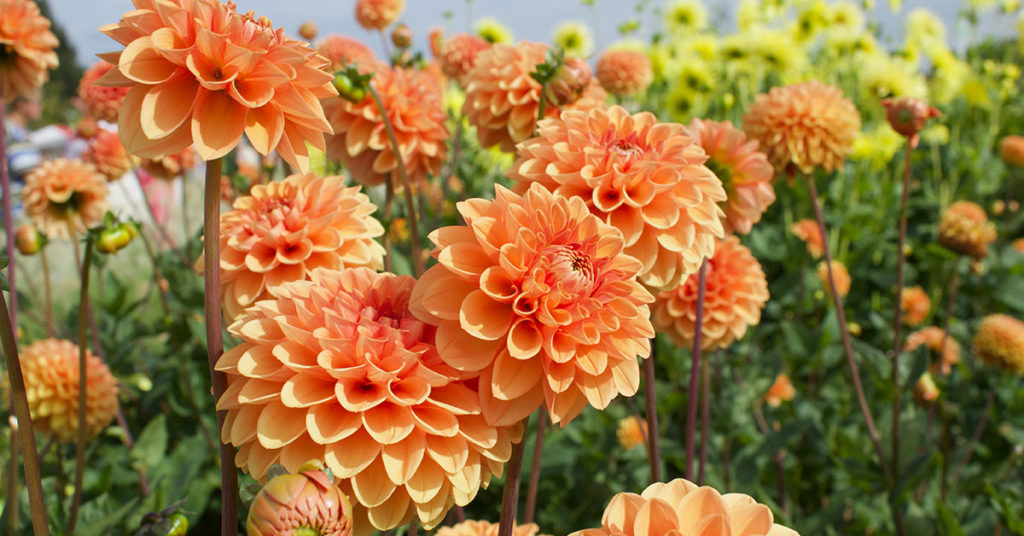
Dahlias trace back to Mexico and Central America, where they grow in nutrient‑rich soils. In your garden, they reward generous compost with dramatic blooms on strong, upright stems! Compost encourages the tubers to multiply, giving you more corms to lift and replant next year. I love waking up to see their vibrant petals unfurl every morning!
These tuberous perennials are not invasive, but they do appreciate loose, organic‑rich soil to expand. Surrounding dahlia beds with compost also invites beneficial hoverflies and lacewings that prey on aphids—making pest management feel almost effortless.
Beans
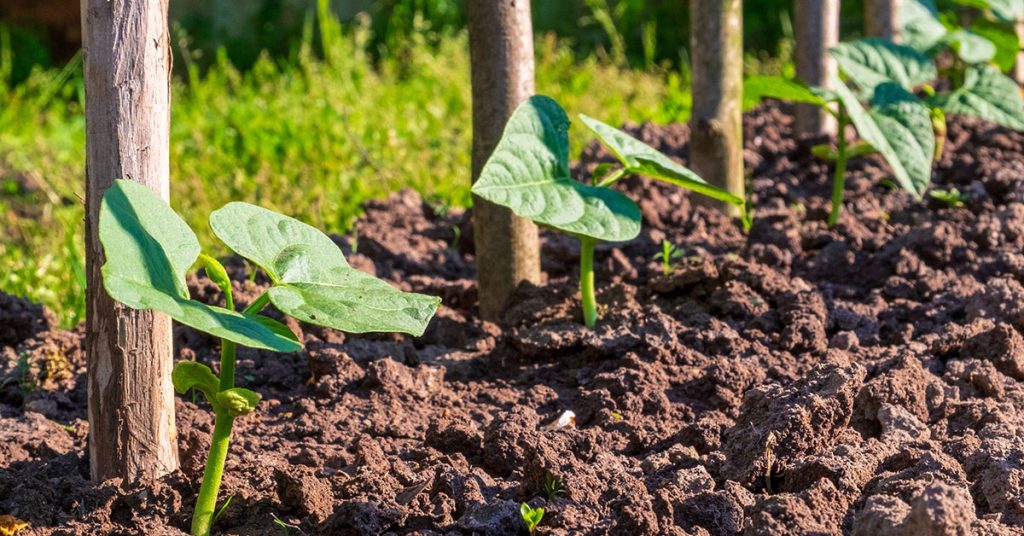
Whether pole or bush types, beans hail from Central and South America and favor light, friable soil rich in compost. Adding compost at planting supplies balanced nutrients and encourages robust nodulation with nitrogen‑fixing bacteria, so vines or bushes stay leafy and productive!
Beans rarely become invasive, though volunteers can pop up if left to dry on the plant. The decomposing compost also nurtures ground‑dwelling beetles and earwigs that forage for pests, turning your bean rows into a mini‑ecosystem of natural pest control.
Basil
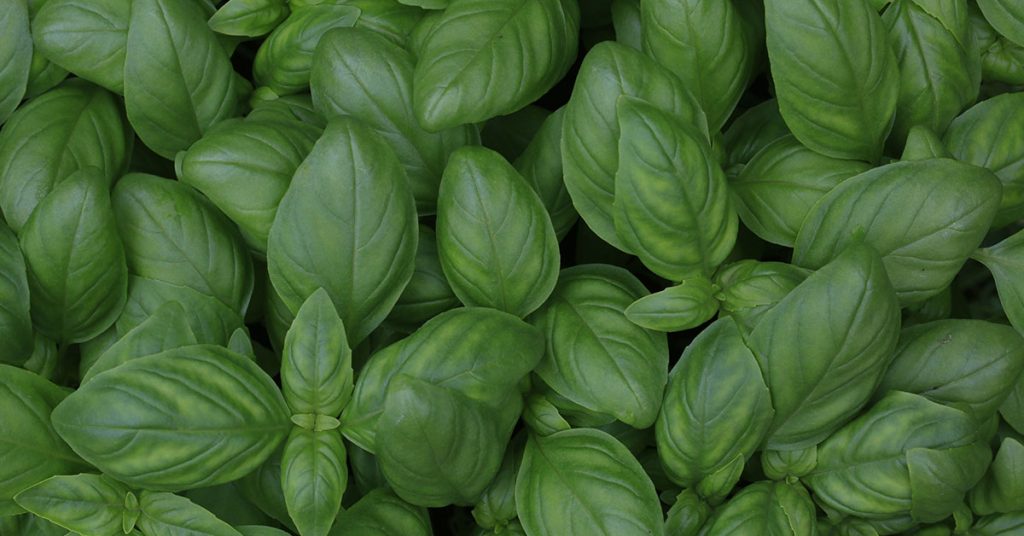
Native to tropical regions of Asia and Africa, basil loves the richness of compost to fuel its aromatic growth. I sprinkle compost around my plants every few weeks, and the difference is astounding—leaf sets double, and the fragrance intensifies! Those lush mounds then beckon hoverflies and predatory wasps that nest in nearby debris, keeping aphids in check.
Basil is rarely invasive, but pinching out flower heads ensures energy goes into leaf production. With compost as its primary feed, basil develops thicker stems, reducing the flop that often plagues this tender herb in humid climates!
Roses

Cultivated for millennia from wild species across Europe and Asia, roses flourish when planted in soil amended with well‑rotted compost. Feeding with compost not only supports dramatic bloom cycles but also enriches the soil structure around the roots, preventing compaction from heavy canes.
While some wild roses can naturalize aggressively, most modern garden varieties behave well when deadheaded regularly. Birds often nest in dense rose hips late in the season, so think of your compost‑fed roses as wildlife condos as well as floral showstoppers!
Ferns

Ferns trace back to ancient forests worldwide and thrive in humus‑rich woodland soil. Adding a generous layer of compost under their fronds replicates that natural forest floor, encouraging lush, arching foliage. I find that compost also boosts the populations of springtails and earthworms—those unsung heroes that keep fern roots healthy!
Most garden ferns are not invasive, though a few can spread by underground rhizomes. Regularly refreshing compost helps maintain an even soil texture, preventing overly aggressive spread while keeping your shady borders looking verdant and alive.
Lettuce
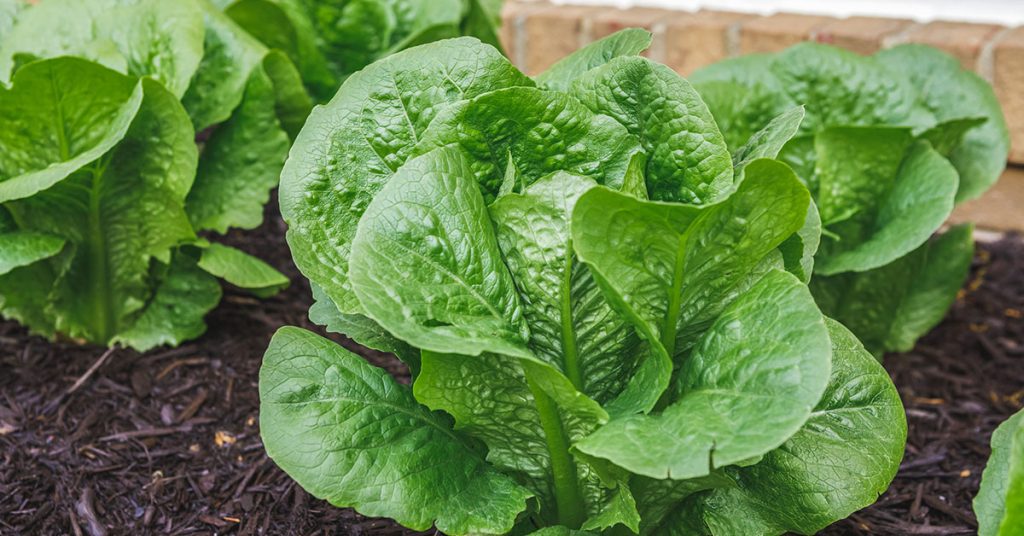
Domesticated from wild species in the Mediterranean region, lettuce humbly appreciates the steady, balanced nutrient release that compost delivers. In my beds, a side‑dressing of compost every three weeks leads to crisp, tender heads without bitterness—and far fewer disappointments when the weather fluctuates!
Loose compost also improves drainage, reducing the risk of root rot in cooler soils. As lettuce matures, it attracts beneficial syrphid fly larvae that help manage aphid outbreaks—nature’s little gardeners working on your behalf!
Cosmos
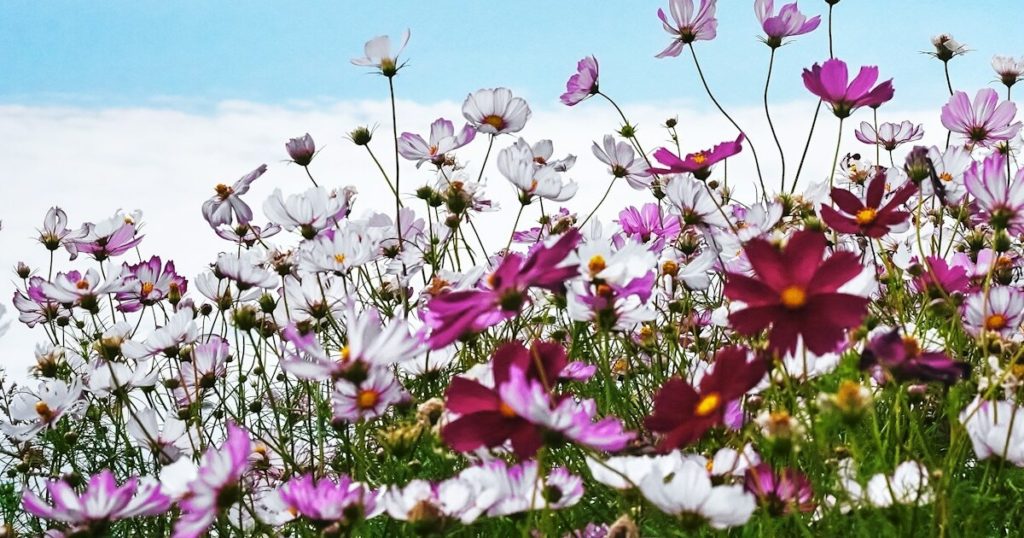
Native to Mexico and Central America, cosmos revel in well‑draining soil enriched with compost. Their tall, airy blooms flutter in the breeze, attracting a host of pollinators and providing nesting spots for tiny solitary bees. I always spot mason bees carving out tiny tunnels in nearby soil, all thanks to the hospitable environment compost creates!
Though they self‑seed freely, cosmos seldom become unruly. By topping up the soil with compost each season, you’re ensuring strong stems that resist flopping, plus a continuous flush of flowers from early summer until frost.
Squash
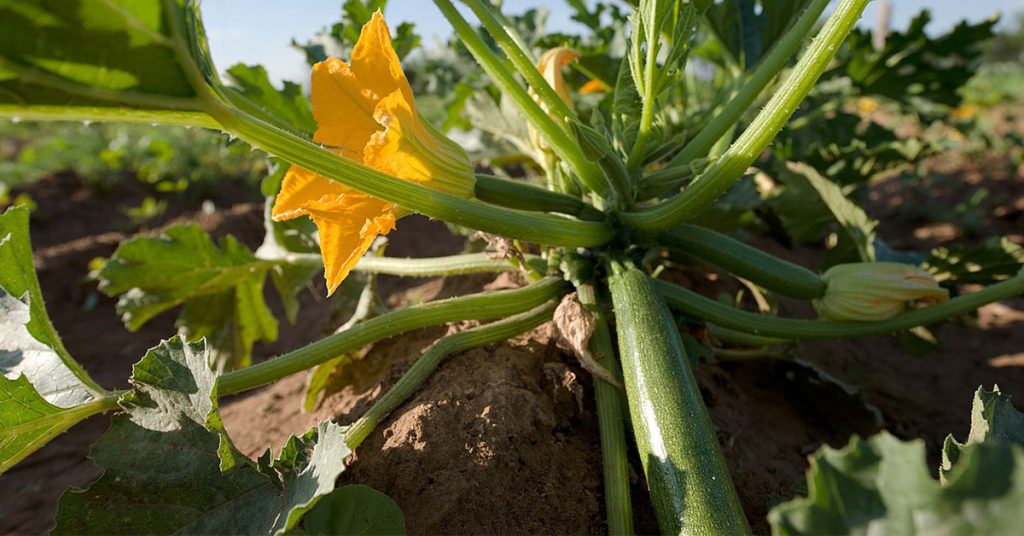
Squash varieties—courgettes, pumpkins, and winter squash—originated in the Americas and demand fertile soil brimming with organic matter. Incorporating compost into planting hills gives young plants a nutrient boost, leading to vigorous vines and hefty fruit!
Because squash can sprawl vigorously, they sometimes encroach on neighbors, but rarely invade beyond your patch. The microbial activity spurred by compost also helps decompose fallen leaves and fruit, closing the nutrient loop in your garden.
Hydrangeas
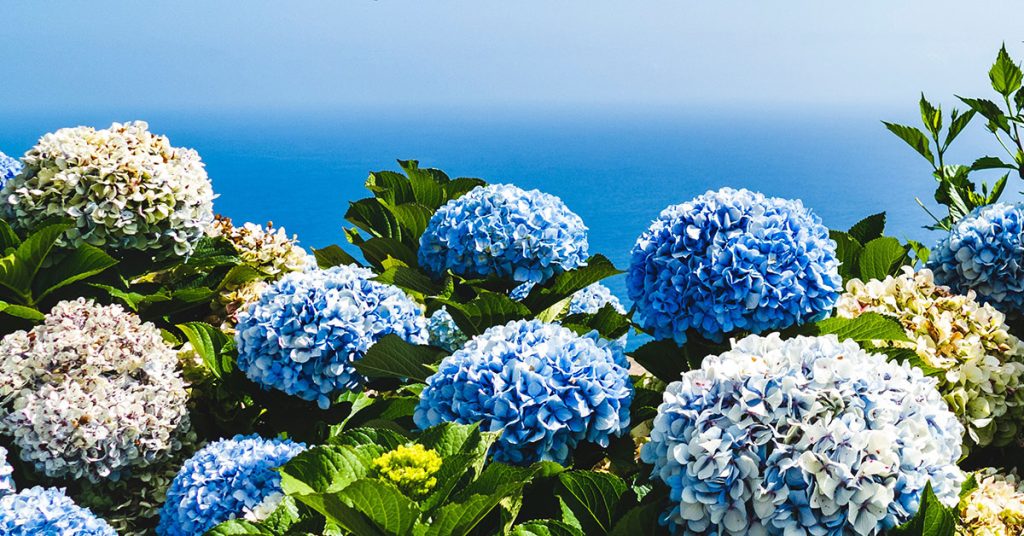
Native to Asia and the Americas, hydrangeas love moisture‑retentive, compost‑rich soil, especially in alkaline to neutral pH. My mopheads and lacecaps developed richer hues and fuller blooms after several annual compost applications—you can almost see them swell with gratitude!
Hydrangeas aren’t invasive in most locales, though some species self‑seed sparingly. Compost keeps the soil evenly moist without waterlogging, preventing root issues while attracting ground beetles that patrol for slugs, your hydrangea’s slimy adversaries.
Cucumbers
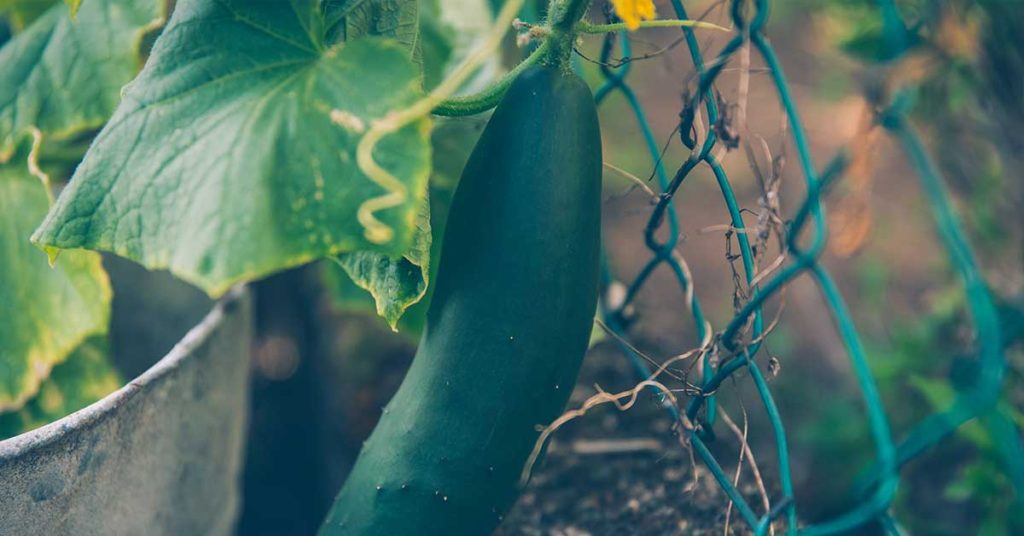
From South America originally, cucumbers reward compost with swift growth and bountiful fruit. A well‑composted planting bed supplies the consistent moisture and nutrients they crave, preventing bitter “blossom‑end rot” and encouraging strong vines that hug trellises beautifully!
Cucumbers can volunteer in warm climates, but are easily managed by harvesting and tidying vines. Compost also invites beneficial nematodes that patrol for cucumber beetles underground, giving you an extra defense against these leaf‑chewing pests.
Blueberries
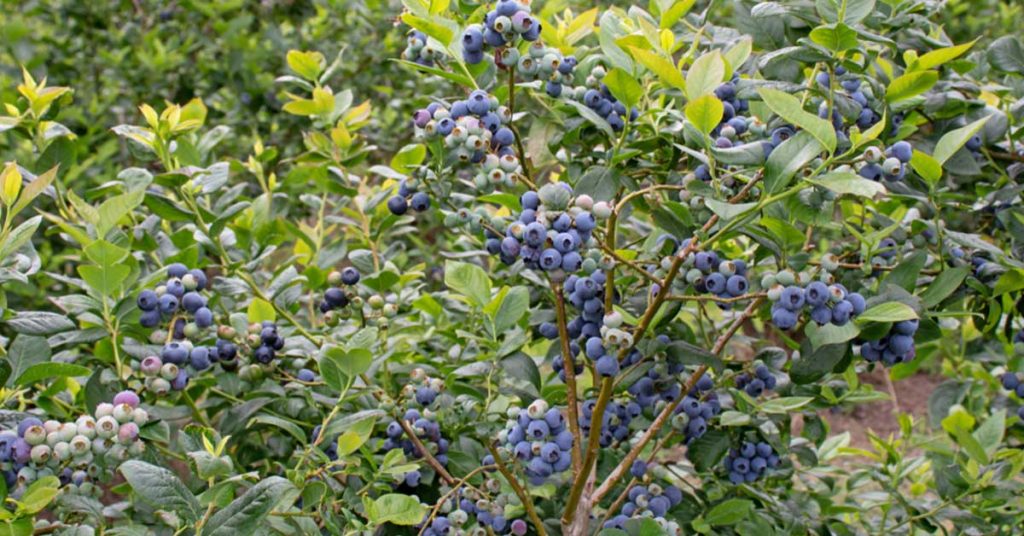
Blueberries are native to North America’s acidic forests and love compost that subtly buffers pH while supplying organic matter. Mixing compost with peat or pine fines creates the ideal rooting mix—resulting in plumper berries and glossy foliage!
Self‑fertilizing through rhizobial associations, blueberries rarely become invasive. The same compost that feeds them also harbors ericoid mycorrhizal fungi, essential partners that boost nutrient uptake. Watching those branches bend under the weight of ripening fruit is one of gardening’s sweetest rewards!