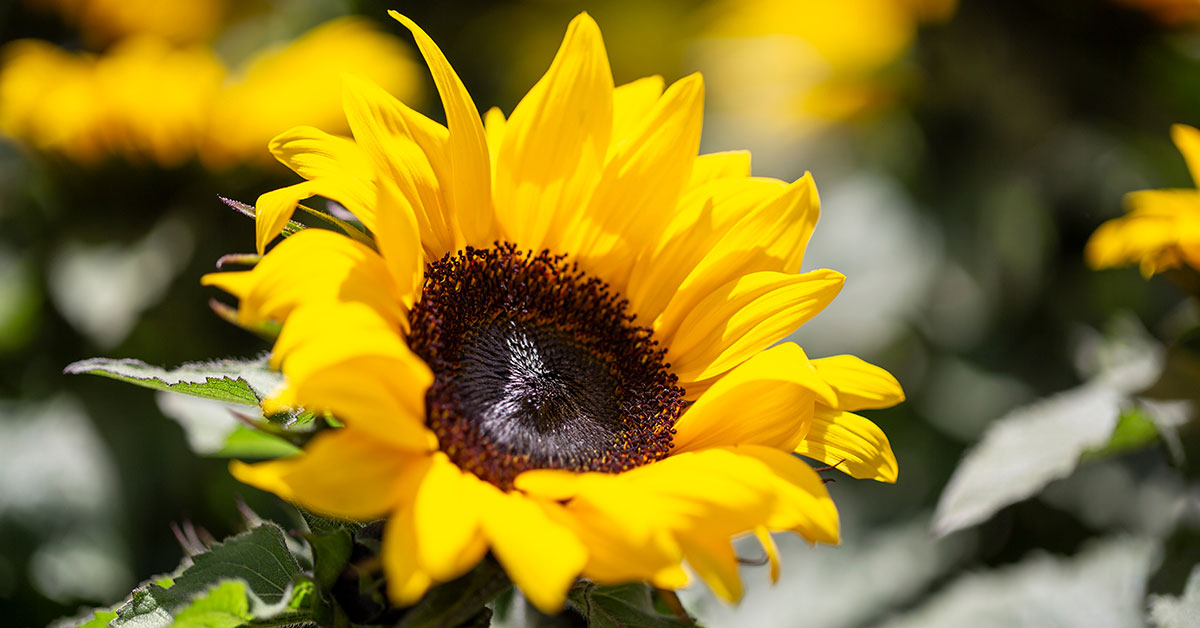

I’ll never tire of that moment when a towering sunflower greets me as I step onto the porch—with its sunny face brightening even the dreariest morning commute! Sunflowers (Helianthus annuus), native to the plains of North America, have been beloved by gardeners for centuries, admired by Indigenous communities for both their beauty and utility. There’s something incredibly welcoming about those bold yellow petals arching toward the sky, as if your home itself is reaching out in friendship.
Yet beyond their cheerful looks, sunflowers offer a host of practical benefits—pollinator magnets, snack providers, and even natural screens. Whether you’re battling pests, craving a burst of summer color, or looking for a living science lesson for the kids, placing sunflowers by your front door transforms an ordinary entrance into a vibrant, multifunctional gateway. Let’s dive into ten compelling reasons why sunflowers deserve a prime spot at your doorstep!
Stunning Curb Appeal
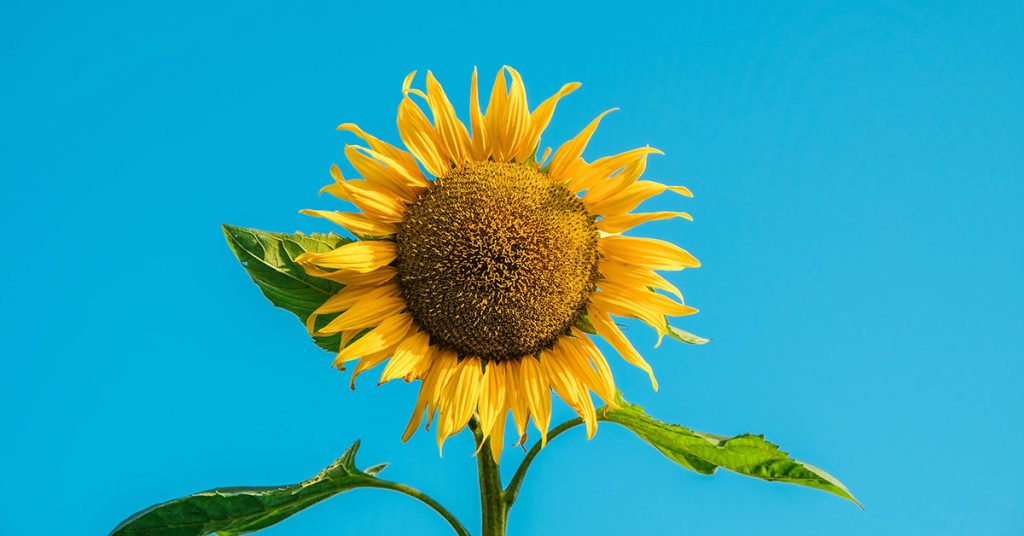
Few plants make as bold a statement as the classic golden sunflower. Their towering stalks and giant flower heads create an eye-catching vertical accent that draws the eye directly to your entrance. I remember the first time I planted ‘Autumn Beauty’ mix by my door—neighbors slowed down to admire the copper, auburn, and gold blooms, and my front walkway felt instantly elevated!
Moreover, sunflowers come in a rainbow of cultivars—from the petite ‘Teddy Bear’ with its fluffy double petals to the dramatic ‘Moulin Rouge’ with deep burgundy faces—so you can tailor the aesthetic to suit your home’s style. Even in small spaces, a cluster of medium-height varieties frames your doorway like living columns, adding instant charm and personality.
Attracts a Diverse Pollinator Team
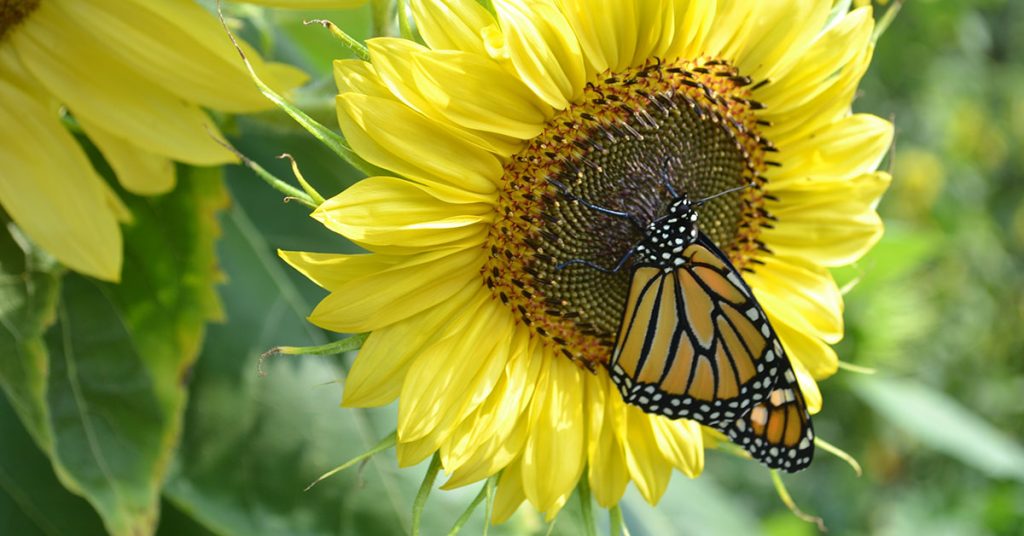
Sunflowers are true pollinator magnets! Their open-faced blooms are like all-you-can-eat buffets for honeybees, bumblebees, and native solitary bees, which dart among the florets collecting nectar and pollen. I love watching the constant hum of activity on a sunny afternoon—each little bee on a sunflower feels like a tiny ambassador for healthy ecosystems!
Beyond bees, sunflowers also entice butterflies—especially swallowtails—and even hummingbird moths at dusk. These visitors not only boost your own garden’s fruiting and flowering but also provide a dynamic, ever-changing display right at your front step. A sunflower-studded entryway practically buzzes with life and energy.
Provides Birds With Natural Feeders

Once the petals fade, those big seed heads become a bounty for birds. Goldfinches, chickadees, and sparrows flock to sunflower heads, plucking out seeds with surprising precision. I’ve posted thrush-soaked sunflower wreaths right on my porch rail, and within days the chittering chorus of finches has taken over—a beautiful morning serenade!
If you leave a few heads standing through fall and early winter, they offer a life-saving food source when other seeds have run scarce. And because sunflowers are native to North America, local bird species have co-evolved to trust and return to these familiar feeders season after season.
Easy, Low-Fuss Cultivation

Sunflowers thrive in full sun and adapt to a variety of soils, from rich loams to the poorer soils that stump fussy bloomers. Simply loosen the top few inches, sow seed about an inch deep, and keep the soil moist until germination—usually within 7–10 days. I recall my very first batch germinating during an unexpected heatwave, marching skyward with minimal fuss!
Once established, most sunflower varieties tolerate brief dry spells and resist common garden pests. They need little more than staking for the tallest cultivars and an occasional dose of balanced fertilizer. If you’re new to gardening, nothing beats the instant gratification of tiny seeds transforming into giant sun-kissed flowers with minimal labor.
Creates a Welcoming, Inviting Atmosphere
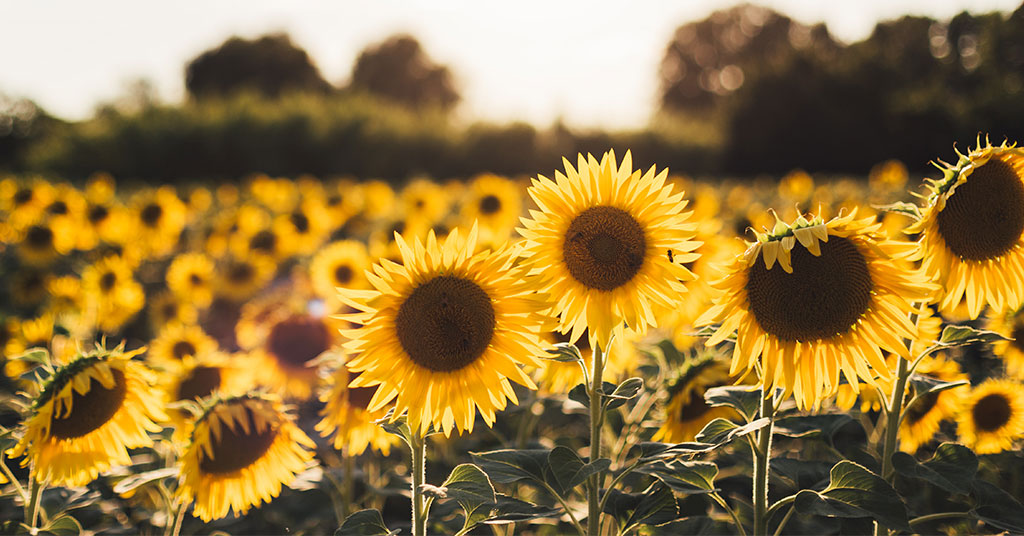
Sunflowers exude warmth and hospitality—qualities you want greeting guests at your doorstep. The vertical structure creates a natural “gateway,” while the sunny hues seem to say, “Come on in!” In my own garden, I’ve paired sunflowers with climbing sweet peas on a trellis framing the door; the combination of golden blooms and delicate pastel vines feels like a bespoke welcome mat in living color.
That welcoming vibe isn’t just for humans. Beneficial insects like ladybugs and lacewings also gravitate toward sunflower stands, taking refuge among the stalks and feasting on aphids that might otherwise venture into your flower beds. It’s a dual-purpose display: aesthetic greeting committee by day, pest patrol headquarters by night!
Offers Natural Shade and Privacy

Tall sunflower varieties, reaching up to 10 feet or more, can serve as living privacy screens. If your porch is overlooked by neighbors or passing foot traffic, a row of giant sunflowers creates a semi-transparent barrier that softens sightlines without cutting off airflow. I once lined a narrow stoop with sunflower giants, and suddenly my morning coffee spot felt like a hidden garden nook!
The broad leaves also cast dappled shade, helping keep entryway steps or potted companions cooler during midday heat. For sun-sensitive plants near the door—like begonias or ferns—the shade from sunflower canopies can prevent scorching, fostering a microclimate of balanced light and temperature.
Great for Cut Flower Displays

Few blooms rival sunflowers in impact when cut for bouquets. One sturdy stem per vase can fill a corner with brilliance, or combine multiple colors for a riot of summer hues. I delight in snipping a few day-after-bloom heads each morning, filling my front-entry vase with a fresh arrangement that doubles as an indoor “hello” to houseguests!
Sunflowers have an impressive vase life—often a week or more when recut and given fresh water daily. Their tough stems and large faces make them the backbone of mixed bouquets, so you can pair them with zinnias, cosmos, or even long-lasting foliage like eucalyptus for a lasting, dynamic display.
Educational Fun for Kids

Watching sunflowers grow from seed to towering bloom offers an invaluable hands-on lesson in plant biology. Kids can measure height daily, chart growth, and observe real-life pollinator visits—turning your front yard into an open-air classroom. My niece once tracked sunflower heights as a summer project, learning fractions and data recording without even realizing she was “doing math”!
Planting different varieties side-by-side introduces concepts of genetics and selective breeding, as children compare petal shapes and bloom sizes. Plus, harvesting seeds teaches responsibility and nutrition when those seeds become snacks—a multilayered educational experience rooted right at your doorstep.
Natural Companion for Pest Management
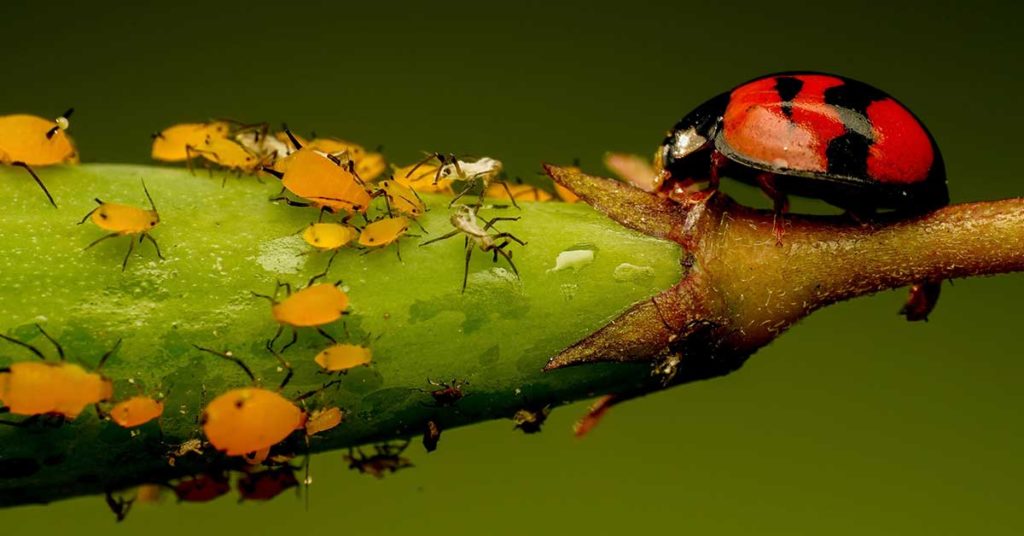
Sunflowers can serve as trap crops, drawing aphids, leafhoppers, and whiteflies away from more delicate neighbors. They exude chemical signals that entice these pests, concentrating infestations on their sturdy foliage rather than vulnerable blooms elsewhere. I strategically plant early-flowering sunflowers beside my rose beds, and I’ve noticed fewer aphid outbreaks on my roses as a result!
Furthermore, the crowded stems provide hunting grounds for predatory insects—ladybugs and lacewings love to patrol the sunflower jungle, keeping sap-sucking pests in check. This symbiosis reduces the need for chemical interventions, letting you enjoy a healthy garden ecosystem with minimal fuss.
Seeds for Healthy Homemade Snacks
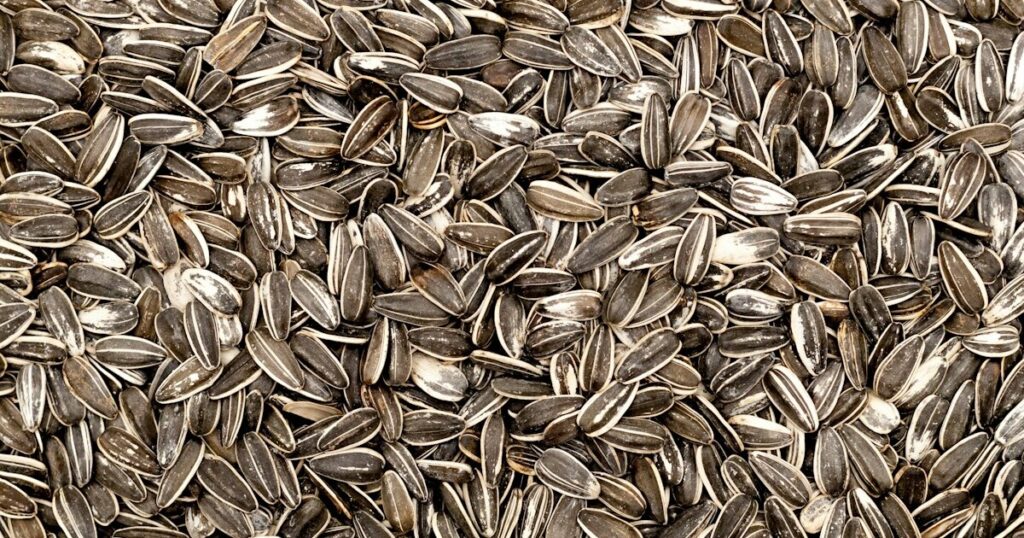
Finally, sunflowers reward you not only with beauty but with nutritious seeds high in protein, healthy fats, and vitamin E. Once the birds have had their share, you can harvest remaining seeds, roast them with a dash of salt or spices, and enjoy a wholesome snack harvested from your own doorstep. I always look forward to the day when I can crack open my homegrown seeds—there’s a special satisfaction in tasting sunshine!
Additionally, pressing some seeds into your soil in spring can generate new volunteer plants the following year, continuing the cycle of color, wildlife support, and snack production. Just remember to leave a few heads for the birds and the bees—sharing is part of the sunflower magic!