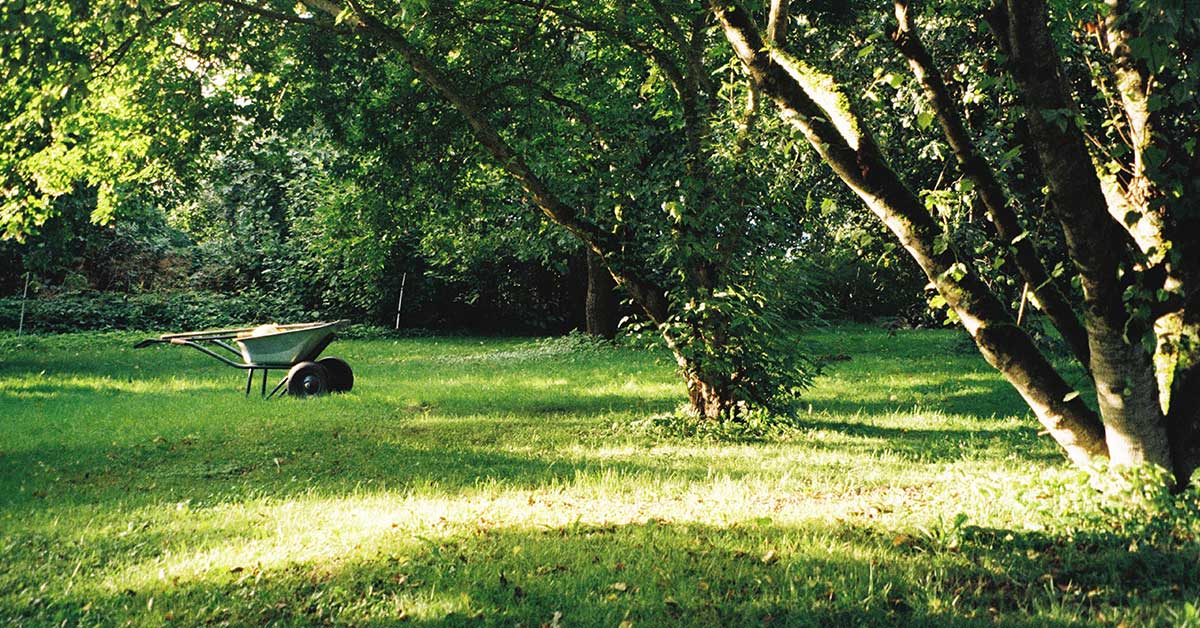

Summer’s searing sun can turn even the most verdant turf into a dusty brown carpet before you know it, and trust me, I’ve felt that sinking feeling when my once-lush lawn starts wilting under relentless heat! It’s such a bummer watching your hard work fade away, but with the right care, you can keep those blades alive and vibrant through the hottest days. From adjusting mowing habits to choosing the right grass varieties, each strategy helps your lawn fend off heat stress and stay resilient.
In this guide, I’ll share thirteen detailed tips—backed by practical know-how and botanical insights—to help your lawn thrive when temperatures soar. We’ll delve into everything from soil health and watering techniques to smart planting choices, and even how to enlist nature’s little helpers like earthworms and bees. So slip on your gardening gloves and let’s get started on turning your scorched patch into a summer success story!
Core Aeration to Relieve Soil Compaction

Soil compaction under blazing heat suffocates grassroots, preventing water and oxygen from reaching where they’re needed most. By core aerating—removing small plugs of turf and soil—you restore pore spaces, allowing deep moisture infiltration and root expansion. I remember the first time I aerated my clay-heavy yard: the difference in water penetration was astonishing, and the grass bounced back faster than I’d dared hope!
Aeration also encourages earthworms to do their magic. These beneficial invertebrates, native to Eurasian woodlands but now spread globally, burrow through soil, further improving structure and nutrient cycling. Their tunnels create natural drainage channels that help your lawn shed excess surface heat and moisture, giving you a cooler, more robust turf.
Adjust Mower Height to Shade Grass Crowns

When the mercury climbs, raising your mower blade to around 3–3½ inches helps grass blades shade the soil, reducing evaporation and keeping root zones cooler. Cutting too short—common with aggressive low-mow bluegrass mixes like Kentucky bluegrass (native to Europe, now naturalized in North America)—can stress the lawn and expose roots to sunscald. I’ve found that a few extra clicks on the deck lever in July can make a world of difference!
Higher grass height also creates more leaf surface for photosynthesis, boosting carbohydrate reserves that sustain the plant during drought stress. Plus, longer blades form a protective barrier against soil erosion during sudden summer storms, helping beneficial soil microbes and ground beetles—little predators of lawn pests—remain sheltered under that canopy.
Deep, Infrequent Early-Morning Watering
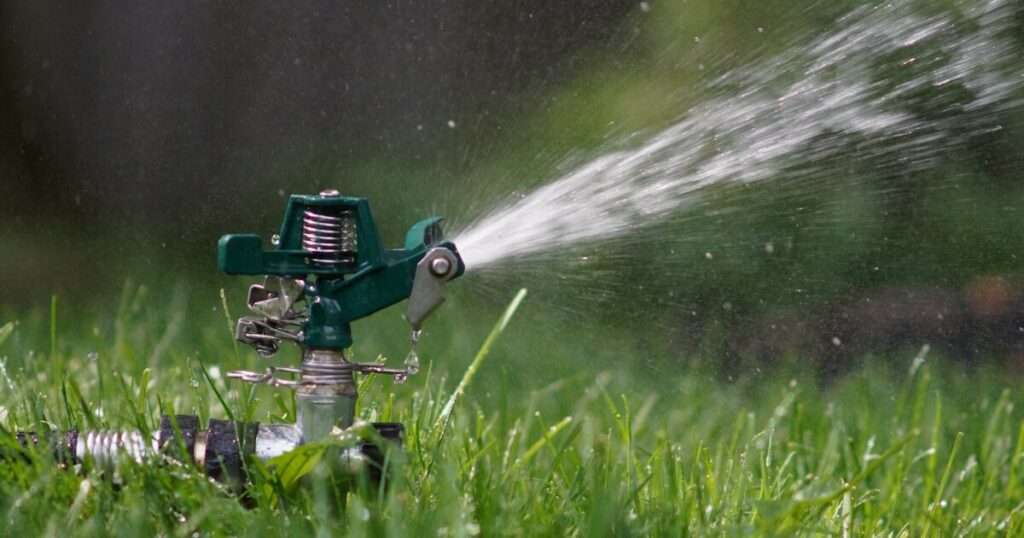
Letting your lawn soak up about one inch of water once or twice a week—ideally before sunrise—encourages roots to grow deeply, tapping moisture reserves below the surface. Shallow, daily sprinkling promotes superficial roots, making grass more vulnerable to heat and drought. On one blistering July morning, I swapped my usual evening sprinkling for an early-dawn irrigation and was amazed at how much greener everything looked by noon!
Early-morning watering also minimizes fungal disease risk, since dew dries off quickly in the sun. Encouraging bees and butterflies to visit your clover or flowering groundcovers is easier when leaves aren’t waterlogged, promoting healthy pollinator behavior and helping your lawn ecosystem stay in balance even under high heat.
Overseed with Heat-Tolerant Varieties
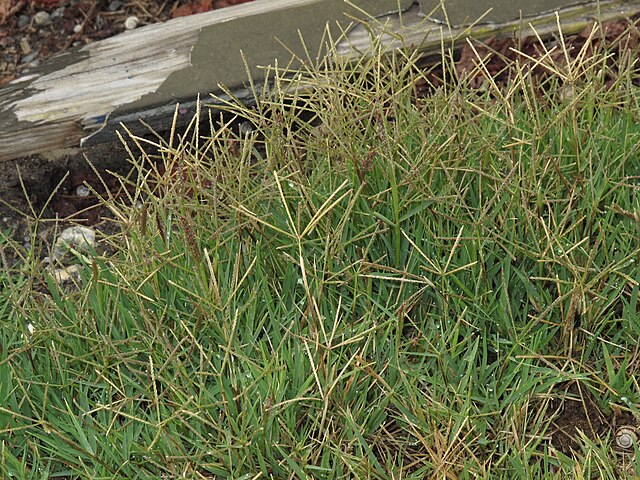
Introducing warm-season grasses like bermudagrass (Cynodon dactylon), native to Africa but now widespread—and sometimes invasive—in many regions, can bolster your lawn’s summer resilience. Their C4 photosynthetic pathway excels under high temperatures, keeping turf green when cool-season grasses flag. I once overseeded thin fescue stands with a tough bermuda blend, and the mosaic effect provided lush coverage all summer long!
Similarly, consider zoysiagrass (Zoysia japonica), which originated in Southeast Asia and thrives in heat and humidity. Its deep, creeping rhizomes break up compacted clay soils and crowd out weeds, creating a durable turf surface that tolerates foot traffic even during heatwaves.
Dethatch to Enhance Water Penetration
A thick thatch layer—dead grass stems and roots—blocks water and fertilizer from reaching the soil. Using a dethatching rake or power rake every couple of years, especially before summer, allows rain and irrigation to infiltrate deeply rather than sit on the surface. I remember battling spongy, yellowing turf until I dethatched one spring; the improvement in moisture uptake was immediate and drastic!
Once the old debris is removed, the exposed soil becomes an inviting site for beneficial springtails and ground-nesting solitary bees, which help recycle organic matter into rich humus. This biological activity further improves soil structure and resilience against heat stress.
Apply Slow-Release, Low-Nitrogen Fertilizer

Feeding your lawn in midsummer with a balanced, slow-release formula helps maintain steady nutrient levels without spurring rapid, tender growth that’s vulnerable to heat burn. Cool-season mixes often contain quick-release nitrogen, but in July and August, it’s wiser to favor lower N ratios and include potassium—essential for cell wall strength under stress. When I switched to a 5-0-20 blend one hot season, my grass blades stayed firm and less prone to scorching!
Potassium also aids water regulation within plant cells, boosting drought tolerance. As microbes break down the slow-release granules, nitrifying bacteria help cycle nitrogen gradually—feeding both turf and the supportive microbial community that anchors your lawn’s summer stamina.
Practice Smart Mowing Frequency

During peak heat, reduce mowing frequency to every 10–14 days rather than weekly. Allowing a bit more leaf area ensures efficient photosynthesis and helps retain soil moisture. I often find that longer intervals give me time to focus on other summer tasks—barbecues, anyone?—while my lawn quietly recuperates under the sun’s intensity!
Remember to sharpen mower blades before each pass: clean cuts heal faster, reducing stress and the entry points for disease. Sharp blades also help maintain uniform height, which fosters an even canopy that shades the soil and discourages weed germination.
Introduce Organic Soil Amendments
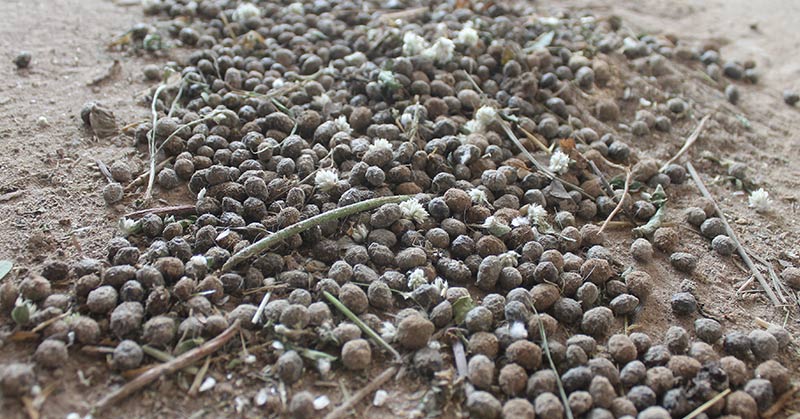
Incorporate compost or aged manure in spring to boost soil organic matter, which enhances moisture retention and nutrient availability. Organic amendments foster a thriving community of worms and beneficial microbes that build soil structure—critical when summer heat dries out turf. I once top-dressed with mushroom compost; the results were nothing short of miraculous, as grass color remained vibrant even during scorching afternoons!
These amendments also buffer soil temperature fluctuations, keeping root zones cooler when air temperatures spike. The extra humus improves cation exchange capacity, ensuring potassium and other stress-mitigating nutrients are readily accessible to grass roots throughout the heat season.
Shield Young Lawns with Temporary Shade

If you’ve recently sown or sodded, erect lightweight shade cloth or place potted decorative plants strategically to filter direct midday sun. Young grass roots, not yet fully developed, can quickly desiccate under scorching rays. I once used burlap panels along a new bermudagrass patch, and within weeks, the grass had established robust roots and greened up beautifully!
After two to three weeks—once the turf shows consistent, healthy green—remove the shade to encourage root strengthening under full sun. Temporary shade also creates cooler microclimates that attract hovering butterflies and dragonflies, adding a touch of summer magic to your lawn.
Monitor and Manage Pests Promptly

Hot, dry conditions can invite outbreaks of pests like chinch bugs and lawn armyworms, which suck sap or chew leaf tissue, causing rapid decline under stress. Regularly inspect turf edges and bare spots for yellowing or dead patches. I learned this the hard way last summer, when unchecked chinch bugs turned a corner of my yard to straw overnight!
When detected early, targeted, eco-friendly controls—like beneficial nematodes for grubs or neem oil sprays for caterpillars—can arrest damage before it spreads. Encouraging birds such as starlings and robins, which feed on lawn pests, provides biological control and keeps the balance in your turf ecosystem.
Edge Beds and Pathways to Reduce Heat Islands

Concrete walkways and asphalt driveways absorb heat and radiate it into adjacent turf, intensifying stress. Installing edging or planting heat-tolerant groundcovers—like creeping thyme or white clover (which fixes nitrogen and tolerates drought!)—creates a buffer zone that cools the edge of your lawn. I once edged a long driveway with clover and noticed my grass along the border looked 20% greener during the most intense heat waves!
These low-growing plants also offer pollinator forage and nesting sites for ground-nesting bees, adding ecological value while shielding your turf from radiated heat. It’s a win-win: cooler grass and happier beneficial insects.
Schedule Regular Soil Testing

Heat stress can exacerbate subtle nutrient imbalances—like low potassium or magnesium—that weaken turf. A mid-summer soil test pinpoints any deficiencies, letting you tailor amendments without guesswork. After a test revealed slightly acidic clay in my yard, I applied dolomitic lime, and the pH correction made my grass far more robust during following heat spells!
Monitoring electrical conductivity (EC) also helps ensure your soil isn’t building up salts from irrigation water—salinity can hinder water uptake when your lawn needs it most. Armed with precise data, you’ll avoid over-application of fertilizers that could otherwise burn grass in the heat.
Embrace Smart Irrigation Technology
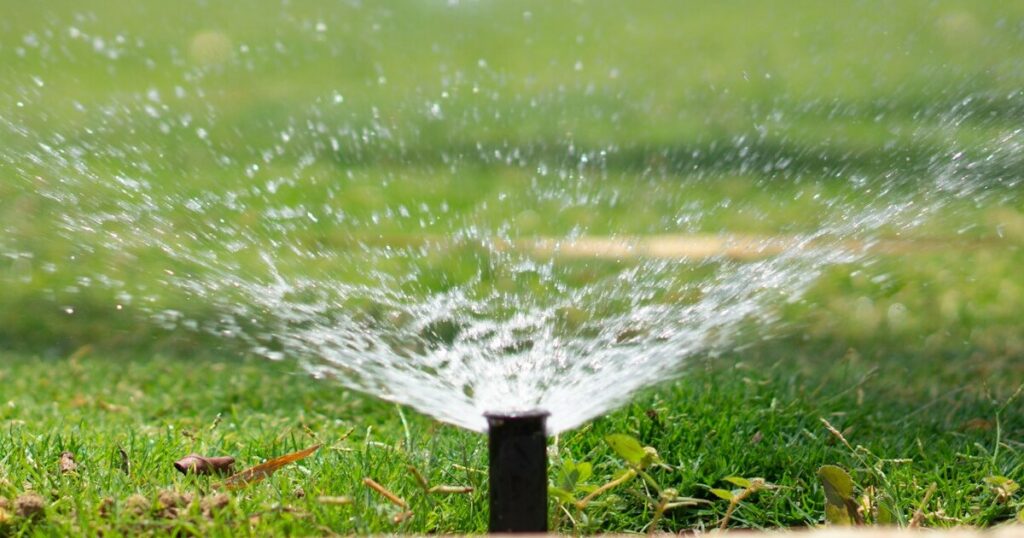
Installing a smart irrigation controller that adjusts to real-time weather data takes the guesswork out of watering. These systems delay cycles during rain and ramp up when forecasted heatwaves approach. I recently retrofitted my controller, and the results were clear: healthier grass, lower water bills, and far fewer wheel-barrow trips to refill the sprinkler!
Paired with drip-line technology or soil moisture sensors, smart watering ensures each zone gets exactly what it needs—no more, no less. This precision not only conserves resources but also prevents shallow watering that forces roots to stay near the surface, where they’re most vulnerable to summer scorch.