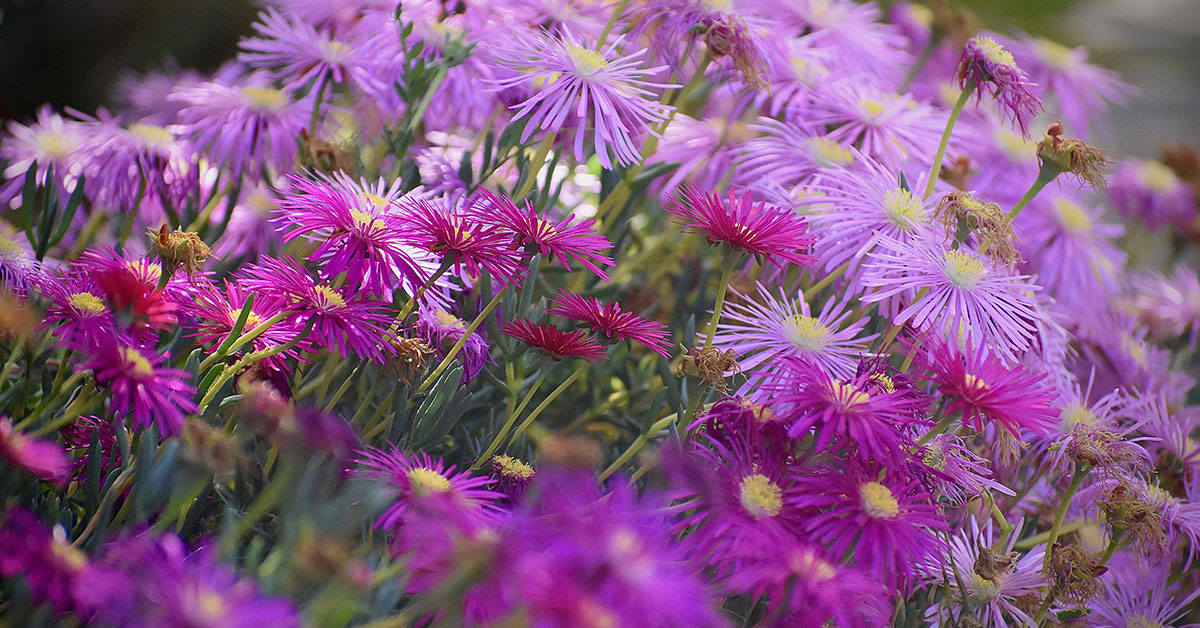

Working with stubborn, gluggy clay can feel like trying to plant in cement—roots struggle, water pools, and compaction reigns supreme. It’s such a bummer when your dream border transforms into a waterlogged mess or a brick-hard expanse! But take heart: there are hearty blooms that relish clay’s moisture-holding nature and even help break it up over time.
In this guide, we’ll dive into eleven exceptional flowers that won’t shy away from your dense clay beds. You’ll learn about each plant’s native origins, potential invasiveness, and the ways they attract pollinators or offer nesting havens. From prairie powerhouses to garden favorites, these resilient stars will turn your clay challenge into a blooming triumph!
Joe-Pye Weed (Eutrochium purpureum)
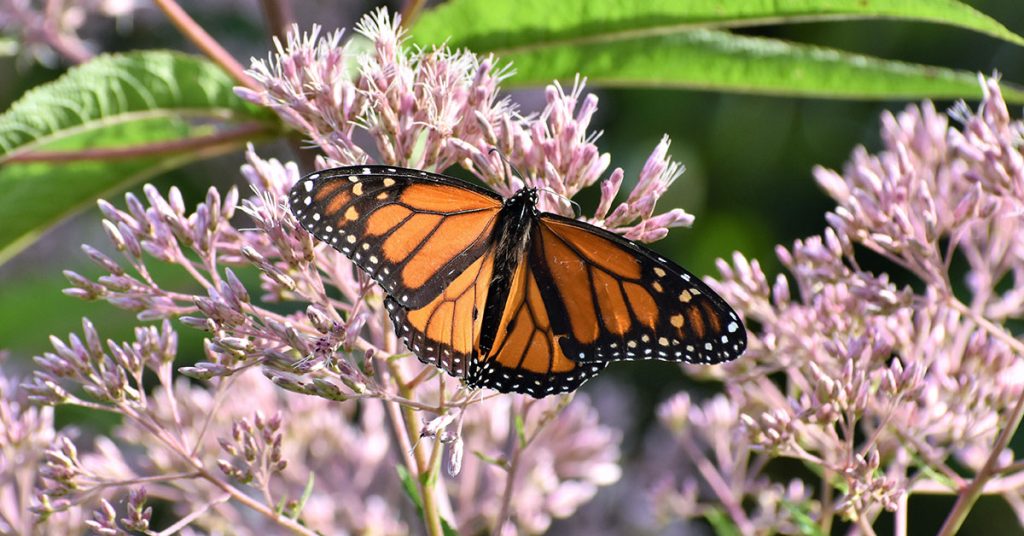
Native to the marshy woodlands and edges of streams in eastern North America, Joe-Pye Weed thrives where moisture lingers—making heavy clay soil right up its alley. Its tall stems support lofty clusters of mauve-pink blooms that shimmer in the breeze. I’ve watched swallowtail butterflies congregate on my Joe-Pye patch, their vibrant wings fluttering like summer confetti!
Underneath those blooms, the thick rhizomes pry apart compacted soil, improving structure over seasons. Solitary bees often bore shallow tunnels in damp clay nearby, using the plant’s base as a landmark. While Joe-Pye can spread into substantial clumps, a divide-every-three-years routine keeps it beautifully controlled without ever becoming invasive.
Blanket Flower (Gaillardia aristata)
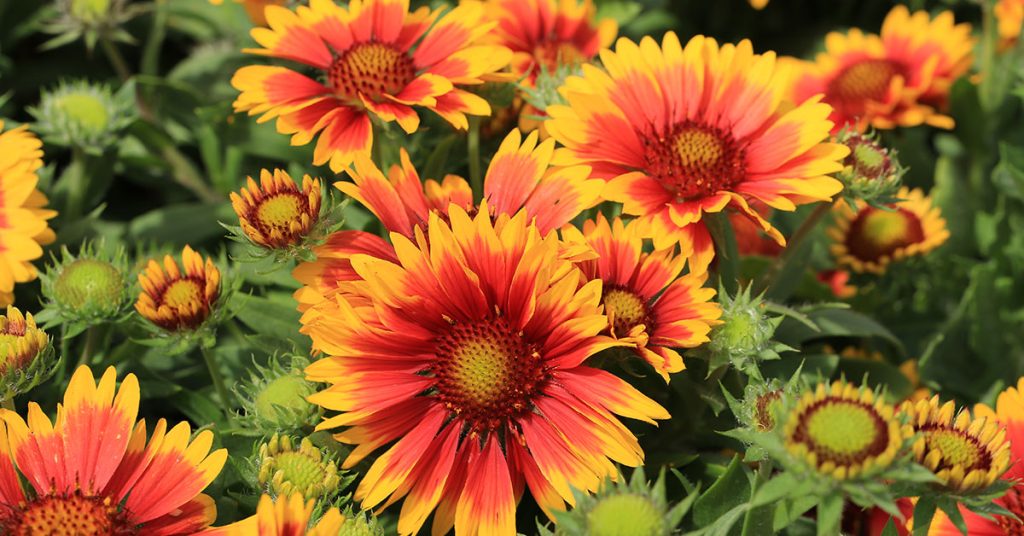
Hailing from the sun-baked prairies of central North America, blanket flowers are built for resilience. Their deep taproots wedge firmly into clay soils, and the fiery red-and-gold blossoms light up borders like living fireworks! Whenever I plant Gaillardia, I’m delighted by how readily it reblooms—even when other plants sulk in sticky earth.
Those broad, daisy-like heads beckon a parade of pollinators: honeybees, native solitary bees, and vibrant fritillary butterflies. Later in the season, small songbirds cluster to peck the seed heads, creating a lively wildlife ballet. Although blanket flower may self-sow modestly, it rarely overruns a bed—simply deadhead to manage volunteers and sustain continuous flowering.
Shasta Daisy (Leucanthemum × superbum)
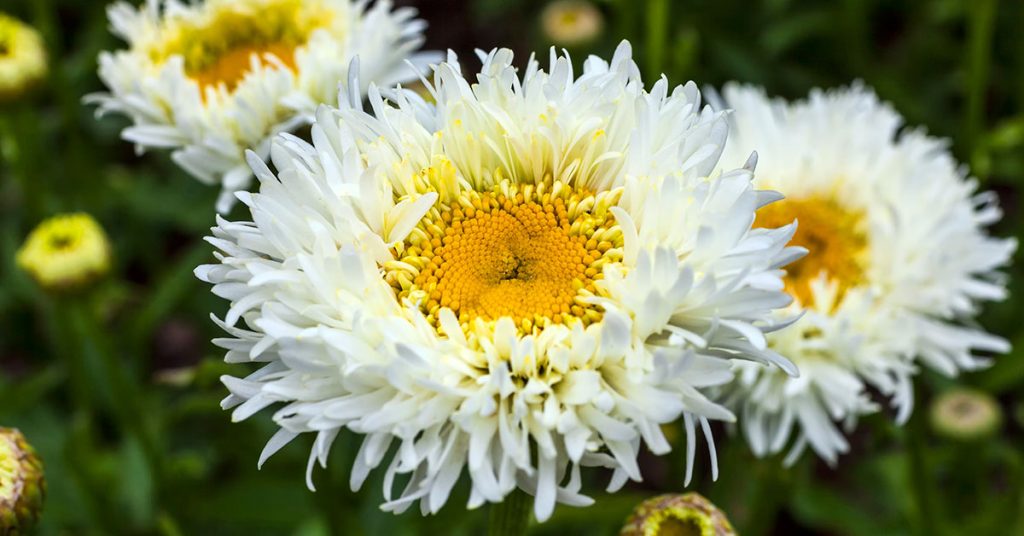
Born from European daisy ancestors, Shasta daisies relish rich, moisture-retaining clay soils, showcasing towering stems topped with crisp white petals and golden centers. I love how their sturdy stalks stand above clay-bound beds, unfazed by spring rains that would drown more delicate perennials!
These classic blooms offer more than charm: small native bees take advantage of the flat disk flowers as landing pads, sometimes nesting in nearby bare patches of clay. Once the blooms fade, goldfinches and chickadees harvest the seeds, adding avian interest to your garden. They clump beautifully but won’t become invasive, especially when divided every few years.
Russian Sage (Perovskia atriplicifolia)
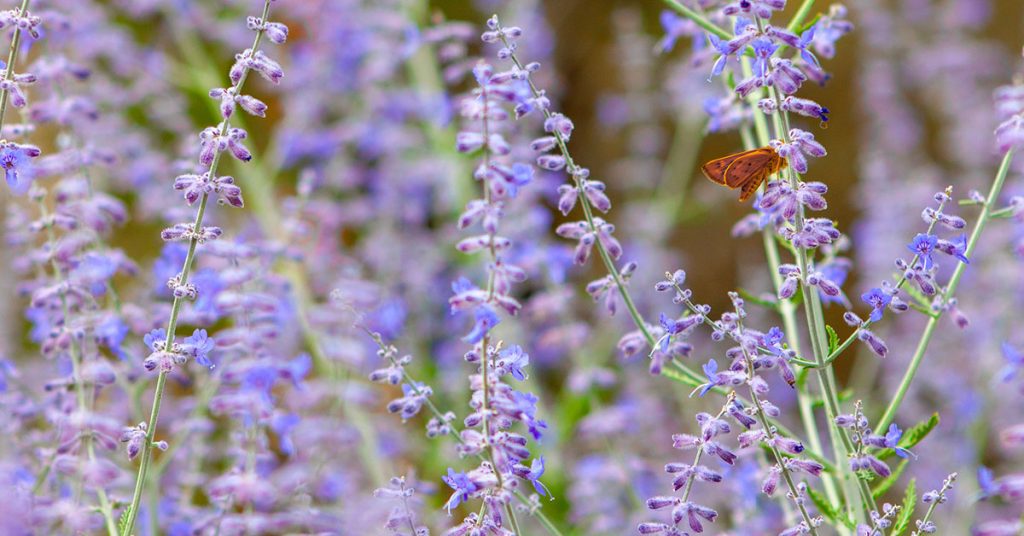
Straight from the arid steppes of Central Asia, Russian sage revels in tough soils—including sticky clay—where few other plants dare to grow. Its silvery foliage and airy spikes of violet-blue flowers lend an almost ethereal quality to clay-heavy beds. I’ve found that its aromatic leaves also discourage deer, giving other garden treasures a fighting chance!
Bees and wasps adore the nectar-rich blooms, threading through the stiff stems to forage. The plant’s deep roots help fracture compacted soil, gradually improving drainage and texture. Since Perovskia spreads slowly and rarely self-seeds aggressively, you get the benefits without worrying about rampant invasiveness.
Purple Coneflower (Echinacea purpurea)

A staple of North American prairies, purple coneflower stands resilient in clay soils that hold both water and nutrients. Its sturdy stems lift large, rose-purple petals above a prominent, spiky central cone—a magnet for monarch butterflies and bumblebees alike! Watching these pollinators swirl around my echinacea patch always feels like a front-row seat to nature’s pollination spectacle.
Beyond its showy blooms, the cone’s spent seedheads become a banquet for goldfinches and other songbirds in autumn. The deep roots of Echinacea help break up clay layers, while its native status means it integrates seamlessly without invasive risk. Regular division every few years keeps the clumps vigorous and prevents overcrowding.
Bearded Iris (Iris germanica)
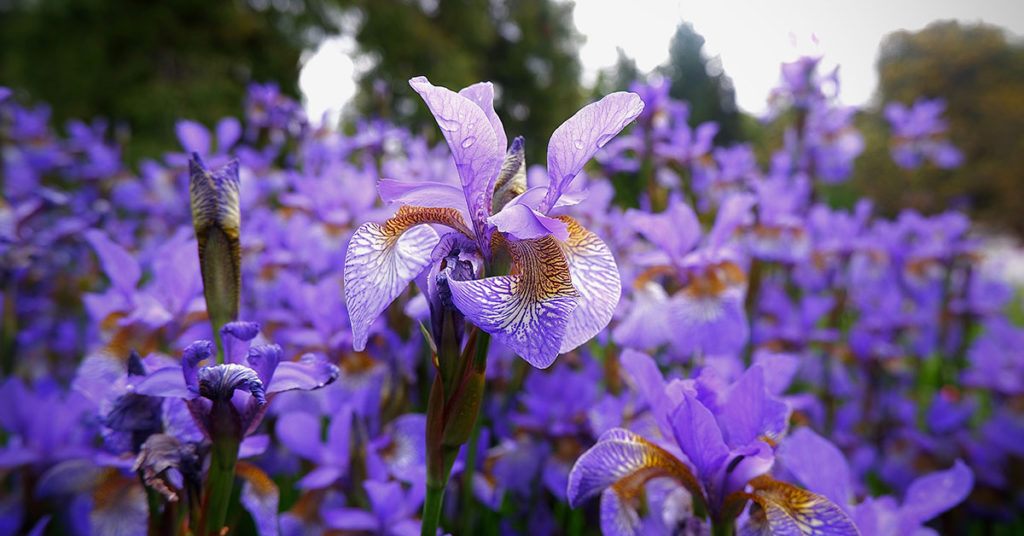
With ancestors tracing back to the Mediterranean and central Asia, bearded irises handle heavy clay exceptionally well—provided their rhizomes sit just at the soil surface. Their dramatic blooms, in shades from royal purple to buttery yellow, rise on sword-like foliage that remains upright even in soggy conditions. I still remember the thrill of my first iris bloom unfurling after a clay-soaked spring!
Bumblebees seek out the iris’s nectar guides, crawling into the falls (lower petals) and pollinating as they go. The dense basal foliage also offers refuge for beneficial ground beetles and tiny spiders. While irises can proliferate, a scheduled division every three to four years keeps them healthy, flowering, and far from invasive.
Yarrow (Achillea millefolium)
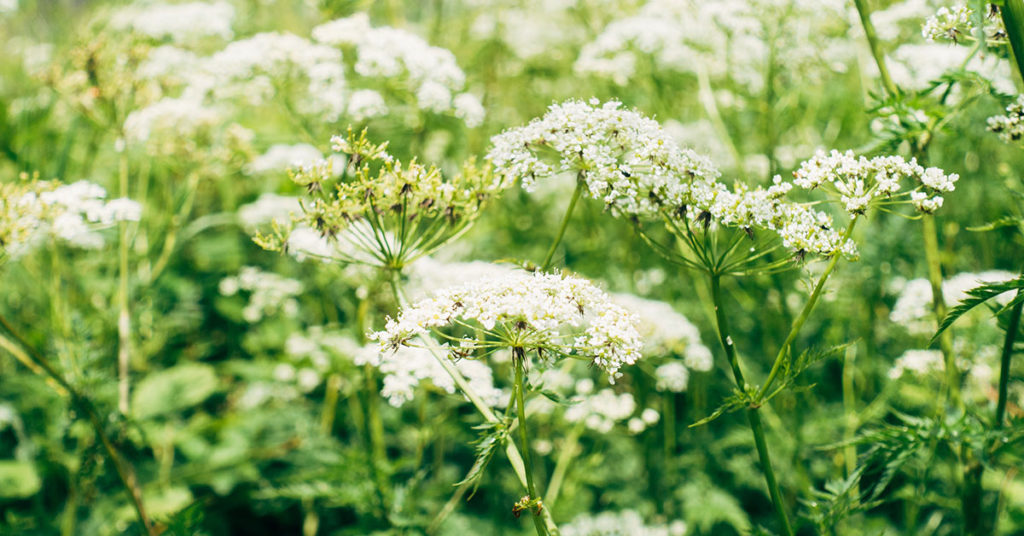
Native across the temperate Northern Hemisphere, yarrow’s fibrous root network excels at penetrating clay’s tough grip. Its flat-topped clusters of white, pink, or red flowers perch above feathery foliage that seems to dance in even the slightest breeze. I find that the soft texture of yarrow foliage provides a lovely contrast to the dense, heavy clay beneath!
The nectar-laden blooms draw lacewings, ladybugs, and hoverflies—natural predators of common garden pests. Later, its spent stems offer perching sites for small solitary wasps nesting in the soil. Though yarrow can spread via rhizomes, occasional thinning both contains it and yields generous divisions to share with friends.
Daylily (Hemerocallis spp.)
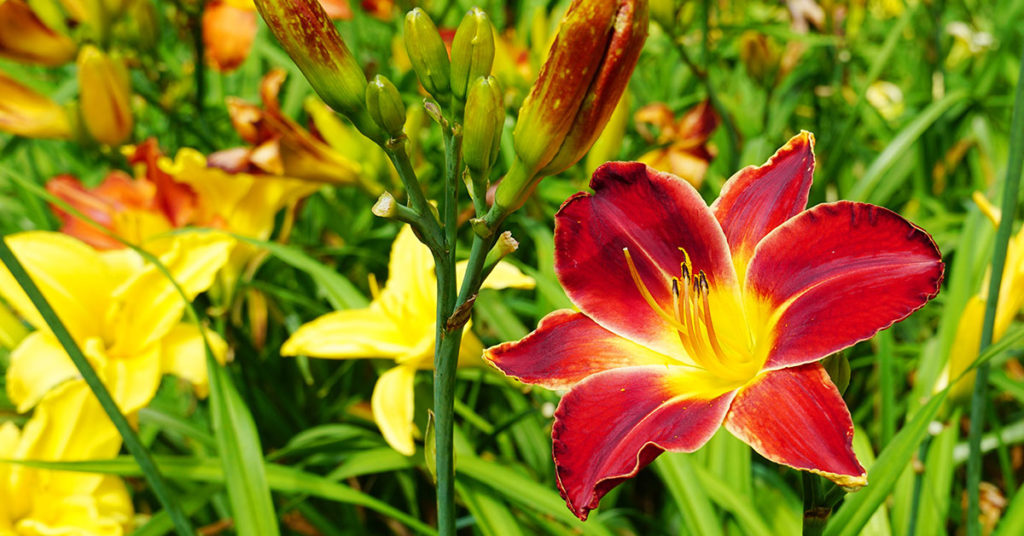
Originally from China and Korea, daylilies are celebrated for their toughness, easily adapting to clay and improving its structure over time. Each fan of arching leaves supports a succession of trumpet-shaped flowers in hues from sunny yellow to velvety burgundy. I’ll never forget the day I saw hungry hummingbirds hovering at the blooms—nature’s way of confirming a successful clay planting!
Daylilies aren’t invasive when regularly divided, and their dense clumps provide shelter for ground-nesting bees seeking safe sites in clay patches. Their root systems also break through compacted layers, promoting better moisture penetration in future seasons. Truly a win-win for beauty and soil health!
Black-Eyed Susan (Rudbeckia hirta)

North American prairies gave us Black-Eyed Susan, and clay soils are no match for its sturdy taproot. The cheerful yellow petals surrounding a dark brown cone bring sunshine to the gloomiest clay corners! I love how, even after heavy rains, these blooms remain cheerfully upright, as if challenging the sodden earth to do its worst.
Their daisy-like faces attract a broad cast of pollinators—bees, butterflies, and even hummingbird moths! Later, the spent cones serve as nesting guides for solitary bees or food sources for seed-eating birds. Though they self-sow readily, light deadheading keeps them in bounds and ensures a season-long show.
Coreopsis (Coreopsis grandiflora)
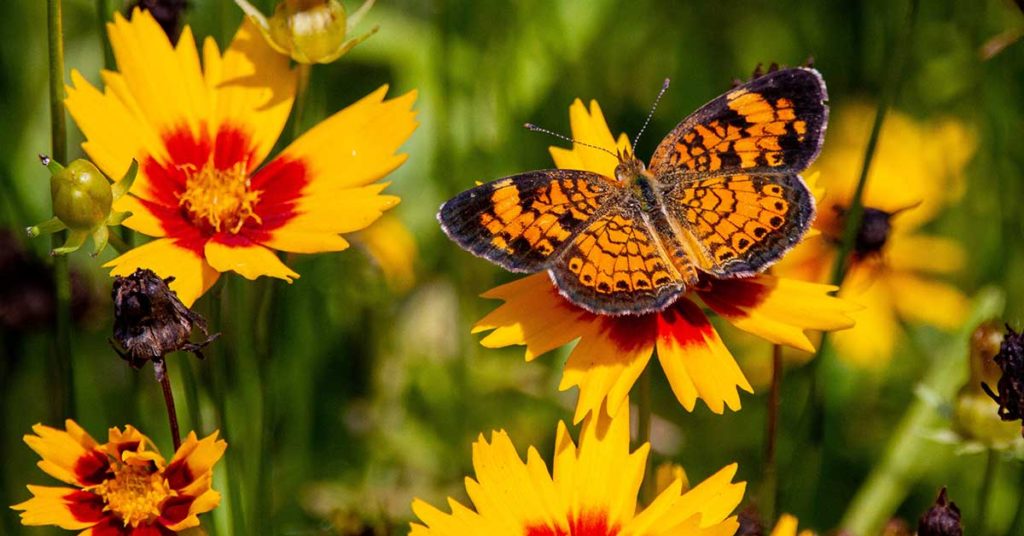
Also known as tickseed, Coreopsis grandiflora hails from North America’s tallgrass prairies and thrives in clay that holds moisture while still offering drainage through its fibrous roots. Bright yellow daisy-like flowers dance atop slender stems, creating a honeybee haven on warm afternoons. I still smile thinking of honeybees doing their gentle waltz through my coreopsis patch!
As blooms fade, small songbirds flit in to feast on the seeds, making your garden a hub of activity. While coreopsis can drop seed, it rarely becomes weedy—deadheading extends blooms and curbs volunteers. Its drought tolerance once established makes it an effortless performer in challenging clay beds.
Hardy Aster (Symphyotrichum spp.)
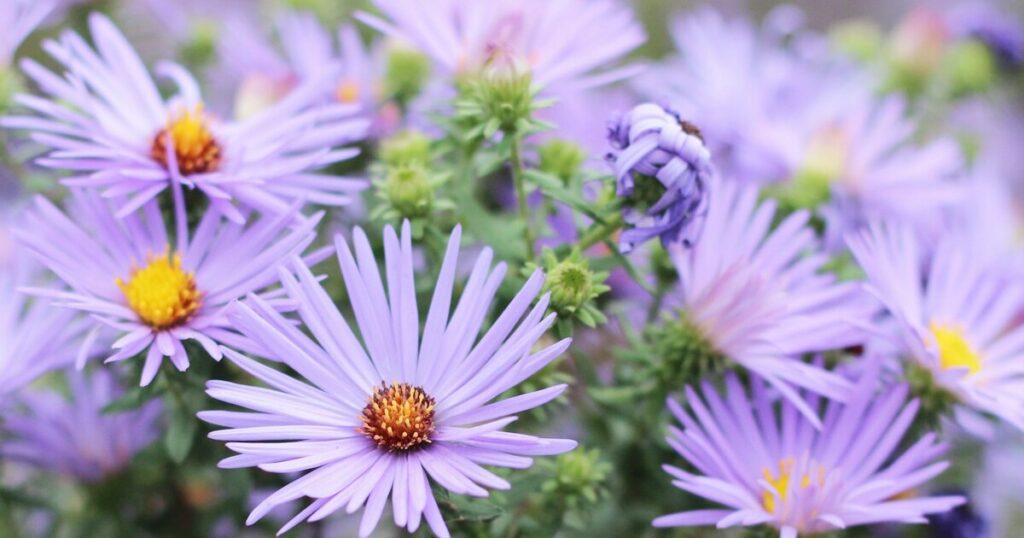
When autumn hushes most gardens, hardy asters burst forth over clay soils, offering late-season nectar to migrating monarchs and frost-hardy bees. Native to North America, their lavender, pink, or white daisies stand tall on wiry stems even as temperatures dip! Watching a cloud of bees swarming these asters always feels like a final summer encore.
Their dense foliage provides overwintering refuge for beneficial insects like ladybugs, which emerge in spring ready to patrol for pests. Although asters can expand into sizable clumps, dividing every few years keeps them healthy and prevents unwanted spread, ensuring they remain well-behaved stars of the fall garden.