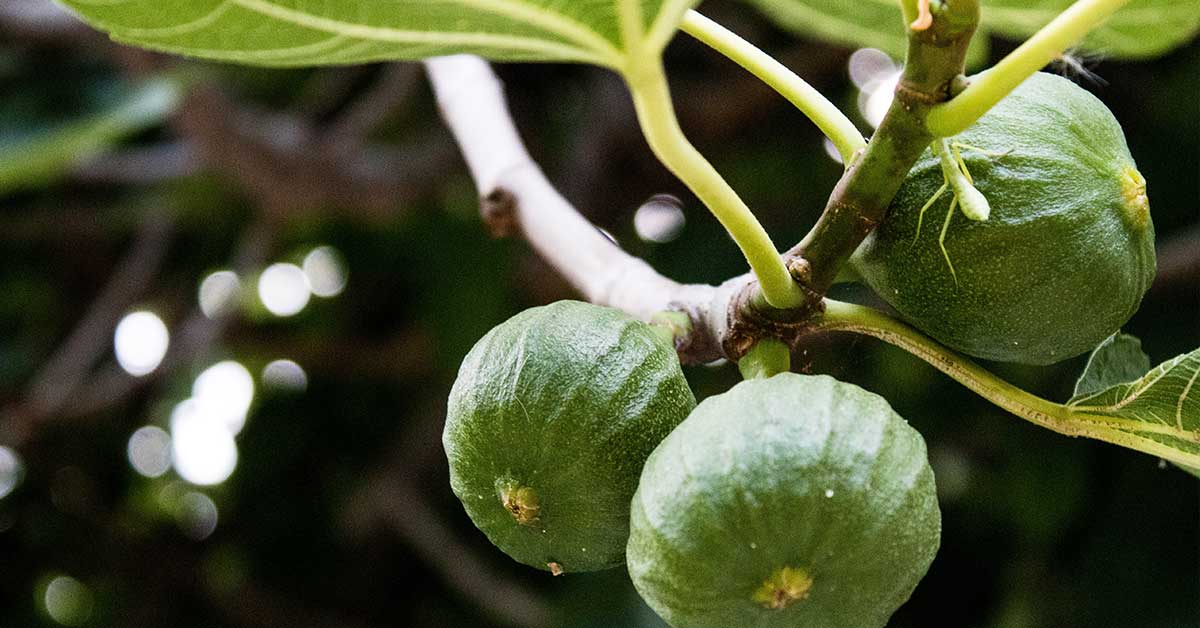

I’ll never forget the first time I bit into a sun-warmed fig straight from my windowsill—its sweet, jammy flesh instantly transported me to sun-drenched Mediterranean groves! Growing figs indoors transforms your home into a miniature orchard, offering both visual delight and delicious rewards. Whether you’re a seasoned gardener or just dipping your toes into container growing, figs bring an unexpected splash of green and an aroma that fills the air with warmth and comfort.
In this deep dive, we’ll explore nine compelling reasons to welcome a fig tree into your living room. From unique pollination partnerships to air-purifying foliage, each benefit is backed by practical tips and insights into the fig’s native roots and behaviors. So grab a mug of tea, settle in, and let’s discover why figs are one of the most rewarding houseplants you can cultivate!
Decorative Foliage Appeal

One of my favorite indoor fig varieties is the fiddle-leaf fig (Ficus lyrata) with its bold, violin-shaped leaves that can reach over a foot long! Native to the tropical rainforests of West Africa, this species has become a design icon for its striking, glossy foliage. Even non-fruiting fig cultivars like F. elastica (rubber fig) offer broad, evergreen leaves that enliven any corner.
Beyond looks, fig leaves play a role in home ecology: their large surface area transpires water, helping balance indoor humidity, and they can even serve as cozy resting spots for beneficial arthropods like ladybugs you might introduce for pest control. Whether you choose a fruiting or ornamental type, their vibrant leaves turn your living space into a verdant retreat!
Adaptability to Container Life
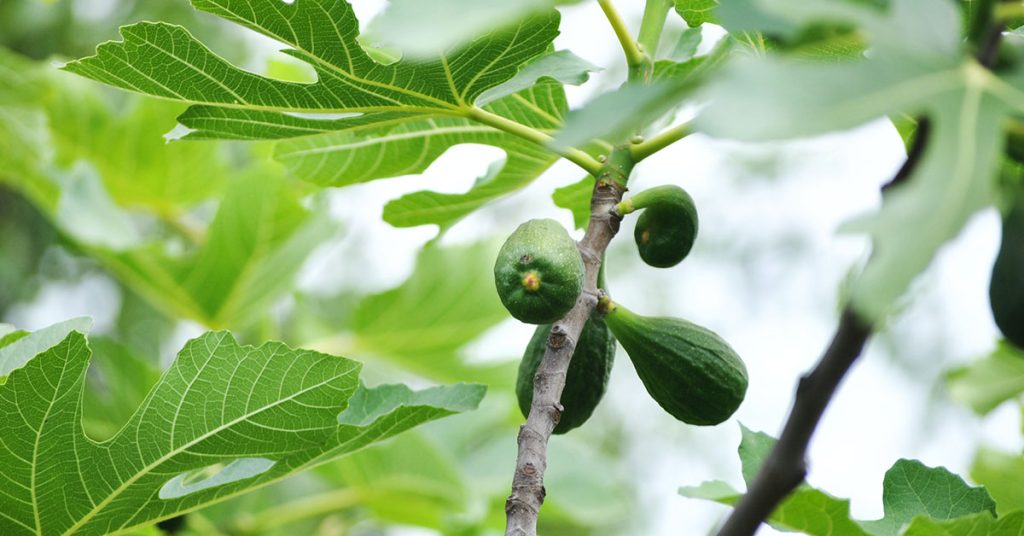
Unlike field-grown trees, figs have a remarkable ability to thrive in pots. Their natural habitats—from the sunny Mediterranean coast to drier regions of Asia—teach them to tolerate varied soil volumes and moisture levels. Indoors, you can adapt watering and feeding to match your schedule, ensuring consistent growth without worrying about unpredictable weather.
I’ve grown figs in everything from classic terracotta to decorative fabric grow-bags, and each container nurtures a healthy root system when paired with well-draining potting mix. If root-bound figs bloom and fruit most prolifically, you can even prune the roots gently every couple of years. It’s a testament to the fig’s resilience and versatility in container culture!
Improved Indoor Air Quality
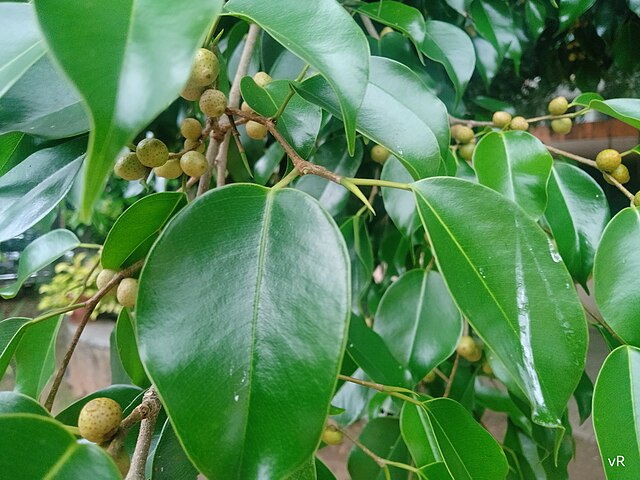
Multiple studies have shown that Ficus species help scrub common pollutants like formaldehyde and xylene from the air. As their broad leaves transpire, figs cycle out volatile organic compounds, giving you a fresher indoor atmosphere! My mornings feel crisper when I water my fig by the bedroom window—its lush canopy seems to greet each new day with a breath of clean air.
This air-cleaning power stems from the healthy microbiome living on and around the roots and leaves. While figs aren’t invasive indoors, their root-associated microbes work as tiny biofilters. If you’ve battled stuffy, dry indoor air, adding a fig can feel like installing a living air purifier—naturally and beautifully!
Therapeutic and Stress-Relieving Hobby

Tending an indoor fig tree is remarkably calming. From mixing potting soil to trimming stray branches, every step engages your senses—touching the smooth bark, inhaling earthy scents, and listening to gentle water percolations in the saucer. I often find myself lingering longer in the living room simply to admire my ficus’s sculptural form and soak in the calm it exudes!
Studies show that indoor gardening reduces stress and boosts mood, and figs—with their generous foliage and periodic fruiting—offer continual rewards. Even when a pest or yellow leaf appears (it happens to the best of us!), troubleshooting those challenges becomes part of a mindful routine that refocuses the mind and nurtures patience.
Year-Round Fresh Harvest
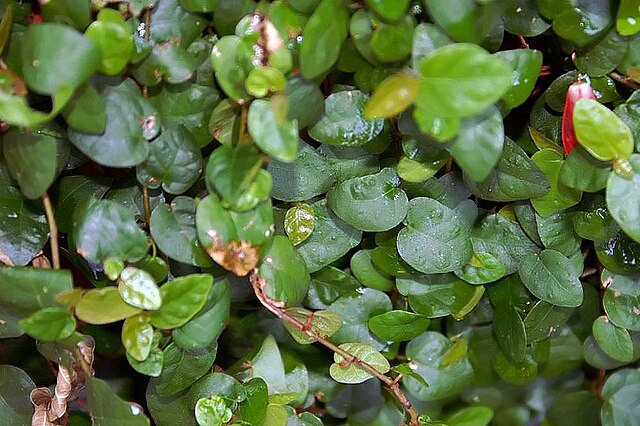
Parthenocarpic fig varieties like ‘Brown Turkey’ set fruit without pollination, giving you edible figs all year in bright indoor spots. Unlike outdoor orchards bound by seasons, a well-lit window or grow light lets you coax multiple harvests—even through winter! Slicing into a homegrown fig in December, when store-bought options lack flavor, is nothing short of magical.
Since F. carica is native to regions with hot, dry summers and cool winters, indoor conditions mimic that cycle when you allow a slight rest period in cooler months. After a brief slowdown, new growth and fruit buds emerge, rewarding your patience with sweet, succulent figs whenever you crave them!
Compact Varieties for Small Spaces

Don’t have room for a sprawling tree? Many indoor figs remain pleasantly petite. Cultivars like ‘Petite Negra’ or dwarf fiddle-leaf selections stay under five feet with regular pruning, making them perfect for apartments or tight nooks. I love that I can tuck one in a bathroom corner—its humidity-loving leaves thrive on shower steam!
These compact forms still showcase the fig’s characteristic aerial roots and textured bark, but without overwhelming your space. And because they’re slow to outgrow their pots, you’ll spend less time repotting and more time enjoying their sculptural beauty.
Controlled Environment Minimizes Pests

Growing figs indoors shields them from outdoor invaders like spider mites, mealybugs, and fig-specific pests such as the fig gall wasp (a minor issue in gardens but absent in well-sealed homes). Without heavy pest pressure, figs can focus energy on leaf growth and fruiting instead of defensive compounds.
When occasional pests do appear—perhaps a stray aphid hitchhiker—you can spot-treat with insecticidal soap or introduce a single ladybug in a terrarium-like setting. Indoor culture becomes almost a petri dish for ideal growth, free from the major crawlies that torment outdoor orchards!
Enhances Home Humidity Balance

Living in a dry climate can zap moisture from your skin and wood furniture alike. Fig trees, with their large leaf surface area, transpire significant water vapor, gently raising indoor humidity. My skin feels less dry in winter ever since I stationed a fiddle-leaf fig near my desk—its subtle misting feels like a miniature rainforest!
This natural humidification also benefits other houseplants sharing the space. By grouping tropical species—like philodendrons or peace lilies—around your fig, you’re creating a humid microclimate that mimics their native rainforests. And don’t worry about invasive tendencies: figs confined to pots won’t escape and spread.
Low Maintenance and Easy Care

While some houseplants demand precise humidity or delicate pruning, figs are remarkably forgiving. A bright spot near an east- or west-facing window, moderate watering, and occasional feeding with balanced fertilizer keep them thriving. I once left mine unattended for two weeks during a trip, only to return to plump figs waiting on the branches!
Their tolerance for light fluctuations and modest watering schedules suits busy lifestyles. Ficus carica’s Mediterranean origins favor dry summers, so letting the top inch of soil dry out before watering actually mimics its natural cycle. In short, figs offer big rewards without demanding constant coddling.