

I’ve been there—glancing out the window and spotting patches of yellow creeping into what used to be a perfectly emerald carpet. It’s such a bummer when all that hard work, watering, and fertilizing seems to vanish overnight! But yellowing grass is usually a SOS signal rather than a death sentence. By digging into the possible causes—nutrient hiccups, lurking pests, or even simple environmental stresses—we can revive that vibrant green you love.
In this guide, we’ll explore nine common reasons your turf is fading, each with in-depth explanations and actionable tips. From chemical burns to fungal foes, we’ll cover the science behind each issue and share my tried-and-true solutions. So grab your gardening gloves and a fresh cup of coffee—your lawn’s rescue mission starts now!
Fungal Diseases Such as Brown Patch

Humidity-loving fungi can spark brown patch or dollar spot, leaving pale yellow rings or scattered bleached spots that make your lawn look like it’s got a fever. These pathogens thrive when blades stay wet too long, especially in the evening, and can quickly spread under warm, muggy conditions. I once battled a fierce brown patch outbreak on my perennial ryegrass—its native Eurasian lineage gives it stunning color, but also vulnerability if air circulation is poor!
To stomp out fungal invaders, improve airflow by pruning nearby shrubs and mowing at the recommended height. Water early in the morning—deep, infrequent soaks are best—and avoid late-day irrigation that leaves leaves damp overnight. If cultural practices aren’t enough, judicious use of fungicides can help, but prevention through good lawn hygiene usually does the trick!
Chemical Burn from Overfertilization
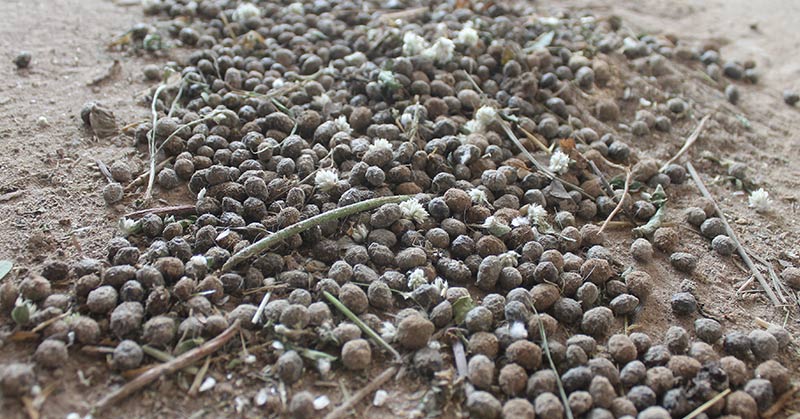
It’s tempting to believe that a heavy dose of fertilizer equals instant green-up, but piling on too much nitrogen or salts can literally scorch your grassroots. Excess salts draw moisture out of the soil, turning leaf tips yellow and crispy. One of my favorite gardening mishaps was when I overdid a “fast-green” formula on my Kentucky bluegrass—native to Europe and now naturalized (some call it invasive!)—and ended up with yellow patches that looked like fall in mid-summer!
The cure? Water deeply right after fertilizing to flush out excess salts, then dial back to the lower end of the recommended rates. Gradual, balanced feeding keeps grass healthy without risking chemical burn. Remember, less can often be more when it comes to a lush, resilient lawn!
Compacted Soil Impeding Roots
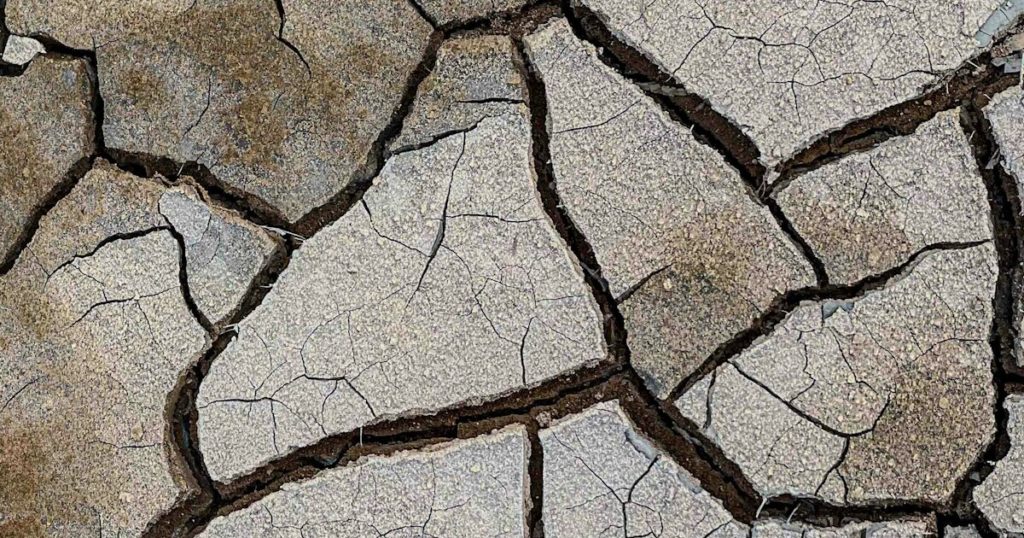
If your yard feels like a brick underfoot—especially around play areas or mower paths—that hard-packed soil is suffocating roots. Without adequate pore space, grassroots struggle to breathe and absorb water, so they languish and yellow. I learned this firsthand when I moved heavy equipment across my yard; patches under those wheel tracks went yellow almost immediately!
Aeration is your secret weapon. Using a core aerator to remove plugs of soil allows air, water, and nutrients to penetrate deep into the root zone. For cool-season lawns, aerate in the fall; for warm-season varieties, late spring is ideal. Annual aeration can keep compacted soils—particularly clay-heavy ones—open and vibrant.
Shade Stress Under Tree Canopies

Majestic oaks and maples may offer summer respite, but their dense shade can starve grass of the sunlight it craves. Most turfgrasses need at least four hours of direct sun; beneath heavy canopies, blades pale and thin. I swapped in a fine fescue blend—native to Europe and Asia—which tolerates low light far better, and my shady lawn patches finally bounced back!
Beyond selecting shade-tolerant cultivars, prune lower branches to increase dappled sunshine and thin understory plants that compete for light. If you’re battling shade, remember that light is the master key—no amount of fertilizer or water can substitute for adequate sun.
Nutrient Deficiency, Especially Nitrogen
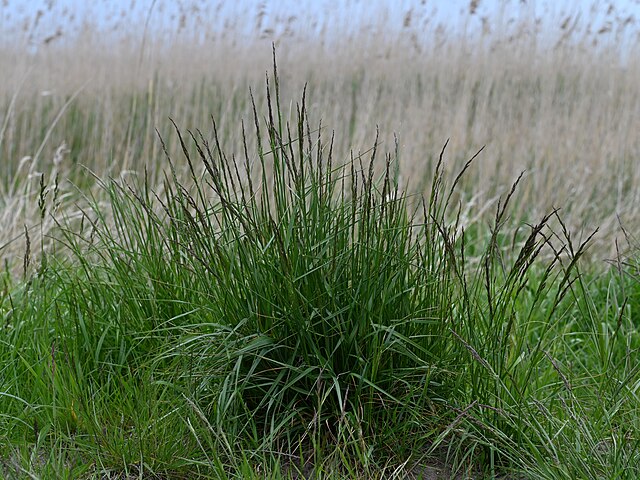
Uniform yellowing across your lawn in spring or fall often points to nitrogen hunger. This critical nutrient fuels chlorophyll production, and without it, grass blades lose their rich green hue. Cool-season species like tall fescue and ryegrass—both Eurasian natives—show deficiency quickly, turning a pale, washed-out color.
A simple soil test can confirm if nitrogen is the culprit. I find that splitting applications—half in early fall and half in late fall—keeps cool-season lawns vibrant without risking burn. Warm-season turfs, such as bermudagrass from Africa (an aggressive spreader!), benefit from summer feedings. Balance is key: feed regularly but sparingly.
Pests Like Grubs Gnawing Roots

White grubs—the larvae of Japanese beetles or June bugs—feast on grassroots, cutting off water and nutrient uptake. The result? Yellow, spongy patches that lift easily when tugged. I once uncovered a colony of grubs while investigating a sad yellow spot; pulling back the turf felt like slicing through gelatin!
To diagnose, perform the “tug test”: if a square of sod peels away effortlessly, grubs are likely at work. Beneficial nematodes offer a biological control, or you can apply targeted insecticides in early summer. Encouraging birds and moles—nature’s own grub predators—can also help maintain balance.
Drought Stress from Infrequent Watering
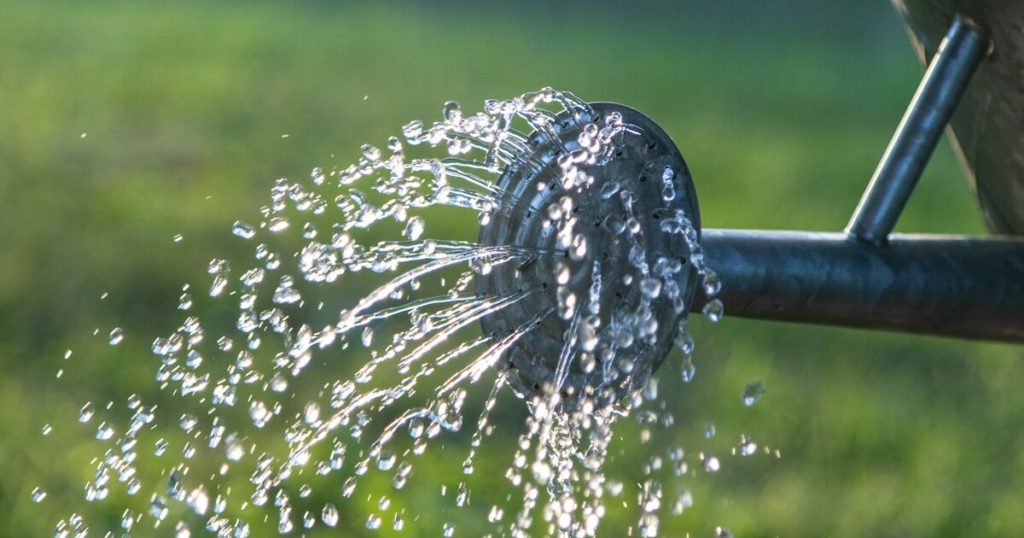
Lawns thwarted by drought curl their leaf blades to reduce moisture loss, then yellow as cells become desiccated. When I first moved to a dry region, my once-vibrant turf turned straw-colored in less than a week! The secret is consistent moisture: aim for about one inch of water per week, combining rain and irrigation.
Deep, infrequent watering encourages roots to grow downward, forging resilience against dry spells. If your sprinkler delivers only a quarter-inch per cycle, run it multiple times rather than daily light sprays. Your grass will develop a robust root system and stay greener longer.
Thatch Buildup Blocking Water

A thin thatch layer (dead shoots and roots) can be beneficial, but once it exceeds about half an inch, it acts like a sponge—blocking water, nutrients, and air. I ignored a growing thatch layer on my zoysia (a Southeast Asian native notorious for thatch), and it felt like dumping water onto a dry sponge: nothing reached the soil!
Use a dethatching rake or power rake to remove excess debris. Once the barrier is gone, your next watering and feeding sessions will work wonders. For thatch-prone grasses, a spring dethatch and fall cleanup can keep your lawn breathing freely.
Heat Stress in Warm-Season Lawns

Paradoxically, extreme summer heat can send warm-season grasses—like St. Augustine grass (native to coastal areas) or bermudagrass—into dormancy, turning them yellow-brown. During a blistering July heatwave, my own bermudagrass went into a deep sleep, only to revive with cooler weather!
To help your turf endure, mow slightly higher (around three inches) so the blades shade the crown and conserve moisture. Water early in the day to minimize fungal risks, and accept that a bit of dormancy is natural. Your lawn will bounce back when temperatures ease.