
It’s such a bummer when your carefully tended beds get nibbled by deer or tunneled by voles—after all that love and labor, you deserve a thriving garden, not half-eaten foliage and hollowed-out roots! I know how frustrating it is to watch seedlings disappear overnight or see holes appear where your bulbs once were. Fortunately, the plant kingdom offers a suite of botanical bodyguards that detest nibbling critters yet welcome beneficial insects and enrich your ecosystem.
As a gardener who’s tested countless combinations, I can assure you that integrating aromatic herbs, toxic natives, and strategic ornamentals creates a dynamic barrier against unwelcome guests. These fifteen stalwart species—from Mediterranean survivors to native perennials—are proven to deter both deer and rodents without resorting to harsh chemicals. Let’s explore each one and learn how their scents, textures, and nesting behaviors protect your patch!
Lavender (Lavandula angustifolia)

Lavender’s silvery foliage and fragrant purple blooms hail from the Mediterranean, where they’ve evolved to thrive in poor, rocky soils. Deer detest its strong camphor scent and rarely browse among the tightly packed flower spikes. I’ve planted lavender along my garden’s perimeter, and even the most persistent bucks steer clear!
Beyond deer deterrence, lavender blossoms attract pollinators like bees and hoverflies, which nest in nearby hollow stems and contribute to a healthy insect community. The deep root system also helps stabilize sandy or gravelly soils, reducing erosion around garden borders.
Rue (Ruta graveolens)
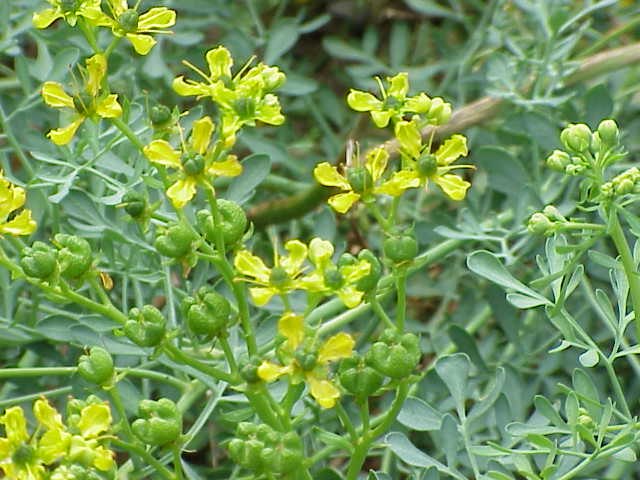
Native to southeastern Europe, rue boasts blue-green leaves layered with a potent, pungent aroma that repels deer, rabbits, and many rodents. I remember edging my vegetable patch with rue after discovering vole damage; the difference was immediate—no more tunnels or chew marks!
Rue’s textured foliage also provides tiny crevices where ladybugs and lacewings lay eggs, setting up a natural pest-control station. While rue can become somewhat invasive in favorable climates, occasional pruning keeps it in check without compromising its protective presence.
Marigold (Tagetes erecta)

Hailing from Mexico and Central America, marigolds are famed for driving off nematodes and deterring rodents and deer with their thiophene-rich scent. I love weaving golden marigolds through my vegetable rows—not only do they brighten the bed, but they also keep mice and deer at bay!
Those bright flowers are more than just deer deterrents: they invite beneficial hoverflies and syrphid flies, which nest in leaf litter below and prey on aphids. Over time, marigolds enrich the soil with organic matter, improving structure for the next planting.
Sage (Salvia officinalis)
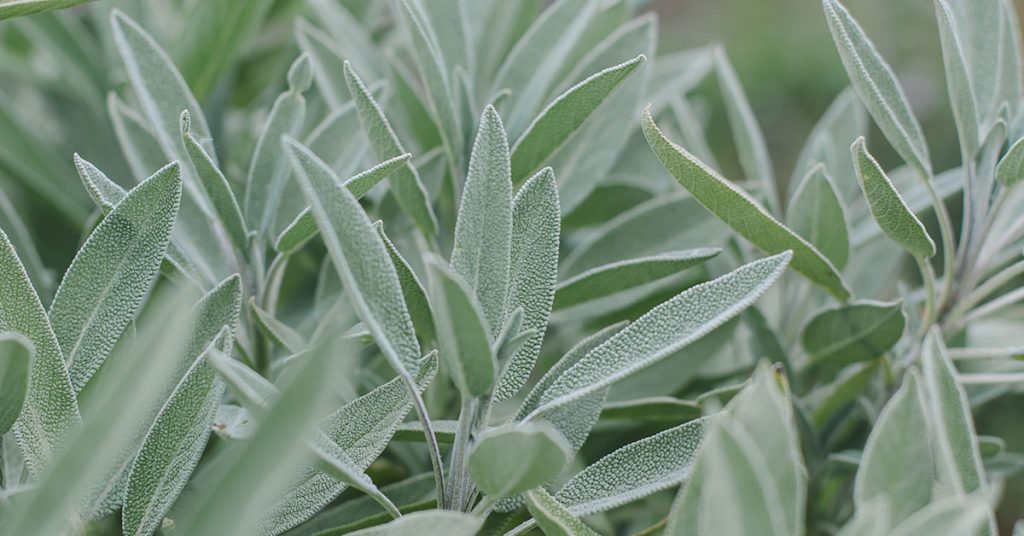
This evergreen shrub native to the Mediterranean offers silvery, fuzzy leaves that deer seldom touch. Its earthy, camphor-like fragrance intensifies when leaves are brushed or crushed—an excellent natural deterrent. I often tuck sage among ornamental borders, and it reliably protects delicate blooms from nibbling noses!
Sage flowers attract bees, hummingbirds, and beneficial wasps that find nesting sites in old stone walls or hollow plant stems nearby. Those pollinators enhance fruit set for adjacent plants, making sage both a protector and a pollinator magnet.
Gopher Spurge (Euphorbia lathyris)

Also called mole plant, this Mediterranean spurge produces milky sap that rodents avoid. Planted in drifts, it confounds gophers, voles, and moles seeking soft turf. I once staked a row of gopher spurge around my raised beds—and the gopher tunnels all but disappeared!
Though it can self-seed aggressively, its deep taproot discourages invasion into lawn areas. Beneath the dense foliage, predatory ground beetles and centipedes nest, contributing to a balanced soil-dwelling ecosystem that curbs other common pests.
Mint (Mentha spp.)
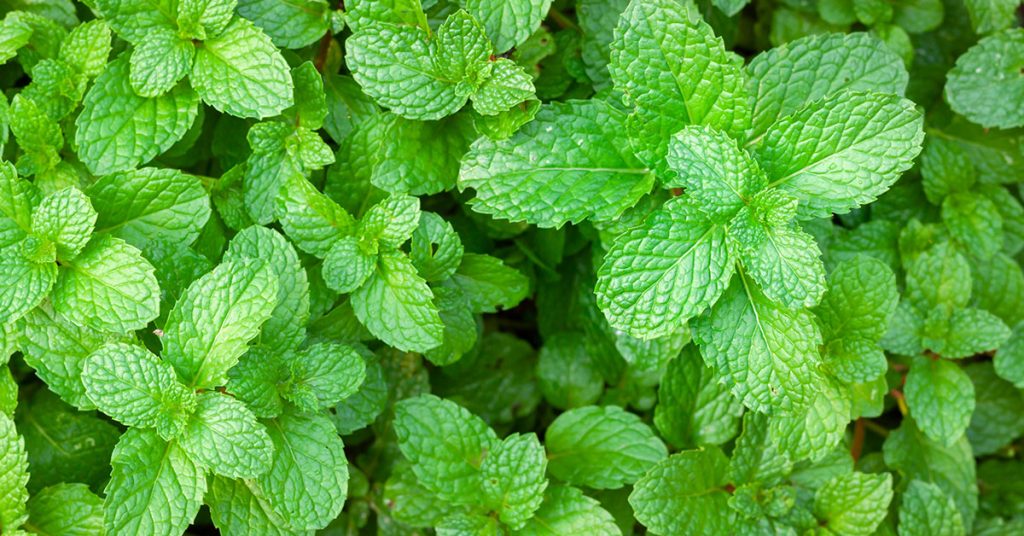
Whether spearmint, peppermint, or chocolate mint, these Eurasian natives share a potent menthol aroma that deters deer, mice, and voles. I love popping mint plants into containers around garden entries; the vivid scent wafts over adjacent beds and discourages intruders!
Mint also attracts hoverflies and parasitic wasps, which nest in the moist soil below. However, mint can become invasive if left unchecked—plant it in pots or confined garden islands to harness its protective power without letting it overtake borders.
Wormwood (Artemisia absinthium)
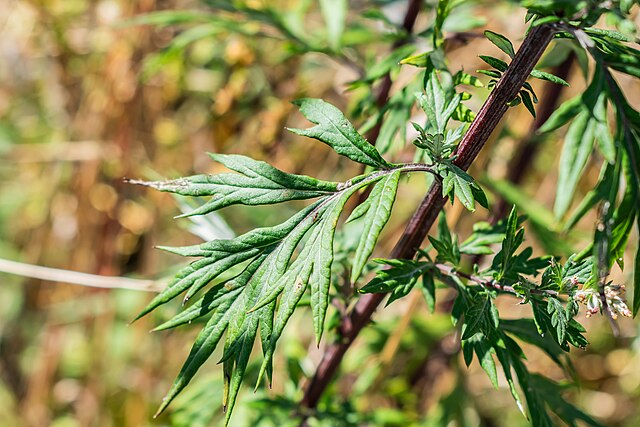
Native to temperate Europe and Asia, wormwood’s finely divided, silvery foliage emits a bitter scent that repels deer and small mammals. I’ve scattered wormwood cuttings around vulnerable shrubs; the deer simply turn away rather than risk that pungent bite!
Under those feathery leaves, beneficial predatory mites and springtails seek shelter, enhancing soil health by breaking down organic matter. Though wormwood can spread via rhizomes, periodic root pruning keeps it contained and vigorous.
Catmint (Nepeta cataria)

While cats adore its aroma, deer and rodents generally avoid it. Native to Europe and Western Asia, catmint offers gray-green leaves and lavender-blue blooms that discourage nibblers. I plant it near seedlings, and its strong scent keeps both bunny and buck at arm’s length!
The tubular flowers beckon bees and butterflies, which nest in nearby hollow stems or logs left as habitat features. That pollinator activity benefits surrounding edibles, making catmint a dual-purpose defensive and pollinator-friendly plant.
Allium (Allium spp.)

Alliums—such as ornamental ornamental varieties and garlic—are native to Eurasia and produce sulfur compounds that deter deer, rabbits, and mice. I intersperse ornamental alliums among my roses; their globe-shaped blooms add drama, and the bulbs keep ground rodents from digging around the roots!
These flowers also lure in hoverflies and native bees that nest in bare patches of soil beneath. Once the blooms fade, the spent stalks serve as temporary shelter for beneficial insects, maintaining a healthy micro-ecosystem.
Daffodil (Narcissus spp.)
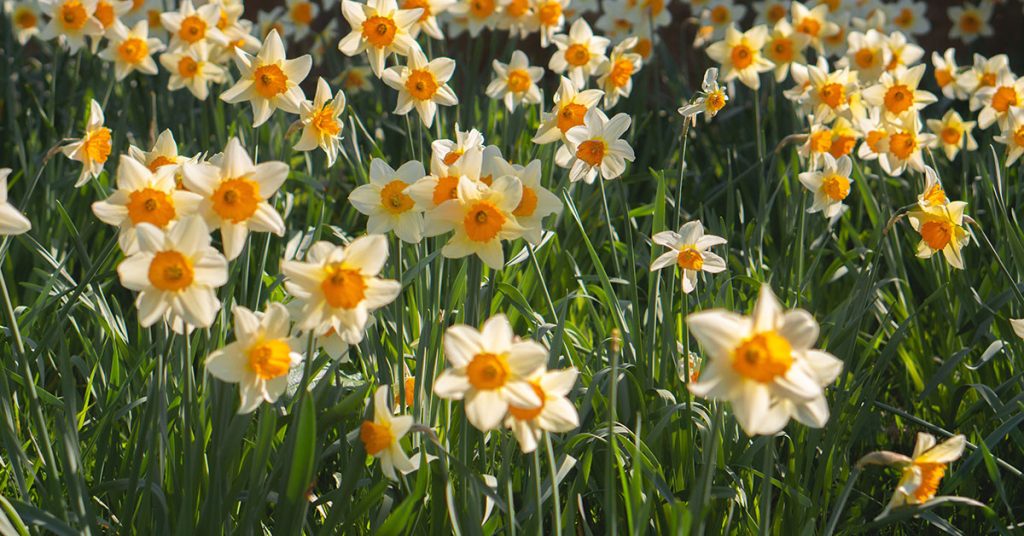
Originating in the Mediterranean, daffodils contain toxic alkaloids that rodents and deer find distasteful. I always plant them in drifts at garden entrances—while their cheerful yellow blooms signal spring, they also protect emerging perennials from hungry voles!
As daffodils naturalize over time, they form dense clusters that inhibit weed growth and create nesting pockets for ground-nesting solitary bees. Those pockets enhance pollination services when nearby fruit blossoms open later in the season.
Yarrow (Achillea millefolium)
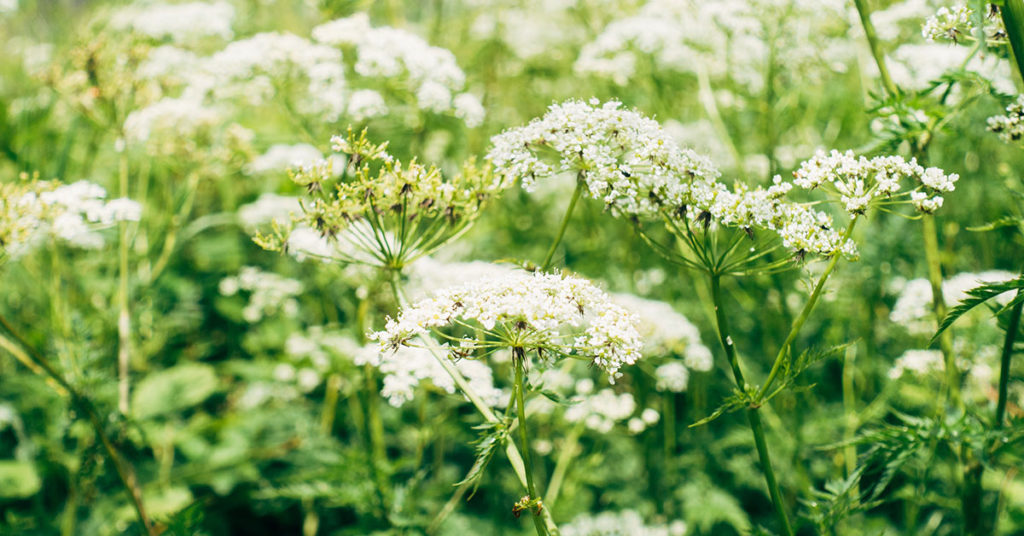
Native across Eurasia and North America, yarrow features feathery foliage and flat-topped flower clusters rich in volatile oils. Rodents and deer avoid its bitter scent, yet I find the blooms irresistible for attracting ladybugs, lacewings, and predatory flies that lay eggs among the ferny leaves!
Yarrow’s deep roots enhance drought tolerance and draw beneficial mycorrhizal fungi into the soil. These symbiotic fungi improve nutrient uptake for neighboring plants, making yarrow a powerful ally in both defense and soil health improvement.
Oregano (Origanum vulgare)
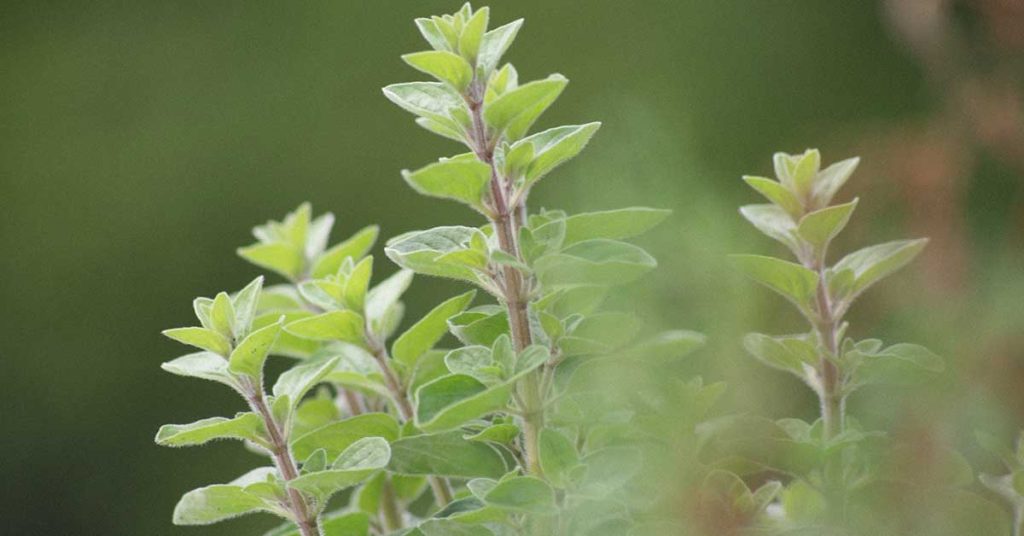
This Eurasian herb exudes carvacrol and thymol, which deter deer and small critters. I love trimming oregano around my berry patch—its mat-forming habit shields the ground and repels voles looking for soft bedding!
Oregano flowers, though small, are nectar-rich, attracting bees and small hoverflies that nest in adjacent mulch. Their larvae consume aphids and other pests, giving your fruit and vegetable crops a natural health boost.
Rosemary (Rosmarinus officinalis)

With needle-like leaves scented of pine and camphor, rosemary hails from the Mediterranean and is often left untouched by deer and rodents alike. I shape rosemary into low hedges around vulnerable beds, and its robust form provides a dashing backdrop while keeping pests at bay!
The fragrant blossoms also lure bees and predatory wasps, which find easy nesting sites in old stone walls nearby. These beneficial insects add another layer of defense against aphids and caterpillars in your vegetable plots.
Sagebrush (Artemisia tridentata)

Native to North America’s western plains, big sagebrush repels deer and rodents with its potent camphor scent. While it can become dominant in wild settings, in cultivated gardens a single shrub acts as a fragrant sentinel, protecting nearby plantings.
Under its canopy, ground beetles and spiders nest in the leaf litter, hunting slugs and other soft-bodied pests. This creates a multi-tiered defense system: aromatic barrier above and predator patrol below!
Scented Geranium (Pelargonium graveolens)
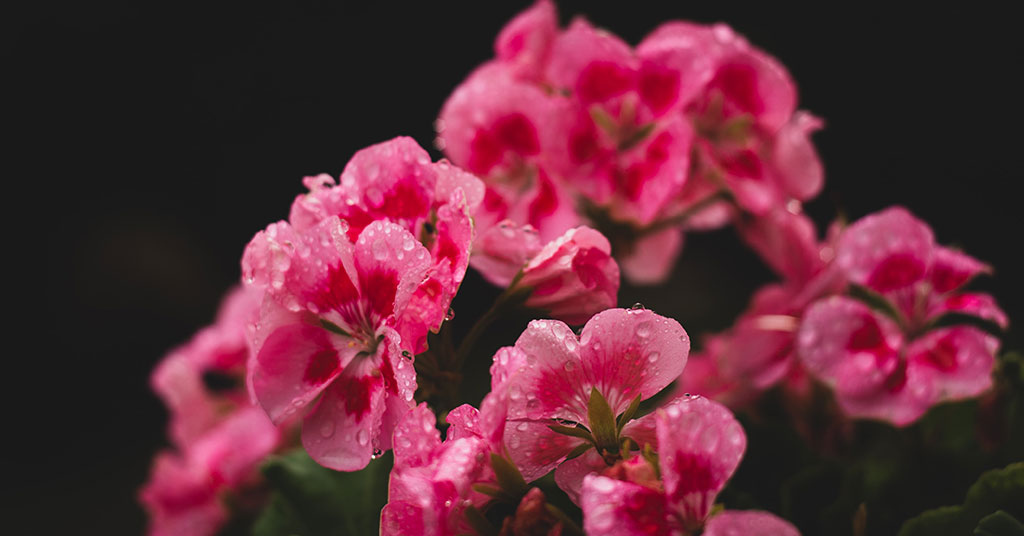
Originating in South Africa, scented geraniums produce essential oils—like citronellol and geraniol—that deter deer, rabbits, and mice. I tuck these potted beauties along walkways; their rosy fragrance delights me and keeps nibblers at arm’s length!
Beyond repellent properties, their pale pink blooms attract solitary bees and fluttering hoverflies, which nest in earthen pots or logs placed nearby. This dual action of pest deterrence and pollinator attraction makes geraniums indispensable in my garden defense toolkit.