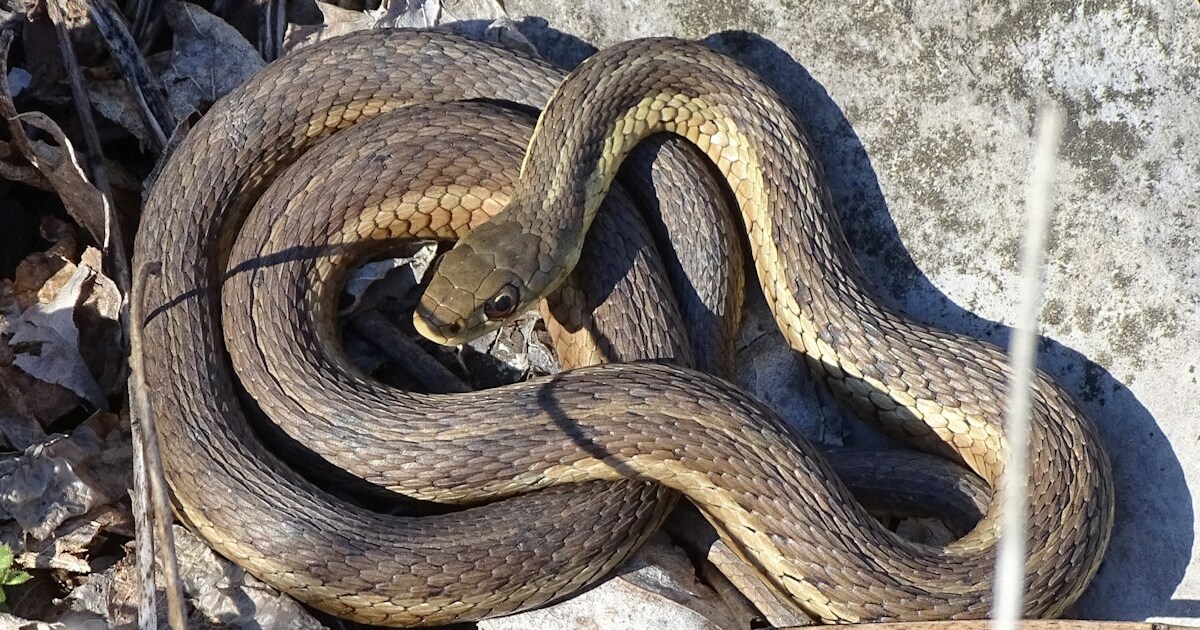

I know how unsettling it can be to spot a slithering visitor among your prized blooms—especially when you’re aiming for a serene, bug-free oasis! While snakes play important roles as pest controllers, most of us prefer to keep them at a comfortable distance. With the right preventative measures, you can discourage them from making your garden their go-to nesting spot without resorting to harmful chemicals.
It’s such a bummer when your hard work gets undermined by unexpected reptilian guests. By understanding what attracts snakes—their nesting behaviors, preferred hiding places, and food sources—you’ll be empowered to design a garden that’s inhospitable to them yet welcoming to beneficial wildlife. Let’s dive into ten practical tips that will help you enjoy a snake-free garden retreat!
Maintain Short, Tidy Grass
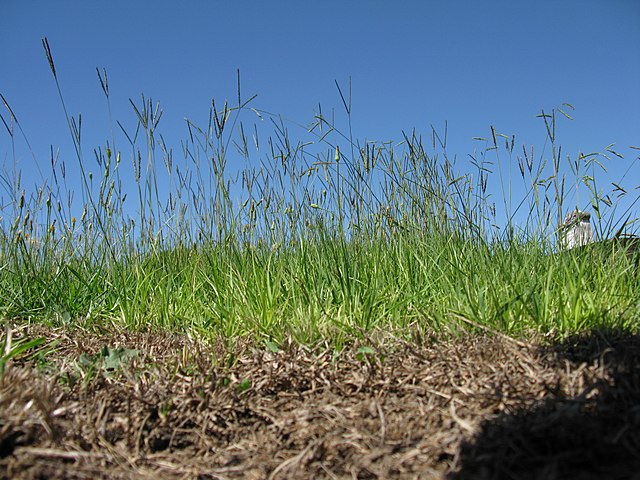
Long, unmowed lawns create perfect cover for snakes to hunt rodents and lay eggs. By keeping grass mowed to about 3 inches or less, you remove their concealment and make them feel exposed. I remember how a once-neglected meadow behind my shed became a snake haven—after I trimmed it regularly, those stealthy visitors moved on!
Additionally, short grass discourages nesting. Snakes often seek out loose, grassy mats to deposit their eggs; when turf is kept tidy, the ground stays too firm for successful nesting. Plus, you’ll find it much easier to spot early signs of snake activity, like shed skins or narrow trails through blades.
Eliminate Rock and Wood Piles

Snakes love to nest under flat stones, woodpiles, or any debris that offers shelter and stable temperatures. One of my favorite tasks each spring is clearing out old lumber and leveling rock borders—I’ve found that removed hiding spots instantly reduce snake sightings!
Beyond snakes, those tidy spaces also attract ground beetles and butterflies rather than rodents, shifting the ecosystem balance away from prey species that lure snakes in. When you store lumber off the ground on racks and keep rocks in well-organized beds, you reclaim habitat for ornamental perennials without providing cozy retreats for snakes.
Seal Foundations and Fencing Gaps

Even the smallest openings in shed foundations or garden fencing can serve as entry points for slender snakes. Inspect your garden perimeter and sealing cracks with rodent-proof mesh or weather-resistant sealant is a simple yet effective barrier. I once discovered a narrow gap beneath a gate that was inviting baby garter snakes—after adding hardware cloth, those early-morning visits stopped!
This measure also blocks entry for mice and rats, the very rodents snakes come to hunt. When you block both snake and prey access, the entire food chain shifts, making your garden far less appealing to slithery trespassers.
Remove Unwanted Food Sources
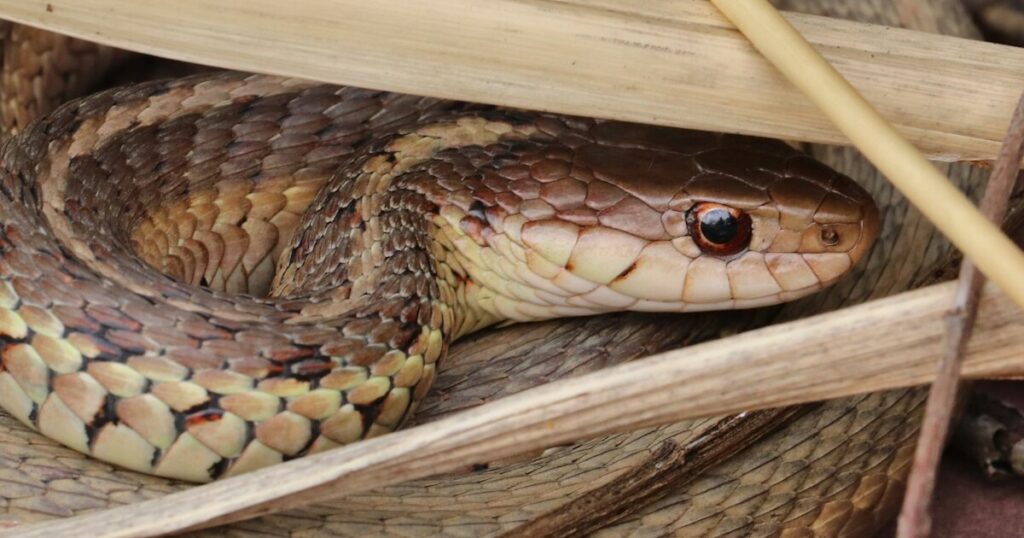
Snakes follow their dinner, so unregulated rodent populations practically send an open invitation. I set out covered, tamper-proof bait stations for voles and gophers before seed planting, and those measures cut down on the small mammals that once plagued my squash patch!
Consider planting mint (Mentha spp.), which is native to Europe and Asia and can deter rodents with its strong scent—just be sure to contain it, as mint can be invasive if left unchecked. Fewer rodents mean fewer snakes, and a minty boundary offers aromatic charm to boot.
Install Fine-Mesh Barriers

A buried barrier of galvanized hardware cloth (mesh no larger than ¼ inch) along low fences or raised beds prevents snakes from slinking underneath. I recall digging a shallow trench around my herb garden and fastening mesh vertically; it was surprisingly easy and stopped garter snakes in their tracks!
This physical barrier also deters burrowing pests and supports beneficial soil organisms by keeping soil structure intact. When you pair mesh with organic mulches on top, you maintain moisture and microbial nesting spaces without inviting unwanted visitors.
Avoid Dense Ground Covers

Ground covers like English ivy (Hedera helix) can become dense thickets that shelter snakes and their prey. While ivy is native to Europe and valued for shade, in many regions it’s invasive and creates unnaturally thick mats. Replacing it with low-growing native sedges or creeping thyme opens sightlines and discourages reptile nesting.
Native sedges (Carex spp.) provide ecological benefits—supporting pollinators and soil invertebrates—without forming impenetrable carpets. This switch not only keeps snakes guessing but also enhances biodiversity with plants well-suited to your local climate.
Manage Moisture and Water Features
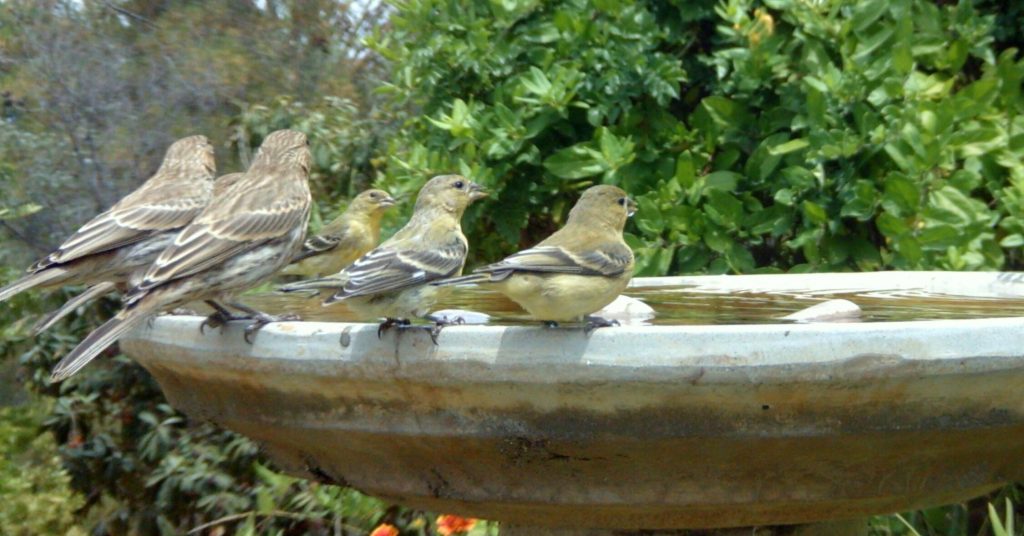
Snakes are drawn to moist environments where frogs, fish, and insects abound. Standing water in birdbaths, fountains, or clogged gutters can become popular hunting grounds. Regularly clean and refresh water sources, and add agitators or small pumps to deter snakes seeking a quiet drink!
If you have a pond, consider installing a rocky or sandy perimeter instead of tall reeds. Native blue flag iris (Iris versicolor) and pickerelweed (Pontederia cordata) offer attractive planting but keep edges clear enough to spot any slithering visitors early—preventing long-term occupancy.
Encourage Natural Predators

Owls, hawks, and foxes help keep rodent numbers in check, indirectly reducing snake attraction. I built a simple raptor perch using an old fence post in my yard’s corner—within weeks, kestrels began hunting overhead, shrinking the vole population significantly!
Planting berry-producing shrubs like serviceberry (Amelanchier alnifolia), native to North America, supports songbirds that also prey on small mammals. This layered approach strengthens your garden’s defense line, establishing a balanced ecosystem where snakes aren’t the only predators on duty.
Use Aromatic, Repellent Plants
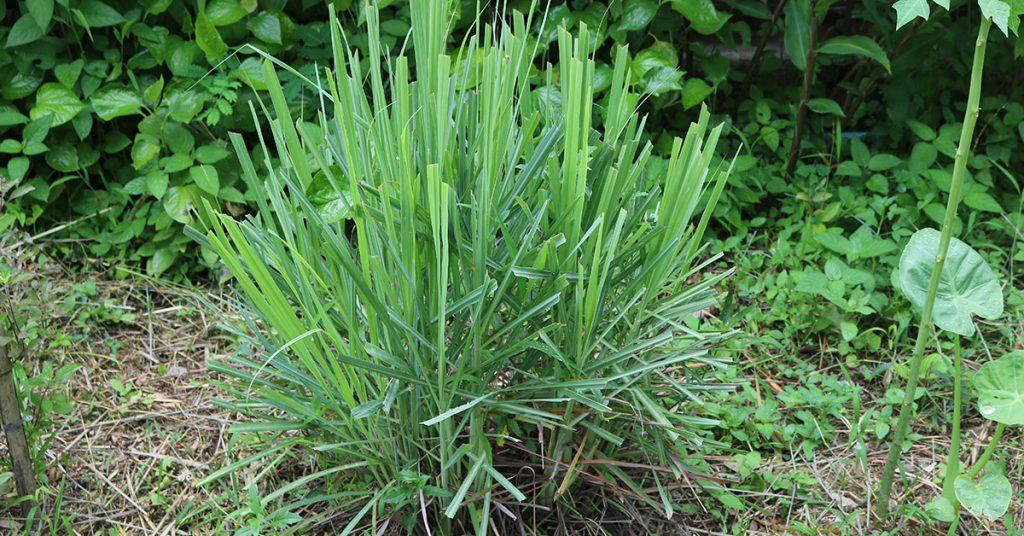
Certain plants emit scents that snakes tend to avoid. Lemongrass (Cymbopogon citratus), native to Southeast Asia, releases citral-rich oils that can mask the odor trails snakes follow. I tuck pots of lemongrass near gate entrances, and I swear it has cut down chance encounters!
Similarly, garlic and chives (Allium schoenoprasum), though native to Eurasia, are non-invasive and create a pungent barrier when planted around garden edges. The combined aroma repels rodents as well, making these edible deterrents a double win for fragrance and function.
Keep Garden Lights Minimal

Bright lights at night attract insects, which draw frogs and rodents—and eventually snakes. Installing motion-activated or low-intensity amber LED lights minimizes insect gatherings. I replaced my fixed floodlights with soft path lighting, and nocturnal snake sightings near my raised beds dropped dramatically!
Reducing night-time illumination not only cuts down on garden pests but also respects nocturnal pollinators and wildlife. A dim, well-placed glow allows you to navigate without turning your yard into a wildlife nightclub.