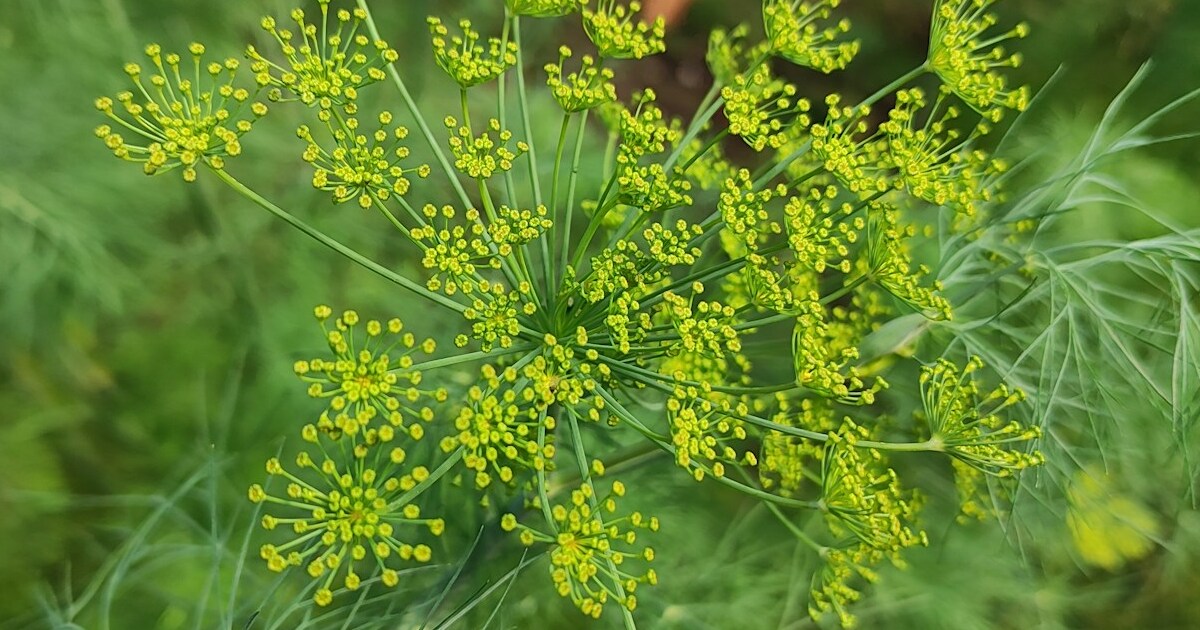

There’s something so welcoming about the soft fronds of dill swaying beside your entryway—it greets every guest with delicate movement and a gentle, herbaceous scent. As a gardener who’s always on the lookout for plants that combine beauty, functionality, and a bit of magic, I can’t help but get excited about placing dill right where you come and go each day. Not only does it offer fresh sprigs for your kitchen adventures, but it also brings a lively ecosystem of beneficial insects and adds a touch of old-world charm to your doorstep!
I know how frustrating it can be to scramble for a garnish or lament a lackluster garden edge. Dill solves both problems: it’s easy to grow, thrives in pots or ground, and rarely becomes invasive—even though it’s native to Europe and western Asia, it happily self-seeds in most climates without overtaking the garden. So let’s explore ten fantastic reasons to pop a pot or two of dill right by your front door!
Companion Plant Benefits

One of my favorite gardening hacks is using dill as a companion plant—especially near tomatoes and brassicas. The feathery foliage attracts tiny predatory wasps and hoverflies, which lay their eggs on pest insects like aphids and caterpillars. Watching those beneficials nestle among the dill fronds feels like hosting a mini nature reserve at your doorstep!
Beyond pest control, dill’s deep taproots help break up compacted soil, improving drainage and nutrient flow for nearby plants. If you’ve ever wrestled with soggy ground by your doorsteps after heavy rain, growing dill nearby is a simple way to encourage a healthier soil structure over time.
Natural Pest Repellent

Say goodbye to pesky mosquitoes and gnats buzzing around your entryway! Dill emits volatile oils that many flying pests find off-putting. I’ve noticed that evenings spent near my porch are far more pleasant when a cluster of dill pots is releasing its gentle aroma—no chemical sprays required!
It’s such a relief knowing that while you’re greeting guests or unpacking groceries, dill is quietly working to deter unwanted visitors. Plus, it’s non-toxic to pets and wildlife, so you can enjoy that pest protection worry-free.
Aromatic Welcome
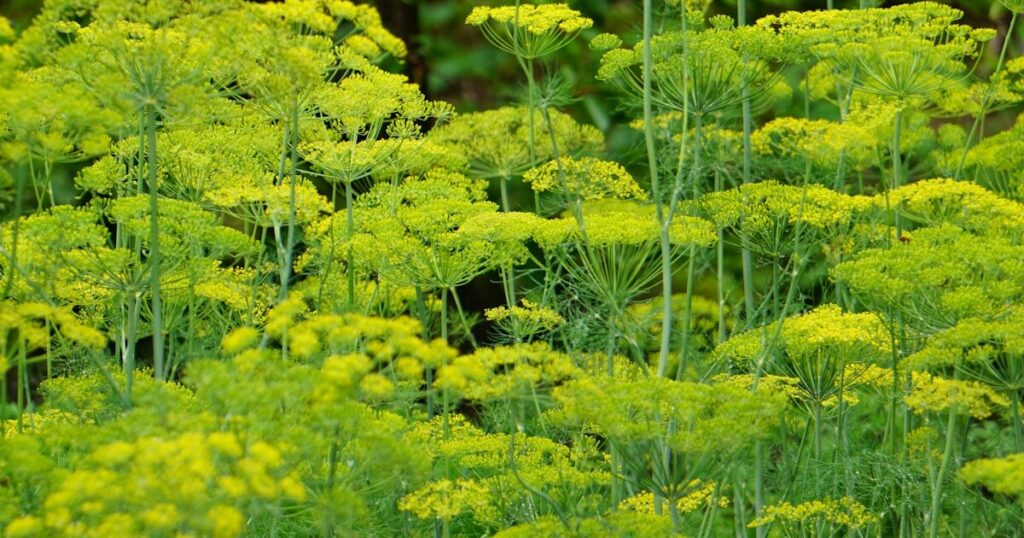
Every time I walk past my front door, I can’t resist brushing my hand against the dill fronds to release that unmistakable scent of fresh herbs. It’s like having a living diffuser that signals “welcome” with a burst of bright, anise-like fragrance!
This aromatic charm isn’t just pleasant for humans—many bees and butterflies are drawn to dill’s scent, too. Having that fragrant beacon at your doorstep essentially creates a tiny pollinator highway right into your garden beds.
Culinary Convenience

Imagine harvesting a handful of tender dill sprigs the moment you step inside, ready for gravlax, potato salad, or a dill-infused cocktail garnish. I know how frustrating it is to dash back to the garden in your socks—planting dill by your front door means you’re always just a step away from fresh flavor!
Because dill grows so quickly—often ready for snipping within six weeks of sowing—you’ll never run out during its growing season. It’s incredibly satisfying to grab a pinch of fresh leaves straight from the pot, knowing you’re using herbs at peak freshness and aroma.
Pollinator Magnet
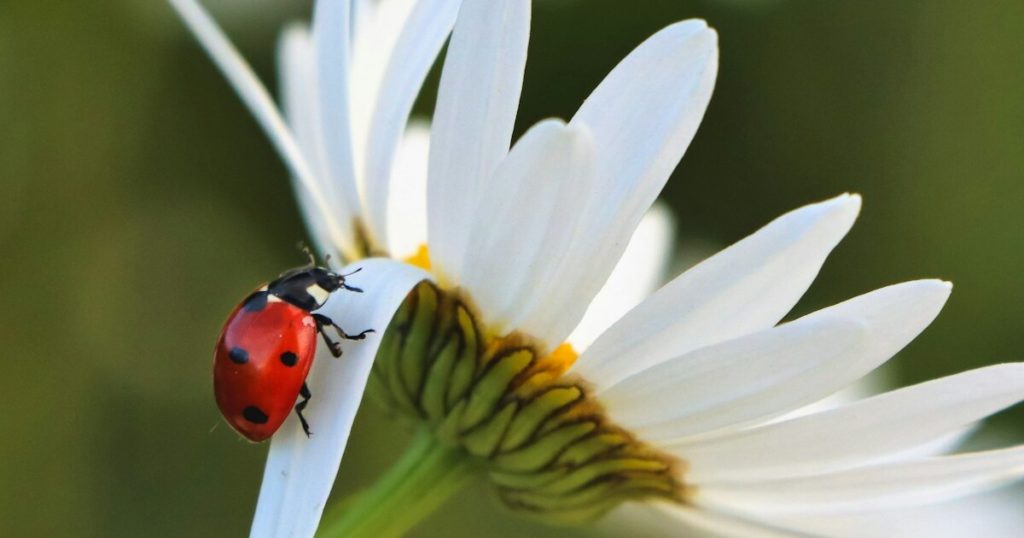
As soon as dill reaches its mature, umbrella-shaped blooms, it becomes a magnet for beneficial pollinators—hoverflies, ladybugs, lacewings, and a variety of wild bees flock to those nectar-rich flowers! I love watching lacewings nestle in the tiny blossoms, offering natural pest control right by my doorstep.
By placing dill at your entry point, you’re also creating a stage for these pollinators to begin their busy work before they venture deeper into your flower beds. It’s like setting up a welcome station for your garden’s hardest workers!
Low Maintenance
If you’re anything like me, you appreciate plants that thrive on a little neglect. Dill is remarkably forgiving: it tolerates a range of soils as long as there’s good drainage, and it can handle partial shade to full sun. I’ve seen seedlings pop up in cracks of container mixes or even in recycled grow bags without fuss!
Those delicate root systems may look fragile, but dill seedlings establish rapidly and rarely suffer from root-bound stress. That means less time repotting or fussing—and more time enjoying that cheerful green foliage.
Elegant Ornamental Appeal
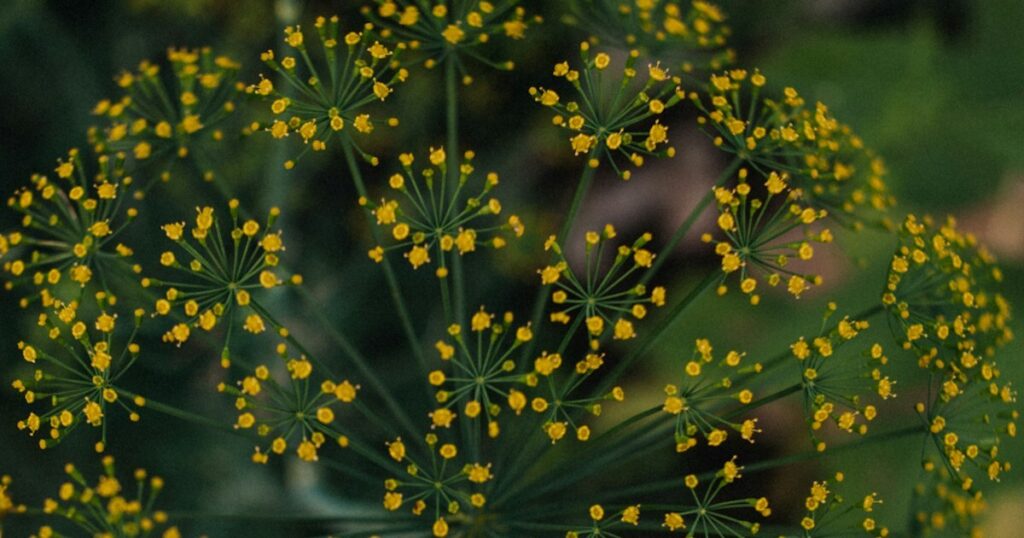
Dill’s lacy foliage and graceful flower umbels lend a cottage-garden vibe that instantly softens hardscape edges. I often combine it with lavender and catmint to create a relaxed, dreamy entry garden. The vertical stems and airy seed heads catch the light beautifully at dawn and dusk!
Even after its bloom cycle, dried dill stalks add structural interest well into autumn. I’ve left spent umbels standing by my front door through frost, and they still looked enchanting dusted with morning dew.
Self-Seeding Annual

One of the delights of growing dill is its effortless self-seeding habit. Once blooms fade and seeds ripen, you’ll often see tiny seedlings appear the following spring—no greenhouse required! This natural nesting behavior ensures you’ll have dill volunteers popping up year after year.
I find it so charming when those baby seedlings emerge around my porch, like a green confetti party. You can thin them to the strongest plants or let them fill in gaps—either way, you’re rewarded with a perennial cycle of fresh dill with minimal effort.
Medicinal Uses Close at Hand

Did you know dill has been used medicinally for centuries? Its seeds and leaves may aid digestion, soothe colic, and even freshen breath. Having dill right by your door means you can harvest a small bouquet for a calming herbal tea remedy whenever stomach woes strike.
I always keep a jar of dill seed on my spice shelf, but having fresh fronds at arm’s reach makes it easy to dry or steep new batches. It’s empowering to know that a simple herb beside your entrance doubles as a pocket apothecary!
Cultural and Historical Charm
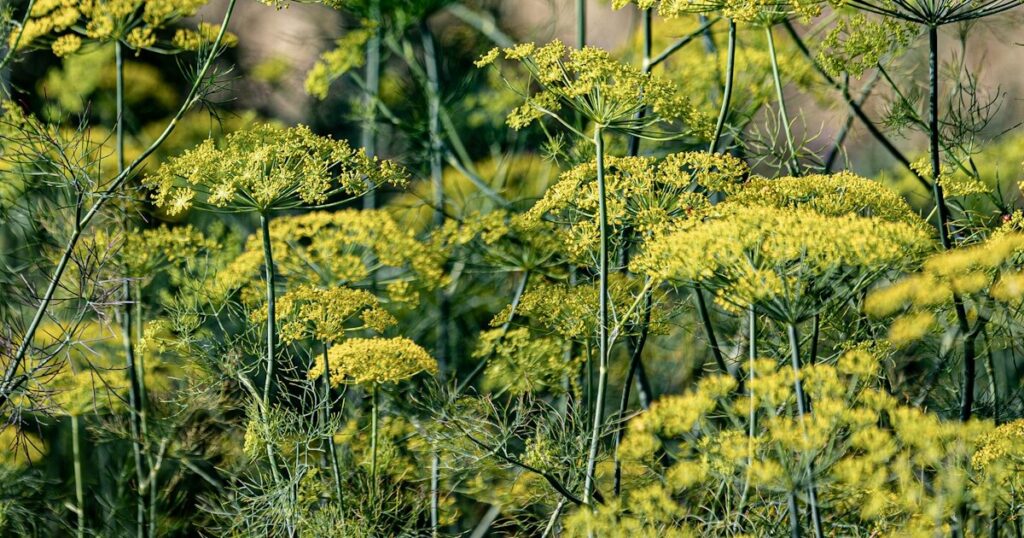
Planting dill by your front door connects you to traditions dating back to ancient Greece, where dill represented wealth and good health. In medieval Europe, dill was thought to ward off witchcraft and protect travelers—what a delightful bit of folklore to share with guests as they cross your threshold!
Embracing these storied roots adds an extra layer of meaning to your doorstep garden. Every time I pass under my arch of dill, I feel rooted in a living history—one that celebrates nature’s grace, practicality, and enduring mystique.