
I’m so excited to dive into why proper storage of your freshly harvested veggies is absolutely essential! Whether you’ve just plucked plump tomatoes—native to the highlands of western South America and known to volunteer wildly if composted—or crisp cabbages, descendants of wild Brassica oleracea from European coastal cliffs, how you store them can make or break their quality. I know how gratifying it is to bite into a juicy tomato or slice into a sweet potato that’s been grown from slips of Central American origin! But without the right conditions, even the freshest veggies can lose flavor, nutrition, and firmness in days.
It’s such a bummer when all that hard work in the garden goes to waste because of soggy lettuce leaves or moldy squash. Proper storage isn’t just about tucking produce into the crisper drawer—it’s about understanding each vegetable’s native habitat, moisture needs, and susceptibility to pests or invasive volunteers. From potatoes that sprout all over your compost pile to zucchini seedlings that race across the garden, managing post-harvest conditions helps you capture the peak of freshness and extend your bounty’s life. Let’s explore nine compelling reasons why proper storage matters!
Prevents Spoilage and Microbial Growth

Warm, damp conditions invite mold and bacteria to feast on cucumbers—native to South Asia—and cause slimy decay within days. Storing them at around 50°F with high humidity slows microbial activity, giving you a crisp snack rather than a slimy mess. It’s such a relief to open your fridge to perfect cukes, free from fuzzy patches!
Bell peppers—descended from Central American wild peppers—also harbor a high moisture content that can lead to soft spots and rot. Wrapping them loosely in paper towels and keeping them in the crisper drawer cuts moisture contact, thwarting molds and extending their life. Proper storage keeps your dishes vibrant and safe!
Maintains Flavor and Texture
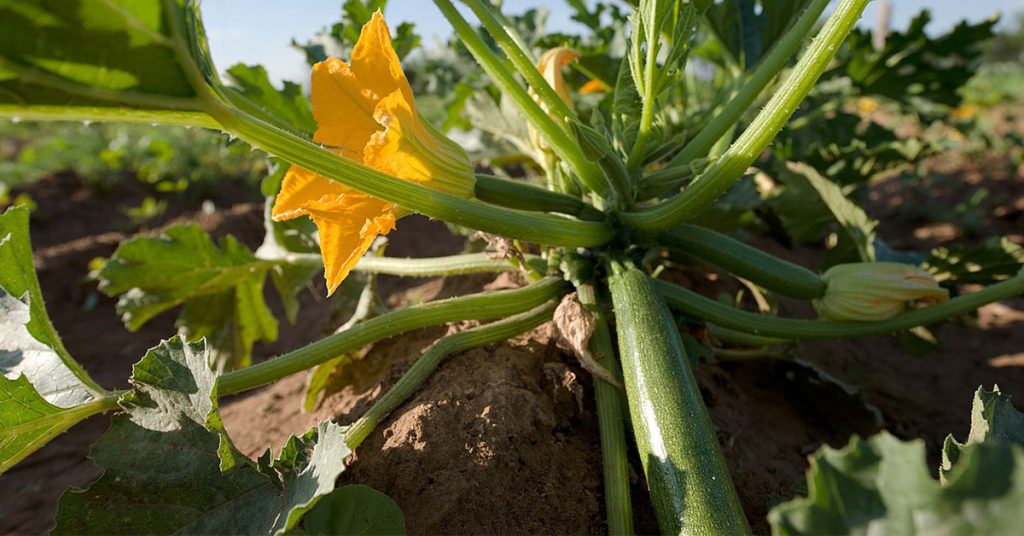
Imagine biting into a zucchini—originally domesticated in Mesoamerica—only to find it mushy and bland. Improper storage can break down cell walls in fruits and vegetables, leading to disappointing texture and diminished taste. Storing zucchini in a cool, humid environment preserves its signature snap and sweetness.
Potatoes, native to the Andes, are another example: if refrigerated too cold, their starch converts to sugar, resulting in an overly sweet flavor and odd discoloration when cooked. Keeping them in a dark, cool (50–55°F) spot prevents this and retains that earthy, satisfying taste we expect from a homegrown harvest. It’s thrilling to serve perfect-roast potatoes that taste just as they did straight from the garden!
Controls Ethylene Exposure Among Produce

Certain fruits—like heirloom tomatoes from South America—emit ethylene gas as they ripen, which can prematurely age nearby vegetables such as broccoli or lettuce (native to the Mediterranean). Separating ethylene producers from sensitive greens in distinct storage areas prevents wilting, yellowing, and flavor loss.
I once stored freshly picked tomatoes next to my winter squash, only to find the squash softening prematurely. Learning to group produce by ethylene sensitivity—using ventilated bins or separate drawers—has salvaged countless heads of cabbage and bunches of chard. It’s like orchestrating a silent symphony, ensuring each vegetable performs at its best!
Extends Shelf Life and Reduces Waste
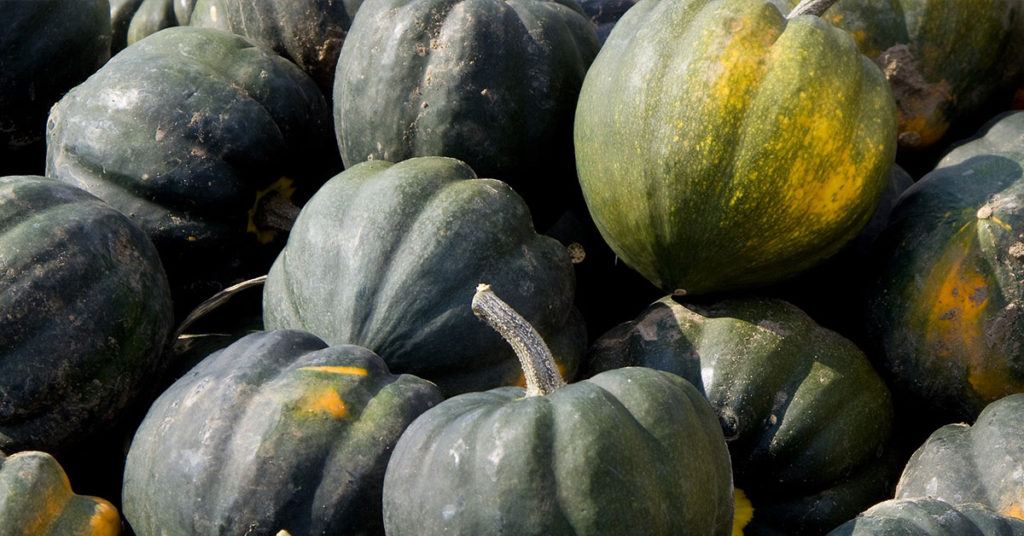
One of my favorite sights is a row of perfectly stored winter squash—like acorn and butternut, both originating from North America’s woodlands—lining a cool basement shelf well into spring. Proper conditions can keep these fruits firm for months, whereas tossing them in a warm corner lets them rot in weeks. Extending shelf life reduces the piles of spoiled veggies that end up in compost bins.
When you store leafy greens such as kale (native to the eastern Mediterranean) in high-humidity crisper drawers, they can stay crisp for up to two weeks instead of wilting in three. That extra life span means fewer trips to the grocery store and more time enjoying your garden’s rewards. It’s such a thrill to pull out a fresh bundle of spinach—also from Central Asia—when other gardens are shutting down for the season!
Preserves Nutritional Content
Tomatoes, hailing from the Andes of Peru and Ecuador, are packed with vitamin C and lycopene—both of which degrade rapidly if stored at room temperature for long. By chilling them just enough (around 55°F), you slow that nutrient breakdown without compromising flavor. It’s a delicate balance, but one that keeps every bite as healthful as possible.
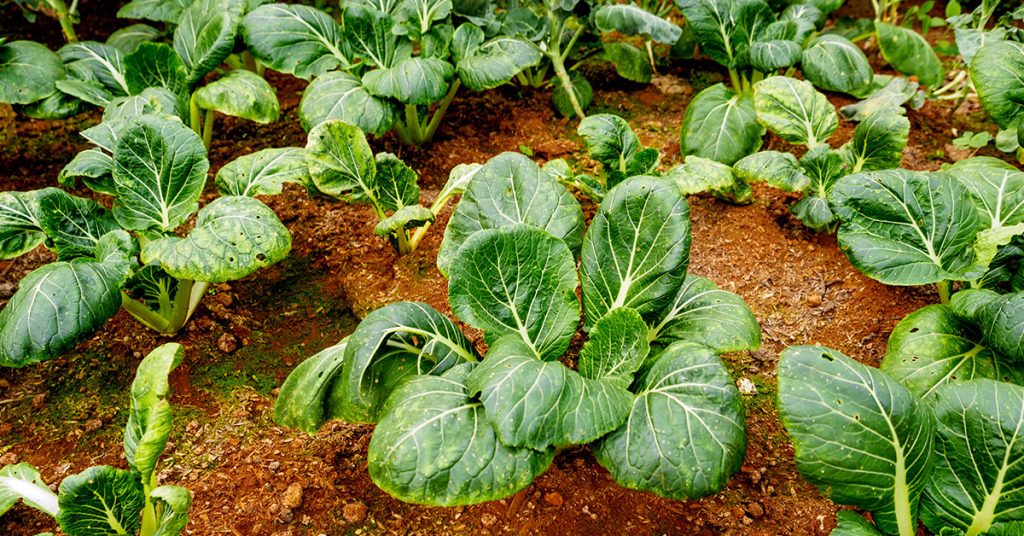
Leafy greens like collards—descended from Brassica species on European coastal cliffs—are similarly prone to losing vitamin K and folate if left in warm, damp conditions. Storing them wrapped loosely in damp cloth or breathable bags in the fridge locks in those precious micronutrients. I love knowing that my carefully tended kale still offers that hearty nutritional punch weeks after harvest!
Protects Against Pests and Rodents

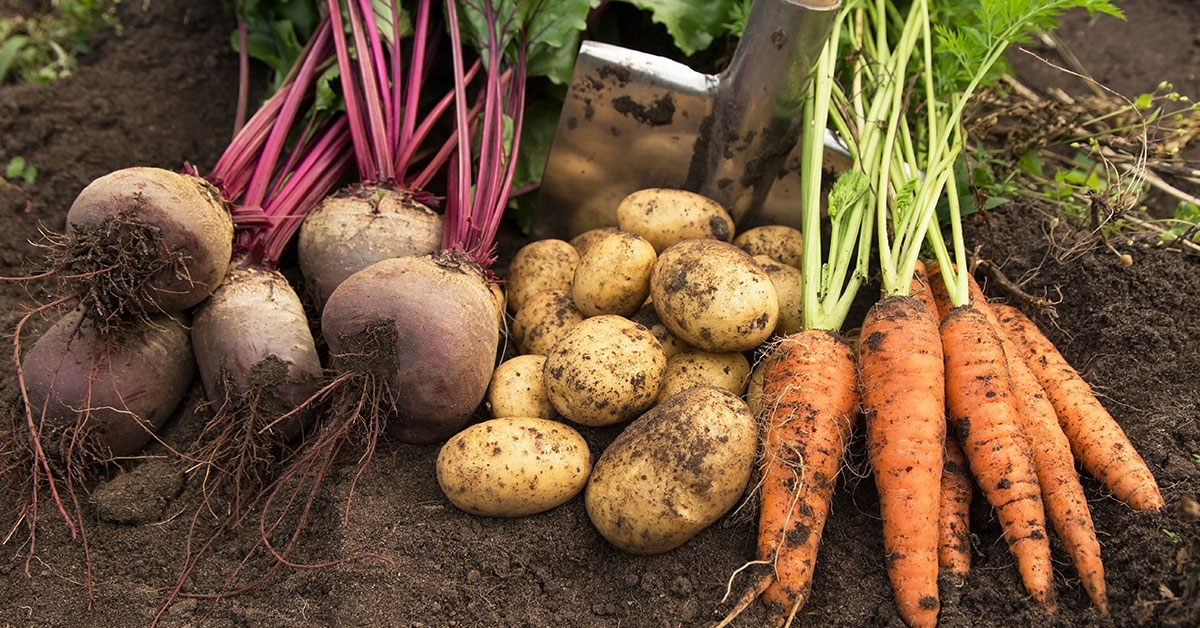
Left unattended, root vegetables like carrots—native to Central Asia and once spread invasively across Europe—can attract pantry moths, rodents, and weevils that seek out starchy tubers. Proper storage in sealed containers or cool, well-ventilated root cellars prevents those critters from nesting among your harvest. I know how frustrating it is to find half-eaten potatoes—descended from wild Andean tubers—gnawed at the edges before you even had a chance to cook them!
By storing carrots, beets, and sweet potatoes at consistent temperatures (ideally 50–60°F) and moderate humidity, you deny pests the warm, damp conditions they love. It’s like recreating their native alpine or riverbank environments—moist enough to keep roots crisp but cool enough to discourage unwelcome guests. Your vegetables—and your pantry—will thank you!
Saves Money and Resources
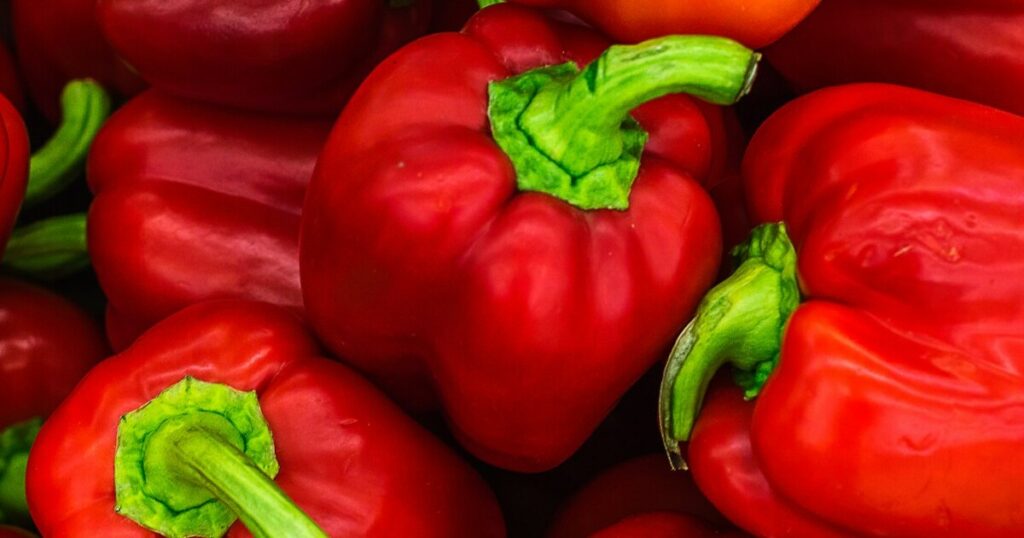
Throwing away spoiled produce—like bell peppers or tomatoes—feels like flushing both food and hard-earned nutrients down the drain. Proper storage slashes your grocery bill by keeping your homegrown and store-bought veggies edible longer. Imagine stretching a single broccoli head—native to the Italian Mediterranean—all week with the right humidity!
Beyond groceries, reducing waste eases the burden on municipal compost and landfill systems. I love knowing that my careful storage habits minimize environmental impact and make every seed planted count. Fewer shopping trips and less waste translate into savings that add up season after season!
Allows for Seasonal Enjoyment Year-Round
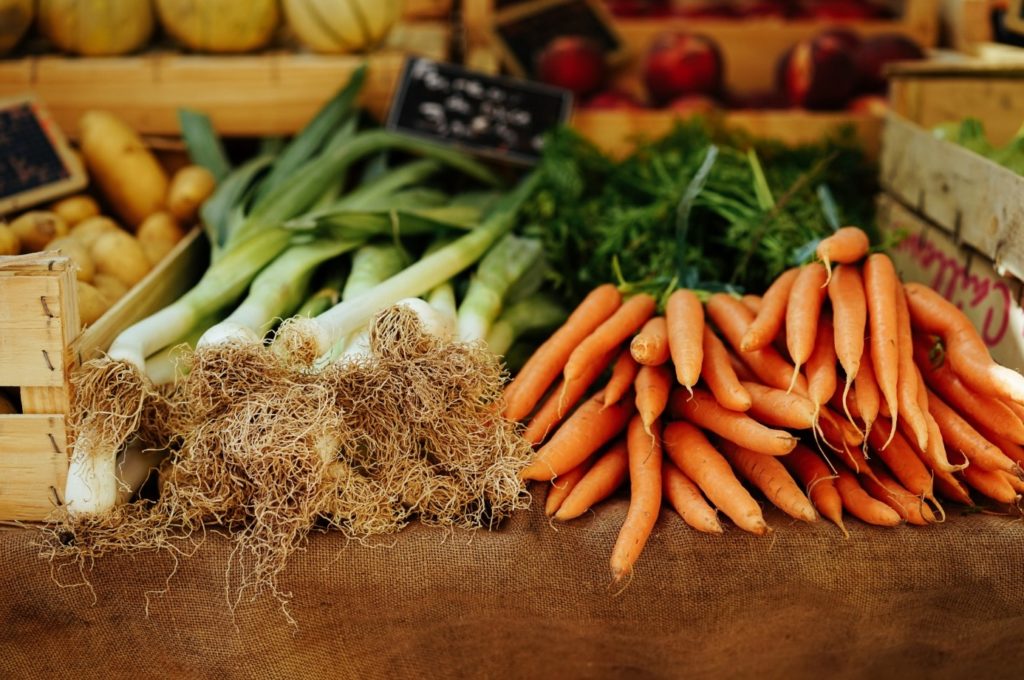
Carrots can be stored in damp sand bins through winter, giving you fresh root veggies long after garden production ends. Likewise, onions—native to Central Asia—cure and store in cool, dry conditions for months. Proper storage techniques let you savor your summer bounty even in snowy January!
One of my favorite winter soups features roasted squash—like kabocha, from East Asia—harvested in October and stored perfectly in a root cellar. Without a root cellar or proper fridge settings, these gems would spoil too soon. Year-round enjoyment is a joy worth the small effort!