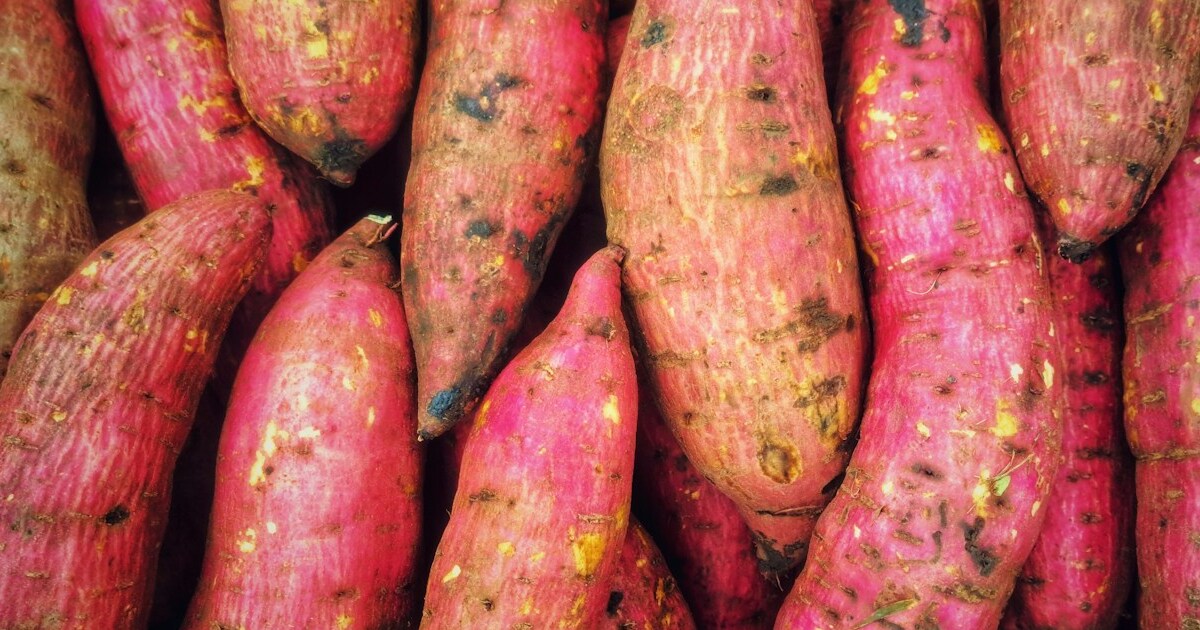

Sweet potatoes (Ipomoea batatas) trace their roots back to the tropical lowlands of Central and South America, where they sprawled across sun-drenched riverbanks and attracted native pollinators—like solitary bees—that nested in nearby bare patches of soil. These vigorous vines can become invasive in frost-free climates, sending up volunteer plants if tubers are left behind. I know how thrilling it is to taste that first tender roast potato, and how frustrating it can feel when a season of hard work yields spindly roots or pest-ravaged vines! By learning from common missteps, you’ll set the stage for plump, sweet harvests.
Whether you’re a slip-starting novice or a seasoned gardener expanding your patch, avoiding these twelve pitfalls will transform your sweet potato growing experience. From understanding the importance of soil temperature to honoring crop rotation, each tip is drawn from hands-on garden tales—complete with trials, triumphs, and a few unexpected wireworm encounters! Let’s dive in and keep those vines—and your spirits—climbing skyward.
Choosing the wrong variety
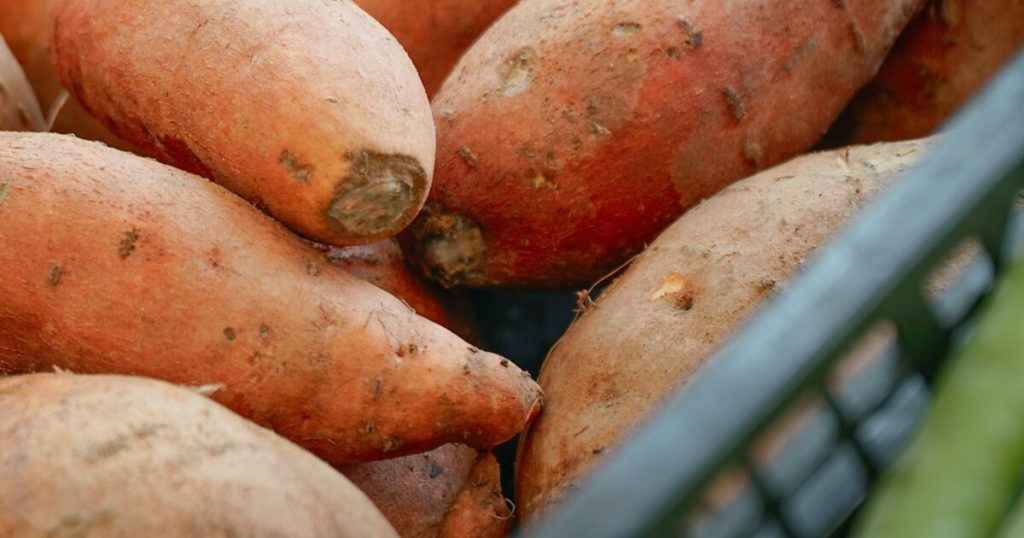
Not all sweet potato cultivars perform equally in every region. Some heirlooms excel in heat but struggle in cooler climates, while modern hybrids like ‘Beauregard’ or ‘Covington’ have been bred for consistent yields and disease resistance. Planting a variety unsuited to your season length or soil type can lead to small tubers and vine dieback before maturity.
I once planted a tropical-adapted variety in my zone 7 garden and watched the vines shrivel as soon as nights dipped below 60°F. Research local recommendations and source certified disease-free slips from reputable growers to avoid inadvertently introducing invasive volunteers or soil-borne pathogens. The right variety sets the foundation for success!
Planting at incorrect soil temperature

Sweet potatoes thrive when soil temperatures reach at least 65°F, reflecting their tropical heritage. Sinking slips into cold earth shocks roots, slows establishment, and invites rot. I learned this the hard way after an early-May planting—those chilled slips languished, giving weeds a head start and inviting root issues.
Use a soil thermometer and wait until both daytime highs and soil consistently stay warm. If you’re eager to get going, start slips in pots indoors, then transplant once the ground warms. This simple step ensures vigorous root growth and stronger vines ready to produce high yields!
Neglecting soil preparation and drainage

In their native river valleys, sweet potatoes grew in loose, sandy loam that drained freely. Planting them in heavy clay or compacted beds leads to misshapen tubers, rot, and poor yields. My first patch sat in garden soil without amendment, and I ended up with fat, rotting roots near the drainage-impaired bottom of the bed!
Before planting, loosen soil to at least 12 inches and blend in plenty of compost or well-aged manure plus coarse sand or perlite. This mimics their native substrate, promotes healthy root expansion, and prevents waterlogging—transforming your bed into a tuber’s dream!
Overwatering sweet potatoes

While vines love steady moisture, sweet potato roots need periodic drying to encourage tuber formation. Overwatering mimics swampy conditions and can cause rot or encourage fungal diseases. I used to water daily, only to find a soggy patch full of slimy, unusable tubers.
Aim for deep, infrequent watering—about one inch per week—allowing the top two inches of soil to dry between sessions. Mulching (see later) helps retain moisture while preventing that all-too-common overwatering trap. Balanced hydration keeps roots plump without drowning them!
Under-fertilizing or wrong fertilization timing
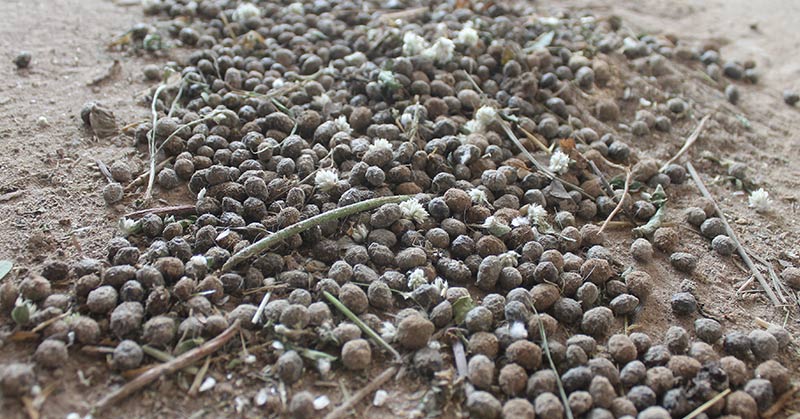
Because sweet potatoes evolved in nutrient-rich floodplains, they appreciate an initial feeding and a midseason boost. Skipping fertilizer or applying too much nitrogen early leads to luxuriant vine growth but few or small tubers—tough when you’re craving big, sweet roots!
Work a balanced organic fertilizer or compost into the bed at planting, then side-dress with a phosphorus-rich amendment when vines begin to run. This encourages flower and tuber initiation rather than endless leafy growth. Proper feeding translates directly into higher yields!
Crowding slips too closely

In their wild range, sweet potato vines sprawled widely, each plant claiming ample space for root expansion. Planting slips closer than 12–18 inches forces tubers to compete, resulting in slender or malformed roots—and makes weeding a nightmare!
I once squeezed my 10-foot row into a narrow raised bed, only to end up with spindly potatoes. Give each slip room to spread both above and below ground. With proper spacing, vines won’t tangle, airflow improves (reducing disease), and tubers have plenty of elbow room to bulk up!
Failing to hill soil around vines
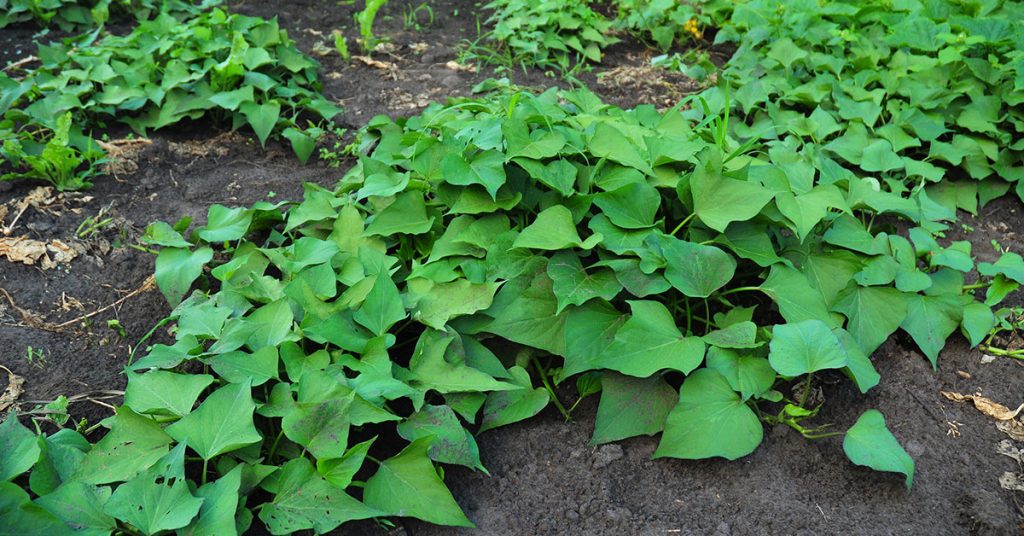
Hilling soil or mulch around sweet potato vines encourages new tubers along the buried stems. Skipping this practice limits root formation to a shallow zone, capping yields. I watched yields double the season I started mounding soil gently against the runners every few weeks!
Use loose soil or straw to build small ridges beside each vine, covering only the trailing stems—not the foliage. This simple technique transforms extra vine growth into additional harvestable roots, making the most of every vine!
Skipping crop rotation

Planting sweet potatoes in the same spot each year invites soil-borne nematodes and fungal pathogens to build up, reducing yields and damaging roots. In Central America, where wild sweet potatoes originated, shifting cultivation naturally broke pest cycles.
Rotate your bed with non-solanaceous crops—like legumes, brassicas, or grains—for at least two seasons before returning sweet potatoes. This disruption of pest life cycles refreshes your soil and keeps your sweet potato patch productive year after year!
Ignoring pest and disease monitoring
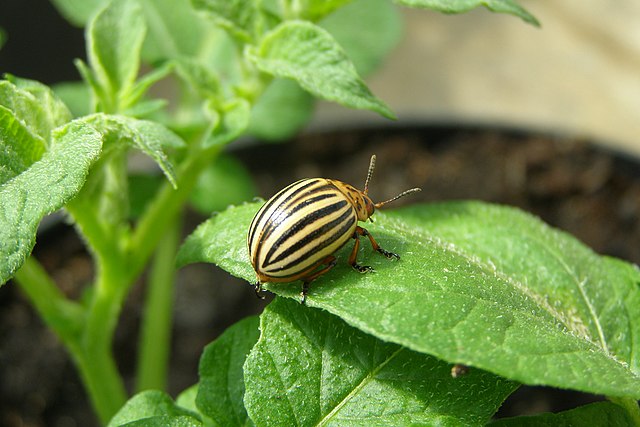
Sweet potato weevils, wireworms, and foliar diseases like black rot can decimate roots and vines if left unchecked. In their native ecosystems, sweet potatoes coexisted with predator insects that kept pest populations in balance—your garden needs similar vigilance.
Scout weekly: peel back soil around tubers to check for larvae, inspect leaves for yellow spots or wilt, and remove any damaged roots promptly. Beneficial predators, such as ground beetles, appreciate a bit of mulch and undisturbed soil—so avoid broad-spectrum insecticides. Early detection is the key to protecting those sweet treasures!
Harvesting at the wrong time
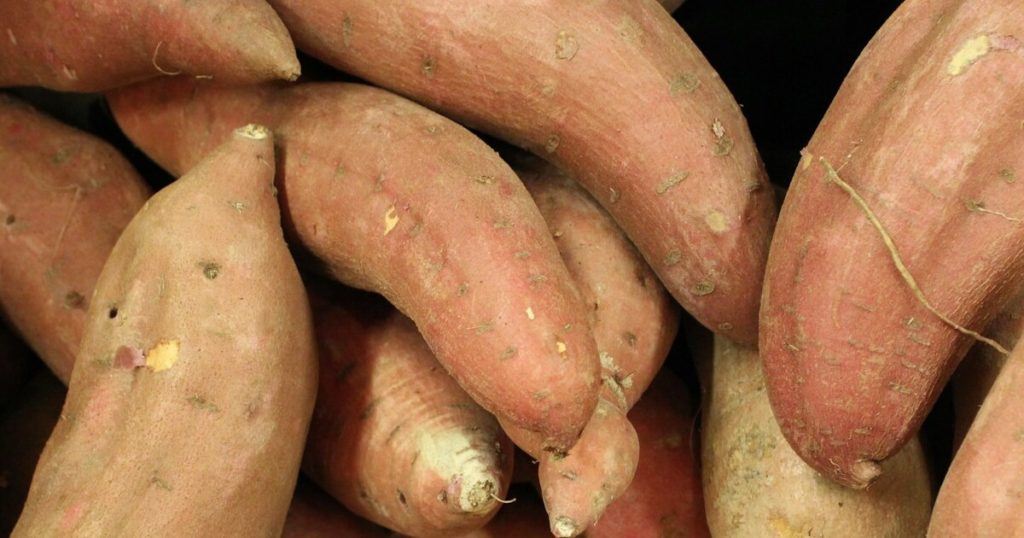
Digging too early yields small, pale roots, while waiting too long risks oversized, cracked tubers or spring sprouting. Sweet potatoes native to tropical climates matured in sync with rainy-season ends—your harvest window hinges on days to maturity (usually 90–120 days after planting).
Monitor vine yellowing as a signal: when about half the foliage fades, it’s time to harvest before the first heavy frost. Use a fork to gently lift roots—jostling them can bruise the skin and invite rot. Timely harvesting ensures firm, sweet roots that store well!
Improper curing and storage

Freshly dug sweet potatoes need curing—holding them at 85°F and high humidity (85–90%) for about 10 days—to convert starches to sugars and heal minor skin nicks. Skipping this step delivers bland, less sweet roots that spoil faster.
After curing, store tubers at 55–60°F in a dark, well-ventilated area. Too-cold storage causes chill injury, while excess warmth invites rot. Proper curing and cool storage preserve that delectable sweetness and give you delicious potatoes for months!
Overlooking pollinator and beneficial insect habitat
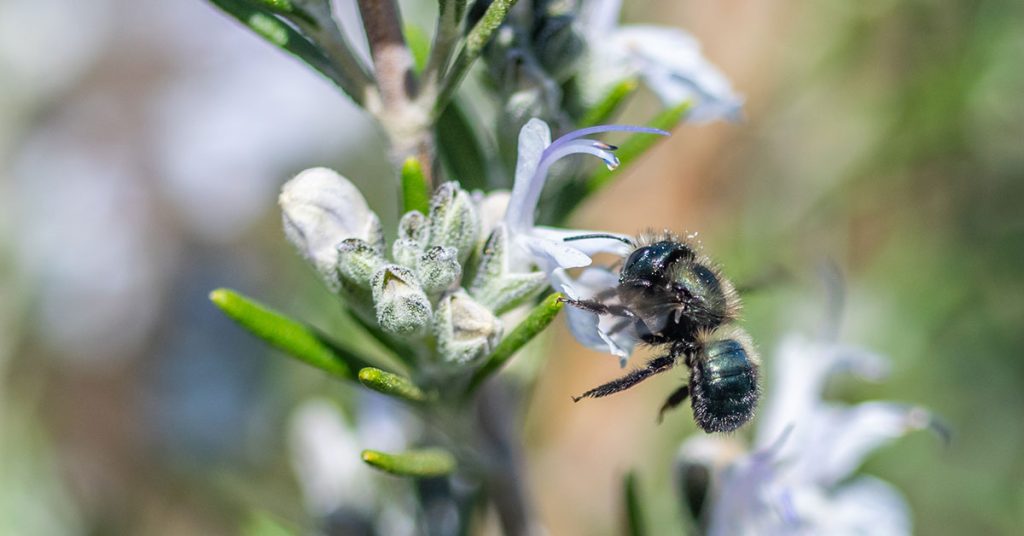
Although sweet potatoes are primarily grown for their tubers, their lavender blooms attract native mason and solitary bees that nest in bare soil patches. Ignoring these pollinators means missing out on healthy vine flowering and the ecosystem benefits they bring.
Leave small, undisturbed patches of bare soil near your beds, and plant companion flowers—like borage and phacelia—to provision bees with pollen and nectar. Encouraging beneficial insects reduces pest pressure and enhances overall garden vitality, making your sweet potato patch hum with life!