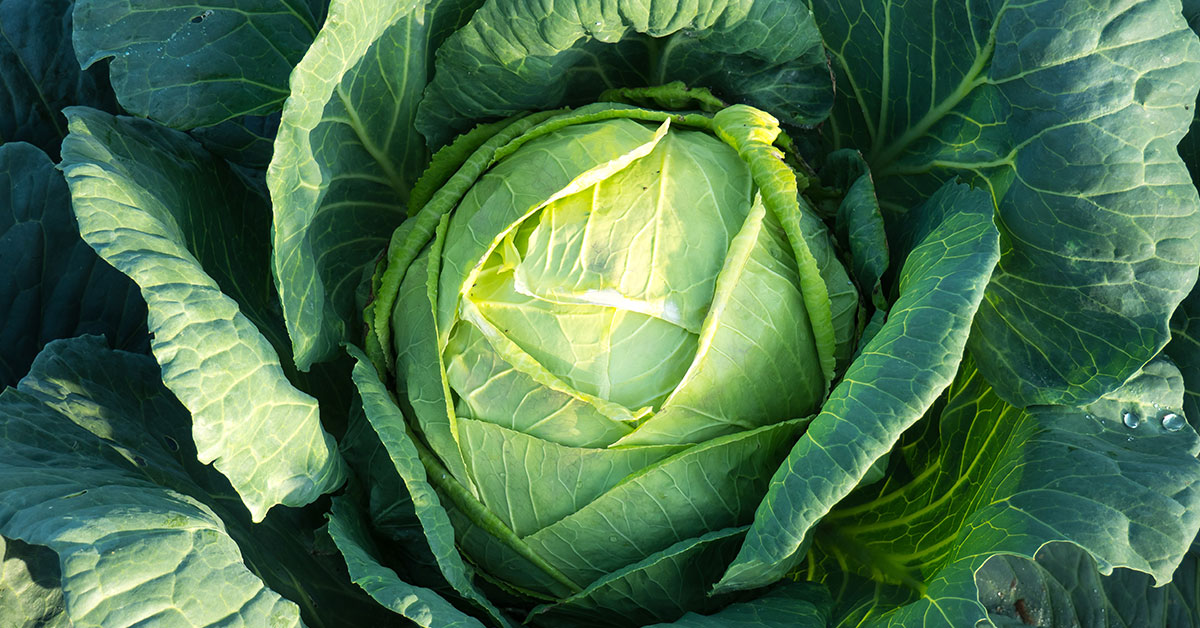

Growing cabbage—those sturdy, leafy heads descended from wild Brassica oleracea in the coastal cliffs of northern Europe—can be immensely rewarding. I love the moment when a tight, vivid green head forms, promising crunchy salads and hearty stews. Yet, it’s such a bummer when your plants bolt in the heat or succumb to voracious caterpillars before you’ve even had a taste! In its native habitat, cabbage’s wild relatives spread along rocky shorelines, tolerating salty sea spray and poor soils—but in our gardens, they rely on us to mimic those conditions and avoid common pitfalls.
Whether you’re a first-time grower or a kale veteran branching out, steering clear of these mistakes will ensure your cabbage patch thrives. From timing your sowing just right to mastering soil pH and warding off pests, these twelve tips will keep your plants vigorous and your harvest plentiful. Let’s dig in and set you on the path to perfect cabbage heads!
Ignoring soil pH and nutrient balance
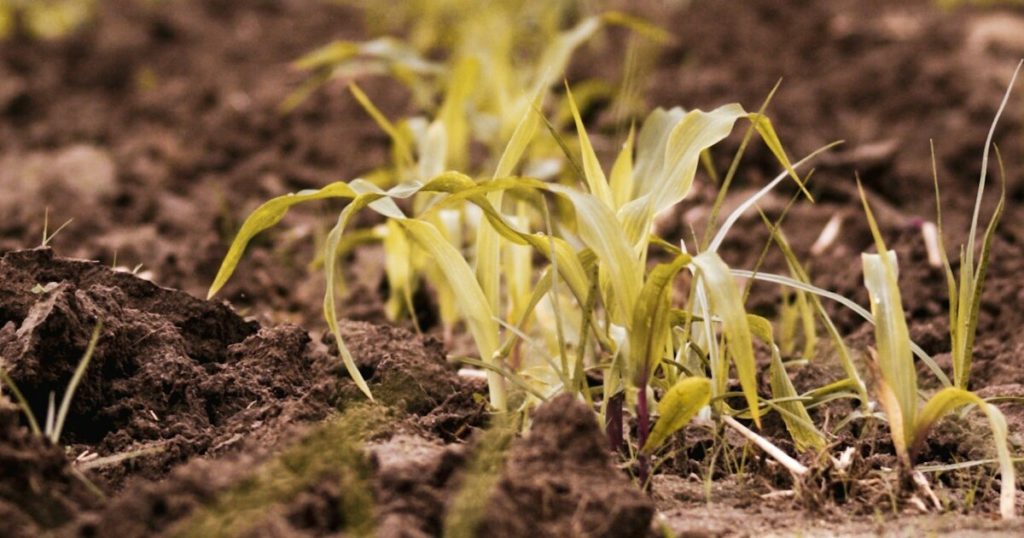
Cabbage thrives in slightly acidic to neutral soils—around pH 6.5 to 7.0—where nutrients like nitrogen, phosphorus, and potassium are readily available. I once planted in untested ground with a pH below 6.0 and watched my seedlings develop yellowed veins, despite daily watering! Without a soil test and appropriate lime or sulfur amendments, essential minerals can lock up, leading to stunted growth and poor head formation.
Before planting, take the time to test and adjust your soil. Incorporate plenty of well-aged compost and a balanced organic fertilizer to mirror the organic-rich soils of cabbage’s native European habitats. With the right pH and nutrient levels, your plants will develop thick stems, dark green leaves, and perfectly dense heads!
Planting too late or too early

Timing is everything with cabbage’s cool-season nature. These hardy brassicas prefer temperatures between 60–70°F; sowing seeds when the soil is too cold leads to slow germination, while planting into summer heat triggers premature bolting and bitter leaves. I learned the hard way by setting out transplants in mid-July, only to see them shoot tall flower stalks as soon as the days warmed.
Plan sowing six to eight weeks before your last spring frost or start a second crop in late summer for a fall harvest. In warmer climates, give young plants afternoon shade to emulate cabbage’s native misty European mornings. Proper timing lets you enjoy crisp, tender heads instead of tough, split ones!
Overcrowding your plants

One of my biggest regrets was sowing cabbage heads just six inches apart—in theory, it would maximize space, but in reality, they choked each other out. In their wild range, cabbage relatives had room to spread across rocky ground, receiving ample air circulation. Crowded plants struggle to access light and nutrients, become stunted, and create humid microclimates where fungal diseases lurk.
Instead, give each cabbage variety the recommended spacing—12–24 inches depending on head size. Thinning seedlings early ensures survivors have room to develop full heads and healthy roots. You’ll notice fewer moldy leaves and plumper cabbages when they don’t have to fight neighbors for space!
Neglecting proper soil preparation

My first cabbage patch in raw, unamended soil produced only scraggly leaves. Cabbage demands a deep bed enriched with organic matter—just as its ancestors flourished on decaying coastal vegetation in Europe. Without loosening the soil to at least eight inches and mixing in compost or well-rotted manure, roots struggle to establish, leading to poor head density.
Take the time to turn your bed well before planting, incorporating coarse sand if your soil is heavy clay to improve drainage. A fertile, friable bed gives cabbage roots the freedom to spread widely, supporting robust heads and reducing the risk of waterlogging in rainy periods!
Failing to thin seedlings
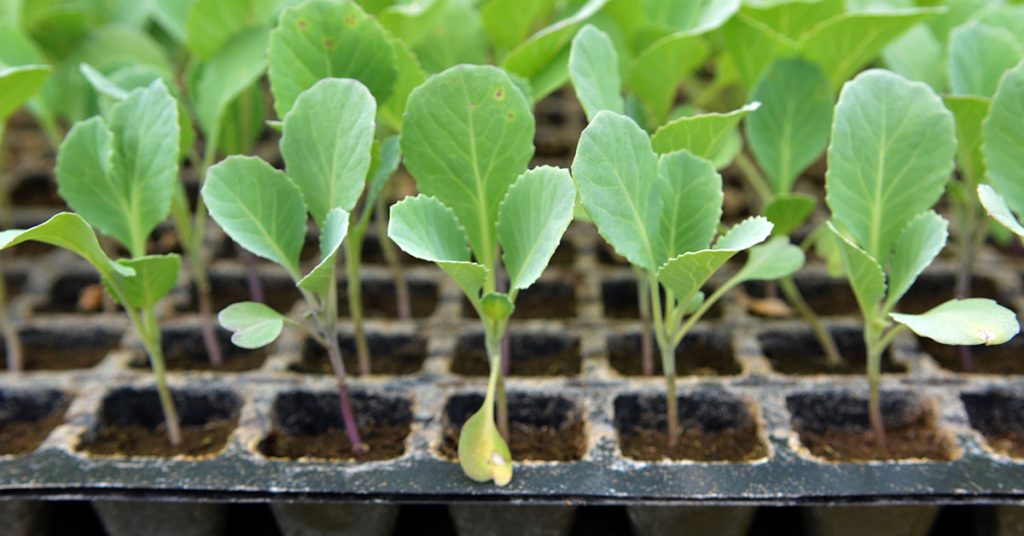
I used to rush through my kale-growing by letting every seedling crowd together—then I transplanted the lot, hoping they’d sort themselves out. Cucumbers thrived, but my cabbages never did. Seedlings left unthinned compete fiercely for tiny patches of soil, becoming leggy and weak. Cabbage’s wild forebears would grow singly on rocky ledges, securing enough nutrients and moisture for healthy development.
To prevent weak starts, thin to the strongest seedling per spot when true leaves emerge. Save extras for companion planting or share them with a neighbor! Strong, well-spaced seedlings translate directly into sturdy stems and tight, flavorful heads.
Overwatering or underwatering
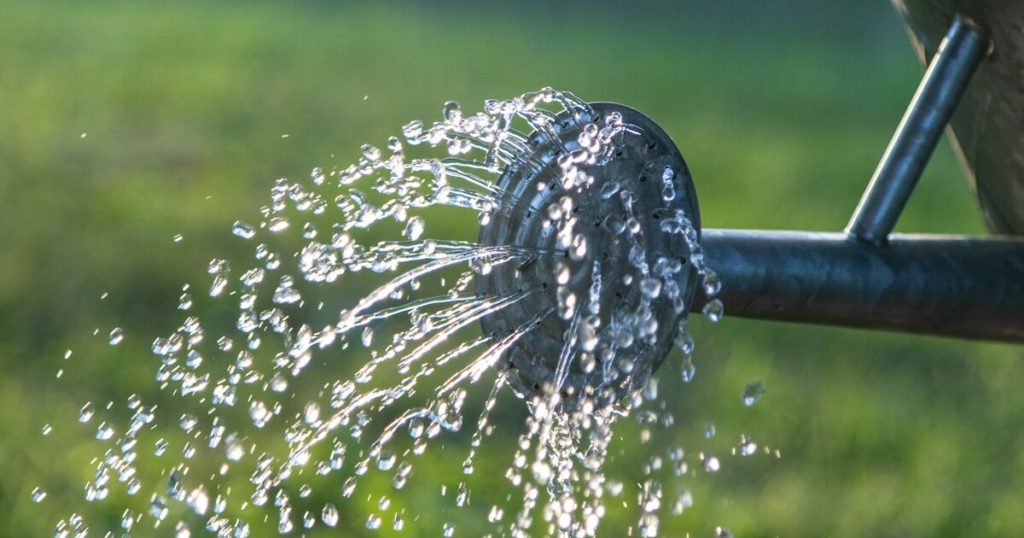
Striking the right moisture balance can feel like walking a tightrope. Cabbage needs consistently moist—but not soggy—soil. I once kept my patch too damp, and small, waterlogged roots invited rot and mildew; another season, I let the soil dry out, and the leaves turned tough and bitter. In Europe’s coastal climates, cabbage receives regular rainfall but also benefits from fast-draining ground.
Aim to water deeply once or twice a week, depending on weather, allowing the top inch of soil to dry slightly between watering. Mulching with straw or shredded leaves reduces evaporation and keeps roots cool. Consistent moisture fosters succulent heads and prevents splitting when rains finally arrive.
Skipping pest monitoring and early intervention

Few things are more heartbreaking than discovering your perfect cabbages riddled with holes from cabbage loopers, imported cabbageworms, or flea beetles. In their native habitats, these brassicas coexisted with various insects—some beneficial, some pests. Indoors or in your garden, neglecting regular scouting lets infestations explode overnight.
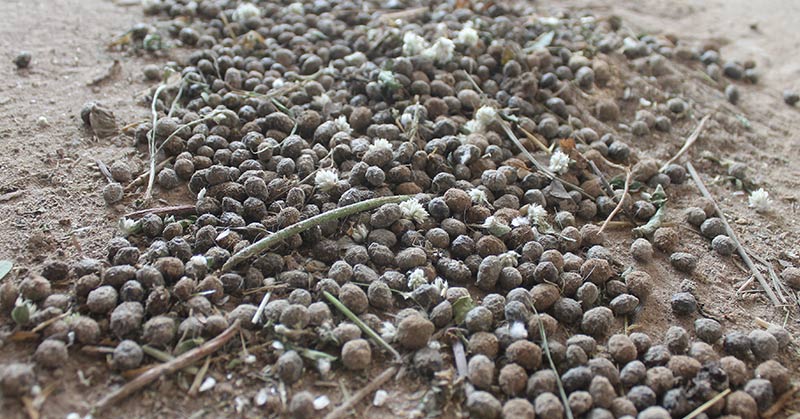
Inspect leaves weekly—especially the underside—for tiny green caterpillars or black specks (fecal droppings). Handpick pests when numbers are low, apply organic neem oil for persistent infestations, and encourage lacewings and ladybugs by interplanting flowers like alyssum. Proactive monitoring saves your crop from devastating losses!
Skipping crop rotation
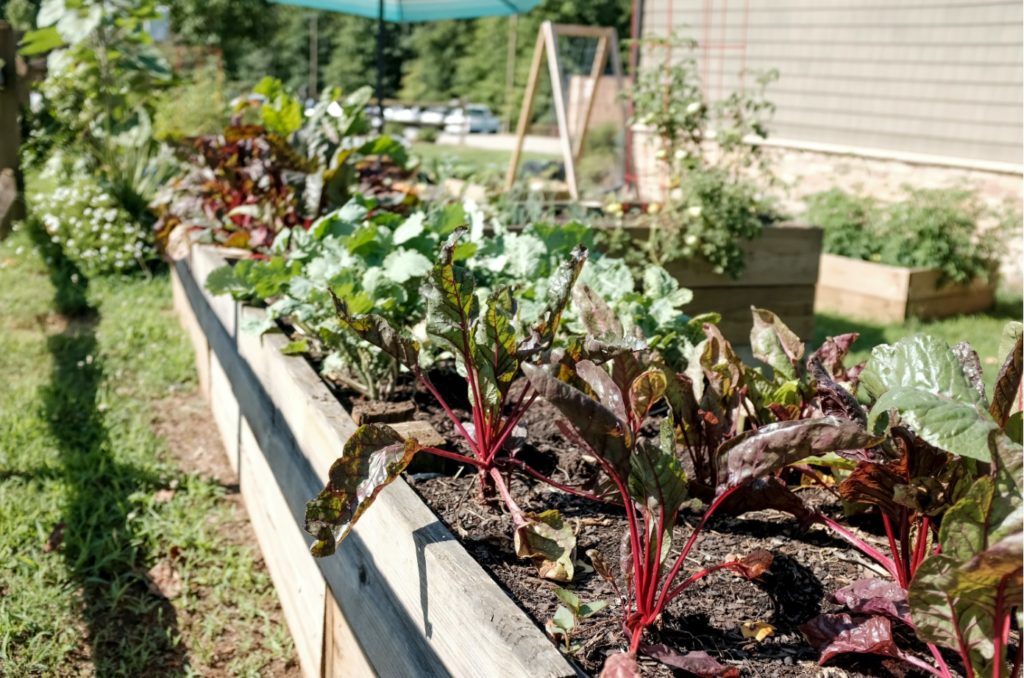
Planting cabbage in the same bed year after year concentrates soil-borne diseases like clubroot and encourages pest build-up. In the wild, brassica relatives drifted across varied landscapes, breaking pathogen cycles naturally. Your garden needs the same strategy: rotating cabbages with non-Brassica crops such as beans, onions, or legumes every two to three years.
Rotation disrupts pest and disease life cycles, restoring soil health and reducing chemical interventions. I’ve seen entire beds bounce back to productivity simply by alternating crop families—keeps the soil happy and your cabbages disease-free!
Ignoring companion planting benefits
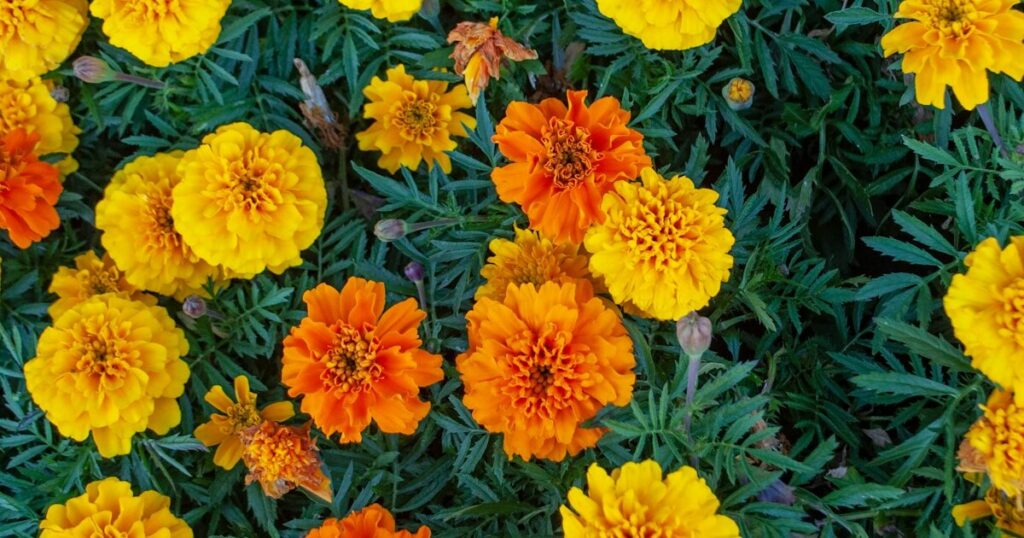
In Europe’s coastal meadows, wild cabbages grew alongside aromatic herbs and flowers that attracted beneficial insects. In your garden, skipping companion plants like dill, marigolds, or nasturtiums forfeits natural pest control and pollinator attraction. I once planted a solitary cabbage row, only to regret missing out on predatory wasps and hoverflies drawn by nearby blooms.
Interplant with herbs that repel pests (e.g., rosemary or sage) and flowers that lure lacewings and parasitic wasps. Not only does this bolster pest management, but the visual mix also turns your cabbage patch into a lively habitat for nesting pollinators—a win for biodiversity!
Overfertilizing with nitrogen
While cabbage demands nitrogen for leafy growth, too much can backfire—resulting in lush, floppy leaves and little head development. Excessive nitrogen resembles the rich manure-amended soils of domesticated farms, where brassicas were selected for lushness. But a greenhouse full of tender shoots is more prone to pests and splitting in wet weather.
Use a balanced fertilizer or switch to a phosphorus-rich formula once seedlings form true leaves. This encourages strong head formation rather than endless foliage. A measured approach to feeding ensures compact, dense heads that slice cleanly for slaws and sauerkraut!
Harvesting too early or too late
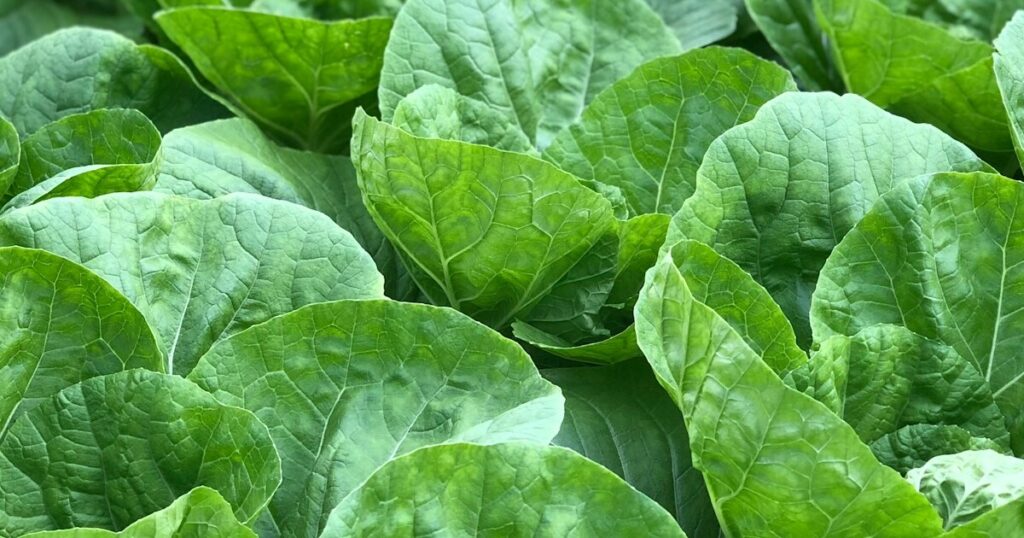
Harvest timing can feel nerve-wracking: pick too soon, and heads are small and underdeveloped; wait too long, and they split open or become pithy. I’ve tasted both mistakes! Wild cabbages in their native range matured precisely with seasonal rains—but in our plots, we must judge by head firmness and size.
Gently squeeze each head—when it feels solid and tight, it’s time. Cut at the base, leaving outer leaves to nourish potential successive smaller heads. Harvesting at the optimal moment rewards you with sweet, crisp cabbage rather than watery or woody cores!