

I absolutely adore how orchids—those elegant epiphytes native to the tropical rainforests of Asia, Central America, and beyond—perch on tree branches, their roots exposed to the humid air and dappled light. In the wild, they host tiny pollinators like solitary bees or even specialized moths, and their aerial roots cling to bark, drawing moisture and nutrients. It’s such a thrill to bring one of these rainforest jewels into your home! Yet, when confined to a potting mix, they rely on us to refresh that medium and give their roots room to breathe and explore.
I know how disheartening it can feel when your Phalaenopsis or Cattleya slows its growth or looks a tad weary—especially after months of glowing blooms. Repotting might seem daunting, but recognizing the right moment transforms the chore into a celebration of new beginnings! Below are eleven clear signs that your orchid is ready for a fresh start, ensuring it continues to reward you with lush foliage and vibrant flowers.
Medium dries out almost instantly
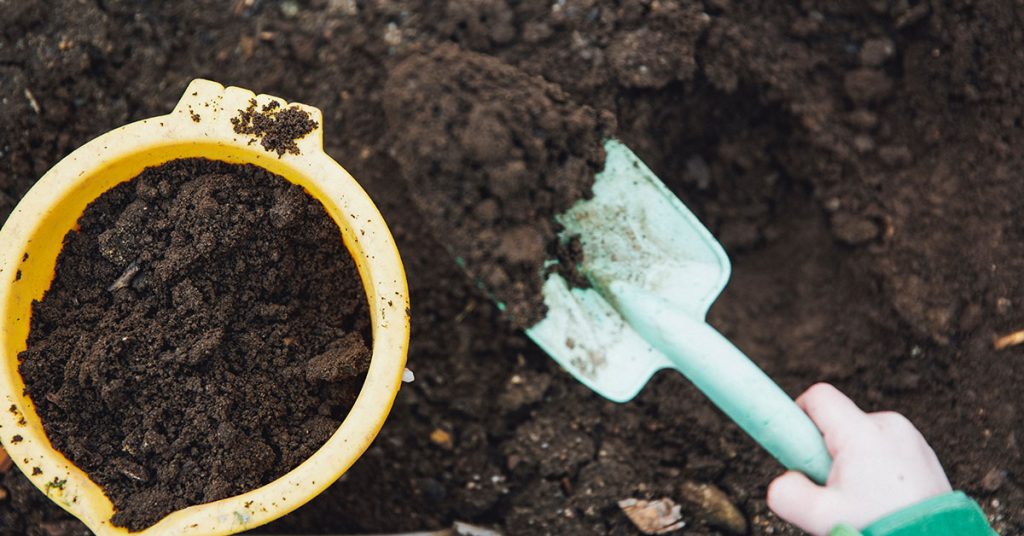
When potting bark or sphagnum moss breaks down, it loses its ability to hold moisture—so your orchid’s roots go from happily moist to parched in a single day. In nature, orchids cling to live trees where rain and mist regularly hydrate their aerial roots; when your potting medium compresses, it can no longer mimic that sponge-like quality.
I’ve seen friends water twice as often just to coax life back into tired roots, only to discover the underlying mix was unusable. Repotting into fresh, chunky bark restores the delicate balance of air and water that epiphytic orchids crave—and within weeks, you’ll notice plumper roots and perkier leaves!
Potting mix has turned to mush
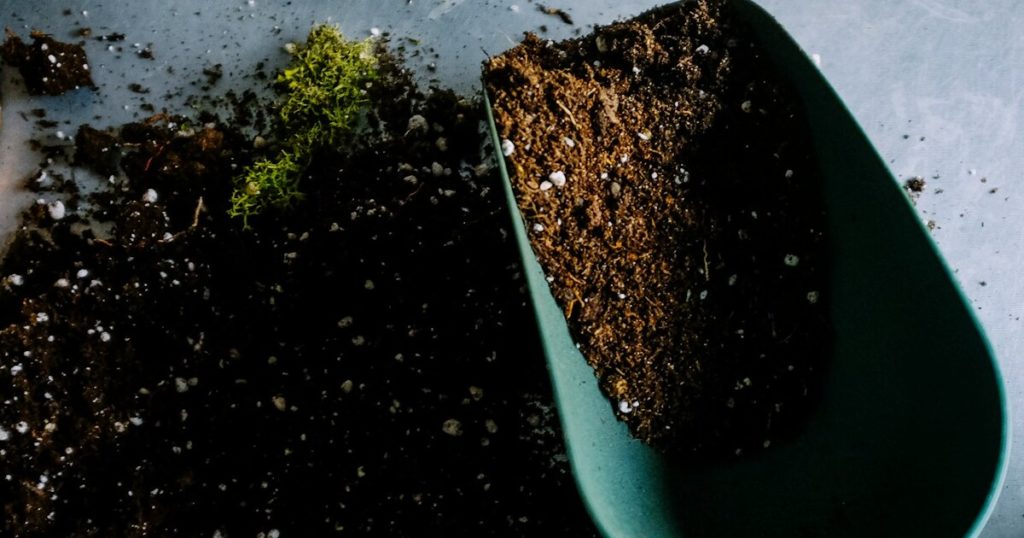
Once the coarse particles of bark or charcoal break into fines, the mix compacting around roots prevents air circulation. In the rainforest canopy, orchid roots breathe freely; indoors, a soggy, decomposed medium invites root rot and stifles growth.
I remember rescuing a Cattleya whose potting blend felt like wet soil—after repotting, new white root tips appeared almost overnight! A chunky, open mix is essential for oxygen flow, and refreshing it rejuvenates both root health and overall vigor.
Visible root rot or dead roots
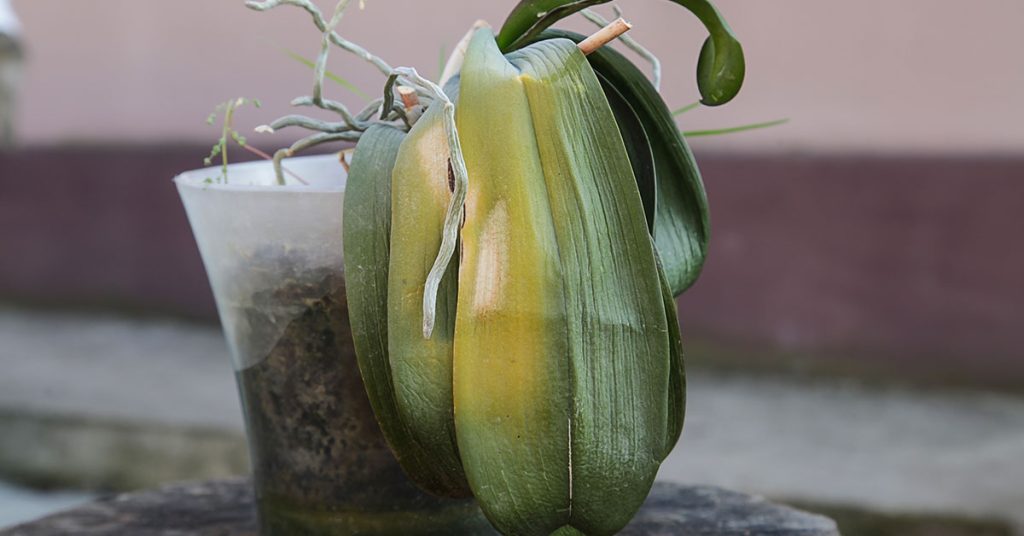
Healthy orchid roots are firm and silvery-green when moist, turning pearly white as they dry. Brown, mushy sections indicate rot—often a byproduct of overcompacted or overwatered media. In the wild, problematic patches get washed by rain and dried by sun; in a pot, they linger unless you intervene.
After cutting away rotten roots, I always repot my orchids immediately to healthy bark—this gives clean roots space to grow and prevents further decay. It’s such a relief to see fresh, velvety roots exploring the new medium!
Roots spilling over the pot edge

When those thick, fleshy roots start poking out of drainage holes or curling around the rim, your orchid is clearly craving more space. Epiphytic orchids in nature spread their roots wide across branch surfaces; in a snug pot, they simply burst forth.
One of my favorite signs is waking up to roots peeking over the top, like friendly tentacles seeking adventure! Repotting into a slightly larger container grants those roots the freedom they need—plus, it gives you a chance to tidy away any crowded tangles.
Slow or stunted new growth
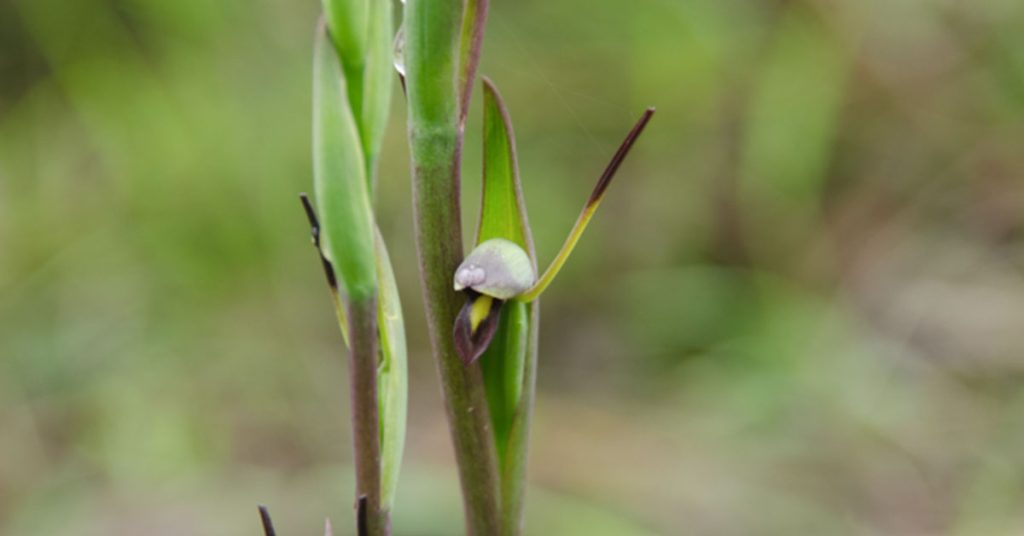
Orchids usually produce a steady parade of new shoots or pseudobulbs each growing season. If your plant’s energy seems stalled—no fresh leaves after weeks—it could be because the roots are suffocating in old media.
I once nursed a Phalaenopsis through a slow spell, only to discover its roots were matted in decomposed moss. After repotting, new leaves unfurled within days! Fresh mix restores nutrient access and oxygen, kickstarting growth and often leading to more robust flowering later.
Salt and mineral buildup on media

White crusts around the pot perimeter or leaf edges can signal fertilizer salts accumulating in the old mix. In tropical rainforests, heavy rains flush away excess minerals; potted orchids don’t get that rinse.
Flushing the pot helps temporarily, but repotting into clean bark is the only way to truly reset the balance. I always take the chance to trim any yellowing leaves too—it’s like giving my orchid a holiday spa treatment!
Leaves yellowing or wilting prematurely
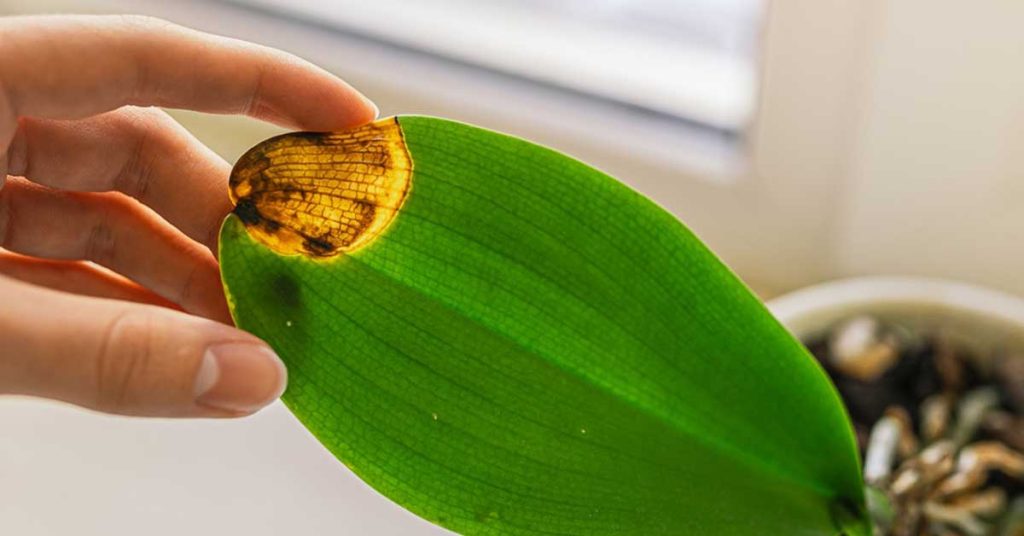
While natural leaf drop happens as orchids age, widespread yellowing often points to root stress from depleted or compacted media. In shady understories, wild orchids retain leaves for long stretches; stressed potted specimens lose them faster.
When I see multiple leaves going limp or yellow, I dig into the roots—usually finding a tired mix waiting to be replaced. A fresh potting refresh brings back those shiny, deep-green leaves in no time!
Flowers becoming smaller or fewer

Orchid blooms demand significant energy, and if the plant’s roots struggle in old medium, it diverts resources from flowering to mere survival. Some orchids bloom reliably in nature year after year; in a pot, they need our help to maintain that pattern.
I’ve noticed my Cattleya produce just one or two blossoms when it’s root-bound, but after repotting, it gifts me a full cascade of flowers! Ensuring plenty of room and nutrients guarantees the show continues strong.
Pot tilts or becomes top-heavy

As orchids develop thick pseudobulbs or new growth, the balance in a small, aging pot can tip, making it wobble or even spill. Epiphytes naturally anchor to stable branches; in containers, they need weight and space to stay upright.
I always watch for pots that list dangerously and, when I repot, choose a container just wide enough to stabilize that new mass. It’s such a confidence boost to know your orchid stands tall and steady!
New pseudobulbs or keikis indicate space needs

When an orchid produces baby plantlets (keikis) on a spike or thickens its pseudobulbs, it shows it has energy to expand—but insufficient room can hamper development. In their native range, orchids send out offshoots onto fresh bark whenever space allows.
I adore seeing a keiki appear—it’s like a mini celebration! Giving it its own fresh mix after repotting not only benefits the mother plant but also helps that little one establish robust roots from the start.
Media odour or mold growth
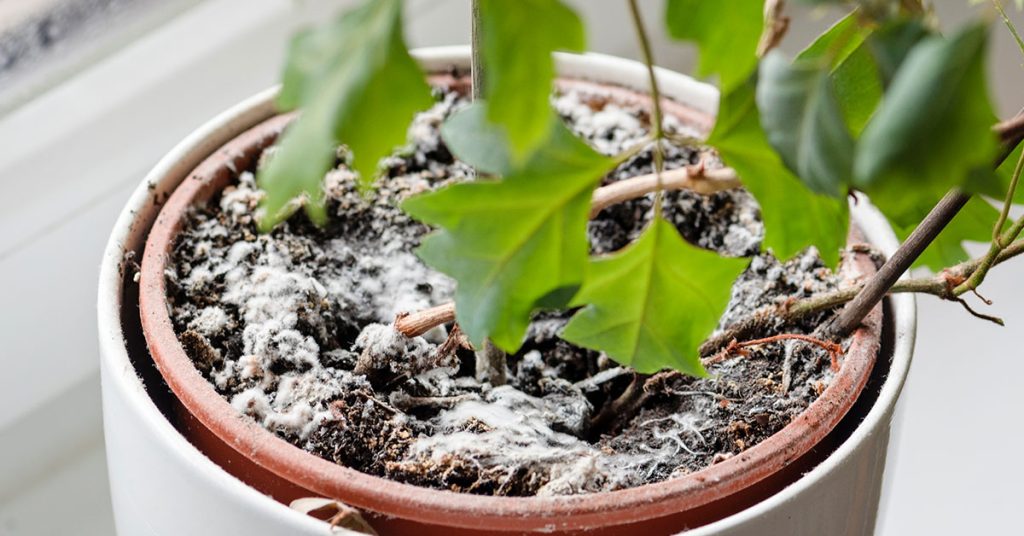
A sour or musty smell wafting from the pot, or fuzzy mold on the surface, tells you the medium is breaking down and hosting unwanted microbes. In warm, humid jungles, moving air and rain keep bark fresh; indoors, stagnant conditions let smell and mold sneak in.
Whenever I catch a whiff of something off, I clear out the old mix, disinfect the pot, and repot into fresh, chunky bark. The immediate transformation is astonishing—no more mustiness, and my orchids breathe easier!