

A moon garden is a sanctuary that awakens under twilight’s soft embrace—filled with blooms that glow in pale hues, exude heady nighttime fragrances, and beckon crepuscular pollinators nesting among their petals. Imagine stepping outside at dusk to be greeted by billowing white trumpets, silvery foliage, and blossoms that seem to shimmer beneath the moon’s glow! Here, I’ve gathered thirteen exceptional flowers—each detailed with its native origins, nesting behaviors of nighttime visitors, and notes on invasiveness—to help you craft a luminous nocturnal retreat.
I know how it feels to crave a garden that’s as enchanting after sunset as it is by day, especially if you’ve struggled with shady corners or colorless evening borders. Whether you’re drawn by scent, form, or the thrill of moths and fireflies dancing among your blooms, these selections will transform your outdoor space into a moonlit wonderland.
Four O’Clock (Mirabilis jalapa)
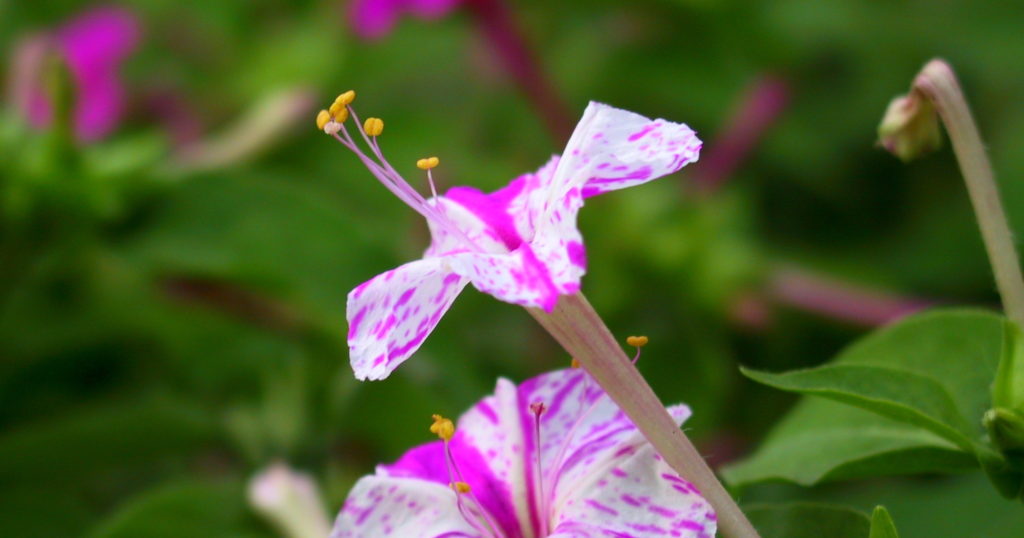
Native to tropical South America, Four O’Clock opens its vibrant, trumpet-shaped flowers in late afternoon, reaching peak fragrance by evening. These blossoms invite sphinx moths and hummingbird moths to nest among their softly colored petals, prolonging the show well into the night! I love tucking them along pathways, where their bold hues—cream, rose, and magenta—contrast beautifully against darker foliage in moonlight.
Though Mirabilis jalapa self-seeds generously, it rarely becomes aggressive in well-tended beds. Collecting spent seed pods before they split helps manage volunteers, while still allowing you to share seedlings with fellow night-garden enthusiasts.
Night-Blooming Jasmine (Cestrum nocturnum)

Hailing from the tropical Americas, Night-Blooming Jasmine unfurls slender, greenish-white tubes after dusk, releasing an intoxicating perfume that lingers until dawn. Moths and nighttime bees flock to its nectar, often nesting in nearby shrubs sheltered by its dense foliage. I plant it near seating areas so its moonlit fragrance greets every evening visitor!
In warm climates, Cestrum nocturnum can self-seed and spread, so I prune promptly after flowering to keep its shape and prevent unwanted volunteers. In cooler zones, cultivating it in large containers ensures you can wheel it indoors before frost arrives.
Gardenia (Gardenia jasminoides)
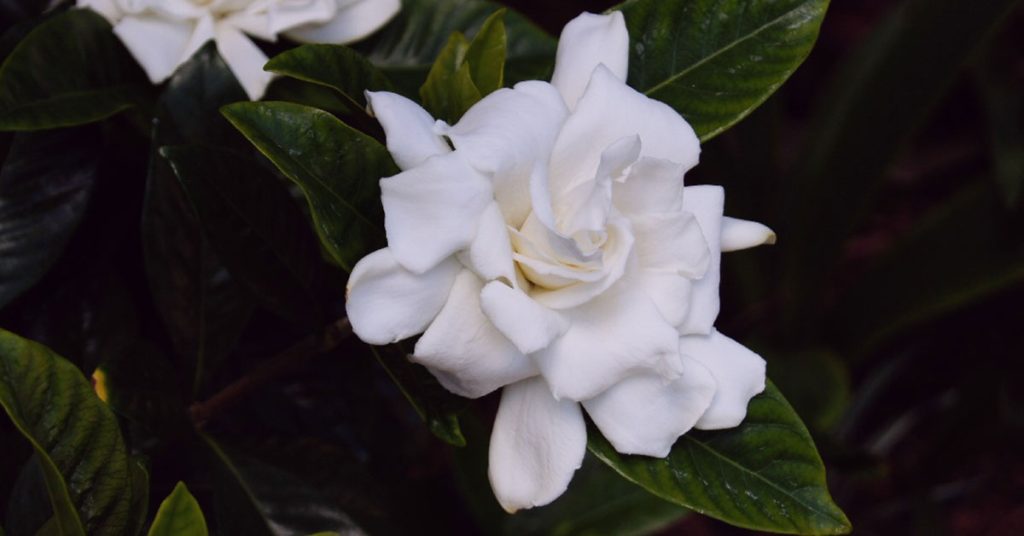
Gardenia’s glossy, evergreen leaves and creamy white blooms—native to subtropical Asia and Africa—offer a timeless elegance and rich, jasmine-like scent after sundown. Pollinating moths nest in the cover of its foliage, making the air buzz softly with nocturnal activity around midnight blooms! I position gardenias near porch lights to enjoy their fragrance as I wander outside at twilight.
These shrubs prefer acidic, well-drained soil. In heavier clay, I amend with compost and pine bark to mimic their native woodland floors, ensuring healthy roots and abundant flowering without risking rot.
Datura (Datura inoxia)
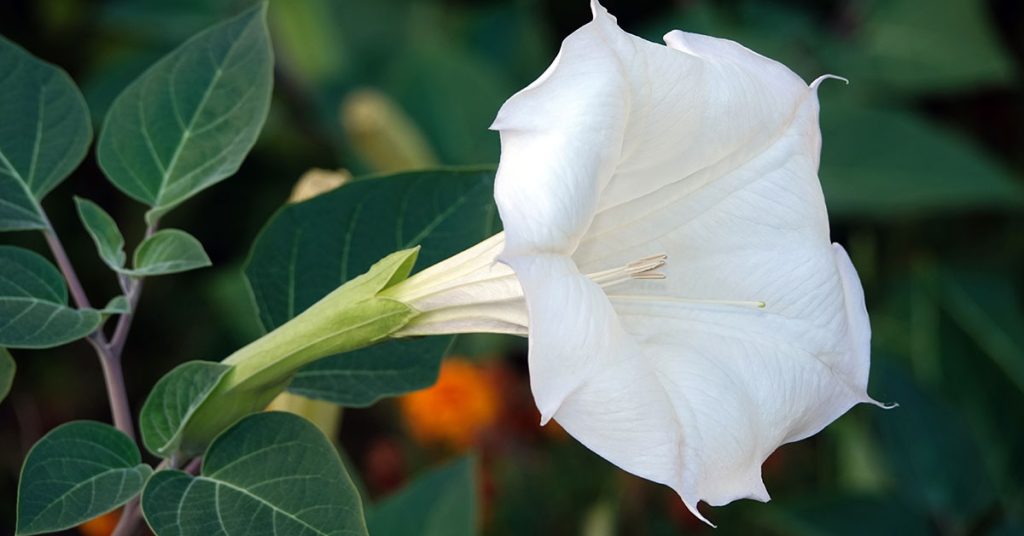
Also known as Moon Lily, Datura inoxia is native to the Americas and produces large, white, funnel-shaped blossoms that open in the evening and last through the night. Their perfume is heady and exotic, drawing large nocturnal moths whose caterpillars later nest covertly under leaves. One bloom can fill an entire garden with its powerful scent!
Datura can self-seed vigorously in warm regions, so I deadhead spent flowers before they set seed. Growing it in a dedicated, contained area or in pots helps prevent it from spreading into vegetable beds or ornamental borders.
Tuberose (Polianthes tuberosa)

Tuberose hails from Mexico and unfurls lacy white flower clusters on tall stalks at night, exuding an intoxicatingly sweet aroma beloved by moths and even night-flying bats in its native range. I plant mine in groups of three or more so their scents mingle into a heady perfume drift that carries across the moonlit lawn!
These bulbs prefer rich, well-drained soil; I mix in coarse sand and organic compost to replicate the gravelly fields they evolved in. In cooler areas, lifting and storing tuberose bulbs overwinter keeps them safe from frost.
White Campion (Silene latifolia)
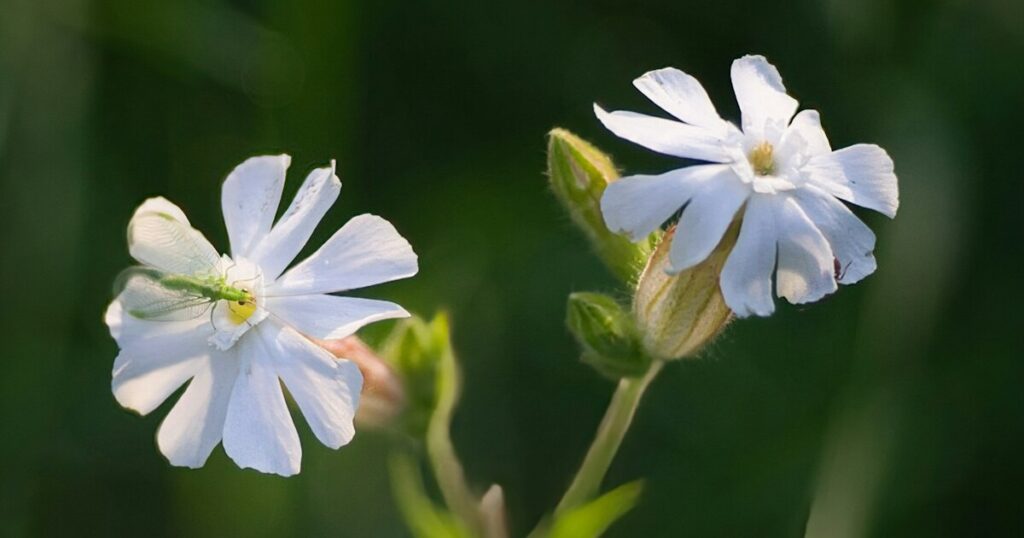
White Campion, native to Europe and Western Asia, sports nodding cups of snowy petals that open at dusk, attracting nocturnal moths to nest within the shelter of its stems. In moonlight, its flowers seem to glow amidst darker groundcovers, offering a fairy-like accent to shady borders.
Though Silene latifolia can naturalize via self-seeding, it rarely overruns well-managed beds. I edge my campion patches with stone or metal barriers to contain its spread, ensuring it remains a delicate understory feature.
Nicotiana (Nicotiana alata)
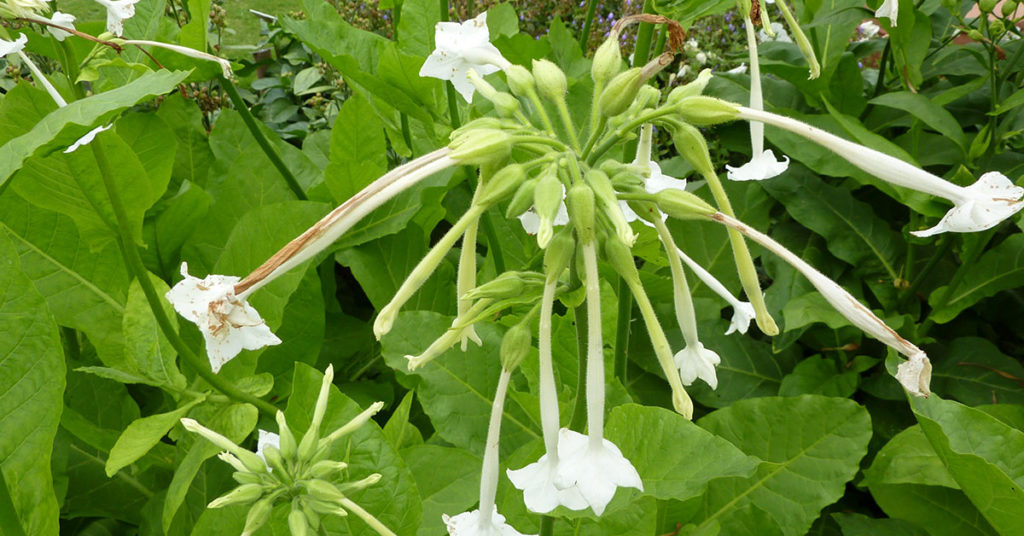
Nicotiana alata, or Flowering Tobacco, originated in South America and presents clusters of star-shaped white blossoms that open in late afternoon, perfuming the night air with a sweet, sugary scent. Hawkmoths are especially drawn to its nectar and often nest under nearby rocks or low shrubs after visiting these flowers!
This annual can self-seed moderately; I save seed heads in mesh bags to collect viable seeds for next season, then clean up stray seedlings in spring to maintain tidy beds.
White Phlox (Phlox paniculata ‘David’)
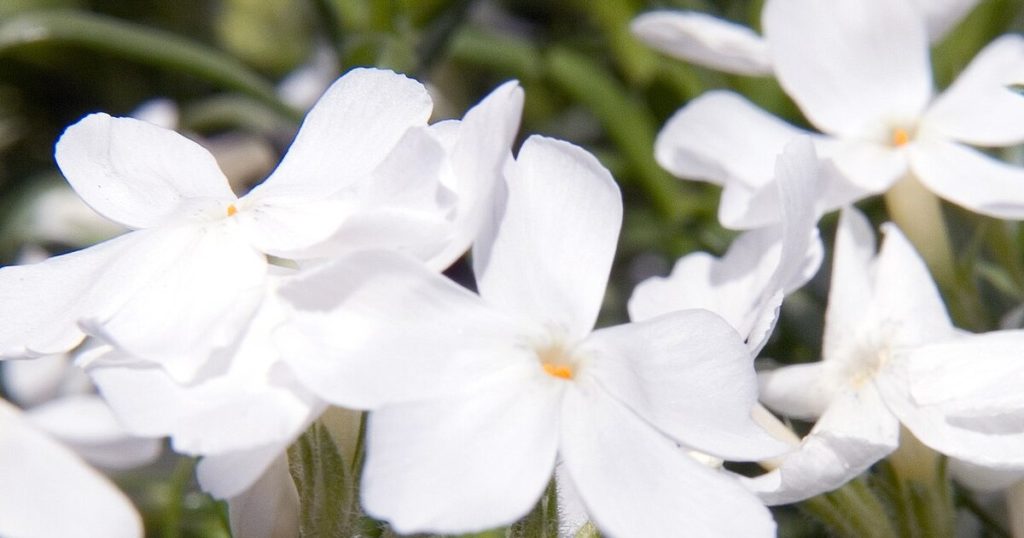
White garden phlox hails from eastern North America’s woodlands and meadows, showcasing fragrant clusters of petals that intensify in scent at dusk. Moths and nighttime butterflies nest among its tall stems, creating gentle movement under the moon. I plant phlox near seating areas to revel in its heady perfume on warm summer nights!
Garden phlox can slowly expand into clumps over years. Dividing every three to four seasons rejuvenates plants and prevents overcrowding, ensuring strong stems that resist lodging in heavy dew.
Night-Scented Stock (Matthiola longipetala)
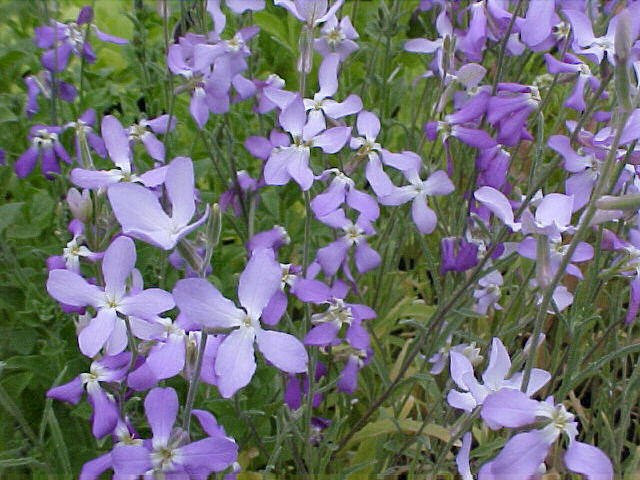
Native to the Mediterranean, Night-Scented Stock produces delicate lilac to white blooms that open late afternoon, releasing a spicy-cinnamon fragrance that beckons moths and beneficial hoverflies to nest in sheltered nooks. I love tucking this annual among perennials—its cascading blooms fill gaps after taller flowers fade.
Though it readily self-seeds in temperate gardens, Night-Scented Stock remains polite if deadheaded post-bloom. Collecting seeds from select plants lets me sow only the best performers each year.
Moonflower (Ipomoea alba)
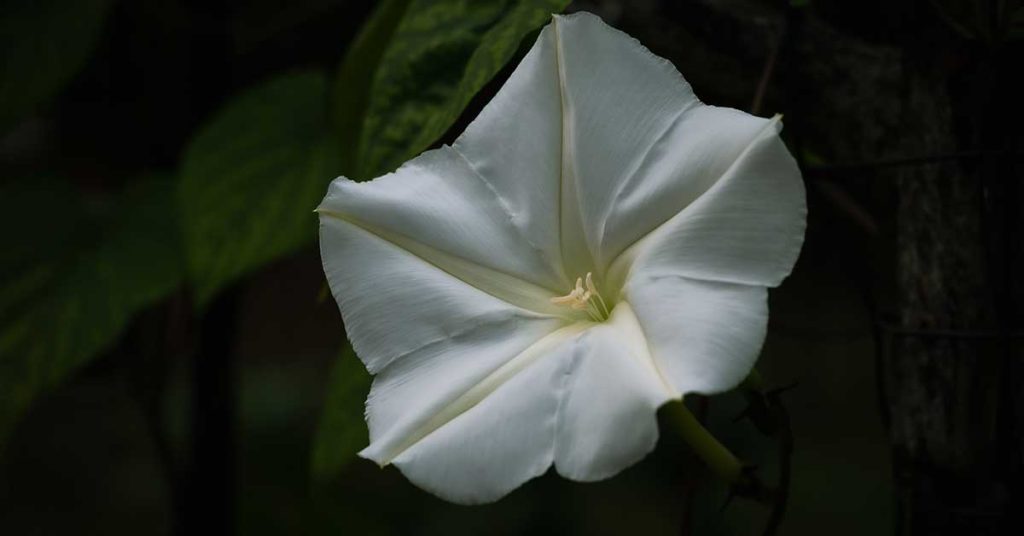
Moonflower, originally from tropical America, climbs vigorously to display large, pure-white trumpets that unfurl at night and glow under moonlight. Night-flying moths nest along the sturdy vines, returning nightly to sip nectar. I grow mine on arbors so that each evening I can stroll through an archway of luminescent petals!
Because Ipomoea alba can self-sow abundantly, I remove seed pods after flowering or train vines in containers to prevent unwanted volunteers in garden beds.
Japanese Honeysuckle (Lonicera japonica)

Japanese Honeysuckle is native to East Asia, yet its fragrant white-and-cream flowers—opening in late afternoon—have naturalized worldwide. Its sweet nectar attracts moths and nest-seeking hummingbird moths under the cover of dusk. In my moon garden, I guide honeysuckle along arbors to create fragrant tunnels that guests wander through at night!
Lonicera japonica can be invasive in mild climates. To keep it in check, I grow it in large containers and prune aggressively after blooming, preventing runners from escaping into nearby woodlands.
Queen of the Night (Epiphyllum oxypetalum)

Epiphyllum oxypetalum, the Queen of the Night cactus, is native to Central America’s cloud forests. Its spectacular, fragrant white blooms open just after dusk and wilt by dawn—an ephemeral show that draws nocturnal pollinators like moths. I cultivate mine in a shaded courtyard so I can gather for the midnight reveal of each fleeting blossom!
As an epiphytic cactus, it prefers airy, orchid-style mixes: bark, perlite, and peat. Growing in hanging baskets or elevated pots ensures good air circulation around its flat, arching stems, preventing rot in humid evenings.
Evening Primrose (Oenothera biennis)
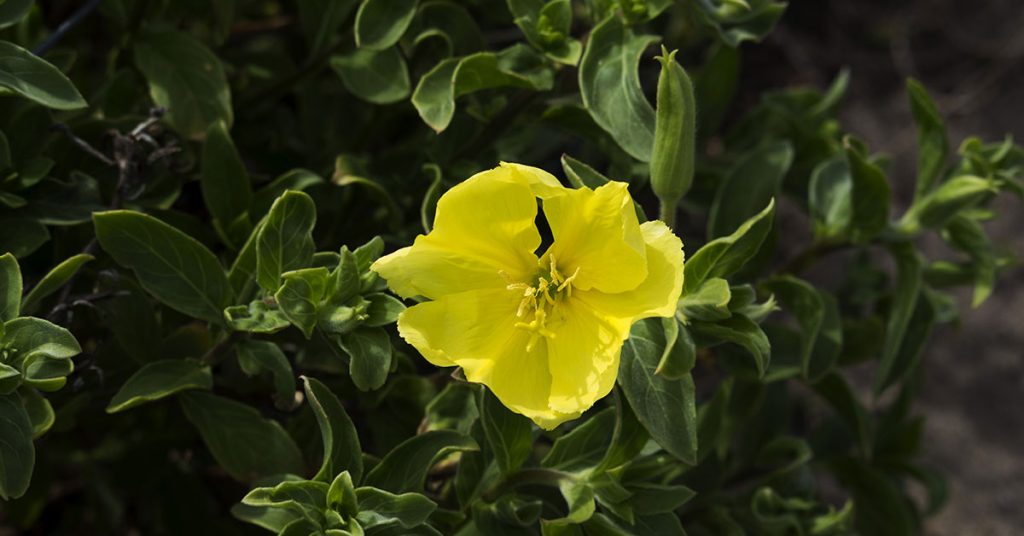
Native to North America, Evening Primrose produces yellow to cream blossoms that open at sunset, enticing hawk moths and other nighttime pollinators that nest in the surrounding grasses. I scatter seeds in sunny moon-garden meadows, and by evening the landscape comes alive with glowing cups of flowers!
Because Oenothera biennis self-seeds readily, I let a few plants drop seed for a natural drifts effect, then thin seedlings in spring to maintain spacing. This balance yields a charming, meadow-like appearance without chaotic overcrowding.